What Is Gaumukh Glacier?
Gaumukh is the main snout of the Gangotri Glacier and is considered the physical source of the River Ganga. The glacier is approximately 30 km long and is located high in the Garhwal Himalayas of Uttarakhand.
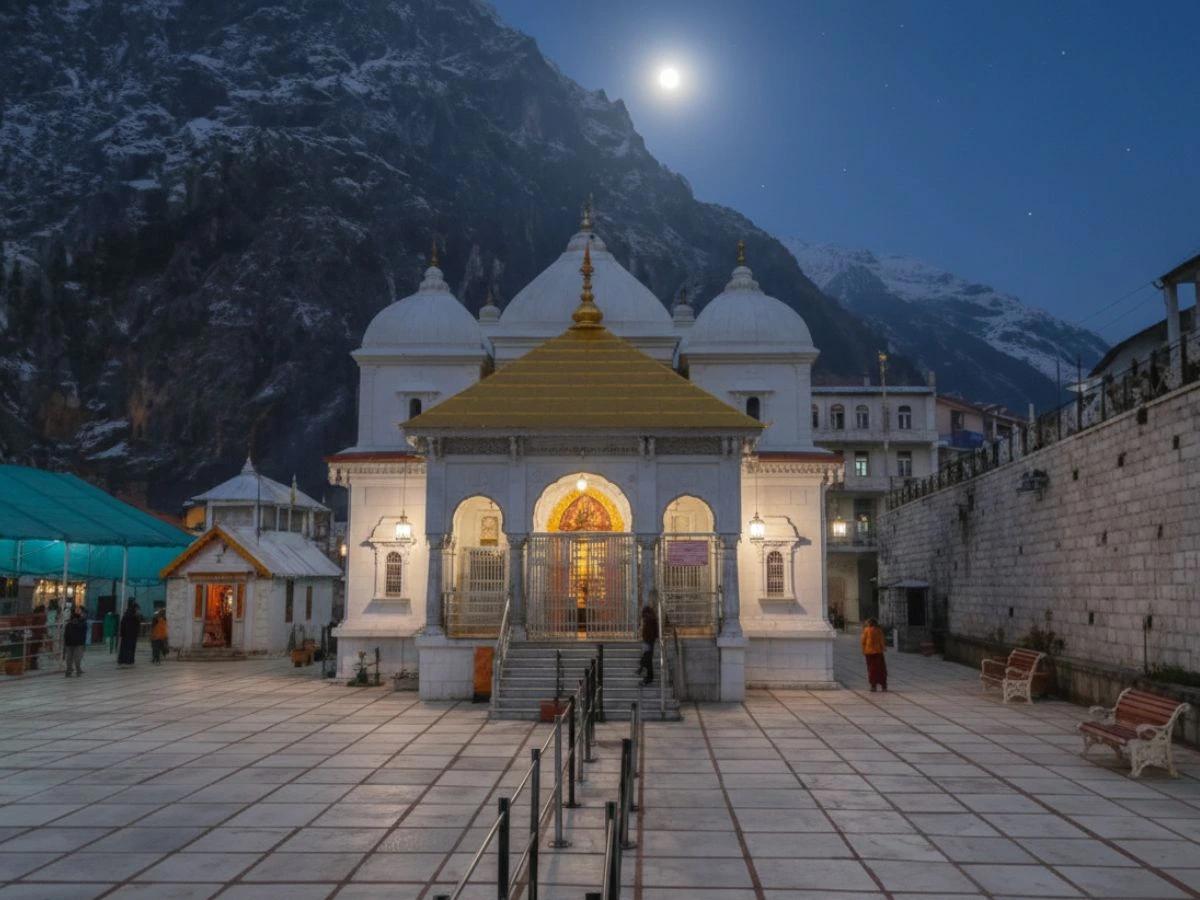
Spiritually, the origin of the Ganga is associated with Gangotri Temple, but geographically, the river begins its journey from Gaumukh in the form of the Bhagirathi River.
The name “Gaumukh” means “cow’s mouth,” as the glacier’s snout resembles the shape of a cow’s mouth.
Gangotri to Gaumukh Distance & Trek Route
Total Distance
Approximately 18 km (one way) from Gangotri.
Trek Duration
Minimum 2 : 3 days plan is required.
Detailed Trek Route Breakdown
Day 1: Gangotri to Chirbasa (9 km)
- Easy to moderate trail
- Scenic views of pine forests
- Bhagirathi River flowing alongside
- Gradual ascent
Chirbasa is a peaceful campsite surrounded by deodar trees and Himalayan landscapes.
Day 2: Chirbasa to Bhojbasa (5 km)
- Slightly challenging section
- Trail becomes narrower
- Bhojpatra (Himalayan birch) trees visible
Bhojbasa serves as a common overnight stay point for trekkers.
Day 3: Bhojbasa to Gaumukh (4 km)
- Rocky and uneven terrain
- First clear view of the glacier
- Final destination: Gaumukh Glacier
Many trekkers continue further to Tapovan, which offers stunning views of Mount Shivling (requires additional permit and experience).
Difficulty Level of Gaumukh Trek
The Gaumukh Trek is considered an easy to moderate level trek.
Suitable For:
- Beginners with basic fitness
- Spiritual travelers
- Photography lovers
- Adventure enthusiasts
Not Suitable For:
- Severe heart patients
- Serious asthma patients
- Individuals with poor physical fitness
The altitude reaches approximately 4,000 meters, so proper acclimatization is essential.
Permit Process for Gaumukh Trek (2026 Update)
A forest department permit is mandatory for the trek.
Permit Rules:
- Limited number of trekkers allowed per day
- Valid ID proof required
- Online or offline permits available
- Permit verification at Gangotri Forest Check Post
It is advisable to apply in advance during peak season (May : June).
Best Time to Visit Gaumukh
May : June
- Best weather
- Snow melts, clear trekking route
- Ideal trekking conditions
September : October
- Clear skies
- Less crowd
- Colder temperatures
Avoid:
- July : August (Monsoon landslides risk)
- Winter season (Heavy snowfall; trek remains closed)
Spiritual Importance of Gaumukh
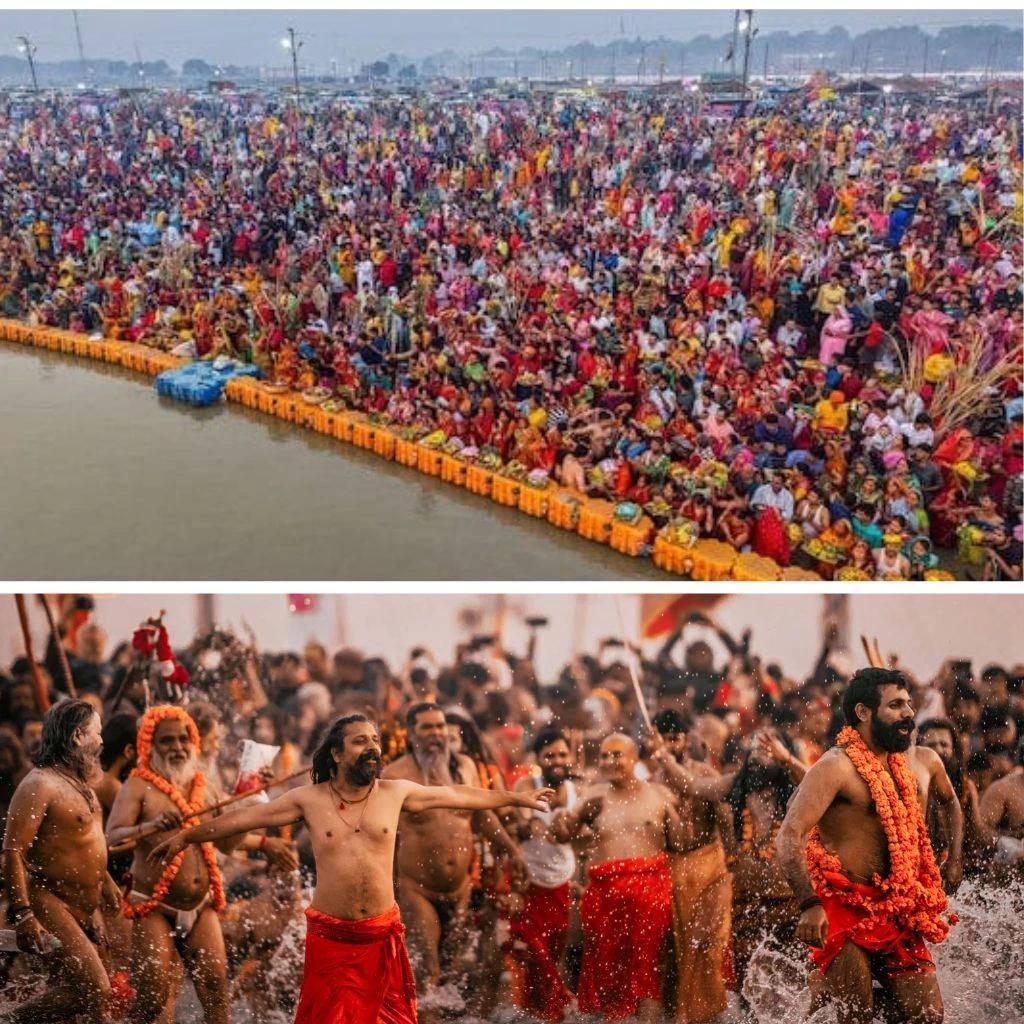
Gaumukh is not just a trekking destination but also a sacred spiritual site.
It is the starting point of the Bhagirathi River, which later merges and becomes the holy Ganga. According to Hindu belief, taking a dip here helps cleanse sins and attain spiritual purity.
Many saints and sages meditate in this serene Himalayan environment.
What to Pack for Gaumukh Trek
Clothing
- Thermal wear
- Heavy jacket
- Gloves & woolen cap
- Trekking pants
Footwear
- High quality trekking shoes
- Extra woolen socks
Essentials
- Water bottle
- Energy bars & dry fruits
- Sunglasses
- Sunscreen
- Personal medicines
Documents
- ID proof
- Forest permit copy
Accommodation During Trek
Chirbasa
- Limited camping options
Bhojbasa
- GMVN guest house
- Ashrams
- Basic tent accommodation
Luxury facilities are not available. Keep expectations minimal and prepare for basic mountain stays.
Safety Tips for Gaumukh Trek
- Start trekking early in the morning
- Travel in groups
- Check weather forecast beforehand
- Avoid littering (eco : friendly travel)
- Watch for altitude sickness symptoms
Common Health Concerns
Altitude Sickness Symptoms:
- Headache
- Nausea
- Breathlessness
- Dizziness
If symptoms worsen, descend immediately. Staying hydrated is extremely important.
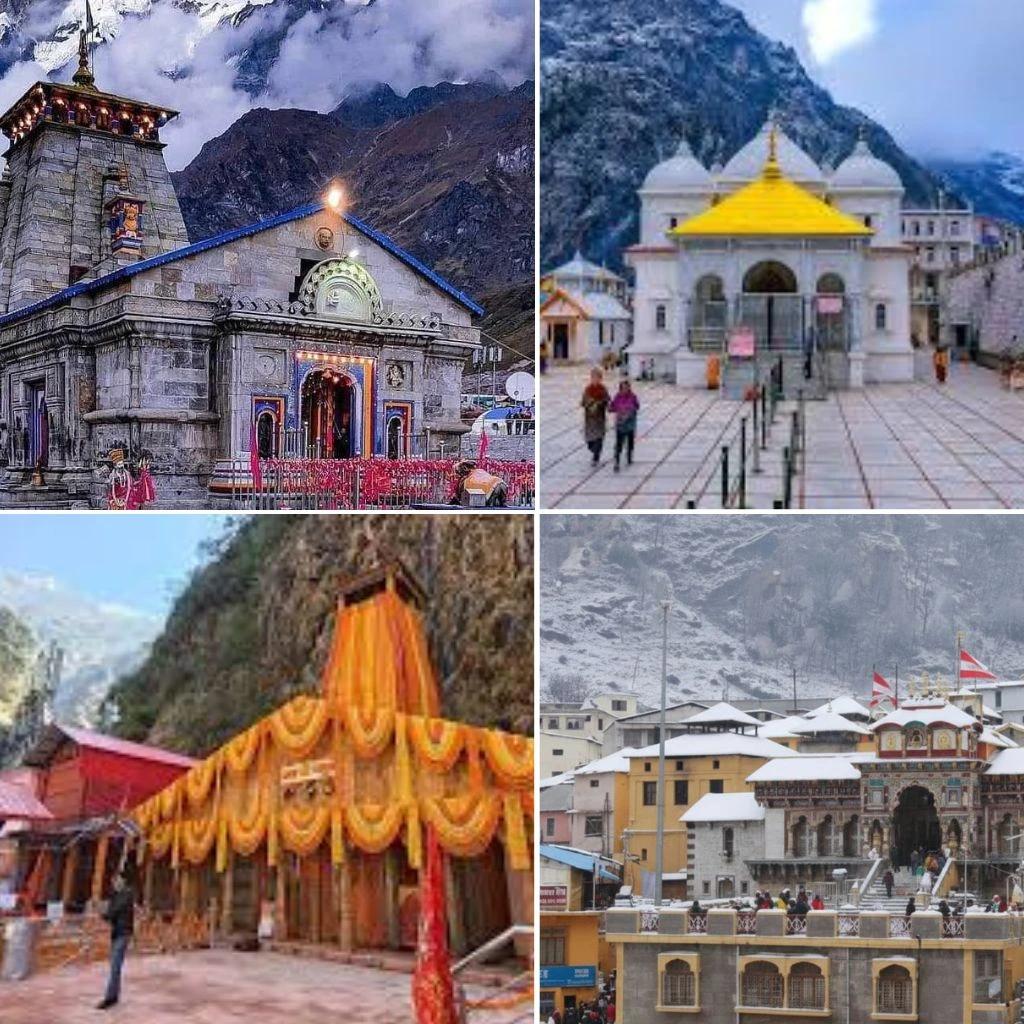
Gaumukh vs Kedarnath Trek
| Feature | Gaumukh Trek | Kedarnath Trek |
|---|---|---|
| Distance | 18 km | 16 :18 km |
| Difficulty | Moderate | Moderate |
| Spiritual Significance | Source of Ganga | Jyotirlinga Temple |
| Crowd Level | Moderate | High |
Why Is the Gaumukh Trek Special?
- Real source of River Ganga
- Rare Himalayan glacier experience
- Combination of spirituality & adventure
- Less commercialized
- Raw natural beauty
This trek introduces you to the true essence of the Himalayas.
Photography & Scenic Beauty
The Gaumukh trek offers:
- Snow covered peaks
- Glacier formations
- Flowing Bhagirathi River
- Stunning Himalayan sunrises
Drone photography may be restricted, so check local regulations before flying.
Environmental Importance of Gaumukh Glacier
Gangotri Glacier is heavily affected by climate change.
The glacier is gradually retreating, which is a serious environmental concern. Responsible trekking and eco-friendly behavior are essential to protect this fragile ecosystem.
Frequently Asked Questions (FAQs)
Q1. How long is the Gaumukh trek?
Approximately 18 km one way from Gangotri.
Q2. Is a permit required for Gaumukh?
Yes, a forest permit is mandatory.
Q3. Is Gaumukh trek safe for beginners?
Yes, if you have basic fitness and proper preparation.
Q4. Can senior citizens do Gaumukh trek?
Only after consulting a doctor and ensuring proper acclimatization.
Q5. What is the altitude of Gaumukh?
Approximately 4,000 meters above sea level.
Final Thoughts
The Gaumukh Trek is not just a journey to a glacier; it is a journey within yourself. It offers a rare blend of adventure, spirituality, and breathtaking Himalayan beauty.
If you are planning a Uttarakhand trip in 2026, make sure to include the Gaumukh Glacier Trek in your itinerary. Experience the pure mountain air, witness the birthplace of the Ganga, and create memories that will last a lifetime.
For more information you may visit tirth.com