Among India’s most spiritually powerful pilgrimage destinations, Ram Kund in Nashik holds extraordinary significance. During the grand Nashik Kumbh Mela, millions of devotees gather here to take a holy dip, believing it cleanses sins and grants spiritual liberation. Ram Kund is not just a sacred water tank; it is a center of faith, mythology, ritual, and divine energy.
In this detailed guide, we will explore the history, mythological background, spiritual importance, Kumbh rituals, travel guide, cultural atmosphere, and everything you need to know about Ram Kund during Kumbh Mela.
Location and Geographic Significance
Ram Kund is located in the holy city of Nashik, on the banks of the sacred Godavari. The Godavari River is often called the “Dakshin Ganga” or “Ganges of the South” because of its spiritual importance in Hindu tradition.
Ram Kund is situated in the Panchavati area of Nashik, a place closely associated with the Ramayana. The kund is a rectangular stone tank constructed along the riverbank, with steps leading down into the water, allowing devotees to perform ritual baths.
Its strategic position along the Godavari makes it the primary bathing ghat during the Nashik Kumbh Mela.
Mythological Significance of Ram Kund
The sacredness of Ram Kund is deeply connected to Hindu mythology, especially the epic Ramayana.
According to legend:
- Lord Rama, the seventh incarnation of Lord Vishnu, lived in Nashik during his 14-year exile.
- It is believed that he bathed in this very spot.
- Many traditions state that Lord Rama performed rituals for his father, King Dasharatha, at Ram Kund.
Because of this divine association, devotees believe that bathing in Ram Kund carries immense spiritual merit. It is said that a dip here can wash away sins and help the soul progress toward moksha (liberation).
The connection to Lord Rama makes Ram Kund unique among the many sacred ghats across India.
Ram Kund and Nashik Kumbh Mela
The Nashik Kumbh Mela, also known as Simhastha Kumbh, is one of the four major Kumbh Melas in India. It is celebrated once every 12 years when Jupiter enters Leo (Simha Rashi) and the Sun is in Aries.
During this period:
- Ram Kund becomes one of the most important ritual bathing sites.
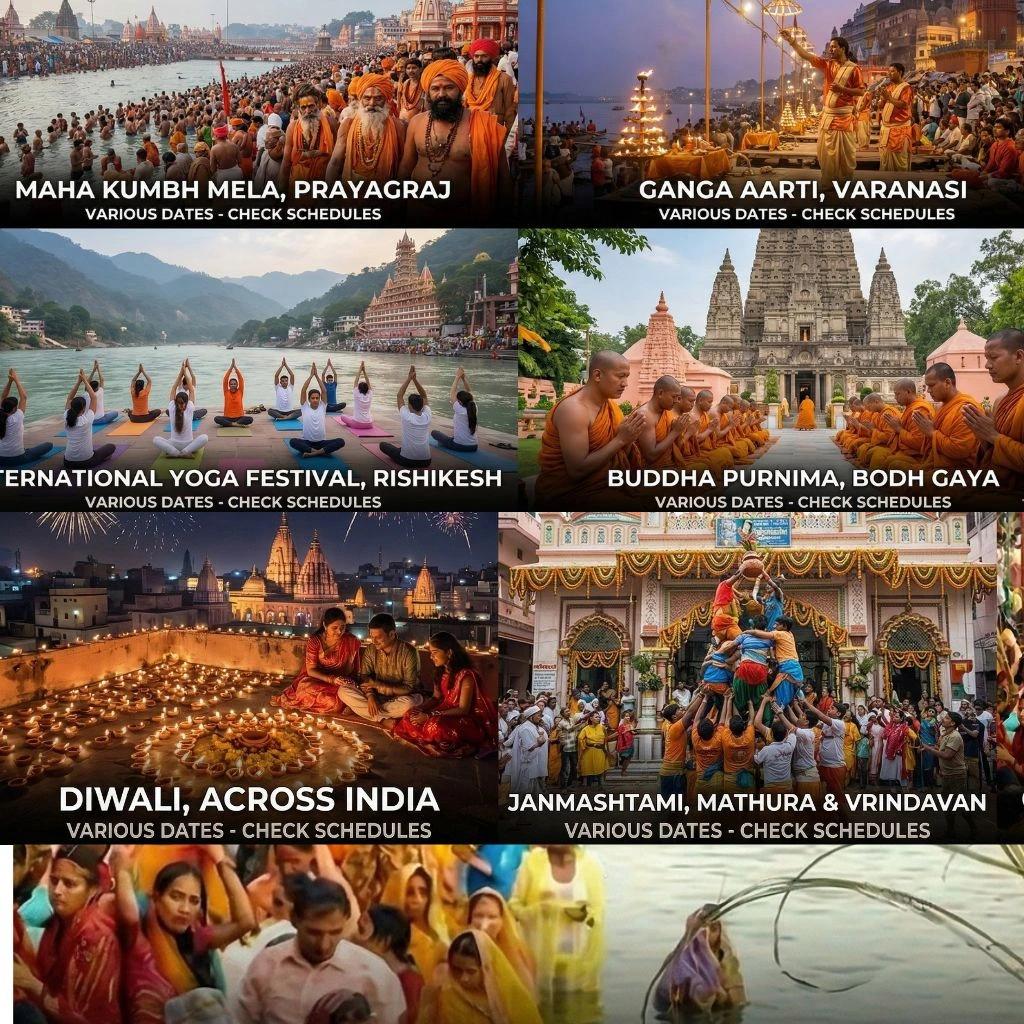
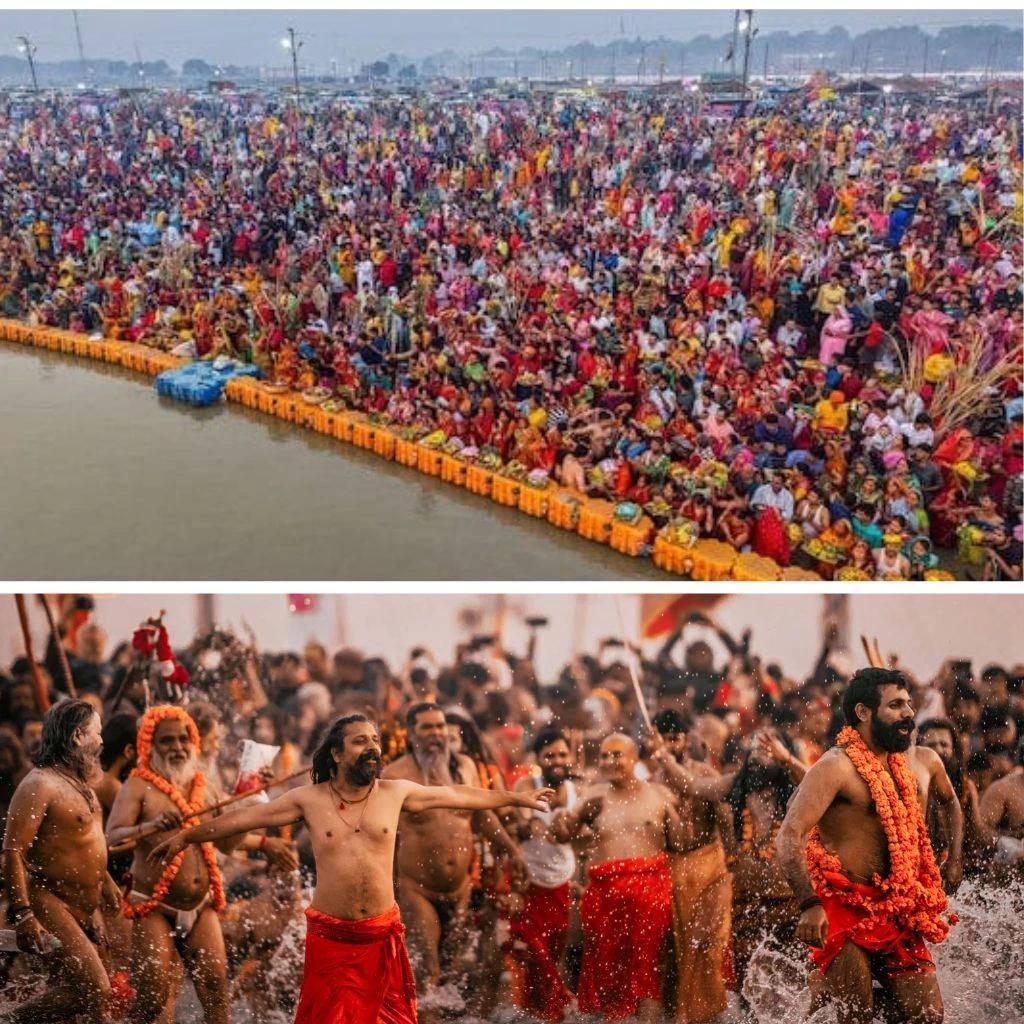
- Millions of pilgrims, saints, and ascetics gather here.
- The spiritual energy of the place is believed to multiply due to the planetary alignment.
The Kumbh Mela is based on the myth of the Samudra Manthan (churning of the ocean), when drops of the nectar of immortality fell at four places, including Nashik. Because of this belief, bathing at Ram Kund during Kumbh is considered especially powerful.
The Rituals Performed at Ram Kund During Kumbh
1. Shahi Snan (Royal Bath)
The Shahi Snan is the most important ritual of the Kumbh Mela. Different akharas (orders of sadhus) take ceremonial processions to the bathing ghats.
These processions include:
- Naga sadhus covered in ash
- Saints riding on decorated chariots
- Chanting of mantras and devotional hymns
- Traditional music with drums and conch shells
When the saints enter the waters of Ram Kund, it marks the beginning of the auspicious bathing period.
2. Individual Pilgrim Bath
After the Shahi Snan, ordinary devotees take their holy dip. Many wake up before sunrise to bathe in the sacred waters.
The belief is that this bath:
- Removes negative karma
- Purifies the soul
- Brings peace and prosperity
- Helps in attaining spiritual liberation
3. Pind Daan and Ritual Offerings
Ram Kund is also an important site for performing last rites and pind daan (rituals for ancestors). Many families visit throughout the year to perform shraddha ceremonies for departed souls.
Spiritual Symbolism of Ram Kund
Ram Kund is not just a water body; it symbolizes purification and rebirth.
Water in Hinduism represents:
- Cleansing of the body and mind
- Renewal of spiritual energy
- Connection between earthly and divine realms
The presence of the Godavari River enhances the sanctity of Ram Kund. Devotees believe that bathing here during the Kumbh period multiplies spiritual merit due to cosmic alignment.
The kund represents a bridge between mythology and present-day devotion.
Cultural Atmosphere During Kumbh
During Kumbh Mela, the area around Ram Kund transforms into a spiritual city.
You will witness:
- Spiritual discourses by saints
- Bhajan and kirtan sessions
- Yajnas and havans
- Temporary camps of various religious groups
- Markets selling religious items such as rudraksha beads, holy books, and incense
The environment is filled with devotion, chants, and a sense of unity among millions of pilgrims.
Historical Development of Ram Kund
Historically, Ram Kund was renovated and expanded by Maratha rulers. Over centuries, stone structures and steps were constructed to facilitate ritual bathing.
The architecture around the kund reflects traditional temple-style stone construction, blending functionality with sacred aesthetics.
Nashik itself has been a major pilgrimage center for centuries, and Ram Kund has remained its spiritual heart.
Best Time to Visit Ram Kund During Kumbh
If you plan to visit during the Nashik Kumbh Mela, timing is crucial.
Ideal Time:
- Shahi Snan dates (most spiritually significant)
- Early morning hours before sunrise
- Late evenings for devotional programs
Avoid:
- Peak afternoon hours due to heavy crowds
- Unplanned visits during major bathing days without preparation
Advance planning ensures a safe and peaceful experience.
Travel Guide to Ram Kund
How to Reach Nashik
By Air:
Chhatrapati Sambhaji Raje International Airport connects Nashik with major Indian cities.
By Train:
Nashik Road Railway Station is well connected to Mumbai, Pune, Delhi, and other cities.
By Road:
Regular buses and taxis operate from Mumbai and nearby regions.
Accommodation Options
During Kumbh Mela, accommodation options include:
- Budget hotels
- Dharamshalas
- Ashram stays
- Government-arranged tent cities
Booking well in advance is highly recommended.
Local Food and Experiences
Pilgrims visiting Ram Kund often enjoy simple vegetarian Maharashtrian cuisine, including:
- Poha
- Sabudana khichdi
- Batata vada
- Dal and chapati
Temporary food stalls operate during Kumbh, offering hygienic vegetarian meals for visitors.
Safety and Practical Tips
- Wear modest traditional clothing for bathing.
- Keep valuables secure.
- Follow official guidelines and crowd control instructions.
- Stay hydrated.
- Respect religious customs and photography etiquette.
Environmental Concerns and Preservation
With millions of pilgrims gathering during Kumbh, environmental management becomes essential.
Authorities implement:
- Waste management systems
- River cleaning drives
- Crowd control measures
- Medical facilities and emergency services
Efforts are continuously made to preserve the sanctity and cleanliness of Ram Kund and the Godavari River.
Why Ram Kund is Considered the Most Sacred Bathing Spot in Nashik
While there are multiple ghats in Nashik, Ram Kund stands out because:
- It is directly associated with Lord Rama.
- It is historically used for sacred rituals and ancestral ceremonies.
- It becomes the spiritual epicenter during Kumbh Mela.
- It holds deep emotional and cultural significance for millions.
For devotees, bathing here is not just a ritual but a life-changing spiritual milestone.
Frequently Asked Questions (FAQs)
Q1. Why is Ram Kund important during Kumbh Mela?
Ram Kund is associated with Lord Rama and is located on the sacred Godavari River. During Kumbh, planetary alignments make bathing here especially auspicious.
Q2. Can anyone take a dip in Ram Kund?
Yes, people of all backgrounds are allowed, provided they follow local customs and guidelines.
Q3. Is there an entry fee?
No, entry to Ram Kund is free.
Q4. How crowded does it get during Kumbh
It can attract millions of visitors, especially on Shahi Snan days.
Q5. Is Ram Kund open throughout the year?
Yes, it is open year-round, but the Kumbh period is the most significant.
Conclusion
Ram Kund in Nashik is more than a sacred water tank. It is a living symbol of faith, mythology, and devotion. During the Nashik Kumbh Mela, it becomes the spiritual heartbeat of the entire celebration. Millions gather here seeking purification, blessings, and inner peace.
For pilgrims, travelers, and spiritual seekers, visiting Ram Kund during Kumbh is a deeply transformative experience. It represents the timeless continuity of India’s spiritual traditions, where mythology meets living faith and devotion flows as eternally as the Godavari River itself.
For more information you may visit tirth.com