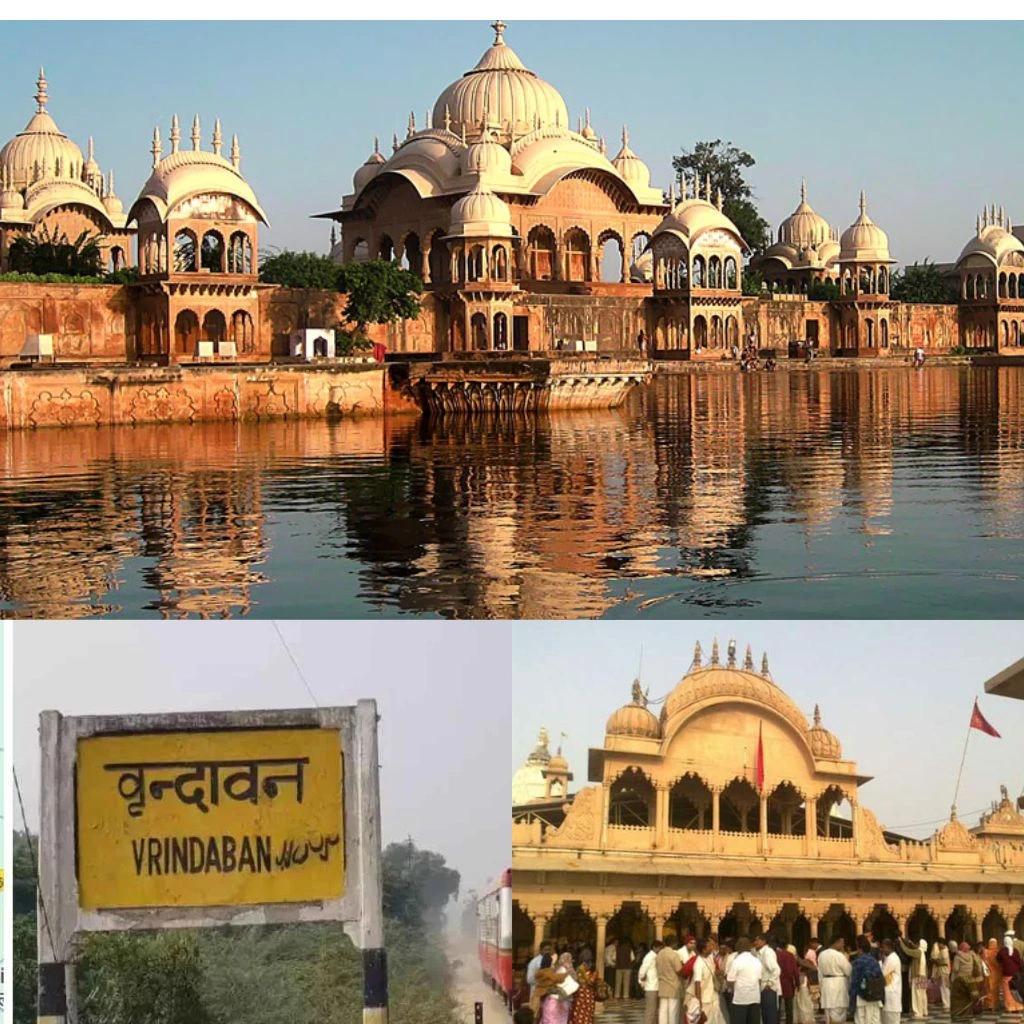
Vrindavan, the sacred land associated with Lord Krishna’s divine pastimes, attracts millions of devotees every year. One of the most spiritually enriching rituals performed here is the Vrindavan Parikrama. Devotees walk around the holy town while chanting prayers and remembering the leelas of Lord Krishna.
A common question among pilgrims is “What is the Vrindavan Parikrama distance by walk?” If you are planning to perform this sacred journey, understanding the distance, route, and timing will help you complete the parikrama smoothly.
This guide explains everything you need to know about Vrindavan Parikrama distance, route map, walking time, and important temples along the path.
Vrindavan Parikrama Distance by Walk
The Vrindavan Parikrama distance by walk is approximately 10 : 11 kilometers (about 6 : 7 miles).
Most devotees complete the parikrama on foot as a mark of devotion and respect. Walking the entire route usually takes 2 to 3 hours, depending on your pace and the number of stops you make at temples along the path.
Some devotees also perform the parikrama barefoot, believing it brings spiritual merit and blessings.
Starting Point of Vrindavan Parikrama
The parikrama typically begins from Keshi Ghat or ISKCON Temple area, although devotees can start from different points along the circular route.
Common starting points include:
- Keshi Ghat
- ISKCON Temple
- Banke Bihari Temple area
- Raman Reti
Since the route is circular, you will eventually return to your starting point.
Route of Vrindavan Parikrama
The Vrindavan Parikrama route is a sacred circular path that allows devotees to walk around the holy town of Vrindavan while remembering the divine pastimes of Lord Krishna and Radha. During the parikrama, pilgrims pass through many ancient temples, ghats, and spiritual spots that hold deep religious importance.
The total Vrindavan Parikrama distance by walk is about 10–11 kilometers, and the route includes several important places connected with the life of Lord Krishna and Radha.
Below are some of the major spiritual landmarks you will encounter during the parikrama.
Keshi Ghat
Keshi Ghat is one of the most beautiful and historically significant ghats on the banks of the Yamuna River. According to Hindu scriptures, this is the place where **Lord Krishna defeated the demon Keshi, who had taken the form of a giant horse to attack him.
The ghat is known for its stunning architecture and peaceful spiritual atmosphere. Devotees often begin their parikrama from this point and take a holy dip in the Yamuna River before starting their journey. In the evening, the Yamuna Aarti performed here creates a divine and mesmerizing experience for pilgrims.
Madan Mohan Temple
Madan Mohan Temple is one of the oldest temples in Vrindavan and is located near the Yamuna River. The temple is dedicated to Lord Krishna in his form as Madan Mohan, which means the one who enchants even the god of love.
Built in the 16th century, this temple holds immense spiritual importance for devotees. It was associated with the saint Sanatana Goswami, one of the prominent disciples of Chaitanya Mahaprabhu. The temple stands on a small hill, offering a beautiful view of Vrindavan.
Raman Reti
Raman Reti is a sacred sandy area believed to be the playground of Lord Krishna and his friends during their childhood. The name “Raman Reti” means the sand where Krishna enjoyed divine play.
Devotees often sit here in meditation, chant bhajans, and feel the spiritual energy of the place. Many pilgrims roll in the sacred sand, believing it brings blessings and purification.
ISKCON Temple
Krishna Balaram Mandir is one of the most popular temples in Vrindavan, attracting thousands of devotees from around the world. The temple was established by A. C. Bhaktivedanta Swami Prabhupada, the founder of the International Society for Krishna Consciousness (ISKCON).
The temple is dedicated to Krishna and Balarama. The atmosphere inside the temple is vibrant with continuous chanting of the Hare Krishna mantra, devotional music, and spiritual teachings.
Rangaji Temple
Sri Rangji Temple is one of the largest temples in the town and is known for its unique South Indian architectural style. The temple is dedicated to Lord Ranganatha, a reclining form of Vishnu.
Built in the 19th century, the temple features towering gopurams, beautiful courtyards, and impressive pillars. The annual Brahmotsavam festival celebrated here attracts thousands of devotees.
Radha Damodar Temple
Radha Damodar Temple is an important spiritual center for devotees of Krishna. The temple was established by Jiva Goswami, a prominent saint and philosopher in the Gaudiya Vaishnav tradition.
The temple houses sacred deities of Radha and Krishna, and it is believed that performing parikrama around this temple is spiritually equivalent to performing the entire Govardhan Parikrama.
Shahji Temple
Shahji Temple is famous for its magnificent marble architecture and artistic pillars. The temple was built in the 19th century by a wealthy devotee named Shah Kundan Lal.
The temple is dedicated to Radha and Krishna. One of the most attractive features of this temple is the “Basanti Kamra,” a hall decorated with beautiful chandeliers and paintings.
Seva Kunj
Seva Kunj is considered one of the most mystical places in Vrindavan. According to tradition, this is where Lord Krishna performed the divine Ras Leela with Radha and the gopis.
It is believed that every night Radha and Krishna still visit this place to perform their divine pastimes. Because of this belief, the area is closed after sunset.
Nidhivan
Nidhivan is one of the most mysterious and sacred places in Vrindavan. Devotees believe that Radha and Krishna perform their divine Ras Leela here every night.
The trees in Nidhivan have a unique twisted shape, which many devotees believe represents the gopis. No one is allowed to stay inside the area at night, and locals strongly believe that witnessing the divine leela is impossible for humans
Time Required to Complete Vrindavan Parikrama
The time required depends on walking speed and temple visits.
Approximate duration:
- Fast walking: 1.5 to 2 hours
- Normal walking: 2 to 3 hours
- With temple visits and rest: 3 to 4 hours
Devotees often perform the parikrama early morning or late evening to avoid heat and crowds.
Best Time to Do Vrindavan Parikrama
The best time to perform the parikrama is during:
Early Morning
4:30 AM : 8:00 AM
Evening
4:30 PM : 7:30 PM
The weather is cooler, and the spiritual atmosphere is peaceful during these times.
Importance of Vrindavan Parikrama
Vrindavan Parikrama is considered highly sacred in Hindu tradition.
According to beliefs:
- Walking the parikrama removes sins
- It brings spiritual peace
- Devotees receive blessings of Radha and Krishna
- It strengthens devotion and faith
Many saints and devotees have been performing this ritual for centuries as an act of surrender and devotion.
Vrindavan Parikrama During Festivals
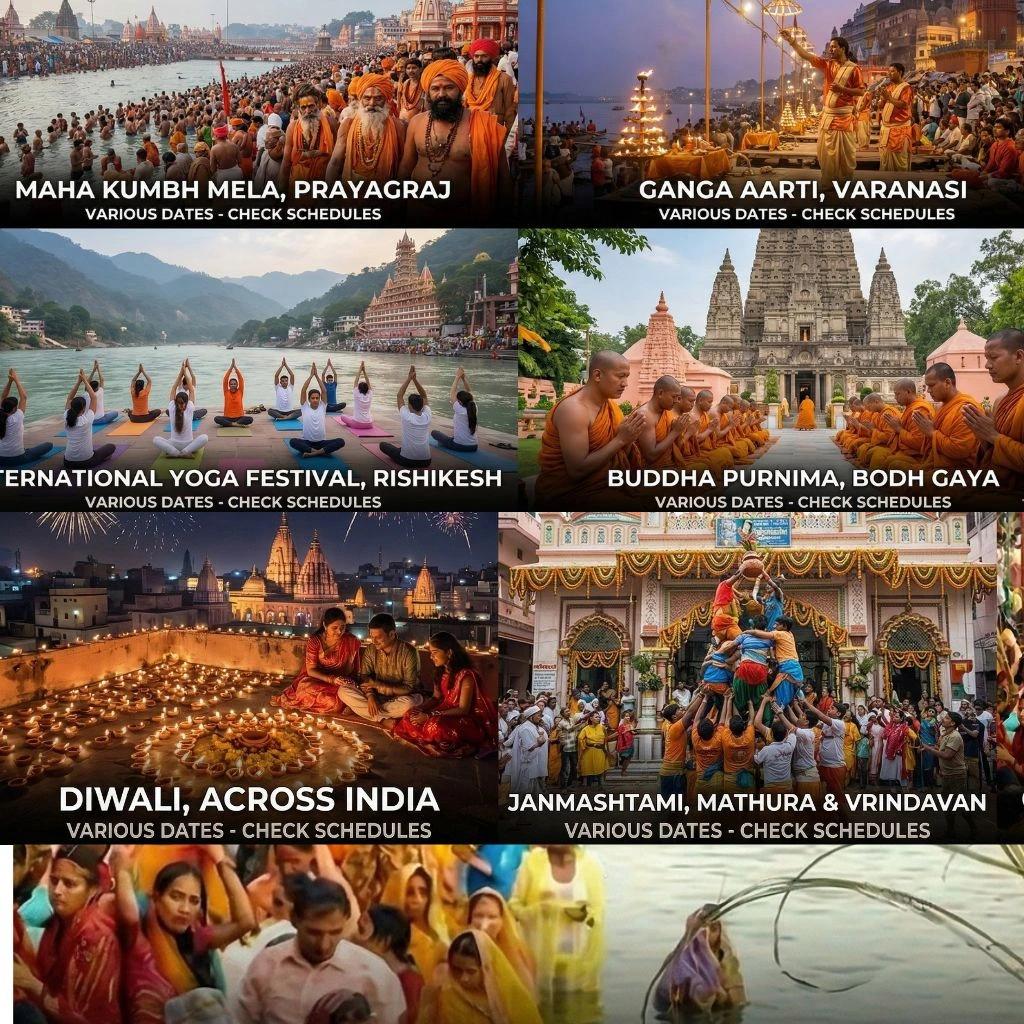
The number of devotees performing parikrama increases significantly during festivals such as:
- Janmashtami
- Radhashtami
- Kartik Month
- Holi Festival
During the holy month of Kartik, thousands of pilgrims walk the parikrama daily while chanting bhajans.
Tips for Walking Vrindavan Parikrama
If you are planning to walk the Vrindavan Parikrama route, keep these tips in mind:
Wear Comfortable Clothing
Loose and comfortable clothes are ideal for long walks.
Carry Water
Hydration is important, especially during summer.
Start Early
Early morning is the best time to avoid heat.
Respect Local Traditions
Many devotees walk barefoot as a sign of devotion.
Keep the Environment Clean
Avoid littering and respect the sacred atmosphere.
Spiritual Experience of Walking the Parikrama
Walking the Vrindavan Parikrama is not just a physical journey; it is a spiritual experience. The sound of temple bells, chanting of “Radhe Radhe,” and the presence of sacred sites create a powerful devotional atmosphere.
Devotees often say that completing the parikrama fills the heart with peace and a deep connection to Lord Krishna.
FAQs
What is the total distance of Vrindavan Parikrama by walk?
The Vrindavan Parikrama distance by walk is approximately 10–11 km.
How long does Vrindavan Parikrama take?
It usually takes 2 to 3 hours to complete the parikrama by walking.
Can Vrindavan Parikrama be done barefoot?
Yes, many devotees perform the parikrama barefoot as a sign of devotion.
What is the best time to do Vrindavan Parikrama?
Early morning or evening is the best time due to pleasant weather.
Is Vrindavan Parikrama difficult?
No, the route is mostly flat and easy for people of all ages.
Conclusion
The Vrindavan Parikrama distance by walk is around 10 : 11 kilometers, making it a manageable yet spiritually powerful journey for devotees. Walking this sacred route allows pilgrims to connect deeply with the divine pastimes of Lord Krishna and experience the devotional atmosphere of Vrindavan.
Whether you are visiting for the first time or returning again, performing the parikrama is a memorable and sacred experience that brings peace, devotion, and spiritual fulfillment.
For more information you may visit tirth.com