On this page11 sections
- Who Was Queen Kaikeyi?
- The Promise Made by King Dasharatha
- Manthara’s Influence on Kaikeyi
- Kaikeyi’s Two Demands
- Rama’s Reaction to the Exile
- Bharata’s Reaction to Kaikeyi’s Decision
- Deeper Meaning Behind Rama’s Exile
- Was Kaikeyi Truly a Villain?
- Lessons from Kaikeyi’s Decision
- FAQs
- Conclusion
- Sources and review
This dramatic event happens when Queen Kaikeyi demands that Rama, Deity page on Tirth be sent into exile for fourteen years and that her son Bharata be crowned king instead.
At first glance, Kaikeyi’s decision appears cruel and unjust because Rama was loved by everyone in the kingdom. However, the story behind this decision is complex and involves promises, manipulation, and the concept of duty. Understanding why Kaikeyi exiled Rama helps readers better understand the deeper themes of the Ramayana.
In short
At first glance, Kaikeyi’s decision appears cruel and unjust because Rama was loved by everyone in the kingdom. However, the story behind this decision is complex and involves promises, manipulation, and the concept of duty. Understanding why Kaikeyi exiled Rama helps readers better understand the deeper themes of the Ramayana.
Who Was Queen Kaikeyi?
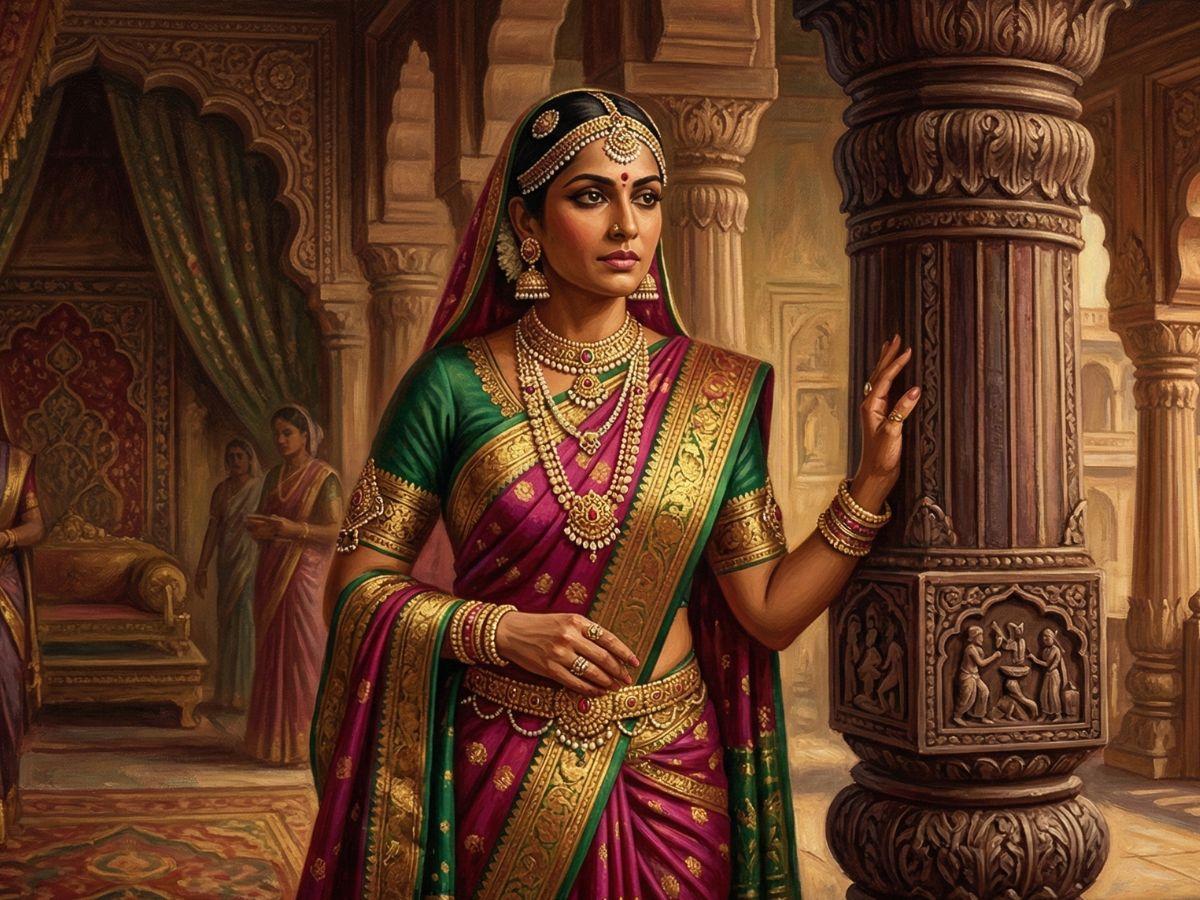
Kaikeyi was one of the three wives of King Dasharatha and the mother of Bharata.
Despite later events, Kaikeyi initially loved Rama very much and treated him like her own son. In many versions of the Ramayana, she is described as brave, intelligent, and devoted to her husband.
Her relationship with Rama was warm and affectionate before the incident that changed everything.
The Promise Made by King Dasharatha
The reason Kaikeyi was able to exile Rama goes back to an earlier event in the story.
During a battle long before the exile, Kaikeyi saved the life of Dasharatha by driving his chariot skillfully when he was injured. Grateful for her bravery, Dasharatha granted Kaikeyi two wishes that she could claim at any time.
Kaikeyi did not immediately use these boons. Instead, she saved them for the future.
Manthara’s Influence on Kaikeyi
The turning point occurs when Dasharatha decides to crown Rama as the next king of Ayodhya.
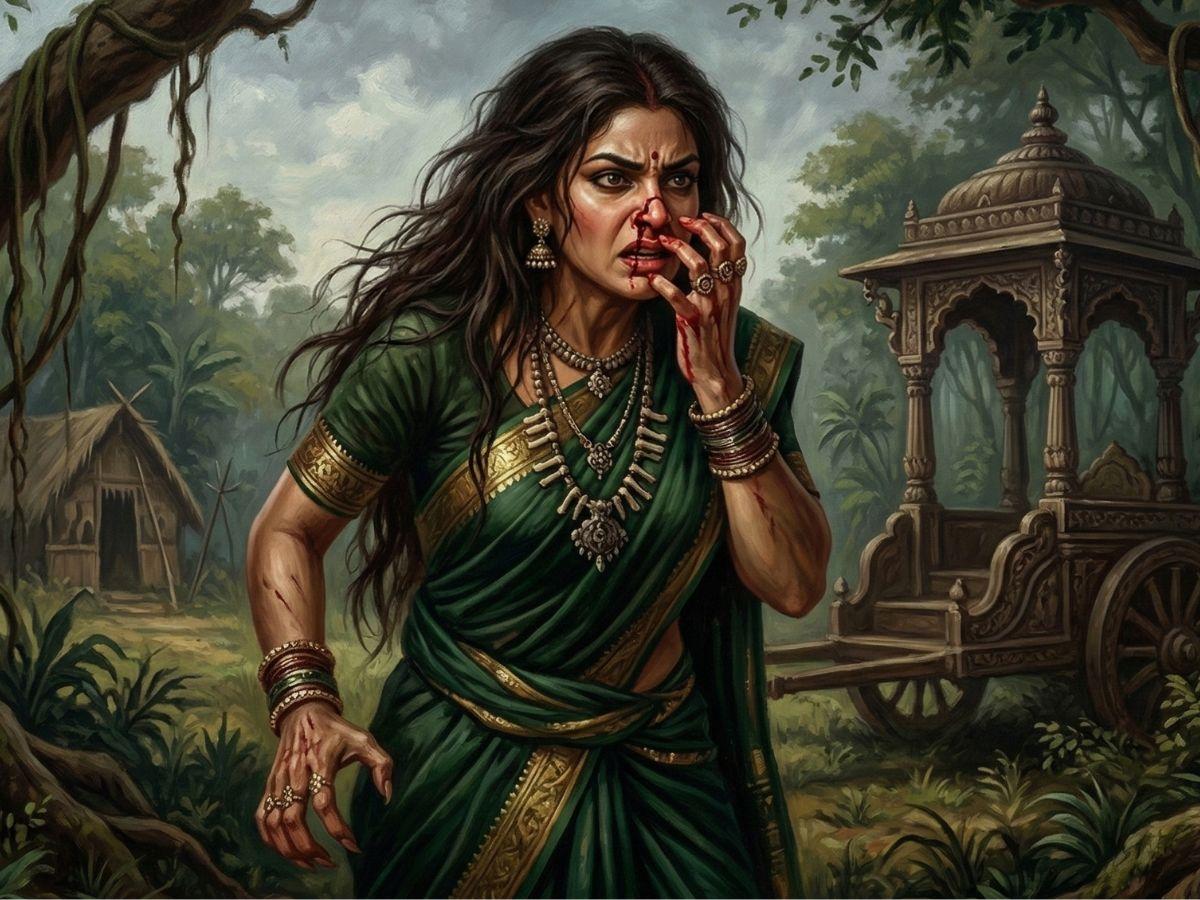
At this moment, Kaikeyi’s maid Manthara begins to manipulate her. Manthara convinces Kaikeyi that if Rama becomes king, Bharata will lose power and influence in the kingdom.
She warns Kaikeyi that her position in the royal family may become weaker if Rama rules Ayodhya.
Slowly, Manthara fills Kaikeyi’s mind with fear and suspicion, eventually persuading her to use the two boons promised by Dasharatha.
Kaikeyi’s Two Demands
Influenced by Manthara, Kaikeyi decides to claim the two promises that Dasharatha had made to her.
Her demands were:
- Bharata should be crowned king of Ayodhya., Destination on Tirth
- Rama should be sent into exile in the forest for fourteen years.
King Dasharatha was devastated by this request. However, because he had already promised to grant Kaikeyi any two wishes, he felt bound by his word and could not refuse.
This tragic moment shows the importance placed on keeping promises in ancient traditions.
Rama’s Reaction to the Exile
When Rama learned about the exile, he did not protest or argue.
Instead, he calmly accepted the decision and prepared to leave the kingdom. Rama believed that obeying his father and respecting the promise made to Kaikeyi was his duty.
His wife Sita and his loyal brother Lakshmana also chose to accompany him during the exile.
This moment highlights Rama’s commitment to dharma, or righteous duty.
Bharata’s Reaction to Kaikeyi’s Decision
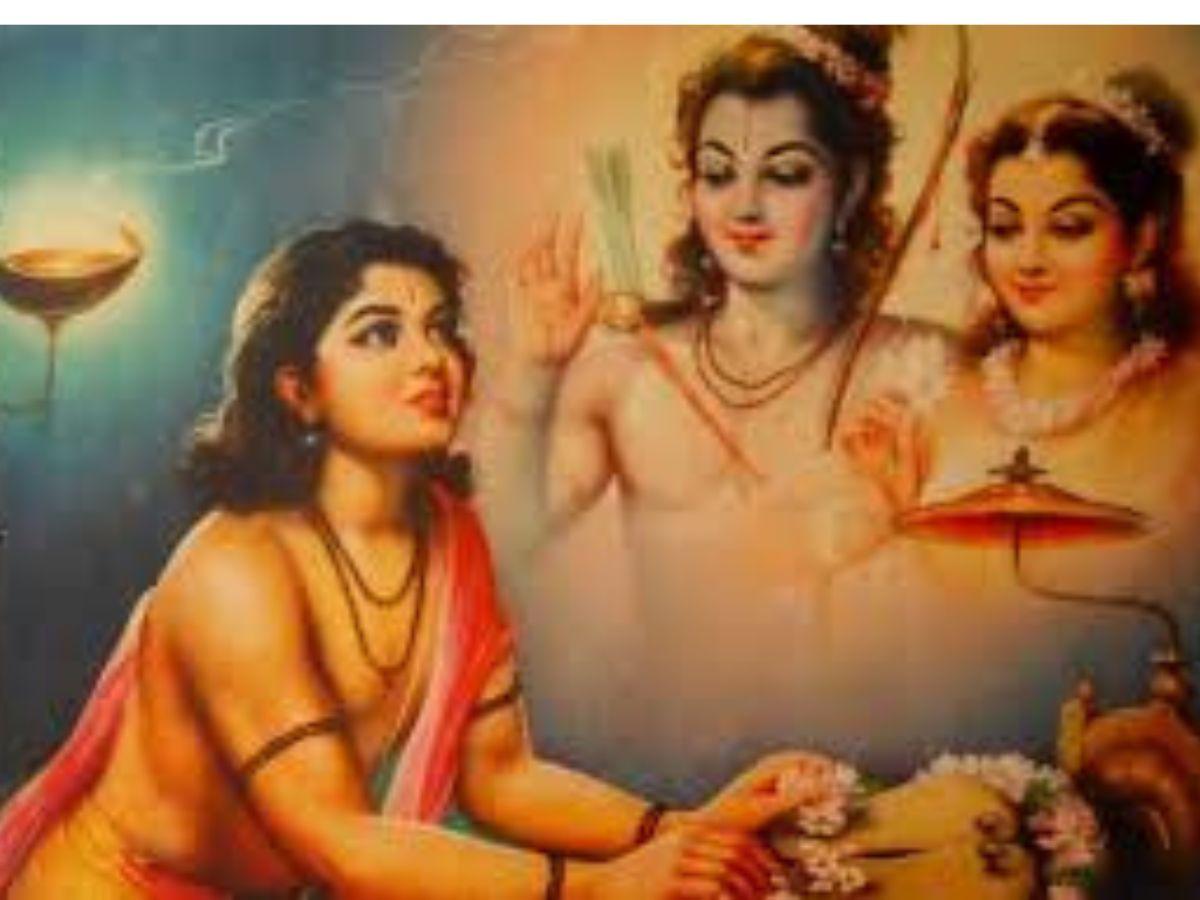
Interestingly, Bharata himself was deeply upset when he learned about his mother’s actions.
He strongly opposed the decision and refused to take the throne. Instead, Bharata went to the forest to bring Rama back to Ayodhya.
When Rama insisted on completing his exile, Bharata placed Rama’s sandals on the throne and ruled the kingdom as his representative until Rama returned.
Deeper Meaning Behind Rama’s Exile
The exile of Rama serves several important purposes in the story.
First, it sets the stage for the events that follow, including the kidnapping of Sita by Ravana and the great war between Rama and Ravana.
Second, the exile demonstrates Rama’s dedication to dharma and obedience to his father’s word.
Finally, the story highlights how human emotions such as fear, jealousy, and manipulation can influence important decisions.
Was Kaikeyi Truly a Villain?
In many retellings of the Ramayana, Kaikeyi is portrayed as a villain. However, some scholars argue that her character is more complex.
Before Manthara’s influence, Kaikeyi loved Rama and supported him. Her decision was driven largely by fear and manipulation rather than hatred.
Some interpretations even suggest that Kaikeyi’s actions indirectly helped fulfill a divine plan. Rama’s exile allowed him to defeat Ravana, thereby restoring balance and justice in the world.
Lessons from Kaikeyi’s Decision
The story of Kaikeyi exiling Rama teaches several important lessons.
First, it shows how negative influences can affect even well-intentioned people. Manthara’s manipulation changed Kaikeyi’s thinking and led to a tragic decision.
Second, the story highlights the importance of keeping promises, even when doing so is painful.
Finally, it demonstrates the values of patience, duty, and sacrifice through Rama’s calm acceptance of exile.
FAQs
Kaikeyi was not originally evil. She deeply loved Rama, but she was manipulated by her maid Manthara, who convinced her that Rama’s coronation would harm her son’s future.
Manthara feared that if Rama became king, Kaikeyi and her son Bharata would lose power in Ayodhya.
King Dasharatha had promised Kaikeyi two boons after she once saved his life in battle. She later used them to exile Rama and make Bharata the king.
The 14 year exile ensured that Rama would be away long enough for Bharata to firmly establish his rule in Ayodhya.
Bharata was deeply upset with his mother and refused to accept the throne. Instead, he ruled Ayodhya as Rama’s representative until Rama returned.
King Dasharatha was heartbroken after sending Rama away and soon died due to grief and guilt.
Rama accepted exile willingly to uphold dharma and honor his father’s promise, which is a central moral lesson in the Ramayana.
Conclusion
The decision of Kaikeyi to exile Rama is one of the most dramatic moments in the Ramayana. Influenced by her maid Manthara, Kaikeyi used two promises from Dasharatha to demand Rama’s exile and Bharata’s coronation.
Although her decision caused immense suffering, it ultimately led to the events that shaped the epic story of Rama’s journey, his battle with Ravana, and the triumph of righteousness.
Even today, this story continues to teach valuable lessons about duty, influence, morality, and the power of human choices.
For more information you may visit tirth.com