On this page15 sections
- Lord Rama : The Ideal King
- Sita : The Symbol of Purity and Devotion
- Lakshmana : The Loyal Brother
- Hanuman : The Ultimate Devotee
- Ravana : The Powerful Antagonist
- Bharata : The Devoted Brother
- Shatrughna : The Silent Supporter
- Dasharatha : The King of Ayodhya
- Kaikeyi : The Queen Who Changed the Story
- Vibhishana : The Righteous Brother of Ravana
- Sugriva : The Monkey King
- Vali : The Mighty Warrior
- The Importance of Ramayana Characters
- Frequently Asked Questions (FAQs)
- Conclusion
- Sources and review
Traditionally attributed to Valmiki, this epic narrates the life journey of Rama, Deity page on Tirth , the prince of Ayodhya, and his struggle against evil represented by Ravana, the demon king of Lanka.
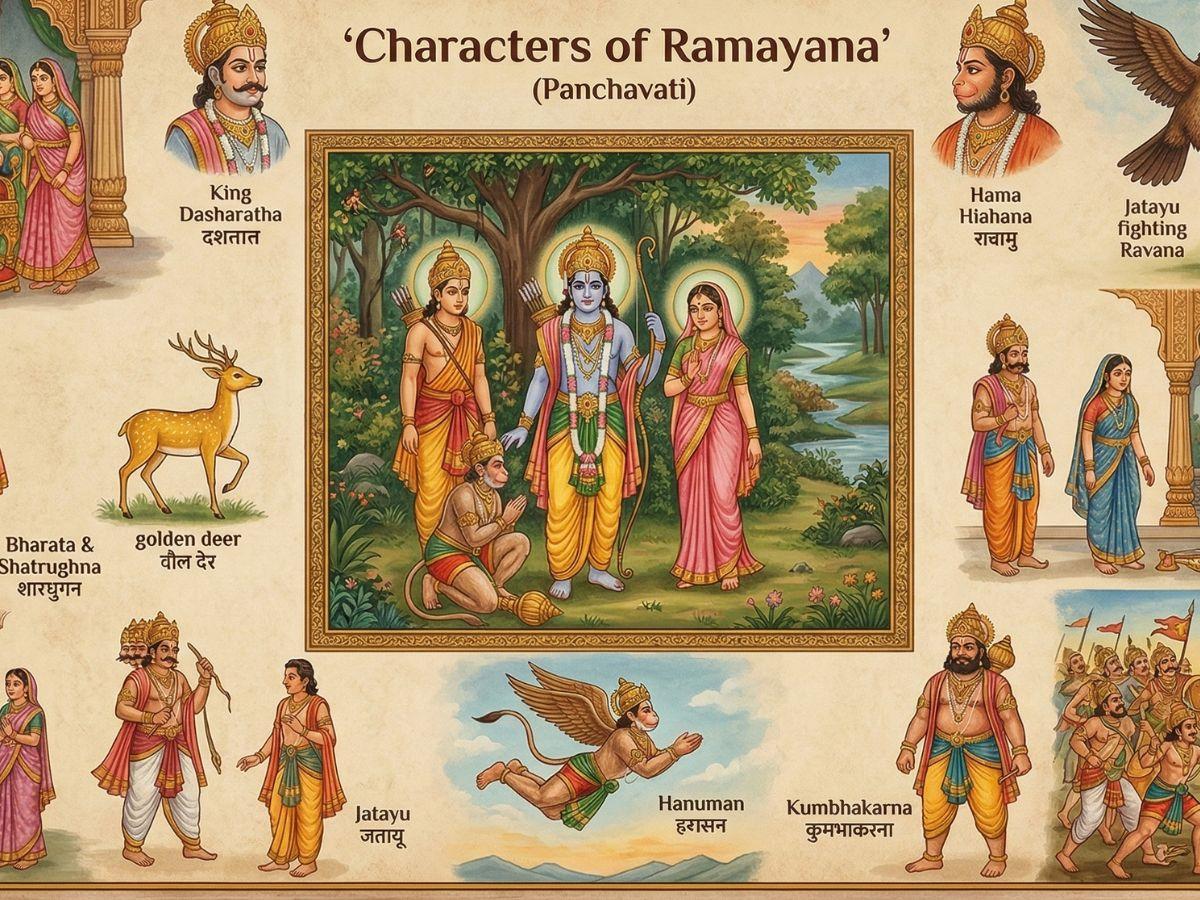
The Ramayana is not just a story of good versus evil. It is a complex narrative filled with powerful characters who represent different virtues, emotions, and moral values. Each character contributes to the story and teaches important life lessons about duty, devotion, loyalty, and righteousness.
In this article, we will explore the major characters of the Ramayana, their roles in the story, and the symbolic meanings they represent.
In short
The Ramayana is not just a story of good versus evil. It is a complex narrative filled with powerful characters who represent different virtues, emotions, and moral values. Each character contributes to the story and teaches important life lessons about duty, devotion, loyalty, and righteousness.
Lord Rama : The Ideal King
The central figure of the Characters of Ramayana is Rama, the seventh incarnation of Vishnu, Deity page on Tirth. Rama is the prince of Ayodhya and is often described as the embodiment of righteousness and virtue.
Rama is known for his strong commitment to dharma, or moral duty. When his father, Dasharatha, is forced to send him into exile due to a promise made to Queen Kaikeyi, Rama accepts his fate without complaint.
During his exile, Rama faces numerous challenges, including the abduction of his wife Sita by Ravana, Deity page on Tirth. Despite these hardships, Rama remains calm, wise, and just. His character symbolizes leadership, sacrifice, and the importance of fulfilling one’s responsibilities.
Sita : The Symbol of Purity and Devotion
Sita, the wife of Rama, is one of the most revered female characters in Hindu mythology. She is considered an incarnation of Lakshmi, the goddess, Deity page on Tirth of prosperity.
Sita represents loyalty, strength, and purity. She chooses to accompany Rama during his exile, demonstrating her deep love and dedication.
Her abduction by Ravana becomes the central conflict of the Ramayana. Despite being held captive in Lanka, Sita refuses to submit to Ravana’s pressure and remains faithful to Rama. Her courage and unwavering devotion make her one of the most admired characters in the epic.
Lakshmana : The Loyal Brother
Lakshmana is Rama’s younger brother and one of the most devoted characters in the Ramayana.
Lakshmana voluntarily accompanies Rama and Sita during their exile, leaving behind his own comforts in Ayodhya. Throughout the journey, he protects them from various dangers and enemies.
He is known for his bravery, dedication, and deep loyalty to Rama. Lakshmana’s character represents brotherly love, sacrifice, and unwavering support.
Hanuman : The Ultimate Devotee
One of the most beloved characters in the Ramayana is Hanuman, Deity page on Tirth, the monkey god known for his immense strength, intelligence, and devotion.
Hanuman plays a crucial role in helping Rama locate Sita in Lanka. He famously leaps across the ocean to reach Lanka and deliver Rama’s message to Sita.
Hanuman’s character symbolizes devotion, courage, and selfless service. His loyalty to Rama is considered the highest example of bhakti, or devotion to God.
Ravana : The Powerful Antagonist
The Characters of Ramayana is Ravana, the powerful ruler of Lanka.
Ravana is often portrayed as a complex character. Although he is a demon king and the villain of the story, he is also described as a great scholar, musician, and devotee of Shiva, Deity page on Tirth.
His downfall begins when he kidnaps Sita, which ultimately leads to a war with Rama. Ravana’s character demonstrates how arrogance and desire can lead to destruction, even for someone with great knowledge and power.
Bharata : The Devoted Brother
Bharata, another brother of Rama, is known for his integrity and humility.
Although the kingdom of Ayodhya , Destination on Tirthis offered to him after Rama’s exile, Bharata refuses to take the throne. Instead, he places Rama’s sandals on the throne and rules the kingdom as a representative until Rama returns.
Bharata’s character represents humility, respect, and loyalty to family.
Shatrughna : The Silent Supporter
Shatrughna is the youngest brother of Rama. While he does not appear as frequently as the other brothers, he plays an important role in supporting Bharata and maintaining stability in Ayodhya.
Shatrughna’s character symbolizes quiet dedication and service.
Dasharatha : The King of Ayodhya
Dasharatha is the father of Rama and the ruler of Ayodhya.
He deeply loves Rama and initially plans to crown him as king. However, due to a promise he had earlier made to Queen Kaikeyi, Dasharatha is forced to send Rama into exile.
The emotional pain caused by this decision eventually leads to Dasharatha’s death. His character highlights the importance of keeping promises and the tragic consequences that sometimes follow.
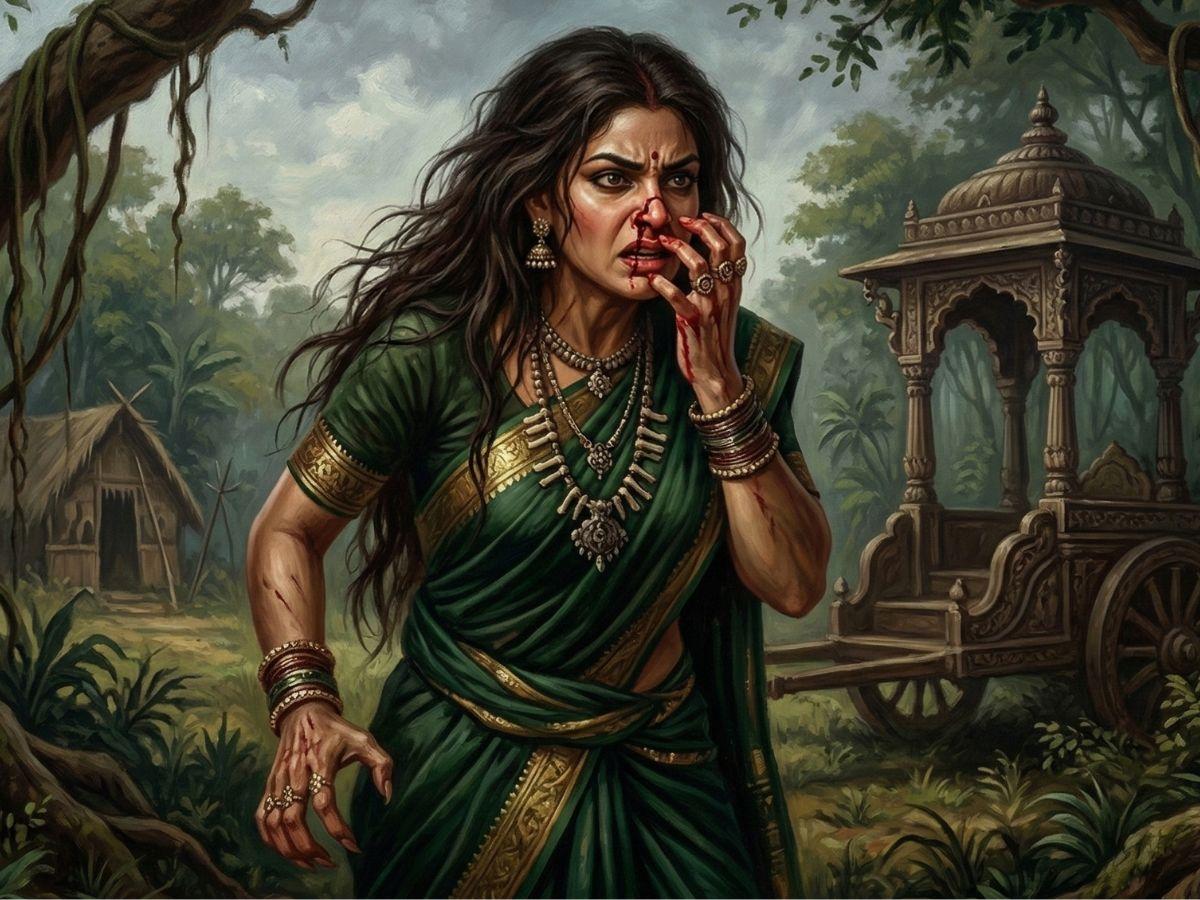
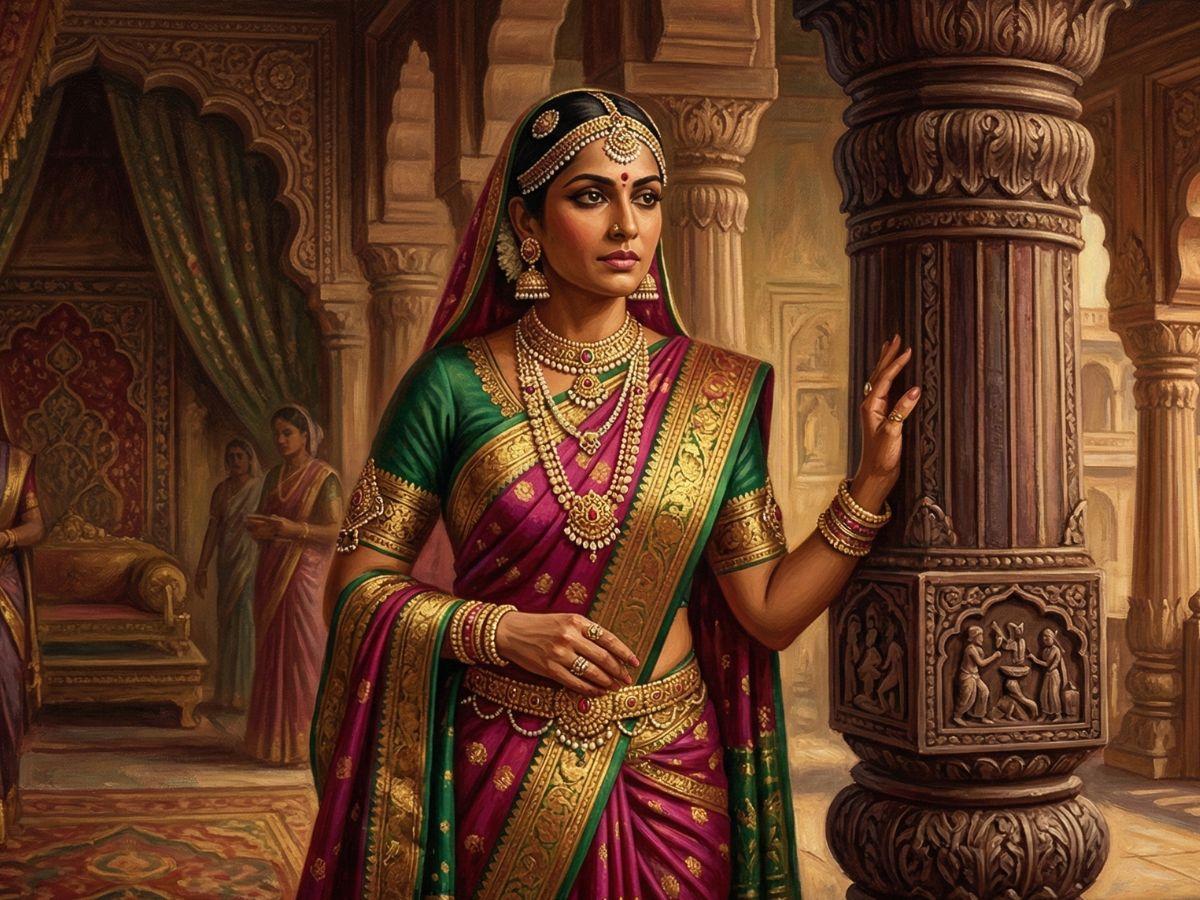
Kaikeyi : The Queen Who Changed the Story
Kaikeyi plays a crucial role in shaping the events of the Ramayana.
Influenced by her maid Manthara, Kaikeyi demands that Rama be exiled for fourteen years and that her son Bharata be made king.
Although her decision causes great suffering, Kaikeyi later regrets her actions. Her character reflects how manipulation and misunderstanding can lead to disastrous outcomes.
Vibhishana : The Righteous Brother of Ravana
Vibhishana is Ravana’s younger brother who chooses the path of righteousness.
When Ravana refuses to return Sita to Rama, Vibhishana advises him to avoid war. After Ravana ignores his advice, Vibhishana joins Rama’s side and helps defeat Ravana.
Vibhishana’s character symbolizes the importance of choosing truth and morality over family loyalty when necessary.
Sugriva : The Monkey King
Sugriva is the ruler of the monkey kingdom and an important ally of Rama.
Rama helps Sugriva regain his throne from his brother Vali, and in return Sugriva assists Rama in the search for Sita.
Vali : The Mighty Warrior
Vali is Sugriva’s brother and a powerful warrior.
Vali is eventually defeated by Rama to help Sugriva reclaim his kingdom. His character illustrates themes of power, conflict, and justice.
The Importance of Ramayana Characters
The characters of the Ramayana are not just figures in a story. Each one represents important human qualities and moral lessons.
- Rama represents righteousness and leadership
- Sita symbolizes purity and strength
- Hanuman represents devotion and courage
- Lakshmana shows loyalty and sacrifice
- Ravana demonstrates how pride can lead to downfall
Together, these characters create a timeless narrative that continues to inspire people across generations.
Frequently Asked Questions (FAQs)
The Ramayana features several important Characters of Ramayana who drive the story. The central figure is Rama, the prince of Ayodhya and the hero of the epic. His wife Sita represents purity and devotion.
Rama’s loyal brother Lakshmana accompanies him during exile, while Hanuman becomes one of his greatest allies. The main antagonist is Ravana, whose kidnapping of Sita leads to the great war in Lanka.
Hanuman plays a crucial role in helping Rama find and rescue Sita.
Hanuman possesses extraordinary powers such as immense strength, the ability to fly, shape-shifting, and great intelligence. He famously leaps across the ocean to reach Lanka and delivers Rama’s message to Sita. His unwavering devotion makes him a symbol of loyalty, courage, and spiritual devotion.
Kaikeyi demanded Rama’s exile after being influenced by her maid Manthara.
Kaikeyi reminded King Dasharatha of two promises he had once made to her. She used these promises to request that her son Bharata be crowned king and that Rama be sent into exile for fourteen years.
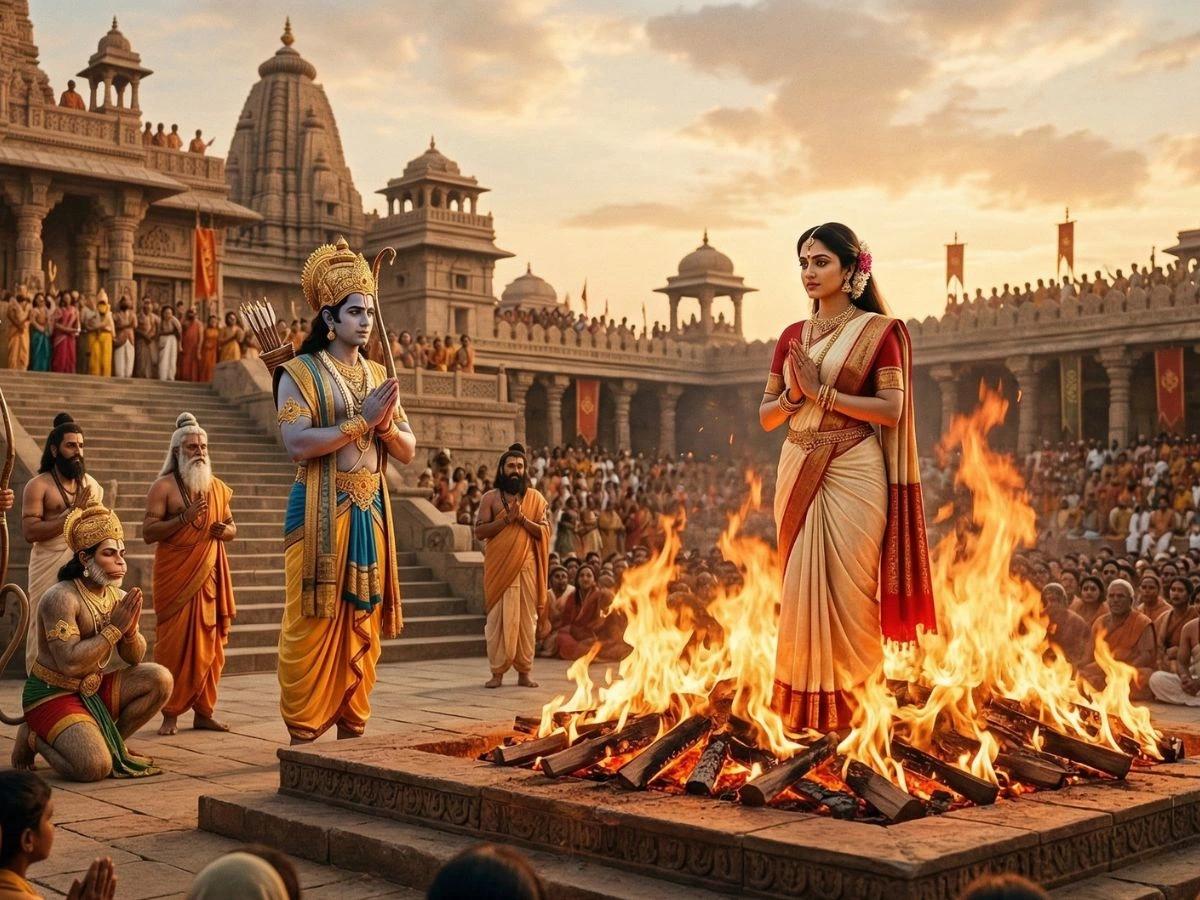
After rescuing Sita from Ravana, Rama asked her to undergo the Sita Agnipariksha to prove her purity publicly.
According to traditional interpretations, Rama made this decision not out of personal doubt but to address possible suspicions from society and maintain the honor of the royal family
In many versions of the Ramayana, Sita is described as entering the fire to prove her purity. However, she emerges unharmed when Agni appears and confirms her innocence.
Some interpretations also suggest the “Maya Sita” theory, where the real Sita was protected by Agni and only a divine illusion was abducted by Ravana.
The Sita Agnipariksha symbolizes truth, purity, and divine justice. Fire is traditionally considered a purifier in many cultures.
Sita’s willingness to undergo the trial demonstrates her courage, faith, and moral integrity.
Ravana kidnapped Sita using a clever plan.
He first sent a magical golden deer to distract Rama and Lakshmana. When Sita was left alone, Ravana arrived disguised as a sage and abducted her, taking her to Lanka
Lava and Kusha were the twin sons of Rama and Sita.
They were raised by the sage Valmiki in his ashram. Later, they became great warriors and eventually reunited with their father Rama in Ayodhya.
Manthara is often portrayed as the villain who influenced Kaikeyi to demand Rama’s exile.
However, some modern interpretations suggest that Manthara acted out of loyalty toward Kaikeyi and her son Bharata. While her actions caused major consequences, scholars debate whether she was purely evil or simply protecting her queen’s interests.
Conclusion
The Ramayana is much more than an ancient epic it is a guide to life, filled with meaningful stories and unforgettable characters. From the noble Rama to the devoted Hanuman and the powerful yet flawed Ravana, each character plays an essential role in shaping the narrative.
Understanding the characters of the Ramayana helps readers appreciate the deeper messages of the epic, including the importance of duty, devotion, truth, and moral integrity.
Even today, the lessons from these characters continue to influence culture, literature, and spiritual thought around the world.
For more information you may visit tirth.com