On this page10 sections
- Who Was Surpanakha in Ramayana?
- Surpanakha’s Encounter with Rama and Lakshmana
- Lakshmana Punishes Surpanakha
- Surpanakha’s Role in the Kidnapping of Sita
- Why Surpanakha Is an Important Character
- Symbolic Meaning of Surpanakha’s Character
- Modern Interpretations of Surpanakha
- Lessons from Surpanakha’s Story
- Frequently Asked Questions (FAQs)
- Conclusion
- Sources and review
Among these characters is Surpanakha, a figure whose actions play a crucial role in triggering the central conflict of the epic.
Although Surpanakha appears only briefly in the narrative, her actions ultimately lead to the dramatic events that unfold later in the story, including the kidnapping of Sita, Deity page on Tirth and the great war between Rama and Ravana.
In short
Although Surpanakha appears only briefly in the narrative, her actions ultimately lead to the dramatic events that unfold later in the story, including the kidnapping of Sita, Deity page on Tirth and the great war between Rama and Ravana.
Who Was Surpanakha in Ramayana?
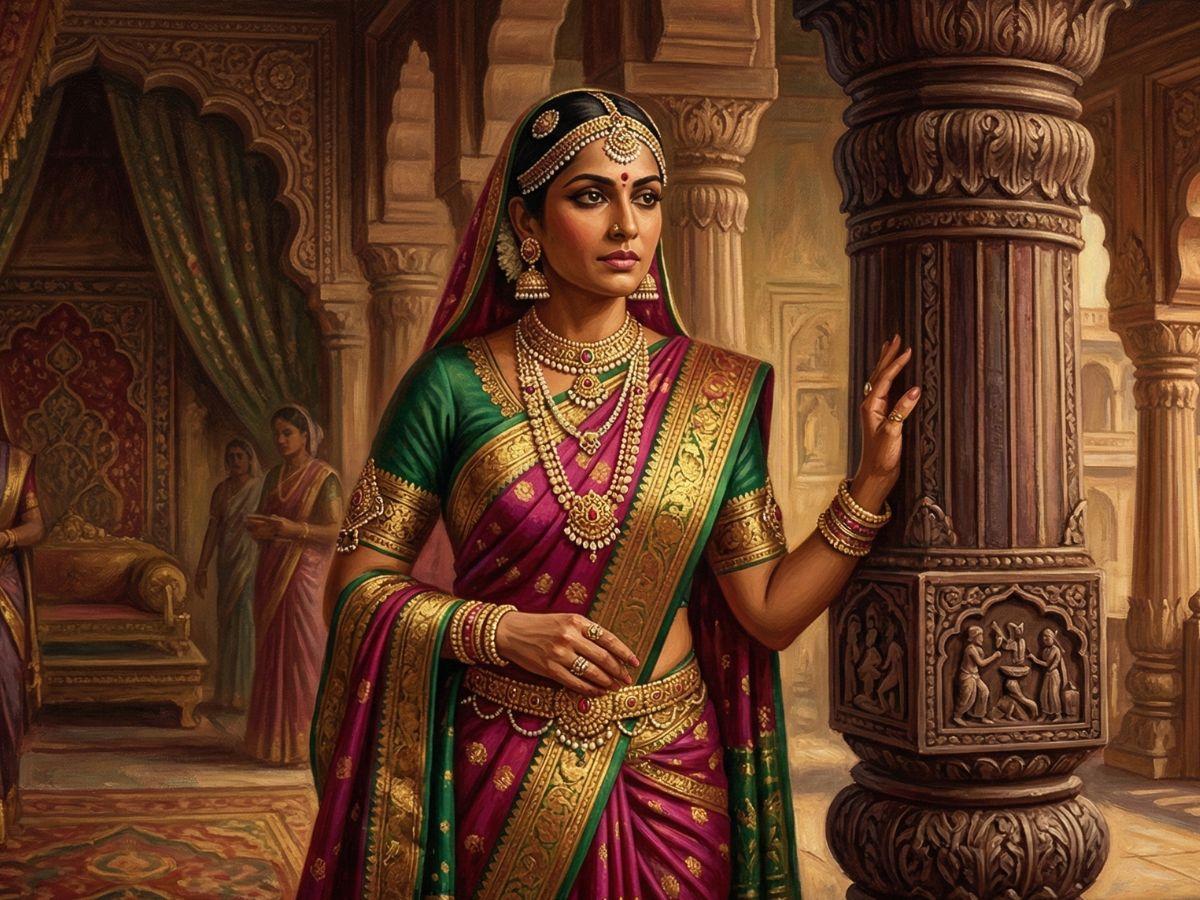
Surpanakha was the sister of the demon king Ravana, as well as the sibling of Kumbhakarna and Vibhishana. She belonged to the race of Rakshasas, powerful beings often portrayed as demons in Hindu mythology.
In many versions of the Ramayana, Surpanakha is described as having the ability to change her appearance through magical powers. This shape-shifting ability allows her to appear either beautiful or terrifying depending on the situation.
Her name “Surpanakha” literally means “one with nails like winnowing baskets,” symbolizing her fierce and intimidating nature.
Surpanakha’s Encounter with Rama and Lakshmana
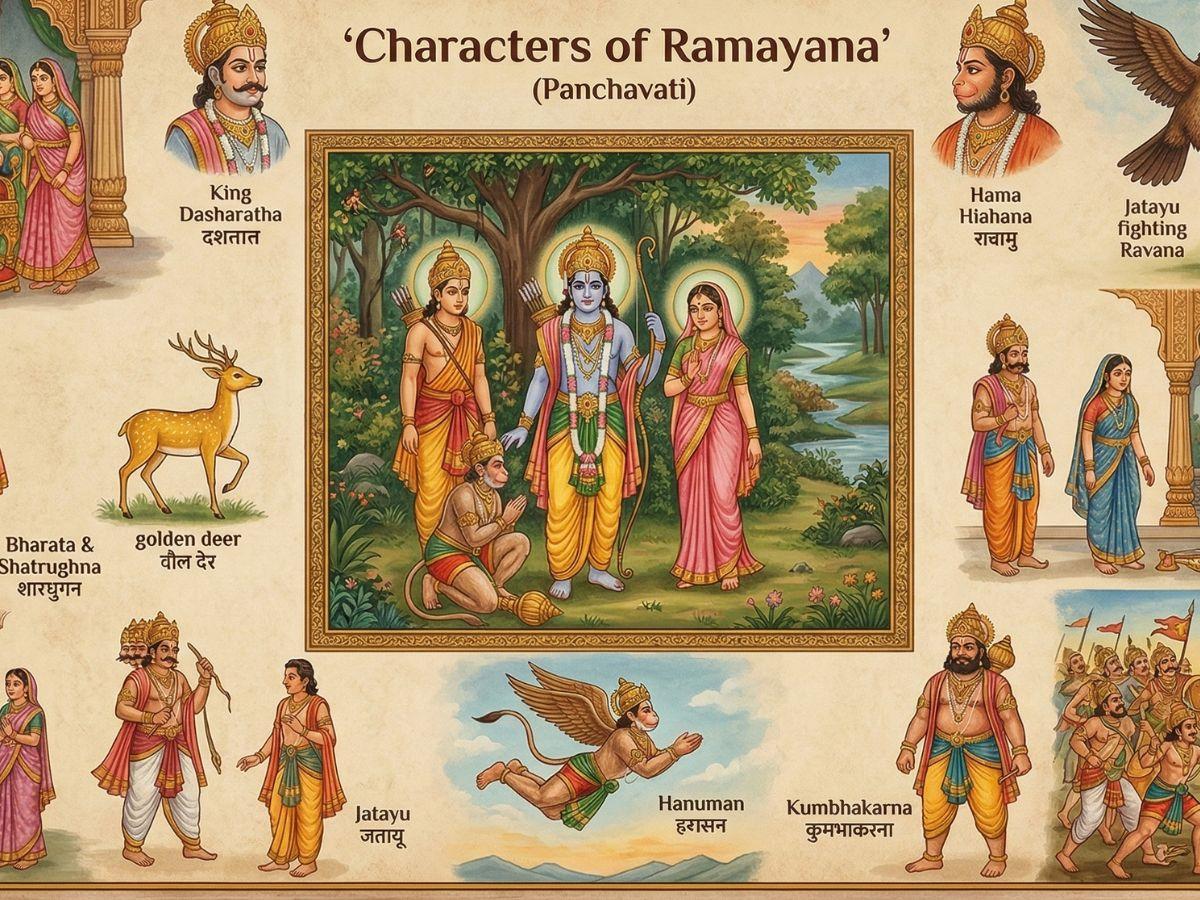
The most important moment involving Surpanakha occurs during the exile of Rama, Deity page on Tirth, Sita, and Lakshmana in the forest.
While wandering through the forest near Panchavati, Surpanakha sees Rama and becomes attracted to his handsome appearance. She approaches Rama and proposes marriage to him.
However, Rama politely declines her proposal, explaining that he is already married to Sita. He jokingly suggests that she should approach Lakshmana instead.
Surpanakha then turns to Lakshmana and proposes marriage to him as well. Lakshmana also rejects her proposal.
Feeling insulted and humiliated, Surpanakha becomes furious and attempts to attack Sita out of jealousy.
Lakshmana Punishes Surpanakha
When Surpanakha tries to harm Sita, Lakshmana intervenes to protect her.
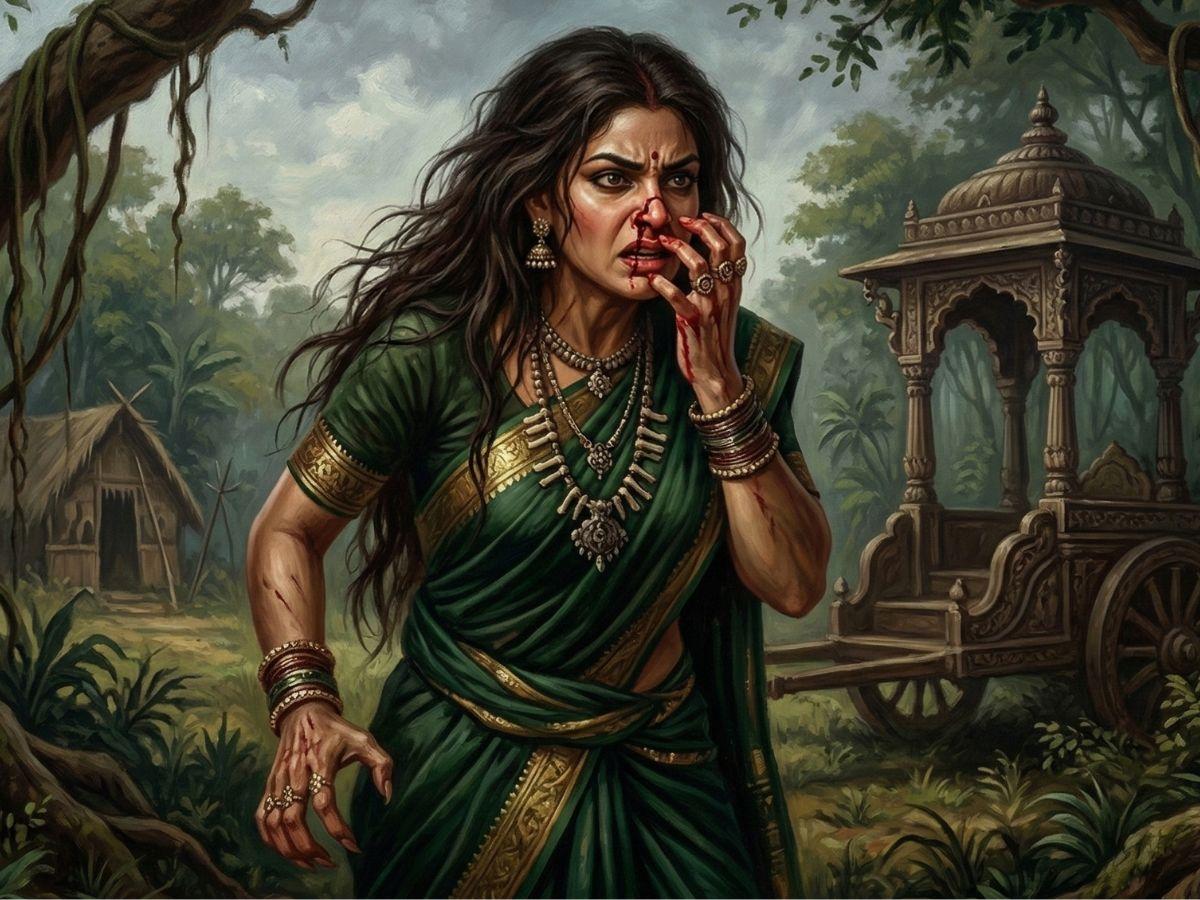
As punishment, Lakshmana cuts off Surpanakha’s nose and ears. This act humiliates Surpanakha and fills her with anger and a desire for revenge.
This moment becomes a turning point in the Ramayana, as Surpanakha soon seeks help from her powerful brother Ravana.
Surpanakha’s Role in the Kidnapping of Sita
After being humiliated, Surpanakha goes to Lanka and complains to Ravana.
She tells Ravana about Rama and Lakshmana and describes Sita’s beauty in great detail. According to the story, Surpanakha’s description of Sita’s beauty sparks Ravana’s desire to possess her.
Motivated by revenge and pride, Ravana devises a plan to kidnap Sita. This leads to one of the most famous events in the Ramayana—the abduction of Sita and the war that follows.
Thus, Surpanakha’s actions directly trigger the central conflict of the epic.
Why Surpanakha Is an Important Character
Although Surpanakha appears for a short time in the story, her role is extremely significant.
Her actions set off a chain reaction of events that ultimately lead to the battle between Rama and Ravana. Without Surpanakha’s encounter with Rama and Lakshmana, the kidnapping of Sita might never have occurred.
In many ways, Surpanakha acts as a catalyst who moves the story forward.
Symbolic Meaning of Surpanakha’s Character
The character of Surpanakha can also be interpreted symbolically.
Some scholars view her as representing uncontrolled desire and impulsive behavior. Her sudden attraction to Rama and her anger after rejection demonstrate the consequences of acting on emotions without restraint.
Others interpret her character as a reminder of how small incidents can lead to major consequences. A single moment of anger or revenge can change the course of events dramatically.
Modern Interpretations of Surpanakha
In modern literature and discussions, Surpanakha’s character is often re-examined from different perspectives.
Some scholars believe she has been unfairly portrayed as a villain. They argue that her actions were driven by emotions such as love, rejection, and humiliation, which are common human experiences.
From a feminist perspective, some interpretations suggest that Surpanakha’s punishment was harsh and reflected societal attitudes toward women who openly expressed desire.
These alternative interpretations show that the Ramayana continues to inspire debate and reflection even in modern times.
Lessons from Surpanakha’s Story
Surpanakha’s story in the Ramayana offers several important lessons.
First, it highlights how anger and revenge can lead to destructive consequences. Her desire for revenge eventually leads to a devastating war.
Second, the story shows how individual actions can have far-reaching effects. A small incident in the forest eventually results in the fall of the powerful kingdom of Lanka.
Finally, Surpanakha’s character reminds readers that every figure in the Ramayana, whether hero or villain, plays an essential role in shaping the epic narrative.
Frequently Asked Questions (FAQs)
Ravana sought revenge after his sister Surpanakha was humiliated by Lakshmana, who cut off her nose when she tried to attack Sita.
Surpanakha complained to Ravana and described Sita’s extraordinary beauty. This not only angered Ravana but also filled him with desire to possess Sita. As a result, Ravana decided to take revenge on Rama by kidnapping Sita.
The Lakshman Rekha is a magical line drawn by Lakshmana around the hut to protect Sita while he went to help Rama.
The line acted as a protective boundary that no demon could cross. However, when Ravana came disguised as a sage and asked for alms, Sita stepped outside the boundary to help him. This allowed Ravana to capture her.
Symbolically, Lakshman Rekha represents boundaries, protection, and the consequences of crossing limits.
After kidnapping Sita, Ravana took her to his kingdom of Lanka and kept her in a garden known as Ashoka Vatika.
Despite Ravana’s repeated attempts to persuade her to marry him, Sita remained loyal to Rama and refused his offers. She patiently waited for Rama to rescue her.
During this time, Hanuman eventually found Sita in Lanka and delivered Rama’s message to her, giving her hope that help was on the way.
After Rama and Lakshmana returned to their hut, they found that Sita was missing.
Soon they encountered the dying eagle Jatayu, who had tried to stop Ravana from kidnapping Sita. Before dying, Jatayu informed Rama that Ravana had taken Sita to Lanka.
This revelation motivated Rama to begin his journey to rescue Sita.
Surpanakha played a key role in triggering the events that led to Sita’s abduction.
After being rejected by Rama and Lakshmana, and having her nose cut off by Lakshmana, Surpanakha went to her brother Ravana and complained about the insult.
She also described Sita’s beauty, which sparked Ravana’s desire to abduct her. This event ultimately led to the central conflict of the Ramayana.
Conclusion
The role of Surpanakha in the Ramayana may seem small at first, but her actions have a profound impact on the story. Her encounter with Rama, Lakshmana, and Sita ultimately sets the stage for the epic conflict with Ravana.
Despite being portrayed as a villain in traditional narratives, Surpanakha remains an important and complex character whose role drives the story forward.
Her story reminds us that even minor characters can influence the course of great events, making the Ramayana a rich and multi layered epic that continues to captivate readers across generations.
For more information you may visit tirth.com