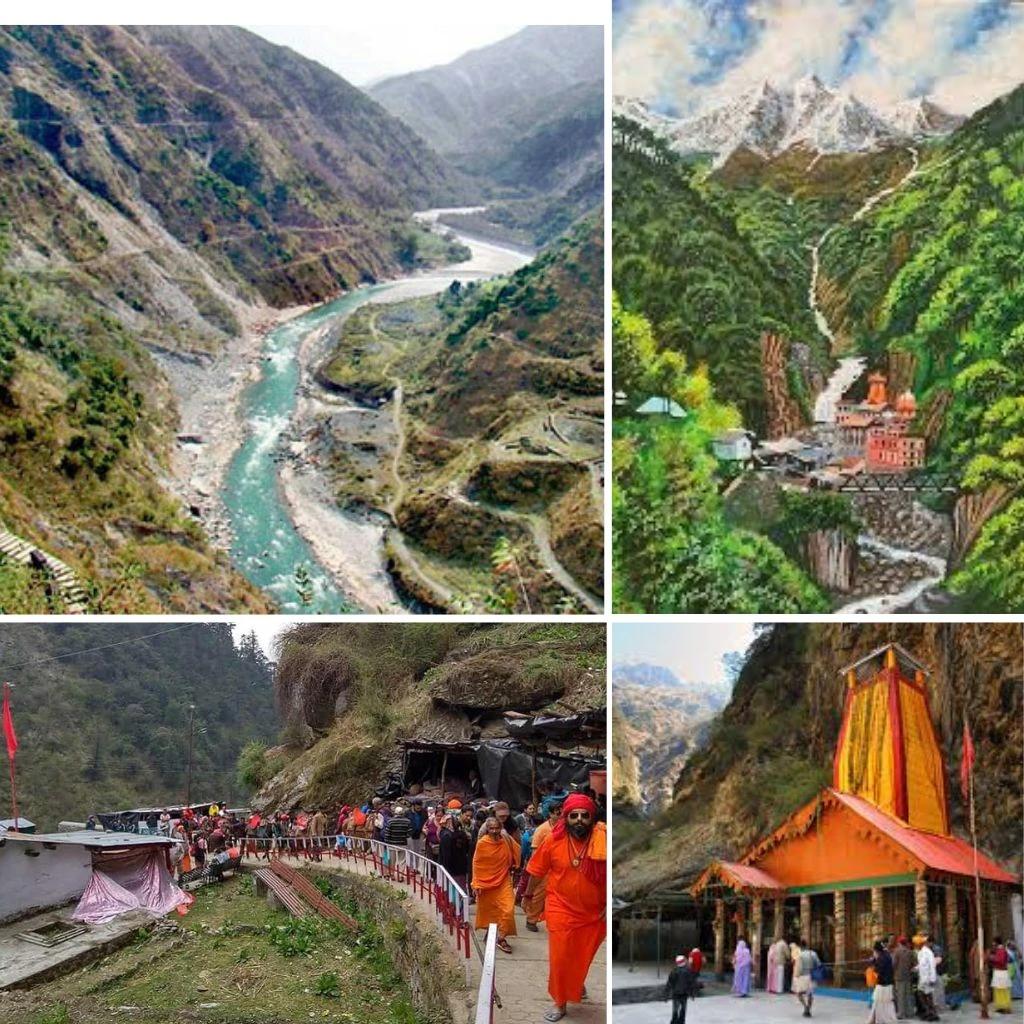
Understanding the month-wise weather conditions will help you choose the best time for your yatra, avoid risky travel periods, and pack appropriately for the journey.
Yamunotri Temple sits at an altitude of approximately 3,200 meters (10,500+ feet) above sea level in the Uttarkashi district of Uttarakhand. Due to its high-altitude Himalayan location, the weather here is:
- Cold for most of the year
- Pleasant during peak summer
- Rainy and risky during monsoon
- Extremely snowy in winter
The temple generally opens in April or May (on Akshaya Tritiya) and closes around October or November (on Bhai Dooj). During winter, the temple area becomes inaccessible due to heavy snowfall.
Yamunotri Temple Weather
April : Pre Opening Chill
April marks the beginning of seasonal transition in the Himalayas. Snow starts melting slowly, but the region remains quite cold.
Weather Conditions:
- Temperature: 0°C to 10°C
- Snow patches still visible
- Cold winds
- Limited road access in early April
The temple usually opens toward the end of April. Early visitors must be prepared for freezing mornings and evenings.
Travel Tip: Carry heavy woolens and check road conditions before departure.
May : Temple Opening & Pleasant Weather
May is when the yatra season officially begins. The weather becomes relatively stable, and snow clears from trekking paths.
Weather Conditions:
- Temperature: 5°C to 18°C
- Clear skies
- Comfortable daytime weather
- Cold nights
May is one of the best months to visit Yamunotri. The trekking route from Janki Chatti becomes more accessible, and darshan conditions improve.
Crowd Level: High (opening month attracts many pilgrims)
June : Peak Yatra Season
June offers the most favorable weather conditions of the year.
Weather Conditions:
- Temperature: 8°C to 20°C
- Clear mountain views
- Moderate sunlight
- Cool breeze
This is the most popular month for pilgrimage. Families, senior citizens, and group travelers prefer June because of stable weather.
Advantages:
- Safe trekking conditions
- Scenic Himalayan views
- Accessible roads
Disadvantage: Heavy crowd and higher accommodation demand.
July : Monsoon Begins
July marks the start of the monsoon season in Uttarakhand.
Weather Conditions:
- Temperature: 10°C to 18°C
- Heavy rainfall
- Slippery trekking paths
- Landslide-prone roads
Although the temple remains open, travel becomes risky.
Challenges
- Road blockages
- Sudden rainfall
- Delayed transport
- Reduced visibility
Pilgrims must monitor weather forecasts carefully.
August : Peak Monsoon Risk
August continues with intense rainfall in the region.
Weather Conditions:
- Temperature: 10°C to 17°C
- Continuous rain
- Cloudy skies
- High landslide probability
This is considered the least recommended month for visiting Yamunotri.
Why Avoid August?
- Travel uncertainty
- Safety risks
- Trekking discomfort
- Frequent road closures
Only experienced travelers who can handle unpredictable weather should consider visiting.
September : Post Monsoon Beauty
September is one of the most beautiful times to visit Yamunotri.
Weather Conditions:
- Temperature: 5°C to 15°C
- Clear skies after monsoon
- Lush greenery
- Fresh mountain air
The rainfall reduces significantly, and the surroundings look vibrant and scenic.
Advantages:
- Less crowd compared to June
- Stable weather
- Excellent photography opportunities
Many seasoned travelers consider September the ideal balance between good weather and manageable crowd levels.
October : Cold Returns & Temple Closing
October marks the end of the pilgrimage season.
Weather Conditions:
- Temperature: 0°C to 12°C
- Very cold mornings and nights
- Occasional early snowfall
- Dry air
The temple closes around late October or early November.
Crowds decrease, making darshan peaceful. However, the cold intensifies quickly as winter approaches.
Important: Always check official temple closing dates before planning.
November to March : Heavy Snowfall & Closure
During winter, Yamunotri becomes completely inaccessible.
Weather Conditions:
- Temperature: -5°C to 5°C
- Heavy snowfall
- Roads blocked
- No accommodation available
The idol of Goddess Yamuna is shifted to a winter location for worship. Pilgrimage activities stop entirely in Yamunotri during these months.
Travel is not possible due to extreme weather.
Best Time to Visit Yamunotri Temple
Based on weather analysis:
Best Overall Months:
- May
- June
- September
Best for Pleasant Climate:
June
Best for Scenic Beauty:
September
Best for Less Crowd:
Late September to early October
Avoid:
July and August (monsoon risks)
Weather Challenges at Yamunotri
1. Sudden Temperature Drop
Mountain weather changes quickly. Even in summer, evenings can be freezing.
2. Landslides
Common during monsoon. Roads between Barkot and Janki Chatti are vulnerable.
3. High Altitude Effects
Some pilgrims may experience breathlessness or fatigue due to elevation.
4. Snowfall Risk in October
Unexpected snowfall may disrupt travel plans.
Always keep buffer days in your itinerary.
Packing Guide According to Season
Summer (May:June)
- Light woolen jacket
- Comfortable trekking shoes
- Sunglasses
- Sunscreen
- Water bottle
Monsoon (July:August)
- Waterproof raincoat
- Poncho
- Anti-slip footwear
- Extra clothes
- Waterproof bag covers
Autumn (September : October)
- Heavy woolens
- Thermal wear
- Gloves
- Woolen cap
- Moisturizer & lip balm
Travel Tips for Different Weather Conditions
- Start your trek early in the morning.
- Avoid afternoon trekking during monsoon.
- Keep emergency contact numbers saved.
- Follow local administration guidelines.
- Check the weather forecast daily.
- Carry required medicines for altitude discomfort.
Why Weather Planning is Important for Yamunotri Yatra
Unlike city travel, Himalayan pilgrimage requires climate awareness. Poor planning can result in:
- Health issues
- Road delays
- Missed darshan
- Safety risks
Frequently Asked Questions (FAQs)
1. What is the coldest month in Yamunotri?
January is typically the coldest month, with temperatures dropping below freezing and heavy snowfall.
2. When does Yamunotri Temple open?
The temple usually opens in April or May on Akshaya Tritiya.
3. Is it safe to visit Yamunotri during monsoon?
Travel is risky due to landslides and heavy rainfall. It is better to avoid July and August.
4. Does it snow in Yamunotri?
Yes, heavy snowfall occurs from November to March.
5. Which month has the least crowd?
Late September and early October generally have fewer pilgrims.
Conclusion
Yamunotri Temple’s weather plays a major role in shaping your pilgrimage experience. While the summer months offer comfort and accessibility, the post monsoon season provides unmatched scenic beauty.
Avoid peak monsoon risks, prepare according to seasonal climate, and always respect the Himalayan environment.
Careful weather planning ensures that your visit to Yamunotri Temple becomes a safe, comfortable, and spiritually fulfilling journey.
For more information you may visit tirth.com