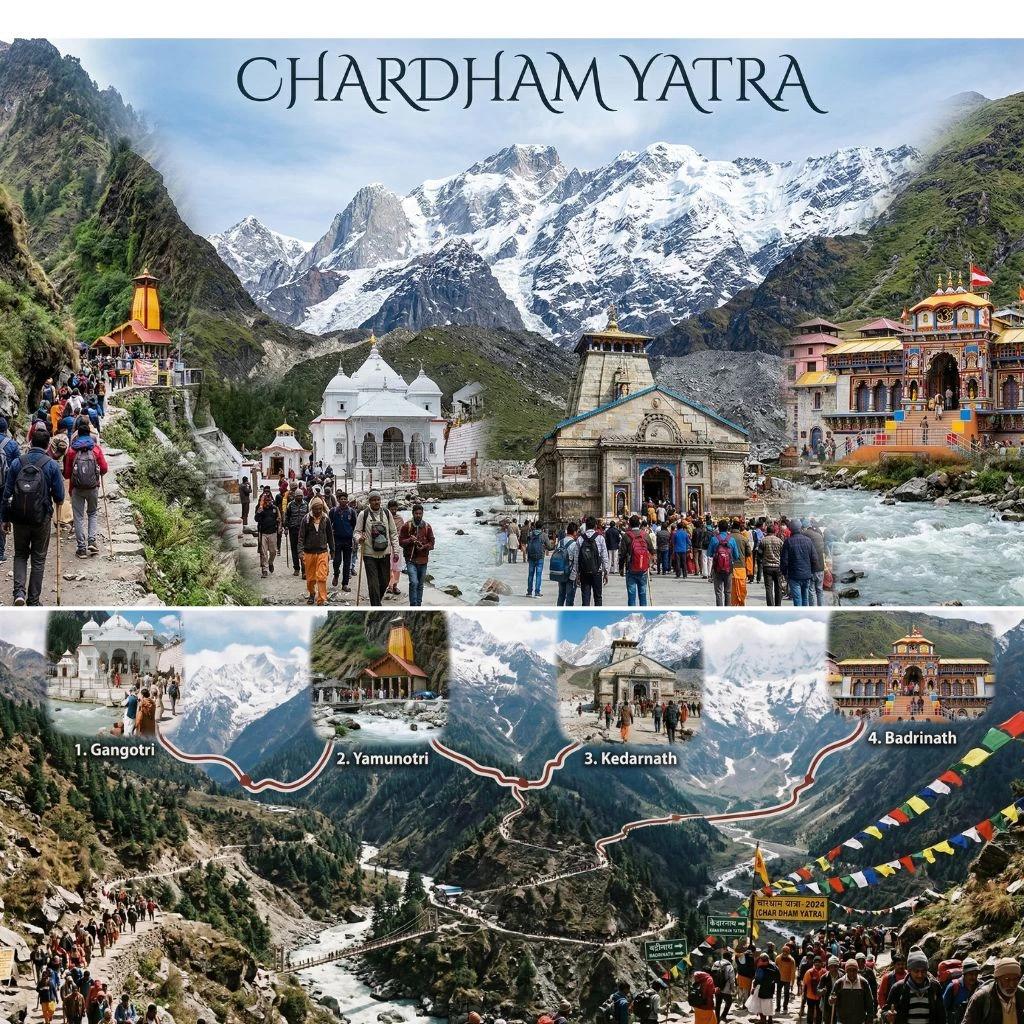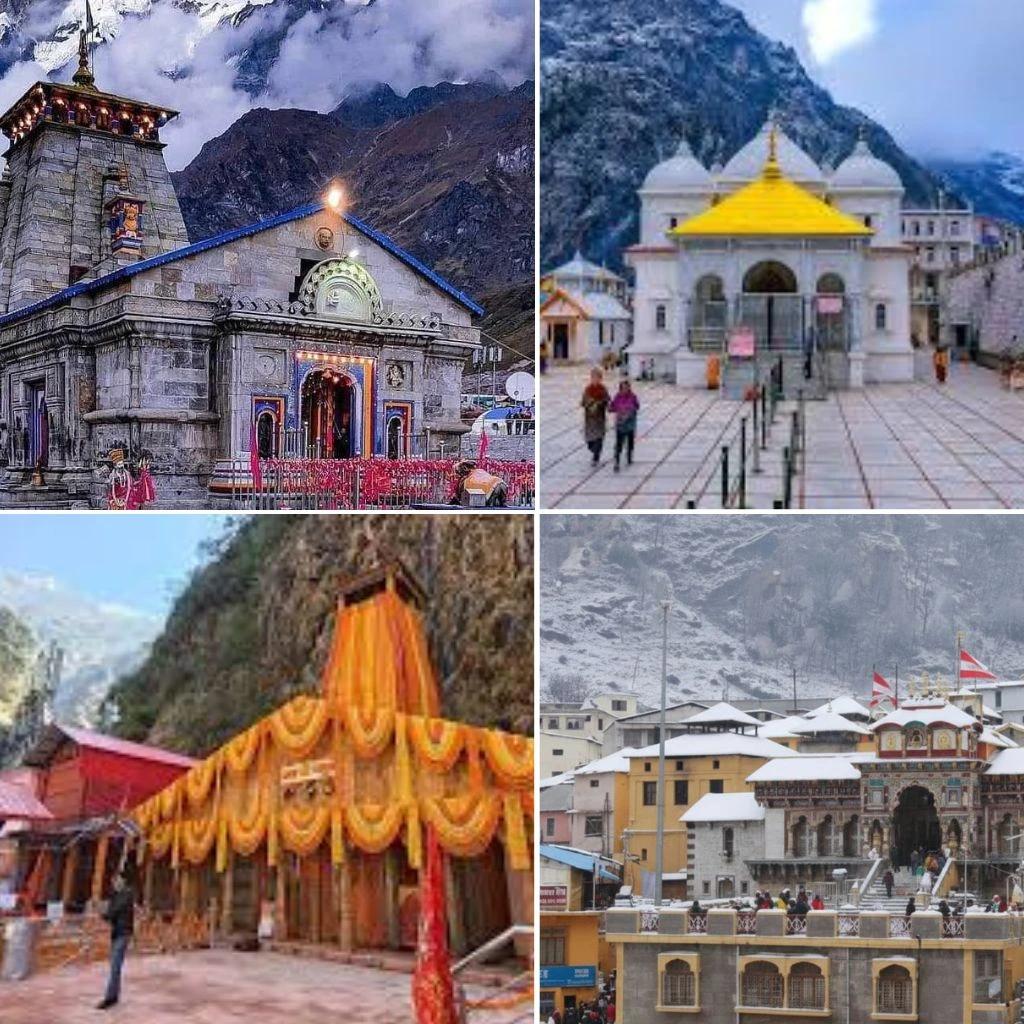
Among these, Gangotri and Yamunotri are dedicated to the origins of two sacred rivers : the Ganga and the Yamuna. While both are spiritually powerful and geographically located in Uttarakhand, they differ significantly in accessibility, mythology, rituals, trekking requirements, and overall travel experience.
If you are planning your Char Dham Yatra in 2026 and wondering which shrine to visit first or how they differ, this detailed comparison guide will help you make an informed decision.
Quick Comparison: Gangotri vs Yamunotri
| Feature | Gangotri | Yamunotri |
| River Origin | Bhagirathi (Ganga) | Yamuna River |
| Altitude | Approx. 3,100 meters | Approx. 3,293 meters |
| Road Access | Direct road to temple | 5–6 km trek required |
| Trek Difficulty | Minimal | Moderate |
| Spiritual Focus | Moksha & purification | Devotion & protection |
| Crowd Level | High | Moderate |
1. Location & Accessibility Difference
Gangotri Location
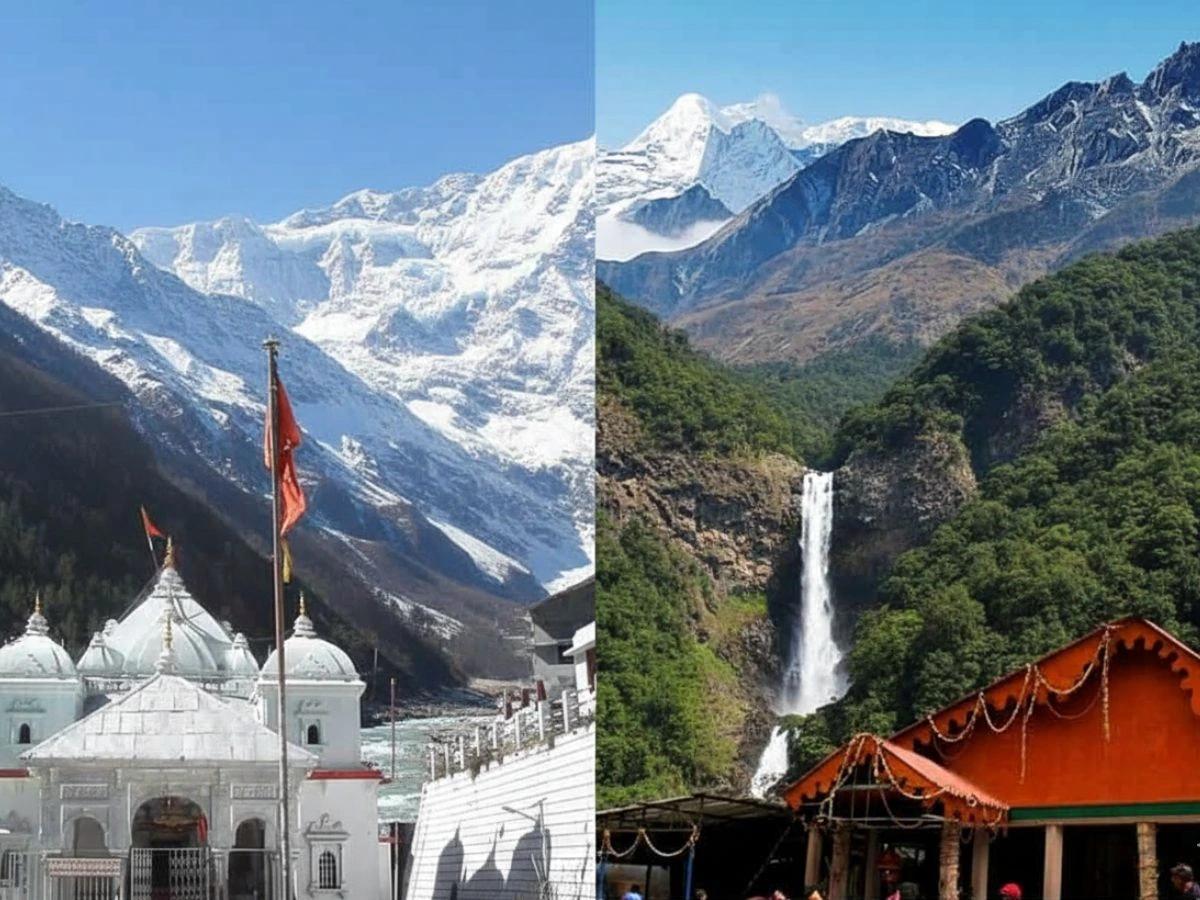
Gangotri Dham is located in the Uttarkashi district of Uttarakhand at an altitude of around 3,100 meters. One of its biggest advantages is direct road connectivity up to the temple premises.
Pilgrims can reach Gangotri comfortably by car or bus without any mandatory trekking.
Yamunotri Location
Yamunotri is also situated in Uttarkashi district but at a slightly higher altitude of about 3,293 meters. However, vehicles can only go up to Janki Chatti.
From there, pilgrims must complete a 5 : 6 km uphill trek to reach the temple.
Pony and palanquin (palki) services are available.
2. River Origin & Mythological Significance
Gangotri The Spiritual Source of Ganga
Gangotri is associated with the descent of Goddess Ganga to Earth. The river that flows from here is known as Bhagirathi. The physical source of the river is Gaumukh Glacier, about 18 km from Gangotri.
According to Hindu mythology, King Bhagirath performed intense penance to bring the Ganga down from heaven to liberate his ancestors.
The river symbolizes purification, liberation (moksha), and divine grace
Yamunotri The Birthplace of Yamuna
Yamunotri is the origin of the Yamuna River. In Hindu belief, Goddess Yamuna is the daughter of Surya (the Sun God) and the sister of Yama (the God of Death).
Bathing in the Yamuna is believed to protect devotees from untimely death and grant spiritual blessings.
Spiritual Difference:
- Ganga represents purification and salvation.
- Yamuna represents devotion, protection, and emotional connection.
3. Temple History Comparison
Gangotri Temple
The Gangotri Temple was built in the 18th century by Amar Singh Thapa, a Gorkha commander. The temple is constructed from white granite and stands on the banks of the Bhagirathi River.
It opens every year on Akshaya Tritiya and closes on Bhai Dooj (after Diwali).
Yamunotri Temple
The Yamunotri Temple was originally built by Maharaja Pratap Shah of Tehri Garhwal. Due to harsh weather and natural calamities, it has been rebuilt multiple times.
It also follows the same opening and closing schedule as other Char Dham temples.
4. Trek Difficulty Comparison
Gangotri Trek Requirements
- No mandatory trek to reach the temple
- Suitable for elderly pilgrims
- Optional Gaumukh trek for adventure seekers
Yamunotri Trek Requirements
- 5 .6 km uphill trek from Janki Chatti
- Moderate difficulty
- Pony, palki, and porter services available
5. Rituals & Religious Practices
Rituals at Gangotri
- Evening Ganga Aarti
- Pind Daan rituals
- Sacred river bathing
- Offering Ganga Jal
Rituals at Yamunotri
- Bathing in Surya Kund (hot water spring)
- Offering rice cooked in hot springs as prasad
- Worship at Divya Shila
- Yamuna Devi puja
6. Best Time to Visit
Both Gangotri and Yamunotri open in April/May and close around October/November.
Ideal Months:
- May to June (pleasant weather)
- September to October (less crowd)
Avoid:
- July and August (monsoon landslides)
7. Crowd & Tourism Comparison
Gangotri generally receives a higher number of visitors due to the nationwide significance of the Ganga River.
Yamunotri, while equally sacred, experiences comparatively moderate crowd levels.
If you prefer a slightly quieter pilgrimage, Yamunotri may feel more peaceful.
8. Natural Beauty & Surroundings
Gangotri Landscape
- Snow covered Himalayan peaks
- Bhagirathi river valley
- Wide open mountain views
- Access to Gaumukh glacier trek
Yamunotri Landscape
- Dense forests
- Waterfalls
Thermal hot springs - Narrow mountain trails
Both destinations offer breathtaking Himalayan scenery, but Yamunotri feels more rugged due to the trek.
9. Which Dham Should You Visit First?
The traditional Char Dham pilgrimage order is:
- Yamunotri
- Gangotri
- Kedarnath
- Badrinath
10. Senior Citizens: Which Is Better?
For elderly travelers:
- Gangotri is easier due to road connectivity.
- Yamunotri requires physical effort but palki services help.
Medical consultation is recommended before visiting high-altitude shrines.
| Expense Factor | Gangotri | Yamunotri |
| Travel Cost | Moderate | Moderate |
| Trek Cost | Minimal | Extra (pony/palki) |
| Accommodation | Similar | Similar |
| Food | Basic | Basic |
Overall budget remains similar, but Yamunotri may cost slightly more if trekking assistance is used.
12. Spiritual Experience: Which Feels More Powerful?
- Devotees seeking purification and ancestral rituals may prefer Gangotri.
- Devotees seeking protection and emotional devotion may resonate more with Yamunotri.
Both shrines hold immense spiritual significance within Hindu tradition.
FAQs
1. Which is more important, Gangotri or Yamunotri?
Both are equally important as part of the Char Dham Yatra.
2. Which temple requires trekking?
Yamunotri requires a 5 : 6 km trek, while Gangotri has direct road access.
3. Can both shrines be covered in one trip?
Yes, both can be covered in 2 : 3 days with proper planning.
4. Which is more crowded?
Gangotri generally sees more pilgrims.
5. Is registration required for both?
Yes, Char Dham Yatra registration is mandatory.
Final Conclusion
Gangotri and Yamunotri are both sacred Himalayan shrines dedicated to powerful river goddesses. While Gangotri offers easier access and strong association with moksha and purification, Yamunotri provides a more adventurous experience with a scenic trek and unique hot spring rituals.
For more information you may visit tirth.com