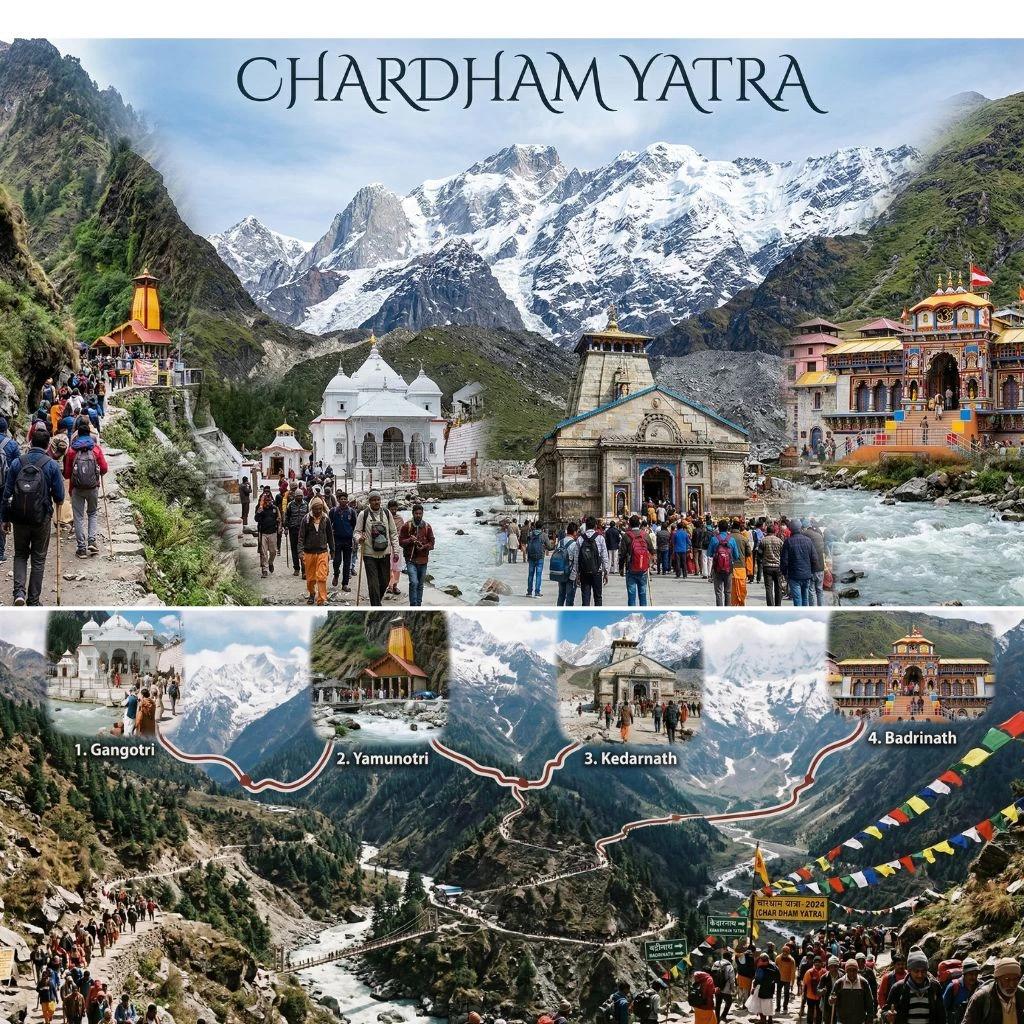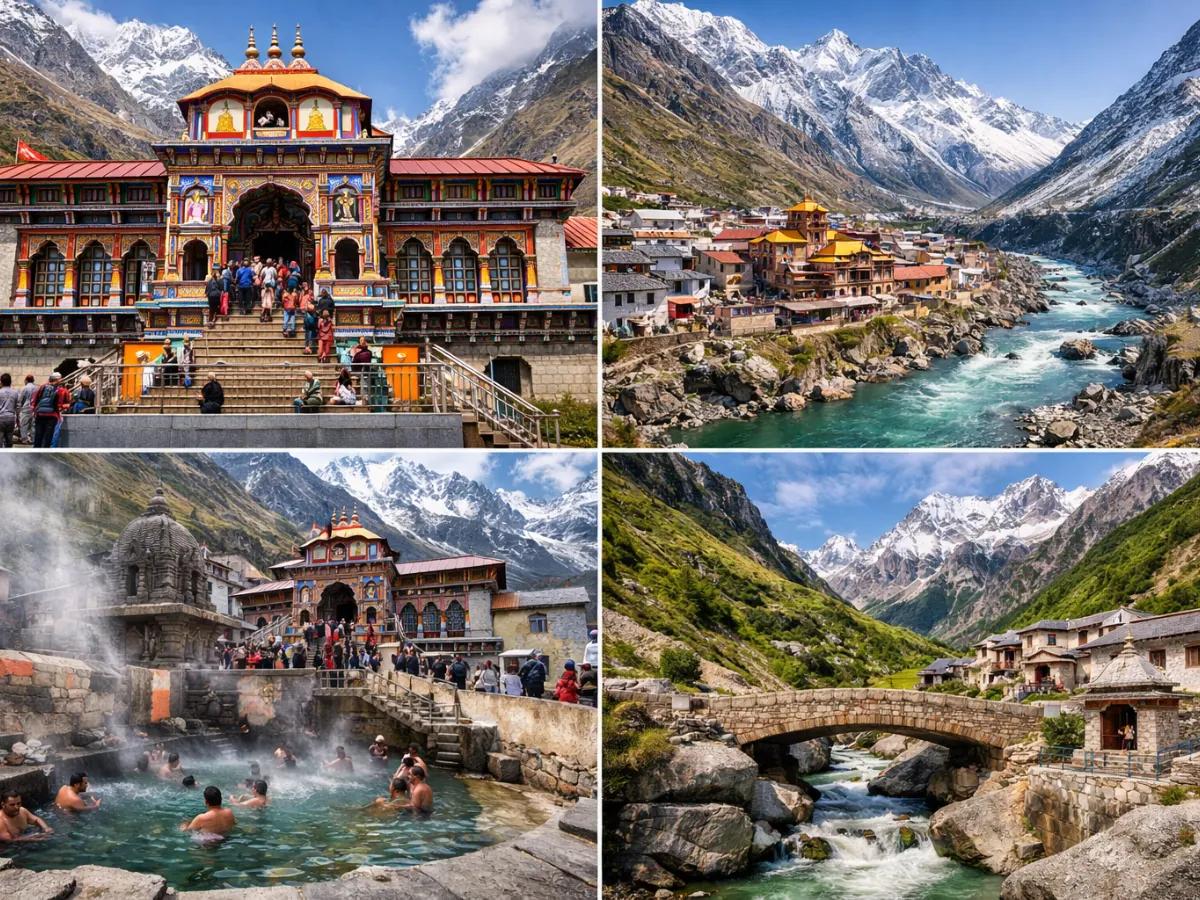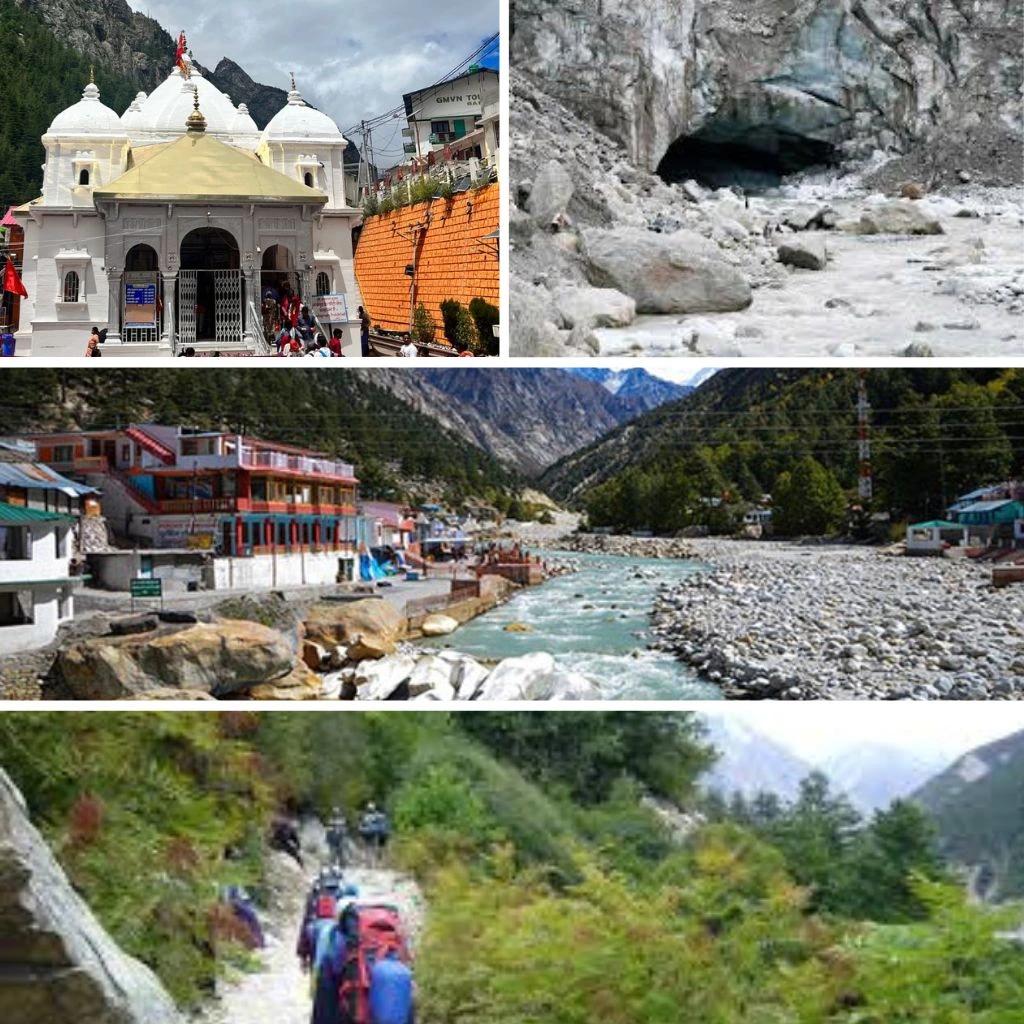
The trek from Gangotri to Gaumukh is one of the most spiritually powerful and visually breathtaking journeys in the Indian Himalayas. It is not just a trekking route : it is a sacred path that leads to the origin of the holy River Ganga.
For pilgrims, it is a spiritual yatra. For trekkers, it is an adventurous Himalayan trail. For nature lovers, it is a raw and untouched landscape filled with snow peaks, glaciers, and alpine forests.
1. Overview of the Gangotri to Gaumukh Trek
The trek starts from Gangotri Dham in Uttarakhand and leads to Gaumukh Glacier, the snout of the Gangotri Glacier and the primary source of the Bhagirathi River (one of the main streams of the Ganga).
- Starting Point: Gangotri
- Ending Point: Gaumukh
- Region: Uttarkashi District, Uttarakhand
- Inside: Gangotri National Park
- Total Distance (one way): Approx. 18 km
- Total Trek Distance (round trip): Approx. 36 km
- Trek Duration: 2:3 days
- Maximum Altitude: Around 4,000 meters (13,200 ft)
This trek is short compared to many Himalayan treks, but the altitude and terrain make it moderately challenging.
2. Distance Breakdown
Here’s how the trek is divided:
Gangotri to Chirbasa : 9 km
- Gradual ascent
- Well-marked trail
- Pine and deodar forests
- Beautiful views of the Bhagirathi peaks
This section is comparatively easier and suitable for beginners with basic fitness.
Chirbasa to Bhojbasa : 5 km
- Less vegetation
- More open landscape
- Rocky terrain
- Cold winds
This stretch starts feeling more Himalayan and rugged.
Bhojbasa to Gaumukh : 4 km
- Steeper and rocky
- Glacial moraine terrain
- Requires careful walking
This final stretch demands caution as the path becomes uneven and rocky.
3. Difficulty Level : Is It Hard?
The Gangotri to Gaumukh trek is classified as:
Moderate Difficulty
Here’s why:
1. Altitude
At 4,000 meters, oxygen levels are lower. Some trekkers may experience mild altitude sickness.
2. Rocky Terrain
The last stretch involves glacier debris and unstable rocks.
3. Weather Conditions
Weather changes quickly. Even in summer, it can become very cold.
4. Limited Facilities
This is not a luxury trek. Facilities are basic, especially beyond Bhojbasa.
However, if you:
- Have decent fitness
- Can walk 8:10 km comfortably
- Acclimatize properly
You can complete this trek without major difficulty.
4. Permit Process : Very Important
Since the trek lies inside Gangotri National Park, you need a permit.
Where to Get Permit?
Forest Department Office at Gangotri
Daily Entry Limit
Only around 150 trekkers per day are allowed (number may vary seasonally).
Required Documents
- Government ID proof
- Passport size photos
Fees
- Entry fee (Indian citizens and foreign nationals have different charges)
- Camera fee (if applicable)
Important Tip
Arrive at Gangotri a day early to secure your permit, especially during peak season (May:June and September:October).
5. Best Time to Do the Trek
The temple at Gangotri opens in summer and closes during winter.
Best Months:
- May to June (Pleasant weather, clear views)
- September to October (Post-monsoon clarity)
Avoid:
- July & August (Heavy rainfall, landslides)
- Winter (Temple closed, heavy snowfall, route inaccessible)
During peak season, the trail becomes busy, so start early in the morning.
6. Accommodation Options
In Gangotri
- Budget guesthouses
- Dharamshalas
- GMVN guest houses
In Bhojbasa
- GMVN Tourist Rest House
- Lal Baba Ashram
- Ram Baba Ashram
- Tent accommodations (seasonal)
Accommodation is basic but manageable.
Advance booking is recommended during peak season.
7. Physical Preparation & Fitness Tips
You should prepare at least 3:4 weeks before the trek.
Focus On:
- Daily walking (5:8 km)
- Stair climbing
- Light jogging
- Breathing exercises
- Squats and lunges
Cardio fitness is more important than strength.
8. What to Pack : Essential Checklist
Clothing
- Warm jacket (even in summer)
- Thermal wear
- Trekking pants
- Woolen cap and gloves
- Rain jacket
Footwear
- Good trekking shoes with grip
- Extra socks
Essentials
- Water bottle
- Energy bars
- Sunscreen
- Sunglasses
- Basic medicines
- Personal first aid kit
Avoid overpacking : carry light but smart.
9. Safety Tips
- Start early in the morning.
- Walk slowly to avoid altitude sickness.
- Stay hydrated.
- Avoid trekking alone.
- Follow marked trails.
- Respect local rules inside the national park.
If you feel dizziness, nausea, or extreme fatigue, descend immediately.
10. Spiritual Significance of Gaumukh
Gaumukh means “Mouth of a Cow.” The glacier resembles a cow’s mouth, and from here the sacred Bhagirathi River emerges.
For Hindu devotees, this place holds immense spiritual value. Many pilgrims perform rituals and meditation near the glacier.
However, due to environmental regulations, pilgrims are not allowed to go too close to the glacier snout.
11. Environmental Guidelines
Gangotri National Park is an eco-sensitive zone.
- No plastic allowed
- Carry back your waste
- Do not disturb wildlife
- No loud music
- Respect nature
Authorities are strict about environmental rules.
13. Can Beginners Do This Trek?
Yes : with preparation.
If you:
- Have basic fitness
- Are mentally prepared
- Acclimatize properly
- Take it slow
You can complete this trek safely.
Hiring a local guide is helpful but not mandatory for experienced trekkers.
14. Common Mistakes to Avoid
- Ignoring acclimatization
- Overpacking
- Starting trek late in the day
- Underestimating weather
- Skipping permit process
Planning properly makes the trek smooth and memorable.
Frequently Asked Questions (FAQs)
1. What is the total distance of the Gangotri to Gaumukh trek?
The total one-way distance from Gangotri Temple to Gaumukh Glacier is approximately 18 km. The round trip distance is about 36 km.
2. How many days are required to complete the trek?
Most trekkers complete the trek in 2 to 3 days:
- Day 1: Gangotri to Bhojbasa
- Day 2: Bhojbasa to Gaumukh and return
Some people add an extra day for better acclimatization.
3. Is a permit required for the Gaumukh trek?
Yes, a permit is mandatory as the trek falls inside Gangotri National Park. You can obtain it from the Forest Department office in Gangotri. There is a daily entry limit, so it is advisable to reach early during peak season.
Conclusion
The trek from Gangotri to Gaumukh is more than just an 18 km journey. It is a walk through faith, glaciers, mountains, and silence.
Standing in front of the massive Gaumukh Glacier, watching the holy river begin its journey, is an experience that stays with you forever.
Whether you go as a pilgrim, trekker, or traveler : this Himalayan trail offers adventure, spirituality, and unforgettable beauty.
If you are planning this trek soon, prepare well, respect nature, and embrace the journey with patience.The mountains reward those who walk slowly.
For more information you may visit tirth.com