On this page9 sections
One such character is Bharata, known for his loyalty and devotion to Rama.
Many readers also ask about Bharata’s family, especially his wife and children. According to Ramayana traditions, Bharata’s wife was Mandavi, and they had two sons named Taksha and Pushkala. These princes later became rulers and founded important kingdoms.
This article explains Mandavi, the sons of Bharata, their kingdoms, and their stories after the Ramayana.
In short
Many readers also ask about Bharata’s family, especially his wife and children. According to Ramayana traditions, Bharata’s wife was Mandavi, and they had two sons named Taksha and Pushkala. These princes later became rulers and founded important kingdoms. This article explains Mandavi, the sons of Bharata, their kingdoms, and their stories after the Ramayana.
Bharata’s Wife Mandavi in Ramayana
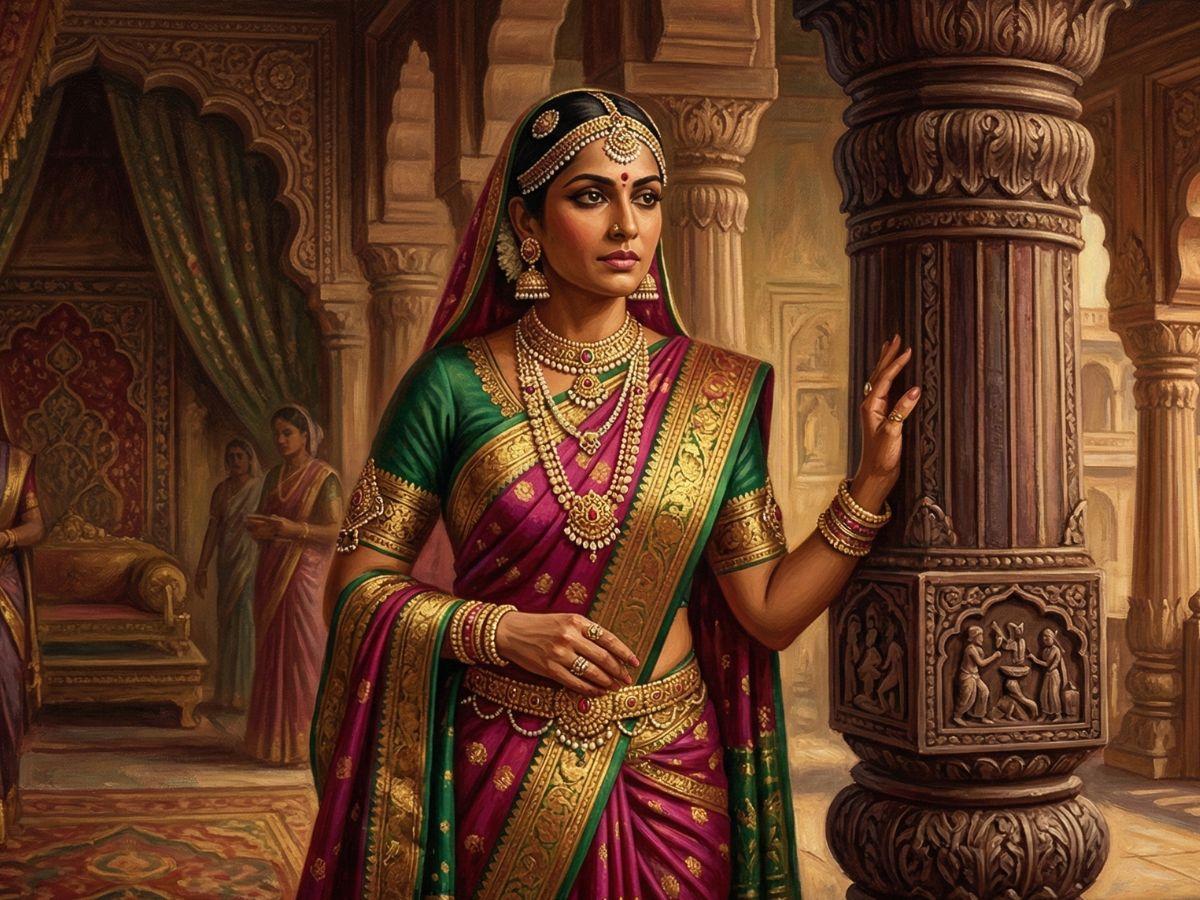
Mandavi was the wife of Bharata.
Background of Mandavi
Mandavi was the daughter of Kushadhwaja, the king of Mithila and brother of Janaka.
This means Mandavi was the cousin of Sita.
Royal Marriages in Ramayana
In the Ramayana, the four brothers married daughters from Mithila:
- Rama married Sita
- Lakshmana married Urmila
- Bharata married Mandavi
- Shatrughna married Shrutakirti
These marriages strengthened the alliance between Ayodhya , Destination on Tirth and the kingdom of Mithila.
Mandavi’s Sons: Taksha and Pushkala
Mandavi and Bharata had two sons:
- Taksha
- Pushkala
These princes played important roles in the continuation of the royal dynasty after the main events of the Ramayana.
Taksha: Son of Bharata
Taksha became a ruler of an important city after the Ramayana.
Kingdom Founded by Taksha
Taksha is believed to have founded or ruled the city of Taxila.
Taxila later became one of the most famous centers of learning in ancient India. Many scholars, philosophers, and students studied there for centuries.
Importance in Ramayana Tradition
The rule of Taksha represents the expansion of the Ikshvaku dynasty, the royal lineage of Rama and his brothers.
Pushkala: Son of Bharata
The second son of Bharata and Mandavi was Pushkala.
Kingdom of Pushkala
Pushkala is associated with the city of Pushkalavati.
According to tradition, this city was named after him and became an important settlement in the Gandhara region.
Story of Taksha and Pushkala After Ramayana
After Rama returned to Ayodhya and began his righteous rule known as Rama Rajya, the next generation of the royal family started ruling different regions.
Expansion of Kingdoms
During this period:
- Taksha established or ruled Taxila
- Pushkala ruled Pushkalavati
These cities were located in the northwestern regions of the ancient Indian subcontinent.
Continuation of the Dynasty
Through Taksha and Pushkala, the lineage of Bharata continued, helping spread the influence of the royal family beyond Ayodhya.
Bharata Sons Kingdoms in Ramayana Traditions
The founding of new kingdoms by Bharata’s sons is often mentioned in later texts and Puranic traditions connected to the Ramayana.
Taxila
Founded or ruled by Taksha, this city later became a major center of education and culture.
Pushkalavati
Founded by Pushkala, this city became an important historical settlement in the Gandhara region.
These stories show how the descendants of the Ramayana heroes helped establish new cities and kingdoms.
Family Lineage of Rama’s Brothers
The descendants of the four brothers continued the royal dynasty.
Rama’s Sons
- Lava
- Kusha
Bharata’s Sons
- Taksha
- Pushkala
Lakshmana’s Sons
- Angada
- Chandraketu
Shatrughna’s Sons
- Subahu
- Shatrughati
This lineage shows how the Ikshvaku dynasty expanded after the events of the Ramayana.
FAQs
Bharata was married to Mandavi, the daughter of King Kushadhwaja of Mithila.
Mandavi had two sons named Taksha and Pushkala.
Taksha ruled Taxila, while Pushkala ruled Pushkalavati.
After Rama’s rule began in Ayodhya, Taksha and Pushkala became rulers of their own cities and continued the royal lineage.
They represent the next generation of the royal family and the expansion of kingdoms connected to the dynasty of Rama.
Conclusion
The story of Bharata, his wife Mandavi, and their sons Taksha and Pushkala adds another layer to the rich tradition of the Ramayana.
Through the founding of cities like Taxila and Pushkalavati, the legacy of Rama’s family , Deity page on Tirthcontinued across generations, symbolizing the spread of righteous rule and cultural heritage.
For more information you may visit tirth.com