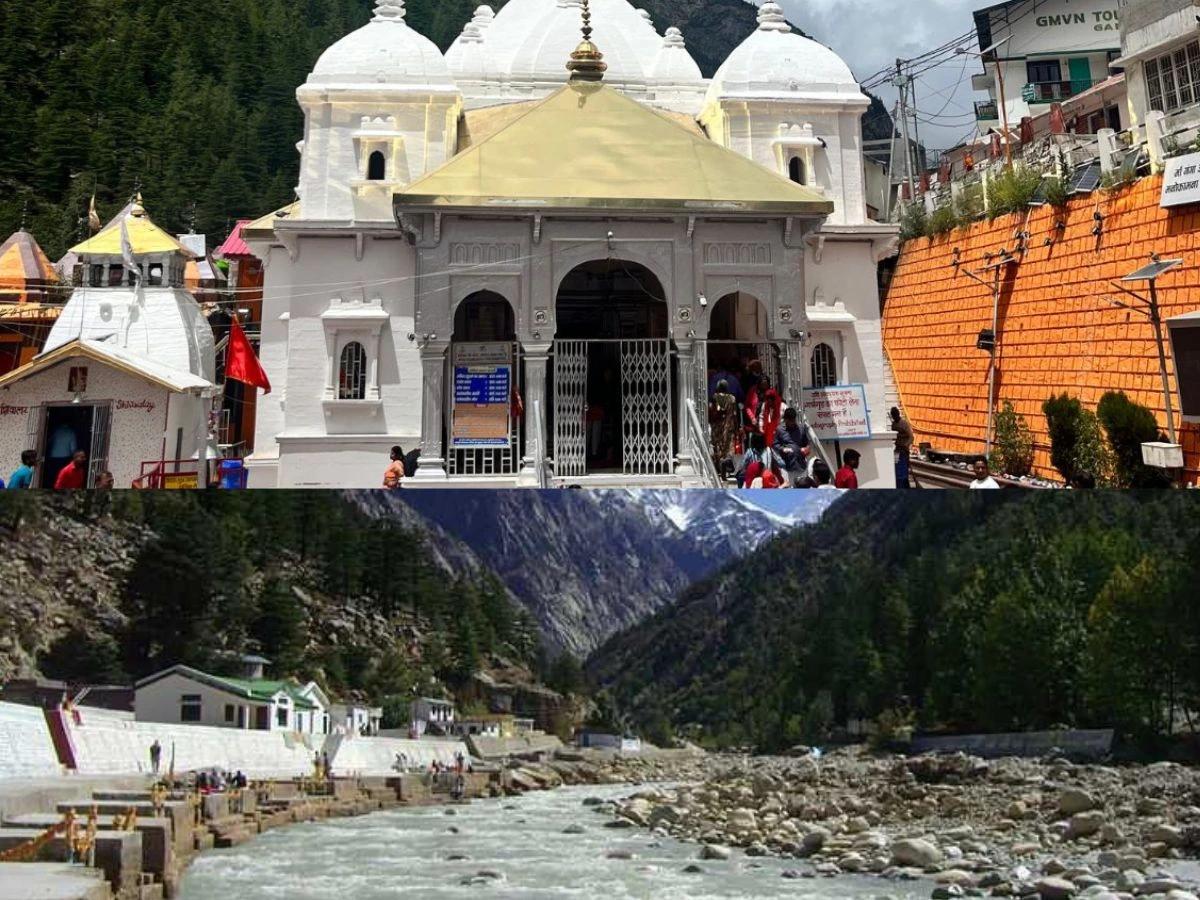
Nestled in the Garhwal Himalayas of Uttarakhand, Gangotri Temple is one of the most sacred pilgrimage sites in India. Situated at an altitude of approximately 3,100 meters, this revered shrine marks the spiritual origin of the holy River Ganga.
Gangotri is not just a temple it is the sacred symbol of purity, devotion, and divine grace that attracts thousands of pilgrims every year as part of the Char Dham Yatra.
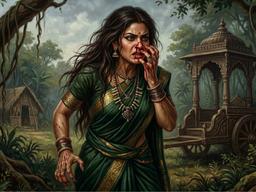
The Mythological Story Behind Gangotri
The origins of Gangotri are deeply rooted in ancient Hindu scriptures like the Ramayana and Mahabharata.
King Bhagirath’s Penance
According to legend:
- King Sagara’s 60,000 sons were reduced to ashes due to a sage’s curse.
- Their souls could only attain salvation if the River Ganga descended to Earth.
- King Bhagirath performed severe penance for years to bring Goddess Ganga down from heaven.
Ganga agreed to descend, but her powerful force could have destroyed the Earth. To prevent this catastrophe, Lord Shiva caught her in his matted locks and released her gently.
This divine event is known as Ganga Avataran (Descent of the Ganga).
From this point onward, the river began flowing as Bhagirathi, named after King Bhagirath.
Spiritual vs Physical Source of the Ganga
While Gangotri is considered the spiritual origin of the Ganga, the physical source lies at:
Gaumukh
Located around 18 km from Gangotri, Gaumukh is the glacier snout from where the Bhagirathi River emerges. Devotees consider both places sacred.
Historical Construction of Gangotri Temple
Although the mythology dates back thousands of years, the present temple structure was built in the early 18th century by:
Amar Singh Thapa
He was a Gorkha commander who constructed the temple to formalize worship at the sacred site. Later, the temple was renovated and maintained by the royal family of Jaipur.
The current structure is approximately 300 years old.
Architecture of Gangotri Temple
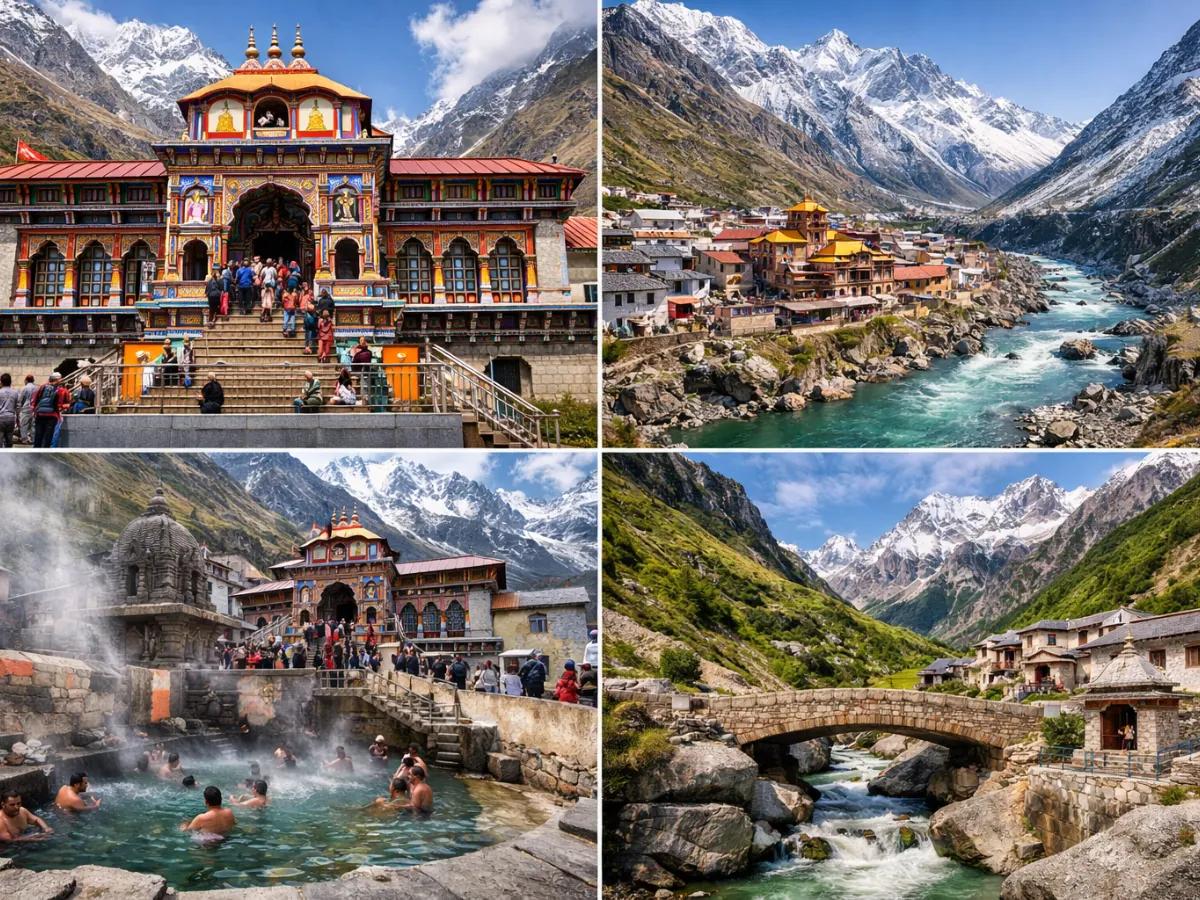
The temple reflects traditional Himalayan architecture:
- Built using white granite stones
- Simple yet elegant North Indian design
- Approximately 20 feet high
- Small sanctum dedicated to Goddess Ganga
- Located on the banks of the Bhagirathi River
Unlike grand temple complexes in the plains, Gangotri Temple represents simplicity, purity, and spiritual serenity.
Winter Tradition & Idol Relocation
Due to heavy snowfall, the temple remains open only from April/May to October/November.
Mukhba village
During winter, the idol of Goddess Ganga is shifted to:
Worship continues there until the temple reopens in spring.
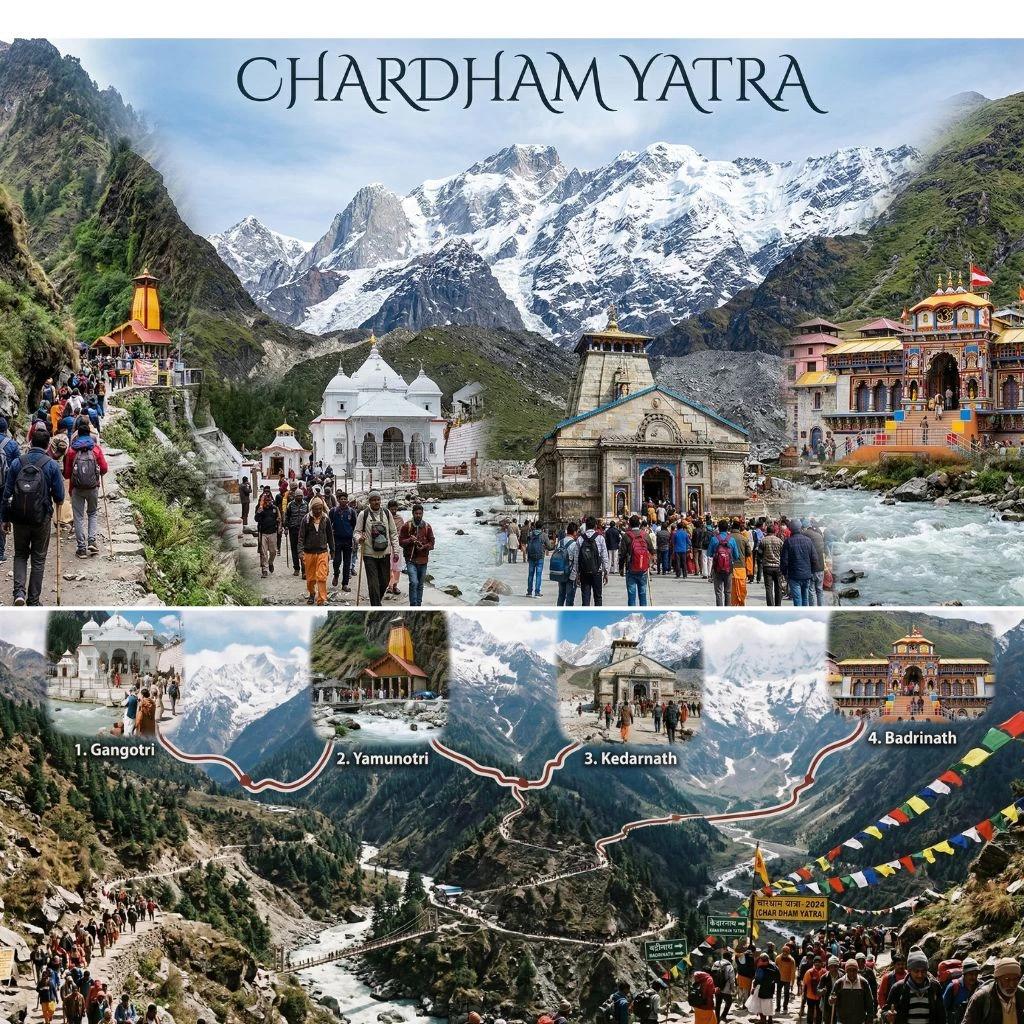
Gangotri in the Char Dham Yatra Circuit
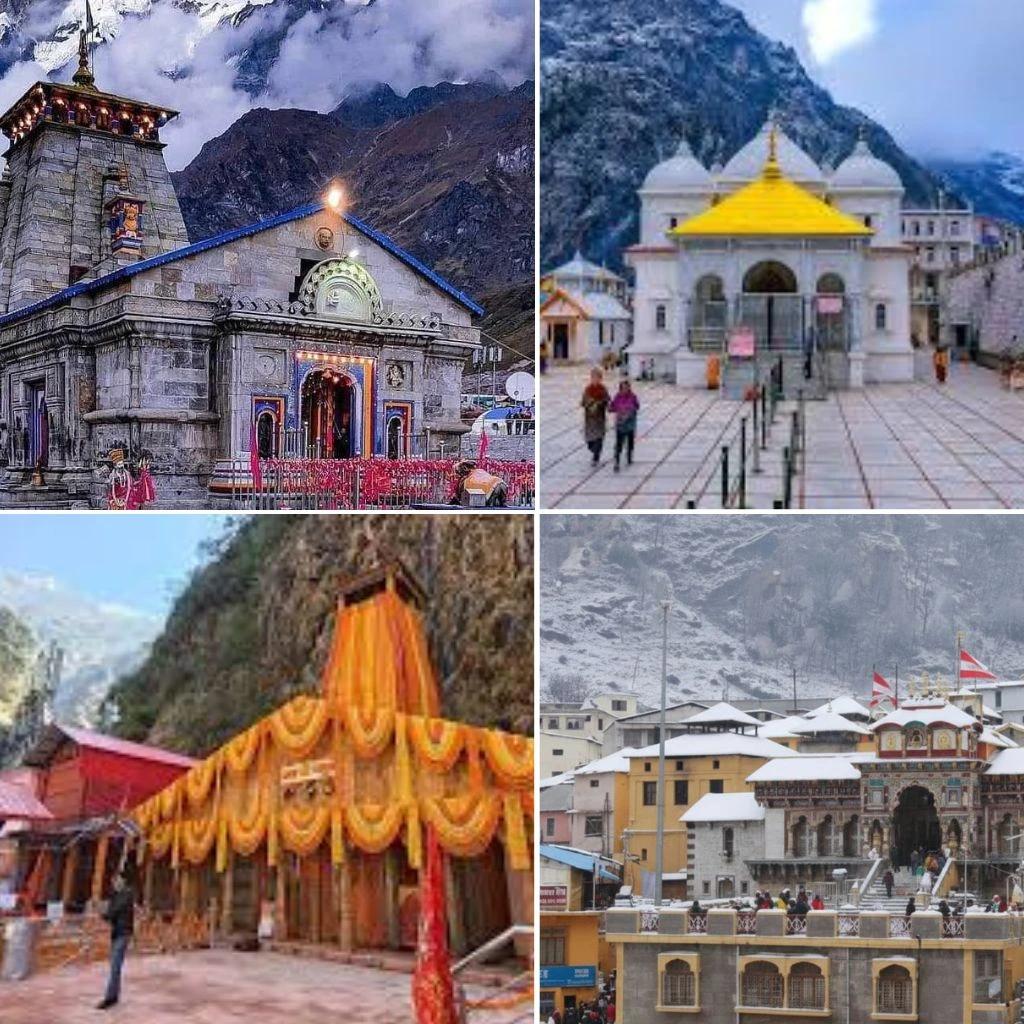
Gangotri is the second destination in the sacred Char Dham route of Uttarakhand:
- Yamunotri Temple
- Gangotri Temple
- Kedarnath Temple
- Badrinath Temple
Religious Importance of Gangotri
- Moksha (liberation from sins)
- Divine purification
- Faith and penance
- Beginning of the sacred Ganga journey
Taking a dip in the icy waters of the Bhagirathi River is believed to cleanse one’s sins and bring spiritual upliftment.
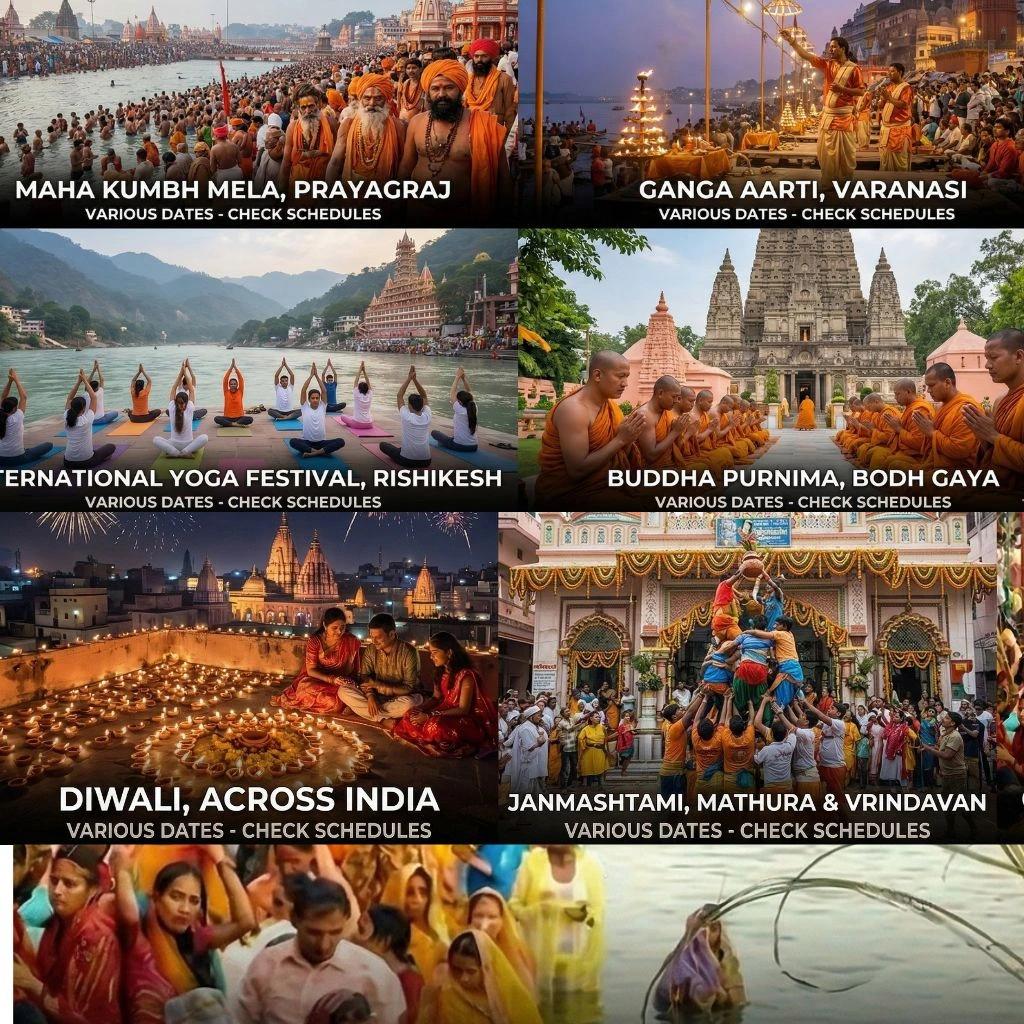
Festivals & Rituals
1. Opening Ceremony
The temple opens with grand rituals on Akshaya Tritiya.
2. Closing Ceremony
It closes on Bhai Dooj (after Diwali), when the idol is ceremoniously shifted to Mukhba village.
Thousands gather during these rituals, making it a spiritually charged atmosphere.
Why Gangotri Temple Is Unique
- Spiritual birthplace of the Ganga
- Mythological connection to King Bhagirath
- Himalayan glacier proximity
- Part of the sacred Char Dham
- Simple yet powerful temple architecture
Gangotri beautifully combines mythology, history, natural beauty, and devotion.
FAQs
Q1. Who built Gangotri Temple?
The current temple was built in the 18th century by Amar Singh Thapa.
Q2. Is Gangotri the real source of the Ganga?
Spiritually yes, but geographically the river originates from Gaumukh Glacier.
Q3. When does Gangotri Temple open in 2026?
It opens on Akshaya Tritiya (April 2026).
Q4. Why is Gangotri important in Char Dham?
It represents the origin of the holy River Ganga and is the second stop in the Char Dham Yatra.
Conclusion
Gangotri Temple stands as a timeless symbol of devotion, mythology, and divine grace. From the legendary penance of King Bhagirath to the serene Himalayan setting, every aspect of Gangotri reflects purity and spiritual strength.
Whether you visit for pilgrimage, cultural exploration, or spiritual awakening, Gangotri offers an unforgettable experience rooted in faith and history.
If you are planning your 2026 Char Dham Yatra, Gangotri Temple should be at the top of your spiritual travel list.
For more information you may visit tirth.com