The Nashik Kumbh mela is held on the banks of the sacred:
- Godavari River
It is also known as Simhastha Kumbh Mela, as it is celebrated when Jupiter enters the zodiac sign Leo (Simha). One of the most unique aspects of Nashik is that the Kumbh activities are divided between Nashik city and Trimbakeshwar.
Prayagraj Kumbh Mela
The Kumbh in Prayagraj is famous for the sacred confluence known as:
This is the meeting point of Ganga, Yamuna, and the mythical Saraswati. Prayagraj hosts the largest Kumbh gatherings in the world, attracting tens of millions of pilgrims during major bathing days.
Haridwar Kumbh Mela
Haridwar’s Kumbh is celebrated along the banks of the Ganga, especially at:
Haridwar represents the gateway to the Himalayas and holds immense importance for those who believe in the purifying power of the Ganga.
River Significance: A Major Difference
Nashik Kumbh Mela: The Godavari
Unlike Prayagraj and Haridwar, which are centered around the Ganga, Nashik’s Kumbh revolves around the Godavari River. The Godavari is often called the “Dakshin Ganga” (Ganga of the South).
This gives Nashik a distinctive southern spiritual identity. For devotees from Maharashtra and South India, Nashik becomes a central pilgrimage hub during Kumbh.
Prayagraj : The Sacred Confluence
Prayagraj’s importance lies in the Triveni Sangam, where three rivers are believed to merge. The spiritual symbolism of confluence (Sangam) represents unity, purification, and liberation.
This concept of river confluence is not present in Nashik or Haridwar, making Prayagraj spiritually distinct.
Haridwar : Ganga’s Descent to the Plains
Haridwar marks the point where the Ganga leaves the Himalayas and enters the plains. This geographical transition adds symbolic importance to bathing in Haridwar.
In contrast, Nashik’s Kumbh celebrates Godavari’s sanctity rather than a geographical transformation.
The Unique Dual Location System of Nashik
One of the biggest differences is that Nashik Kumbh is divided between two main locations:
- Nashik city (Ramkund area)
- Trimbakeshwar Temple
This dual location system does not exist in Prayagraj or Haridwar.
Why This Matters
In Nashik:
- Akhadas perform their royal bath (Shahi Snan) at Trimbakeshwar.
- General devotees often take a holy dip in Nashik city.
This separation helps manage crowds and maintain traditional practices.
In contrast:
- Prayagraj has a centralized bathing zone at Sangam.
- Haridwar focuses primarily on Har Ki Pauri.
Difference in Scale and Crowd Size
Prayagraj : The Largest Gathering
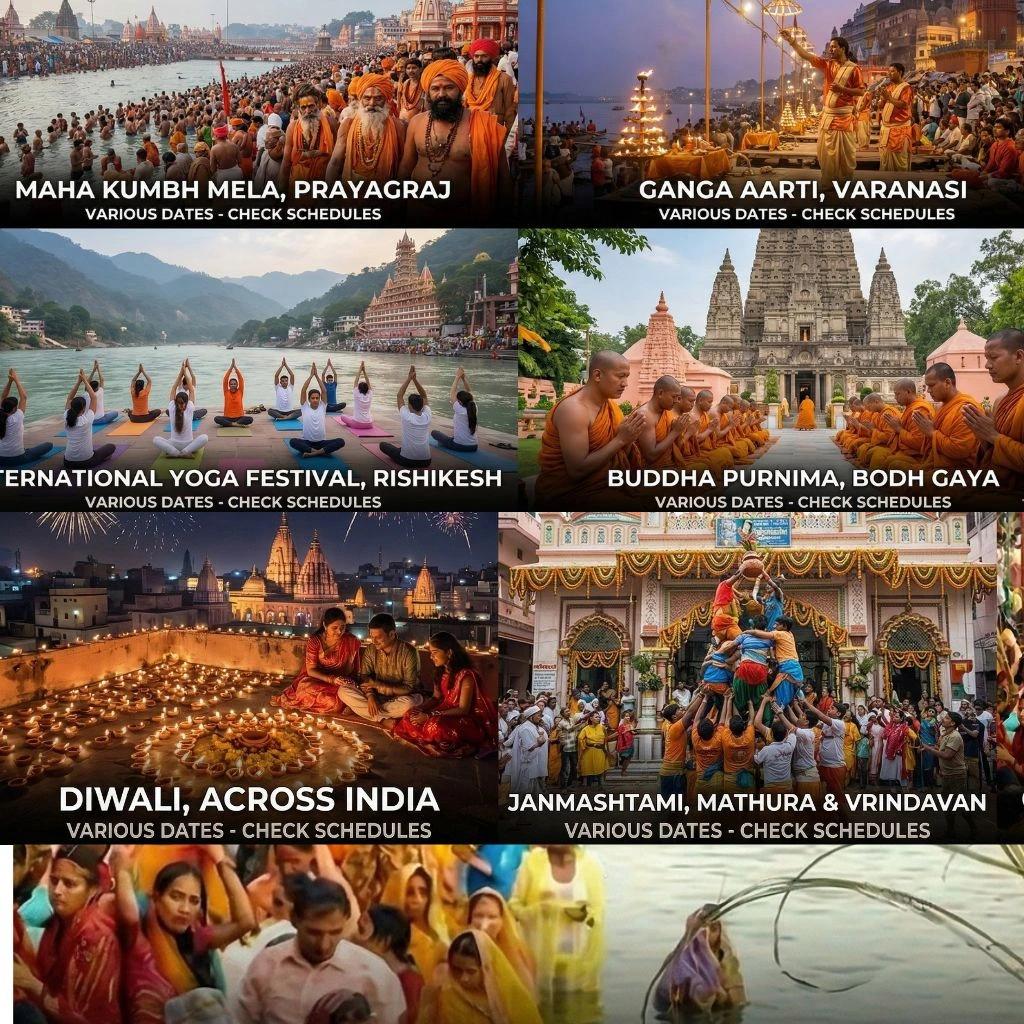
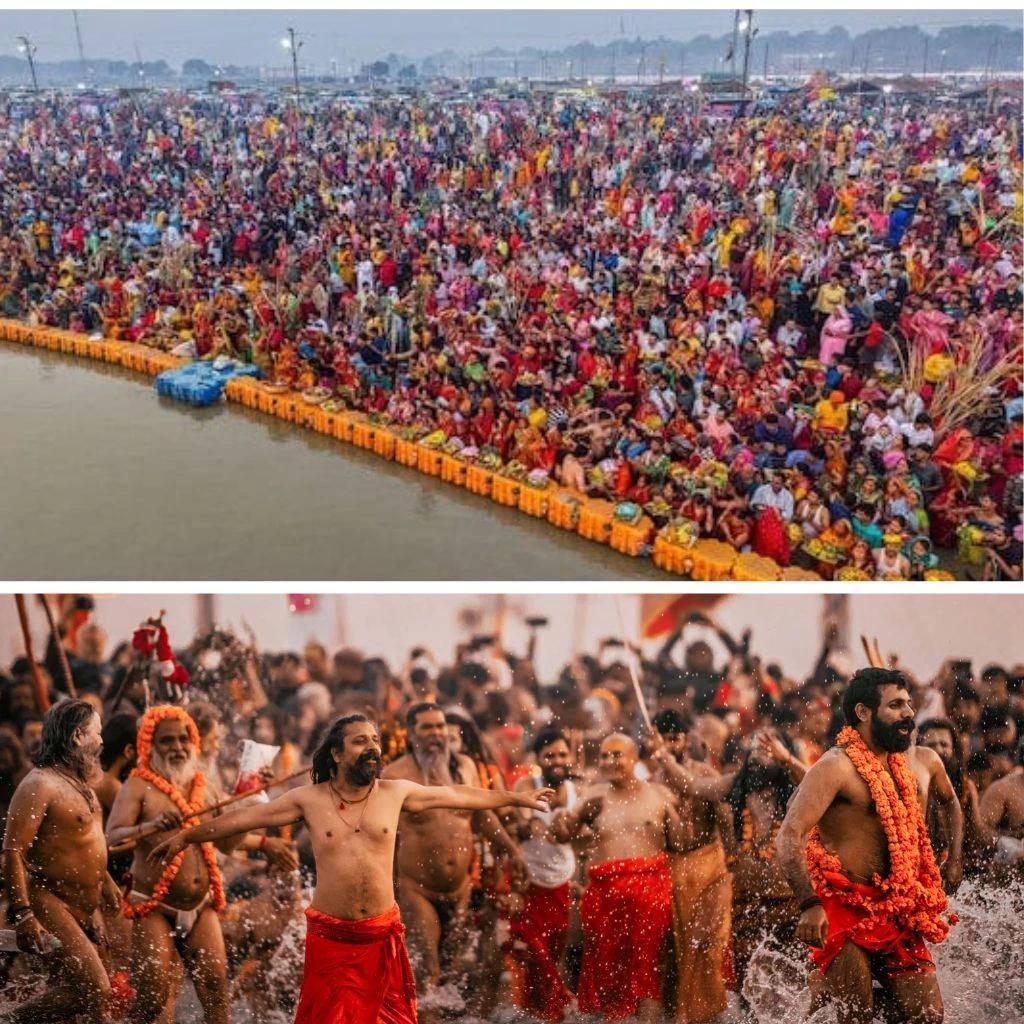
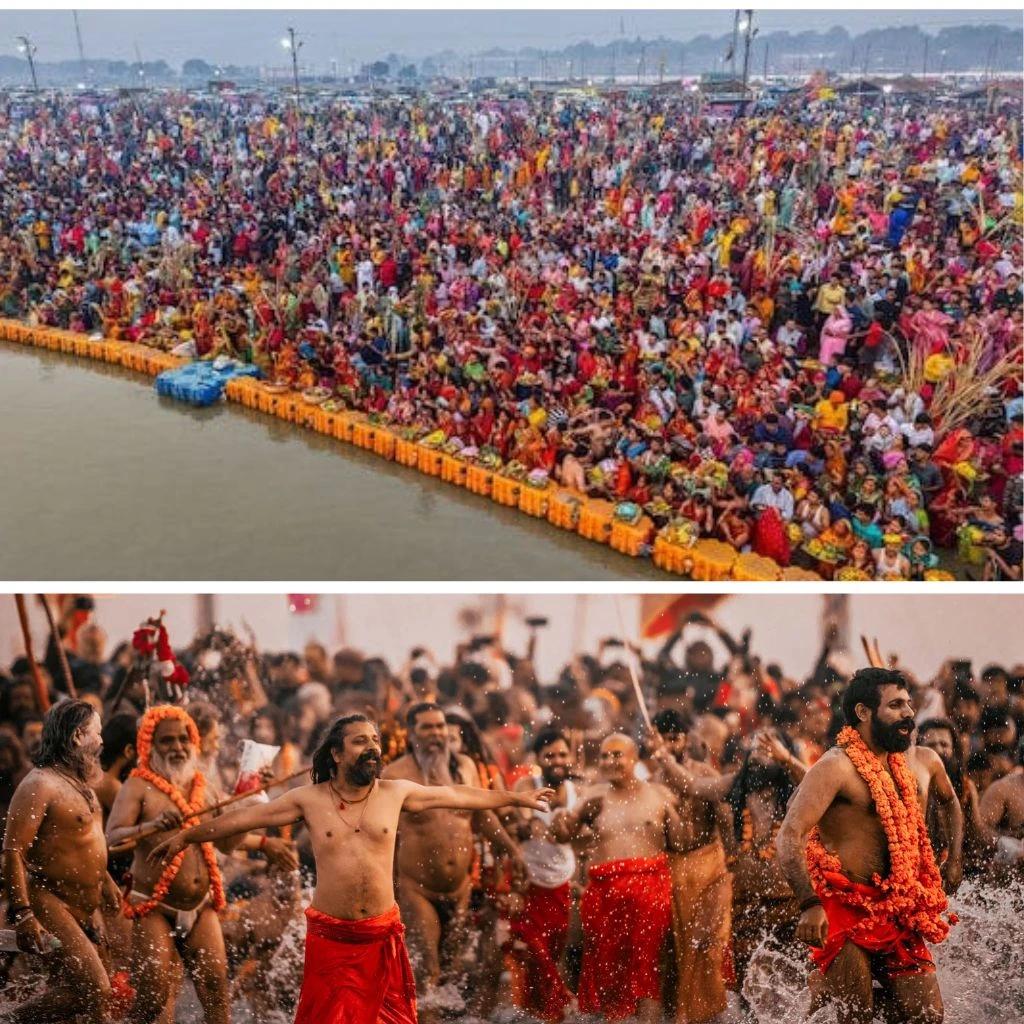
Prayagraj Kumbh is considered the largest human gathering on Earth. The scale is massive, often crossing tens of millions of visitors during main bathing days.
Haridwar : High Northern Participation
Haridwar sees a huge influx of devotees from North India and neighboring states. The ghats become densely packed during Shahi Snan.
Nashik : Structured and Divided Crowd
Nashik’s dual-location format creates a relatively more organized experience. While still massive, the crowd distribution feels more controlled compared to Prayagraj.
This makes Nashik Kumbh appealing for pilgrims who prefer a slightly less overwhelming environment.
Cultural and Regional Influence
Nashik : Maharashtrian Spiritual Culture
Nashik reflects strong Maharashtrian traditions:
- Local temple culture
- Regional rituals
- Marathi devotional atmosphere
The presence of Trimbakeshwar Jyotirlinga enhances its spiritual importance.
Prayagraj : North Indian Spiritual Hub
Prayagraj is deeply rooted in ancient Vedic traditions and hosts large sadhu camps and spiritual discourses. It is often seen as the “epicenter” of Kumbh grandeur.
Haridwar : Himalayan Devotional Vibe
Haridwar carries a unique Himalayan aura. Evening Ganga Aarti, temple bells, and the foothills backdrop create a divine environment different from Nashik’s terrain.
Difference in Shahi Snan Processions
In Nashik:
- Processions are divided.
- Akhadas move towards Trimbakeshwar.
- The ritual structure is carefully timed.
In Prayagraj:
- The royal processions march towards Sangam in grand style.
- The scale and spectacle are visually massive.
In Haridwar:
- Akhadas proceed towards Har Ki Pauri.
- The procession routes are relatively compact compared to Prayagraj.
Nashik’s Shahi Snan system stands out due to its geographical separation and disciplined coordination.
Astrological Significance: Simhastha Identity
Another major difference is the zodiac connection.
Nashik Kumbh is known as Simhastha Kumbh, celebrated when Jupiter enters Leo (Simha Rashi).
Prayagraj and Haridwar follow different planetary combinations for their Kumbh timing.
This astrological distinction gives Nashik its separate religious identity.
Accessibility and Infrastructure
Nashik
- Well connected to Mumbai and Pune.
- Smaller city layout compared to Prayagraj.
- More compact pilgrimage circuit.
Prayagraj
- Massive temporary tent city setup.
- Large scale infrastructure planning required.
Haridwar
- Excellent rail connectivity.
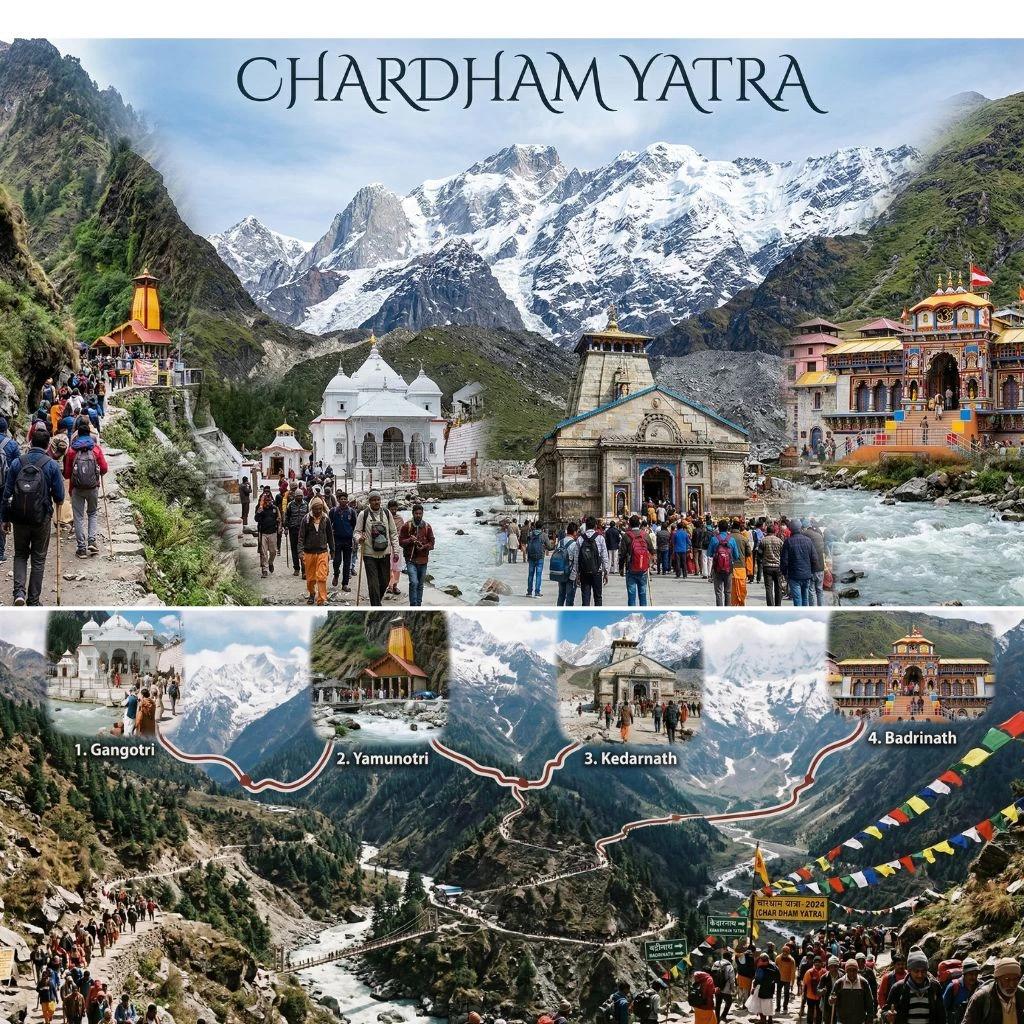
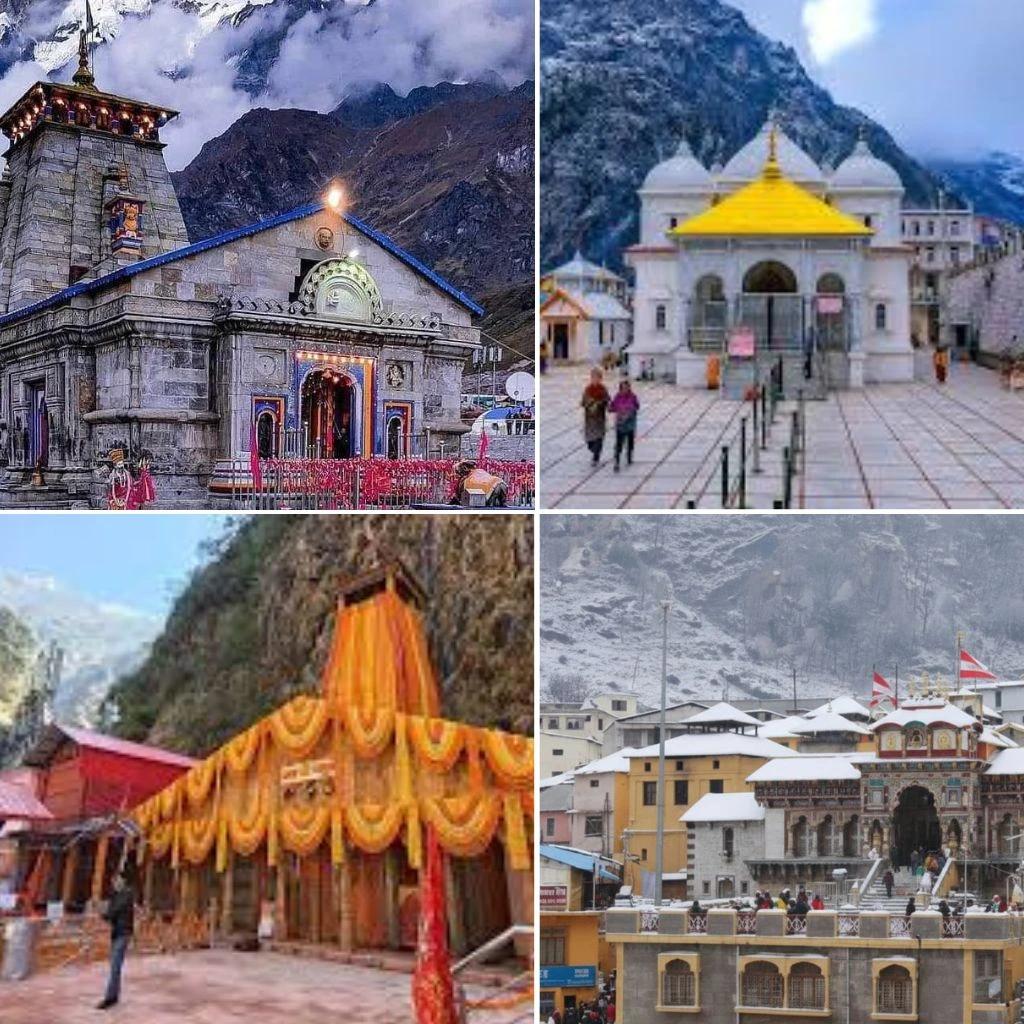
- Strong tourism ecosystem due to the Char Dham route.
Each city offers a different travel experience, but Nashik’s layout feels more manageable for first-time visitors.
FAQs
Is Nashik Kumbh smaller than Prayagraj?
Yes, in terms of crowd size, but it remains spiritually significant and well organized.
Why is Nashik called Simhastha Kumbh?
Because it is celebrated when Jupiter enters Leo (Simha).
What makes Godavari special?
It is considered the Ganga of the South and holds immense religious importance.
Is Nashik Kumbh less crowded?
Compared to Prayagraj, yes but major bathing days still attract large crowds.
Conclusion
While all three cities host sacred Kumbh Melas, Nashik stands apart due to:
- The Godavari River significance
- The dual-location bathing system
- Simhastha astrological identity
- Maharashtrian cultural influence
- Structured crowd management
Prayagraj represents scale and confluence. Haridwar represents the sacred Ganga’s plains entry. Nashik represents a unique blend of southern spirituality and disciplined tradition.
If you are planning for 2027, understanding these differences will help you choose the experience that aligns with your spiritual goals.
For more information you may visit tirth.com