On this page8 sections
- Why is it called Badrinath? Ask the tree
- Who are Nar and Narayan, and whose sons were they?
- Which Purana tells the Badrinath story?
- What does Narad have to do with Badrinath?
- How did Adi Shankaracharya bring the murti back?
- Who moved the murti to the temple of today?
- Frequently asked questions
- Continue on Tirth
- Sources and review
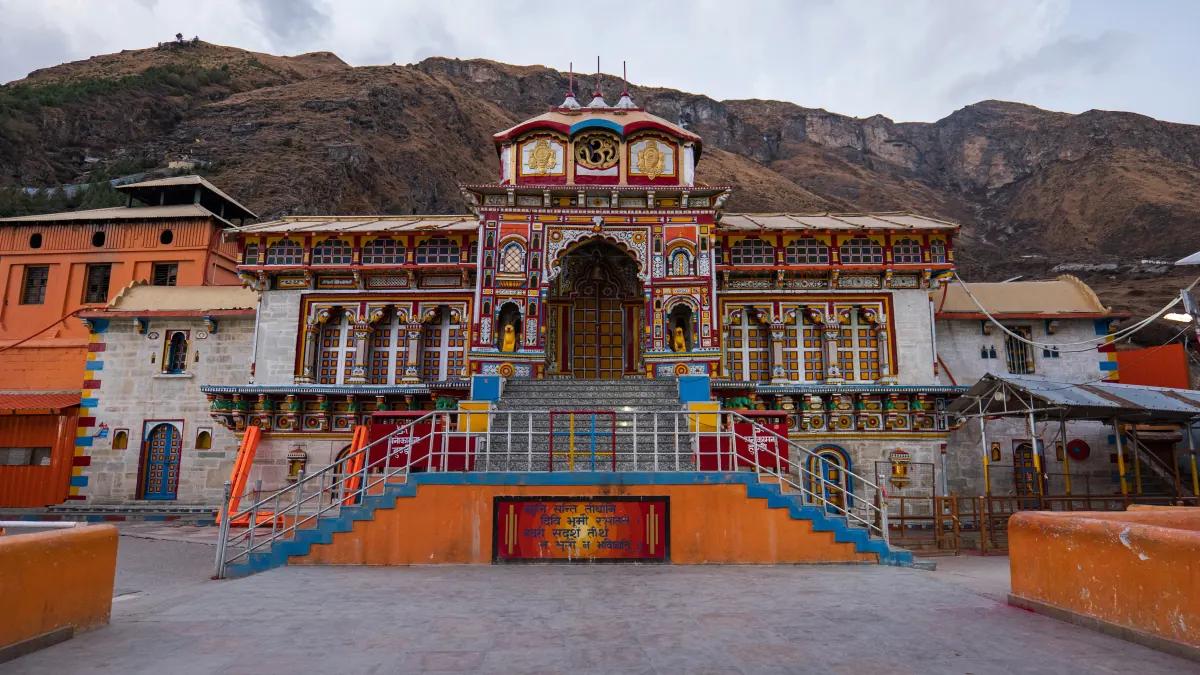
She took the form of a berry tree to shade Bhagwan Vishnu from the harsh sun. Hence the name Badrinath, Destination on Tirth .
The Badrinath story begins there, and no single text tells all of it. A murti is lost and found again. A king moves it to where it stands today. Each piece below names the text or the temple committee that tells it, and where the tellers disagree.
In short
Hence the name Badrinath. The Badrinath story begins there, and no single text tells all of it. A murti is lost and found again. A king moves it to where it stands today. Each piece below names the text or the temple committee that tells it, and where the tellers disagree.
Why is it called Badrinath? Ask the tree
The committee’s own page is the place to begin. Maa Lakshmi, it says, became a berry tree and kept the harsh sun off Bhagwan Vishnu.
Lower on that page the tree has become a plum. Now she shelters Bhagwan Narayan from cold, rain, storm and snow. Other accounts gloss badri as jujube.
Bhagwan Vishnu, one account adds, was pleased by her devotion and named the place Badrika Ashrama.
No verse is named for any of this. It is the shrine’s own telling.
Who are Nar and Narayan, and whose sons were they?
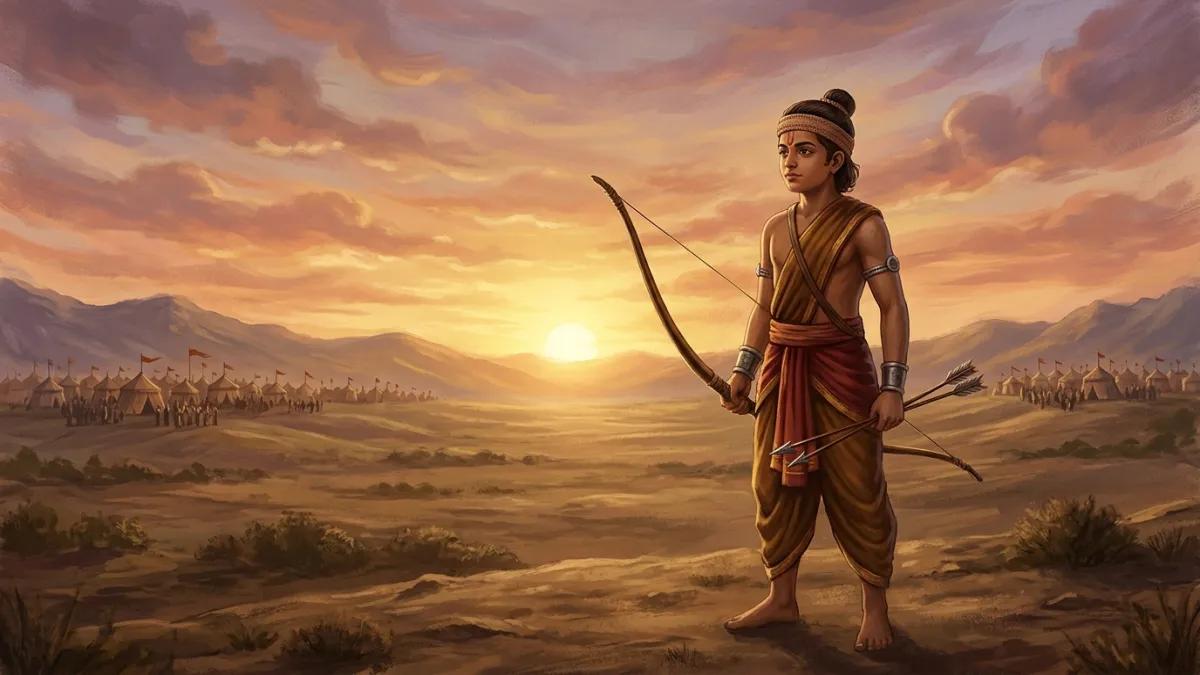
The Bhagavata Purana, at 3.4.22, names these two at Badarikashrama in the texts named here. Uddhava is on his way to Badarikashrama when the verse comes.
yatra nārāyaṇo devo naraś ca bhagavān ṛṣiḥ
mṛdu tīvraṁ tapo dīrghaṁ tepāte loka-bhāvanau
In plain words, Nar and Narayan, Bhagwan in the form of two sages, keep a long penance at Badarikashrama.
On who their parents were, the accounts part ways.
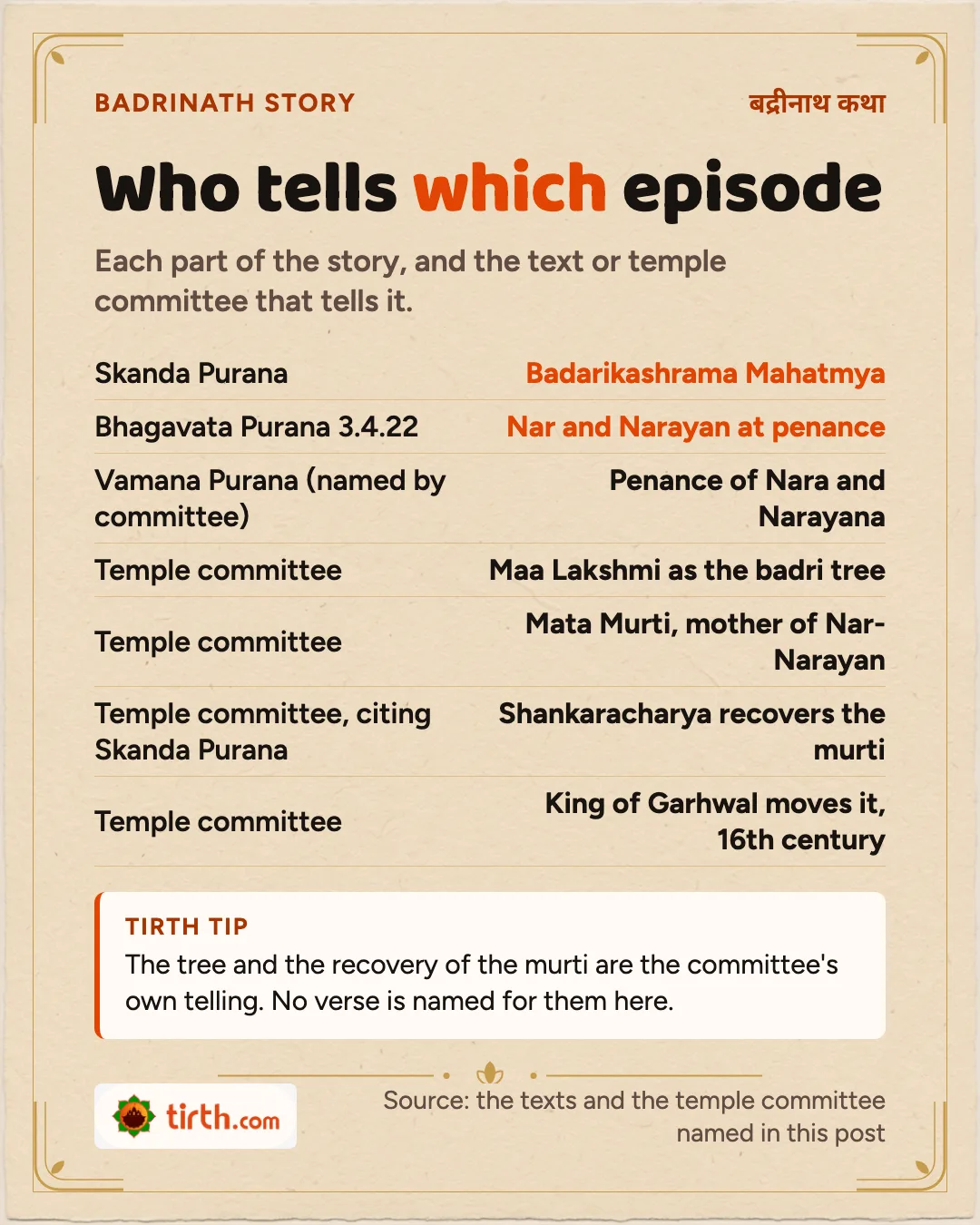
Mata Murti, a daughter of Daksha Prajapati, is the mother in the temple committee’s version, and Bhagwan Vishnu is born from her womb as Nar-Narayan. The demon Sahasrakavacha and his atrocities are the cause it gives. Yet the same committee calls the brothers sons of Dharma.
In the shrine itself, the committee says, the two stand beside the main murti. Anyone who wants to chant to the Bhagwan they stand with will find the Narayan mantra page.
Which Purana tells the Badrinath story?
The Skanda Purana holds a dedicated section on Badrinath, the Badarikashrama Mahatmya.
Inside its Vaishnava Khanda (a book or division of a Purana) sits that Mahatmya, a praise of the holy place. Eight chapters make it up in the Tagare translation. Of these, one carries the title on the superiority of the holy place Badarikashrama over all tirthas (holy places), while another names the Shilas (sacred rocks) of Narad and Markandeya.
The committee draws on more than one text. From the Skanda Purana it quotes a line that no shrine like Badrinath exists in heaven, earth or hell. It names the Vamana Purana for the penance of Nar and Narayan, and it lists the Kedarkhand and the Shrimad Bhagwat among the texts that describe the Dham.
Badrinath has Himalayan neighbours in the tradition, and the guide to the four Char Dham shrines takes them up.
What does Narad have to do with Badrinath?
Once the murti was re-established, the committee says, Narad Ji was appointed worshipper. Tradition holds that in winter, when the temple is closed, he still worships Bhagwan Badrinath himself. Local accounts go further and say Narad served the image first.
The committee links the Narad Shila to a penance of sixty thousand years, lived on air.
How did Adi Shankaracharya bring the murti back?
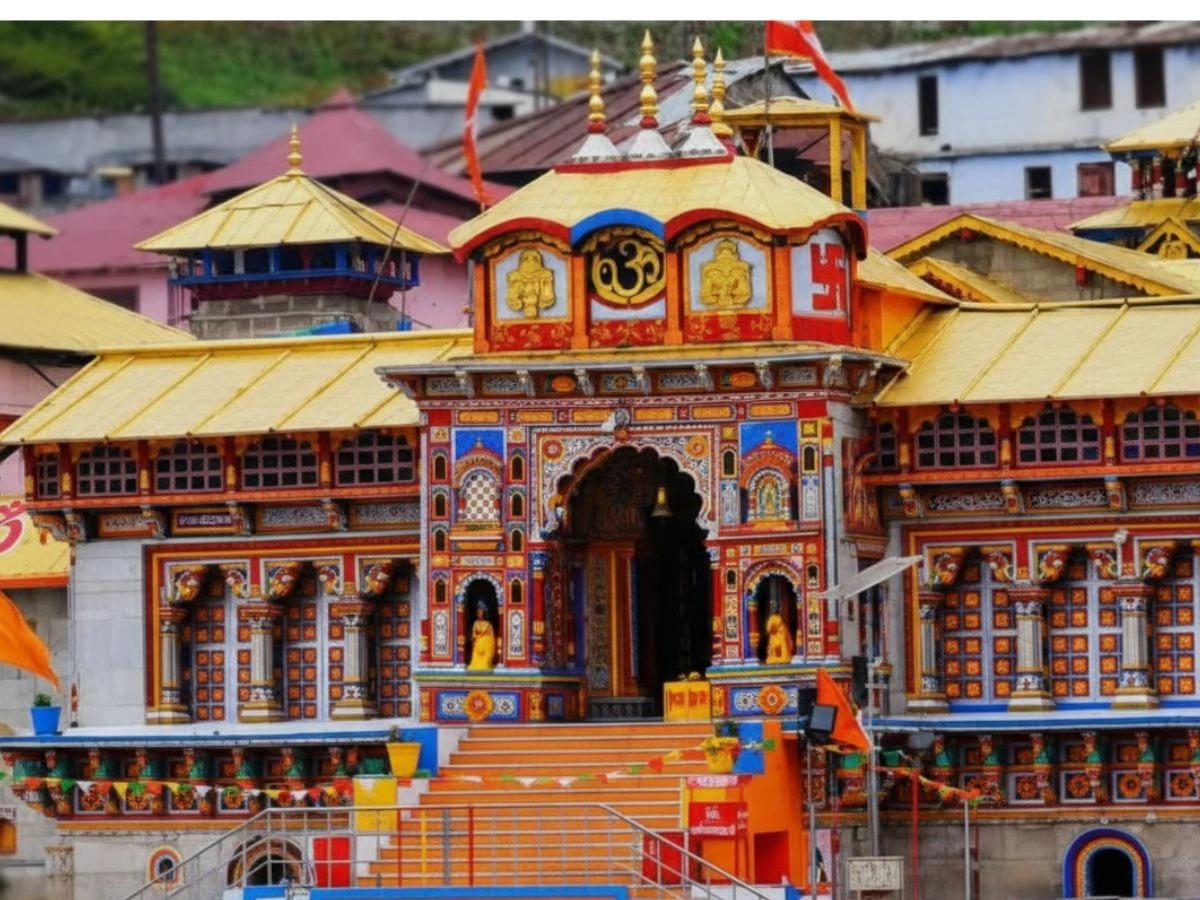
The murti, in this telling, is lost. The committee page cites the Skand Puran for the rescue: Adi Shankaracharya recovered it from Narad Kund, and it was re-enshrined in the 8th century.
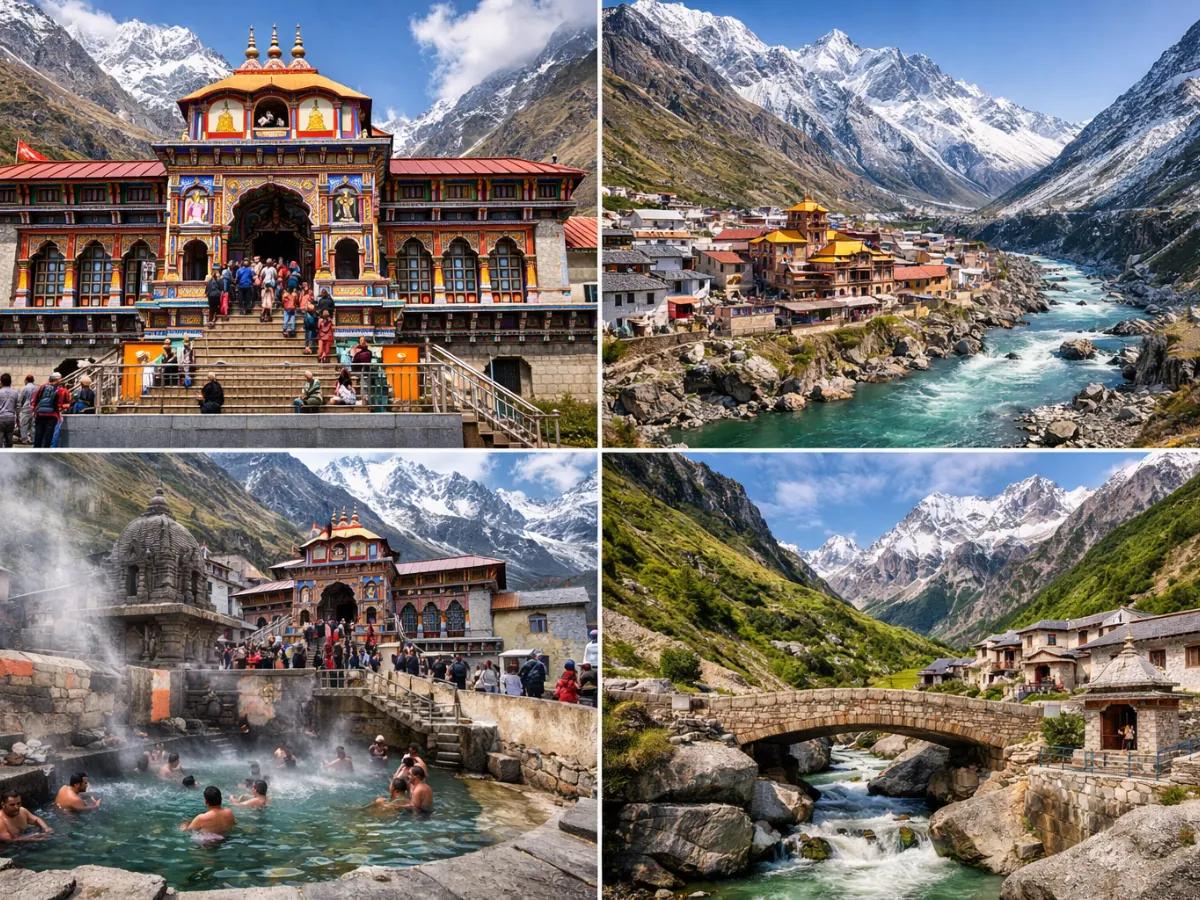
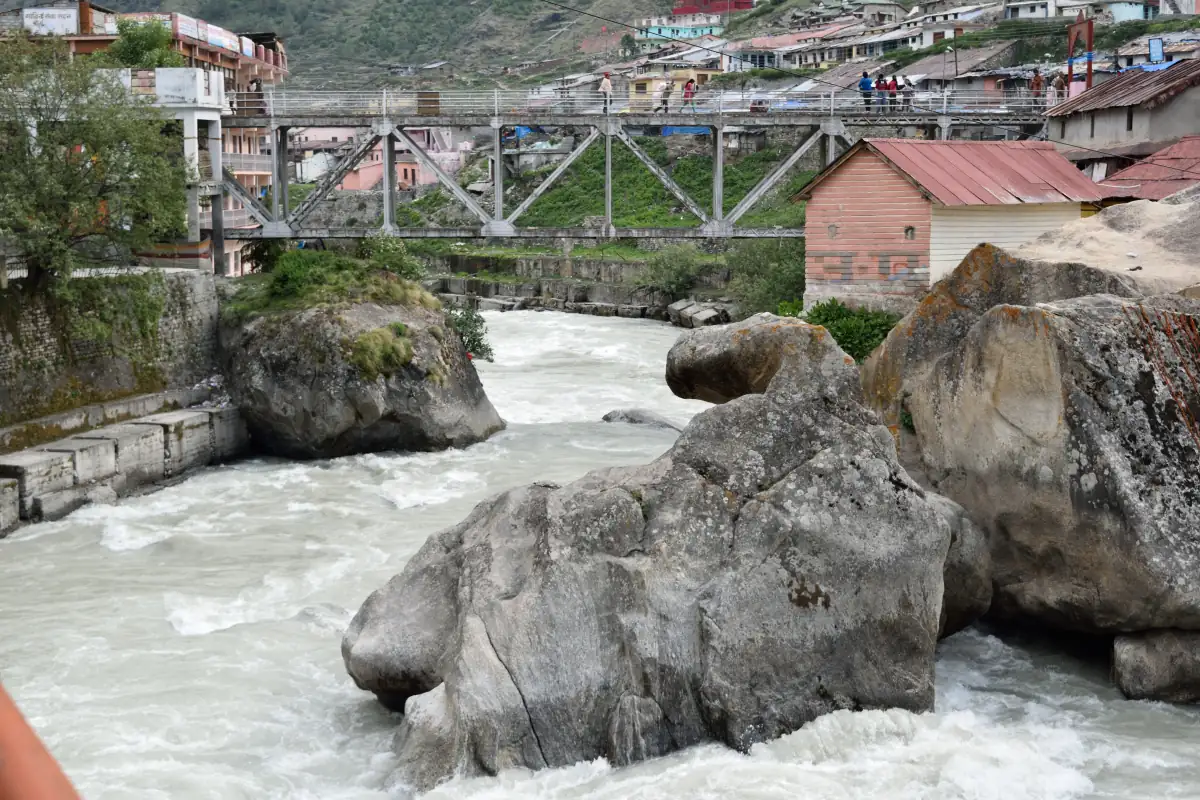
The same page gives a second version, told as legend: Shankaracharya found a black Saligram stone image in the Alaknanda River and first enshrined it in a cave near the Tapt Kund hot springs, a spring that lies between the present temple and the Alaknanda. Another account puts the image in the Tapt Kund, with Adi Shankaracharya lifting it out.
So the water differs, even on the committee’s page: Narad Kund or the Alaknanda, and Tapt Kund in another account. For the Narad Kund version the link to the Skanda Purana rests on the committee’s word alone.
Who moved the murti to the temple of today?
A king. The King of Garhwal moved the murti to the present temple site in the 16th century, and on this the committee and the other accounts agree.
Dates and the long history of the shrine belong on the history of Badrinath Temple page. Darshan hours and the winter closing are on the Badrinath darshan timings page, not here. The Badrinath Temple page, Temple page on Tirth on Tirth holds the practical details.
Frequently asked questions
Badri is the name of a tree. The temple committee says Maa Lakshmi took its form to shade Bhagwan Vishnu. Sources call it a berry, a plum or a jujube.
Nar and Narayan are Bhagwan in the form of two sages, at penance in Badarikashrama (Bhagavata Purana 3.4.22). Accounts of their parents differ. The committee names Mata Murti, a daughter of Daksha Prajapati, and calls them sons of Dharma.
The committee says she shaded Bhagwan Vishnu from harsh sun and sheltered Bhagwan Narayan from cold, rain, storm and snow. No verse is named for it.
The Skanda Purana has a Badarikashrama Mahatmya, a praise of the holy place that runs to eight chapters in the Tagare translation. The Bhagavata Purana places Nar and Narayan here. The committee also names the Vamana Purana, and it quotes one Skanda Purana line: no shrine like Badrinath exists in heaven, earth or hell.
Adi Shankaracharya, say the committee and other accounts. The committee names Narad Kund (citing the Skand Puran) in one place and the Alaknanda River in another, and some accounts say Tapt Kund. In its Alaknanda legend he first placed the murti in a cave near the Tapt Kund hot springs. Later, in the 16th century, the King of Garhwal moved it to the present temple site. Planning a visit? Begin with the Badrinath Kedarnath yatra page.
Narad Ji was appointed worshipper once the murti was re-established, the committee says. Tradition says he still worships Bhagwan Badrinath in winter, when the temple is closed. The committee also ties the Narad Shila to a penance of sixty thousand years, lived on air.
Continue on Tirth
- Find the shrine on the Badrinath Temple page, Temple page on Tirth, or browse all Tirth temple pages, Temple page on Tirth.
- See the wider story of the Badrinath Dham.
- Map the route to Badrinath.