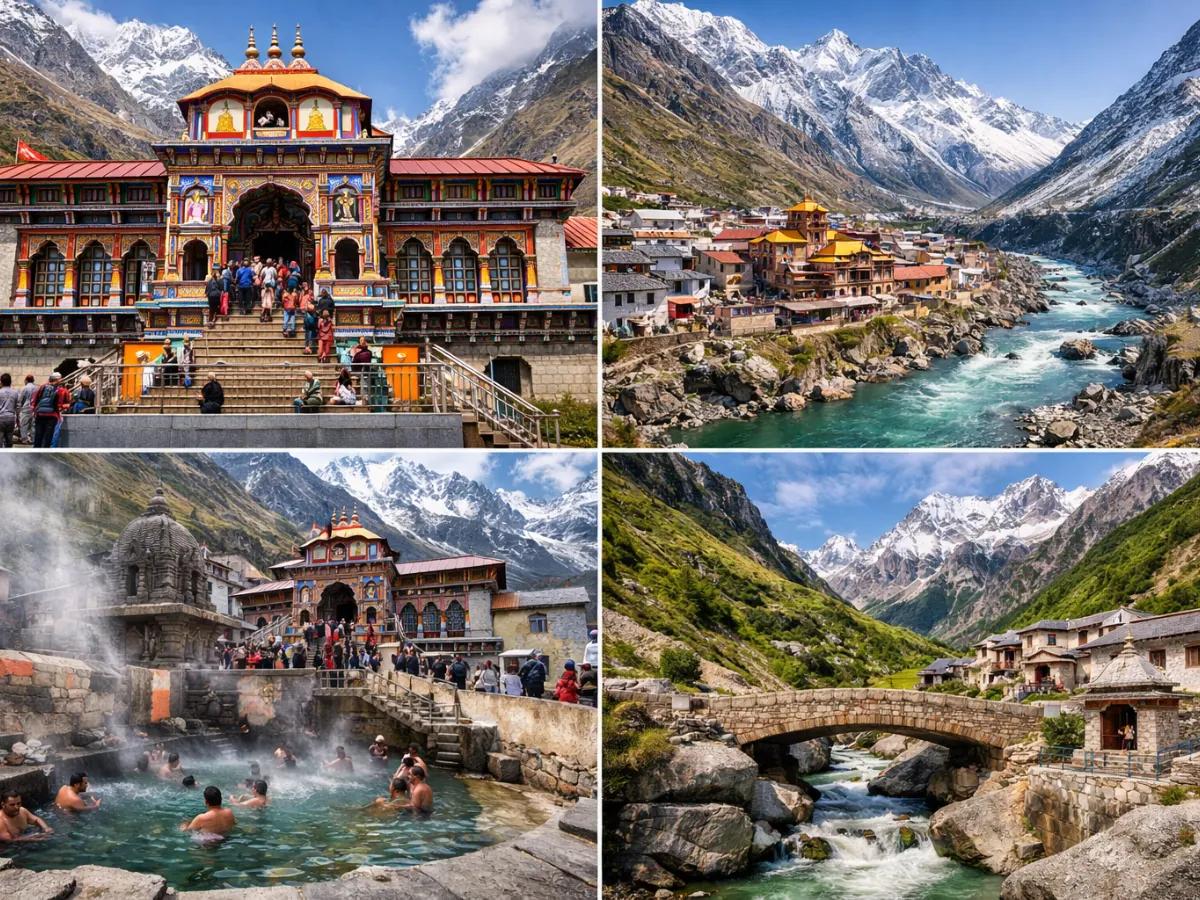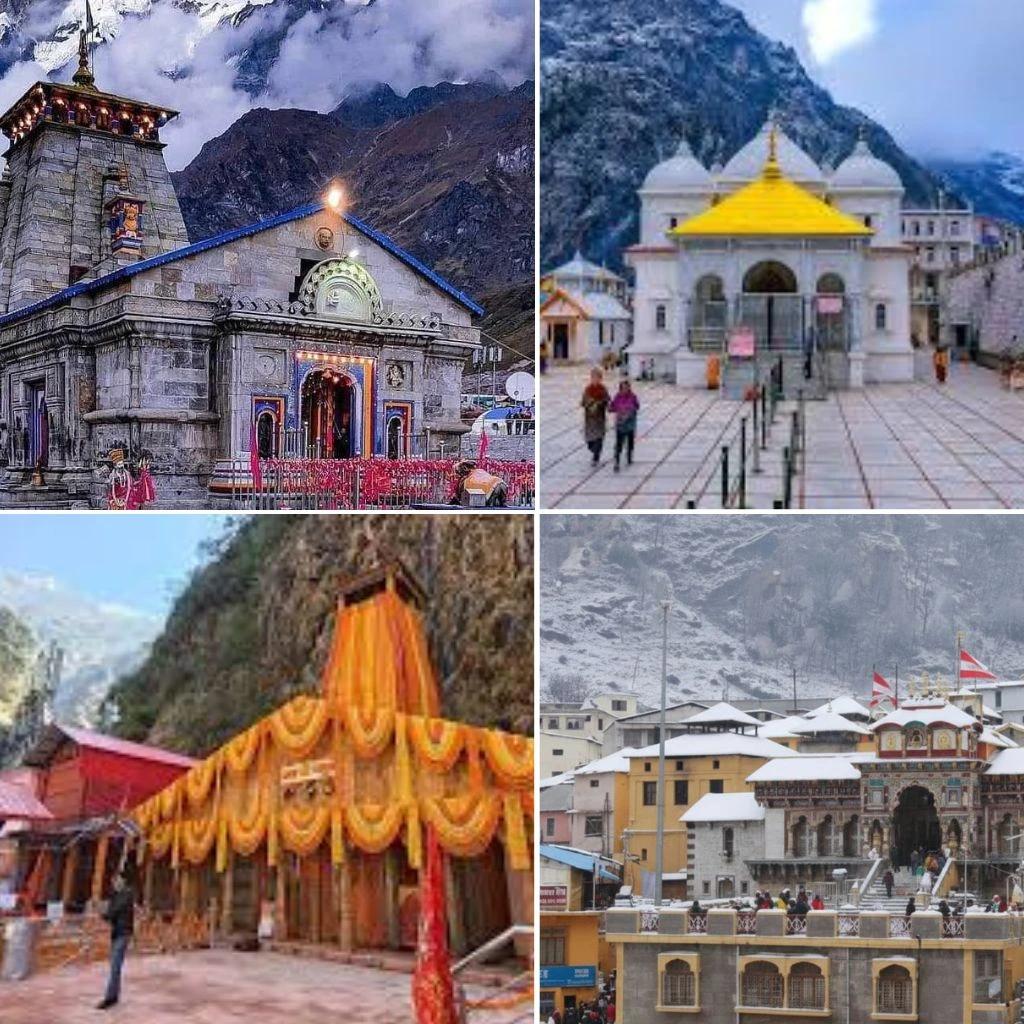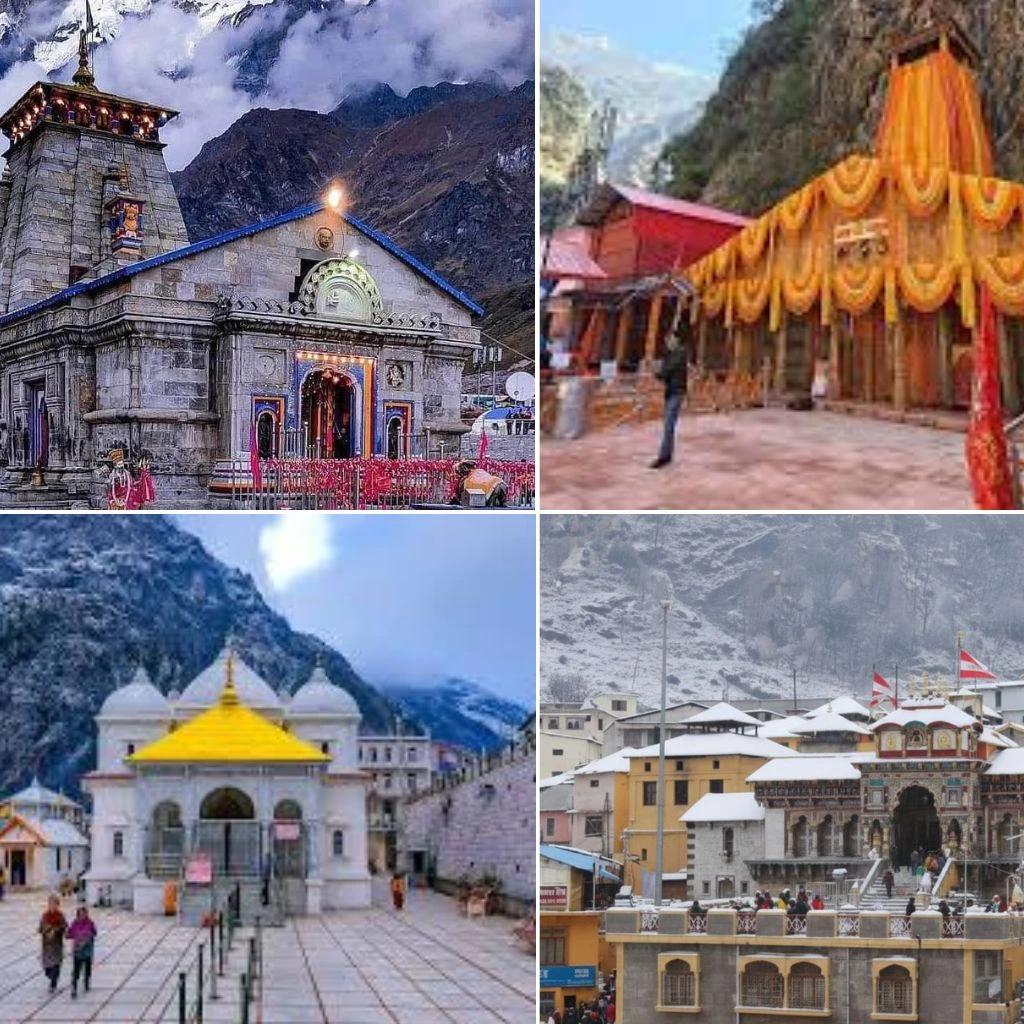
The Char Dham Yatra of Uttarakhand is one of the most sacred pilgrimages in Hinduism. Nestled in the majestic Himalayas, the four holy shrines Yamunotri Temple, Gangotri Temple, Kedarnath Temple, and Badrinath Temple form a divine circuit that attracts millions of devotees every year.
More than just a religious journey, the Char Dham Yatra represents a spiritual path toward purification, forgiveness, devotion, and ultimately moksha (liberation). Each temple carries deep mythological, philosophical, and spiritual meaning. Together, they symbolize the complete spiritual evolution of a human soul.
Let us explore the profound spiritual importance of Kedarnath, Badrinath, Gangotri, and Yamunotri.
Spiritual Significance of Yamunotri : The Beginning of Purification
Yamunotri is the first stop of the Char Dham Yatra. Dedicated to Goddess Yamuna, it marks the origin of the sacred River Yamuna.
Mythological Importance
The temple is devoted to Yamuna, who is believed to be the daughter of Surya (Sun God) and sister of Yama, the God of Death. According to Hindu belief, bathing in the Yamuna protects devotees from untimely death and grants spiritual strength.
The connection between Yamuna and Yama symbolizes the balance between life and death. Worshipping Yamuna is believed to reduce the fear of death and purify one’s inner consciousness.
Spiritual Symbolism
Yamunotri represents:
- Emotional purification
- Release from fear
- Beginning of spiritual awakening
The hot water springs at Surya Kund near the temple symbolize divine energy. Pilgrims cook rice in the sacred waters and offer it as prasad, signifying surrender and devotion.
Starting the Char Dham Yatra from Yamunotri symbolizes cleansing the self before progressing further on the spiritual path.
Spiritual Significance of Gangotri The River of Divine Grace
The second destination is Gangotri, dedicated to Goddess Ganga.
Descent of the Holy Ganga
The temple honors Ganga, who descended from heaven to Earth to purify humanity. According to legend, King Bhagirath performed intense penance to bring Ganga down to liberate his ancestors.
When Ganga descended with immense force, Lord Shiva held her in his locks to control her flow showing the balance between devotion and divine power.
Spiritual Meaning
Gangotri represents:
- Cleansing of sins
- Spiritual rebirth
- Divine compassion
The nearby Gaumukh glacier, considered the physical source of River Ganga, is a powerful meditation spot. Pilgrims believe that even touching Ganga water washes away lifetimes of karmic impurities.
Spiritually, Gangotri teaches surrender and faith. Just as Ganga flows continuously, devotion should also flow without interruption.
Spiritual Significance of Kedarnath The Abode of Lord Shiva
Located at an altitude of over 11,000 feet, Kedarnath is one of the holiest Shiva temples in India.
Connection with Lord Shiva
Kedarnath Temple is dedicated to Shiva and is one of the twelve Jyotirlingas. It holds immense significance in Shaivism.
According to the Mahabharata, after the Kurukshetra war, the Pandavas sought forgiveness from Lord Shiva for killing their relatives. Shiva avoided them and took the form of a bull. When discovered, he disappeared into the ground, leaving behind his hump at Kedarnath.
This story symbolizes repentance and divine forgiveness.
Spiritual Symbolism
Kedarnath represents:
- Forgiveness
- Karmic cleansing
- Penance and detachment
The difficult trek to Kedarnath symbolizes the hardships of life. Only through effort, faith, and perseverance can one attain spiritual growth.
The powerful Himalayan environment creates an atmosphere ideal for meditation and self-realization. Many sages performed intense tapasya here.
Kedarnath teaches that true liberation comes through surrender to Lord Shiva and acceptance of divine will.
Spiritual Significance of Badrinath The Path to Salvation
The final destination of the Char Dham Yatra is Badrinath.
Abode of Lord Vishnu
Badrinath Temple is dedicated to Vishnu in his form as Badrinarayan. It is one of the most important temples in Vaishnavism.
According to mythology, Lord Vishnu meditated here while Goddess Lakshmi took the form of a Badri tree to protect him from harsh weather.
Role of Adi Shankaracharya
The temple was revived by Adi Shankaracharya in the 8th century. He established the Char Dham pilgrimage system to unify Hindu traditions across India.
Spiritual Meaning
Badrinath represents:
- Dharma (righteous living)
- Devotion
- Final liberation (moksha)
After purification at Yamunotri and Gangotri, and repentance at Kedarnath, the soul reaches Badrinath symbolizing ultimate salvation.
Spiritually, it marks the culmination of the journey union of the soul with the divine.
The Spiritual Order of Char Dham Yatra
The traditional order is:
- Yamunotri
- Gangotri
- Kedarnath
- Badrinath
This sequence is not random. It reflects spiritual progression:
- Cleansing emotions (Yamunotri)
- Purifying the soul (Gangotri)
- Seeking forgiveness (Kedarnath)
- Attaining salvation (Badrinath)
This journey mirrors human spiritual evolution.
Spiritual Benefits of Completing Char Dham Yatra
Devotees believe the Char Dham Yatra offers:
- Freedom from past sins
- Relief from karmic debts
- Inner peace and clarity
- Strengthened faith
- Blessings for ancestors
- Progress toward moksha
The physical challenges of the journey build discipline and humility. The serene Himalayan environment deepens spiritual awareness.
For many, the Yatra becomes a life-changing experience.
Inner Transformation Through the Yatra
Beyond rituals, Char Dham teaches:
- Detachment from material desires
- Faith in divine timing
- Acceptance of hardships
- Gratitude and surrender
Walking through mountains, rivers, and valleys reminds pilgrims of nature’s divine presence. The journey becomes meditation in motion.
Many devotees describe feeling lighter, calmer, and spiritually awakened after completing the Yatra.
FAQs
1. Why is Kedarnath spiritually important?
Kedarnath is one of the 12 Jyotirlingas of Lord Shiva and symbolizes forgiveness, repentance, and liberation from karmic sins.
2. What is the spiritual meaning of Badrinath?
Badrinath represents devotion to Lord Vishnu and the ultimate goal of moksha through dharma and surrender.
3. Why is Gangotri considered sacred?
Gangotri marks the origin of River Ganga, believed to purify sins and grant spiritual cleansing.
4. What is special about Yamunotri Temple?
Yamunotri is associated with protection from untimely death and emotional purification.
5. What is the correct order of Char Dham Yatra?
The traditional order is Yamunotri, Gangotri, Kedarnath, and Badrinath.
6. Who organized the Char Dham pilgrimage system?
Adi Shankaracharya revived and structured the Char Dham pilgrimage in the 8th century.
7. Does Char Dham Yatra help in attaining moksha?
According to Hindu beliefs, completing the Yatra with devotion helps cleanse karmas and move toward liberation.
Conclusion
The spiritual importance of Kedarnath, Badrinath, Gangotri, and Yamunotri lies far beyond temple visits. Together, these four sacred shrines represent the complete spiritual journey of life.
Yamunotri teaches emotional purification.
Gangotri symbolizes divine grace and cleansing.
Kedarnath represents repentance and surrender.
Badrinath marks the attainment of salvation.
Undertaking the Char Dham Yatra is not just about traveling through the Himalayas it is about traveling within. It is a path of transformation, faith, endurance, and self-realization.
For millions of devotees, this pilgrimage becomes a once-in-a-lifetime spiritual awakening, a sacred journey that brings them closer to the divine and closer to their true self.
For more information you may visit tirth.com