The History of Badrinath Temple is filled with devotion, mythology, and timeless faith. Located in the majestic Himalayas of Uttarakhand, this sacred temple is one of the most important pilgrimage sites for Hindus. Every year, lakhs of devotees travel here to seek blessings and experience spiritual peace.
But this temple is not just a place of worship. It carries ancient legends, historical transformations, and deep religious significance that make it one of the holiest shrines in India. In this detailed guide, we will explore its mythological story, historical background, divine connection, architecture, rituals, and importance in the sacred Char Dham circuit.
Where is Badrinath Temple Located?
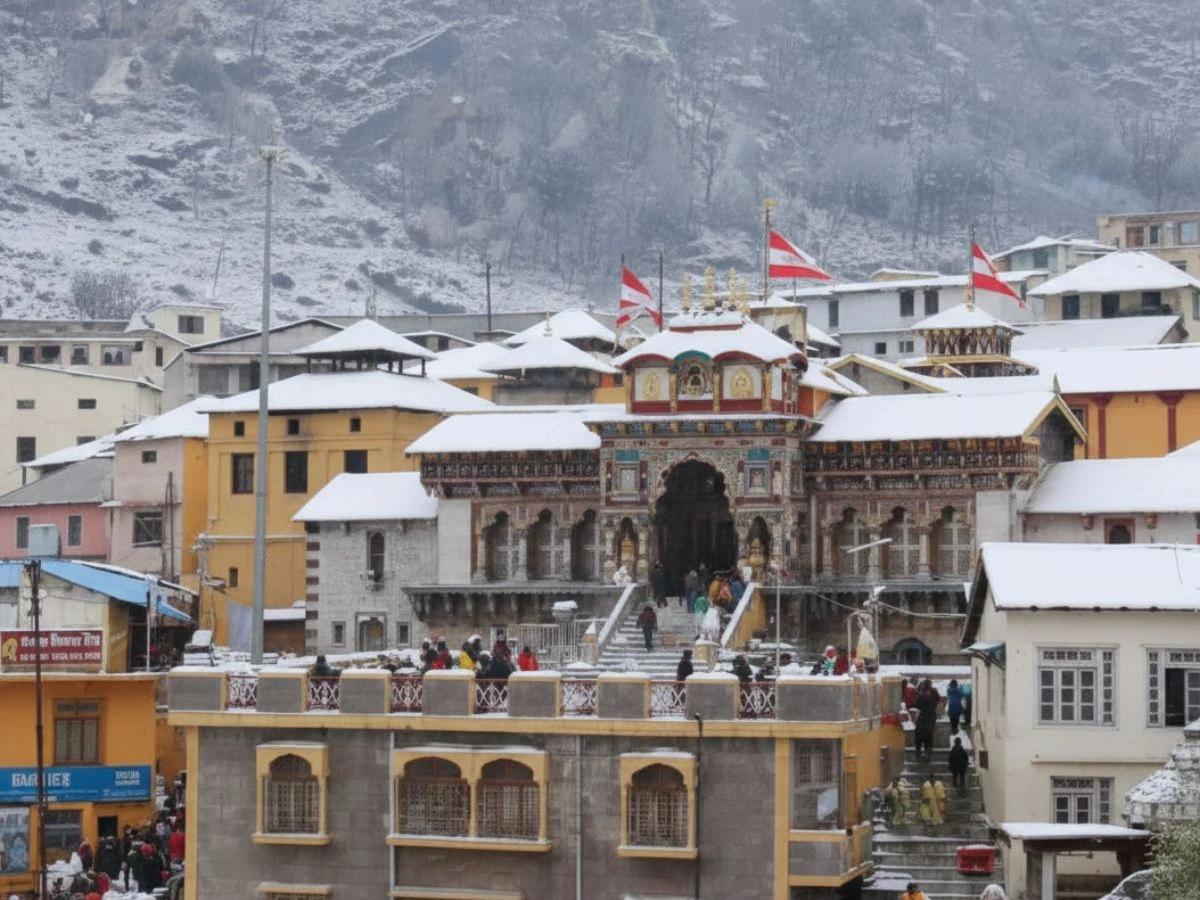
Badrinath Temple is situated in the Chamoli district of Uttarakhand, near the banks of the sacred Alaknanda River. Surrounded by snow covered Himalayan peaks, the temple stands at an altitude of about 3,133 meters (10,279 feet) above sea level.
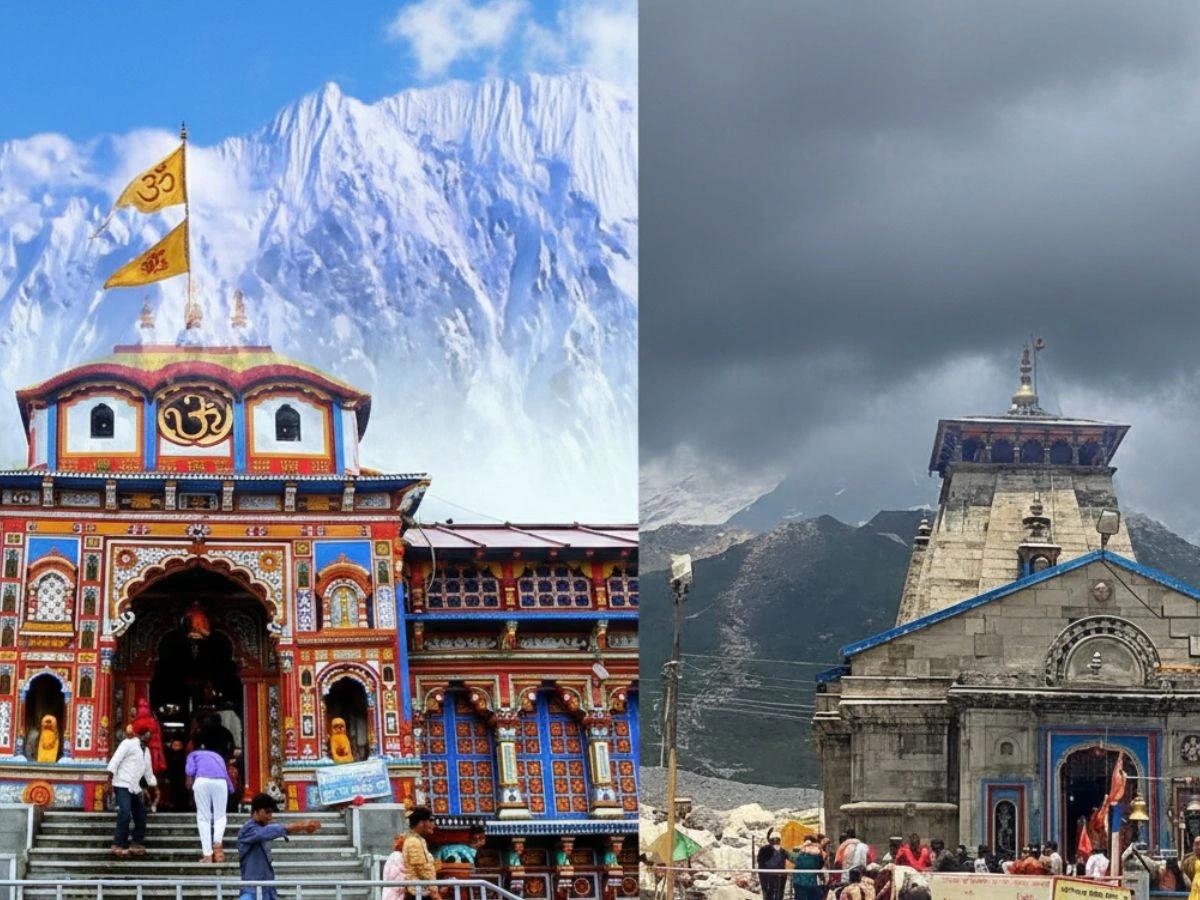
The temple is beautifully framed by the towering Neelkanth Peak, often referred to as the “Garhwal Queen.” The scenic beauty around the temple enhances its spiritual atmosphere.
Due to extreme winter conditions, the temple remains open only from April/May to October/November each year. During winter, the idol is moved to a nearby village for worship.
Mythological Story Behind the History of Badrinath Temple
The History of Badrinath Temple begins in ancient Hindu scriptures and Puranas.
The Meditation of Lord Vishnu
According to mythology, Lord Vishnu came to this region to meditate. At that time, the area was covered with dense forests of wild berries called “Badri.” Seeing Lord Vishnu meditating under harsh weather conditions, Goddess Lakshmi took the form of a Badri tree to protect him from snow and sunlight.
Because of this divine act, Lord Vishnu came to be known as “Badri Narayan,” and the place became famous as Badrinath.
This sacred story explains why devotees consider this temple a symbol of devotion and protection.
Connection with Adi Shankaracharya
The historical development of the temple is closely linked to Adi Shankaracharya.
It is believed that in the 8th century, Adi Shankaracharya discovered the idol of Lord Vishnu in the Alaknanda River. He established the temple and revived Hindu pilgrimage traditions in the region.
His efforts played a crucial role in making Badrinath a major spiritual center. He also included it as one of the four Char Dham pilgrimage sites in India.
Without his contribution, the temple might not have achieved its present spiritual prominence.
Who is the God of Badrinath Temple?
The presiding deity of the temple is Lord Vishnu, worshipped here as Badri Narayan.
Idol Description
The idol is made of black stone (Shaligram) and stands about 1 meter tall. Lord Vishnu is seen in a meditative posture, unlike his usual standing form in other temples.
This unique posture symbolizes peace, penance, and deep meditation.
Other Deities Inside the Temple
Along with Lord Vishnu, the temple complex also houses idols of:
- Goddess Lakshmi
- Nar and Narayan
- Lord Kubera
- Sage Narada
These deities enhance the spiritual importance of the shrine.
Architecture of Badrinath Temple
The architectural style of the temple is simple yet powerful.
1. Structure and Design
The temple structure consists of three main parts:
- Garbh Grah (Sanctum)
- Darshan Mandap
- Sabha Mandap
The Garbh Grah is where the main idol is placed. It is small but deeply sacred.
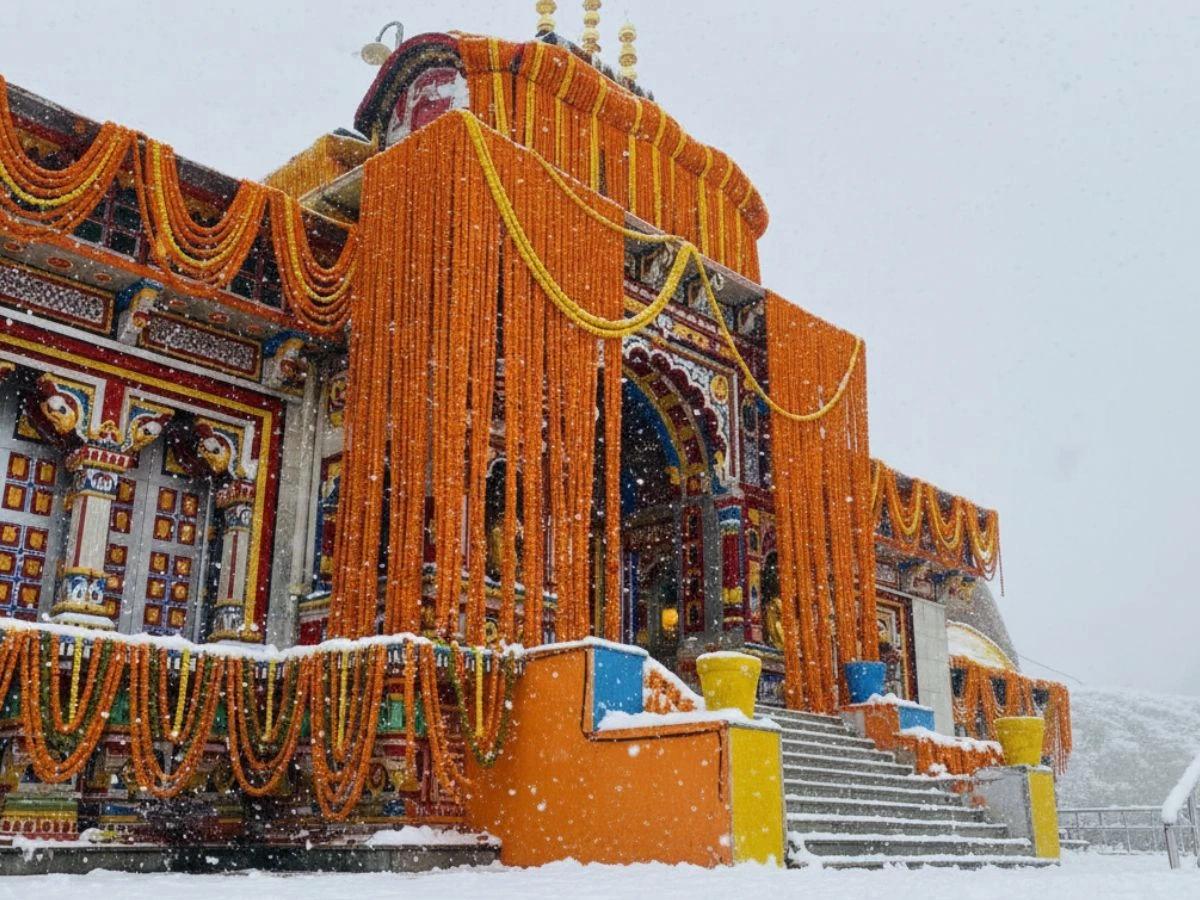
The temple has a colorful façade with intricate carvings and a gold-gilded roof. Though rebuilt several times due to natural calamities, its spiritual essence remains untouched.
2. Height and Construction Material
The temple stands approximately 50 feet tall and is constructed mainly using stone. Due to harsh weather conditions, renovations have taken place throughout history.
Despite earthquakes and avalanches, the temple has survived for centuries strengthening devotees’ belief in divine protection.
Spiritual Importance of Badrinath Temple
The temple holds immense spiritual value in Hinduism.
Importance in Char Dham Yatra
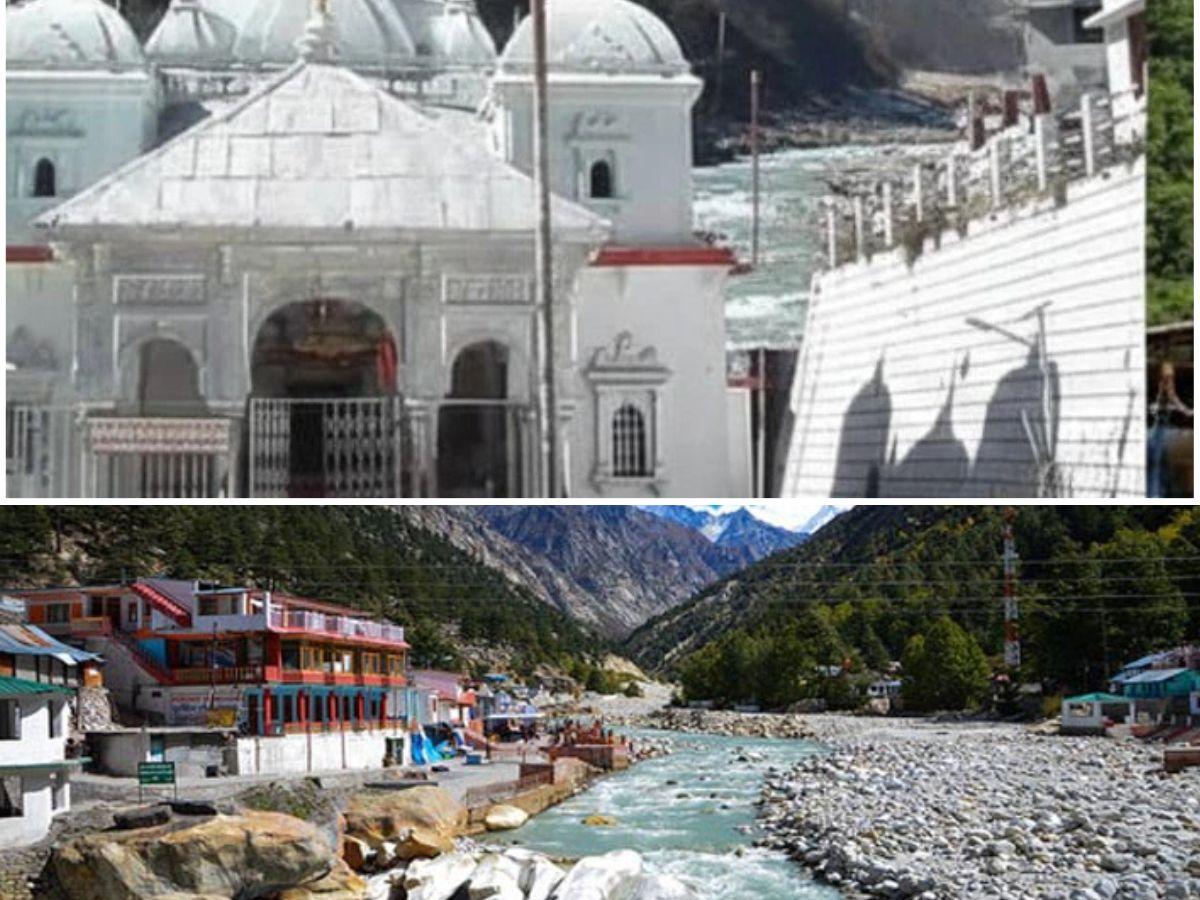
Badrinath is one of the four sacred Char Dham pilgrimage sites in India, along with:
- Yamunotri
- Gangotri
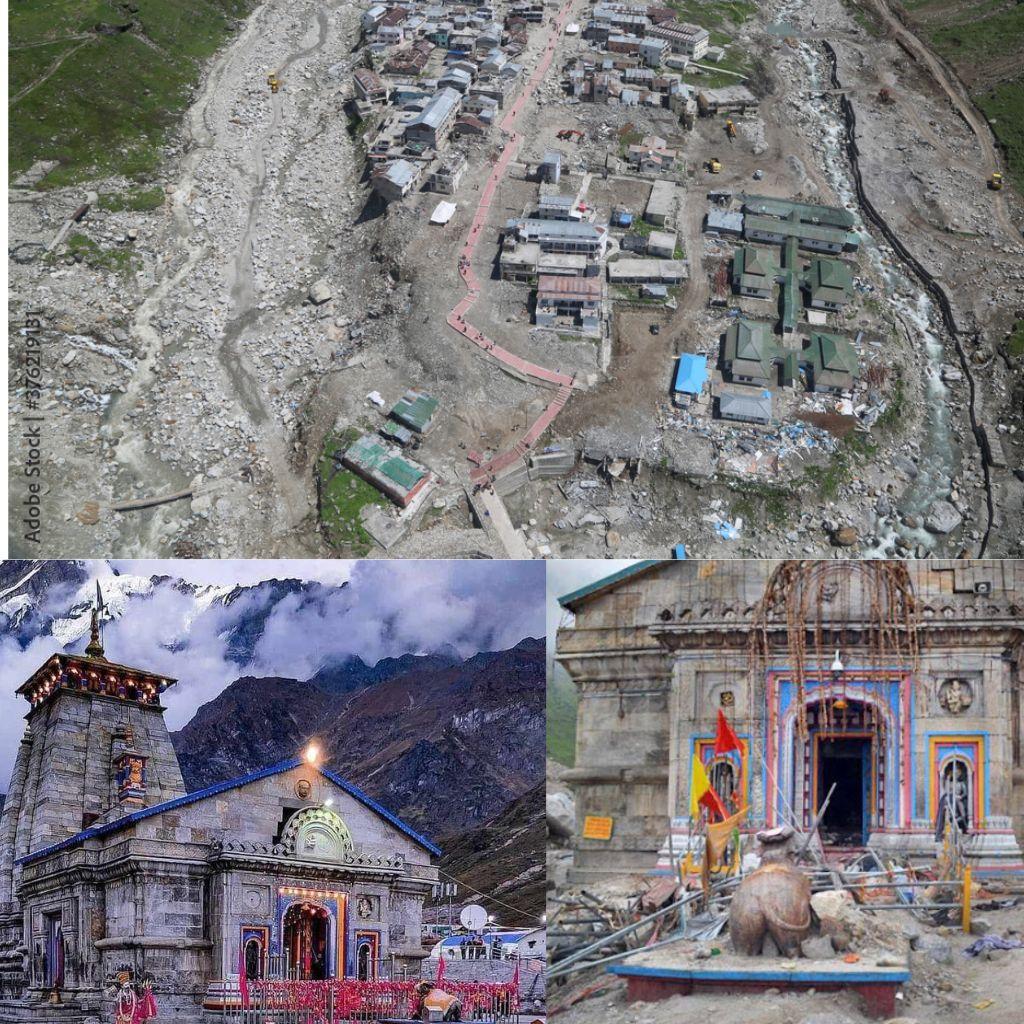
- Kedarnath
It is believed that visiting all four dhams washes away sins and grants salvation (moksha).
Part of 108 Divya Desams
Badrinath is also one of the 108 Divya Desams, sacred temples dedicated to Lord Vishnu, mentioned in ancient Tamil scriptures.
This dual importance increases its religious significance across India.
Daily Rituals and Darshan Timings
Rituals at the temple follow strict traditional practices.
1. Morning Rituals
- Maha Abhishek
- Abhishek Puja
- Gita Path
Morning darshan usually begins around 4:30 AM.
2. Evening Aarti
The evening aarti is a divine experience where devotional hymns fill the temple premises. The spiritual energy during this time is truly overwhelming.
Seasonal Opening Ceremony
The temple opening ceremony takes place on an auspicious date determined by Hindu priests. The closing ceremony is equally grand and emotional for devotees.
Historical Challenges and Reconstruction
Over centuries, the temple has faced natural disasters such as:
- Earthquakes
- Floods
- Avalanches
The Garhwal kings played a major role in reconstructing and maintaining the temple structure.
Despite repeated damage, the temple continues to stand as a symbol of resilience and faith.
Badrinath in Ancient Scriptures
The temple is mentioned in several sacred texts:
- Skanda Purana
- Vishnu Purana
- Mahabharata
According to Mahabharata, the Pandavas passed through this region on their final journey to heaven.
Such references increase the historical and mythological depth of the temple.
Nearby Sacred Sites with Historical Relevance
The area around Badrinath also has mythological significance.
Mana Village
Mana Village is believed to be the last village of India. It is associated with stories of the Pandavas and sage Vyasa.
Tapt Kund
This natural hot water spring is believed to have medicinal properties and spiritual purification benefits.
These nearby sites add more layers to the temple’s historical importance.
Cultural and Religious Impact on Society
The temple has influenced:
- Hindu pilgrimage traditions
- Cultural unity across India
- Spiritual tourism
- Economic development of the region
Priests of the temple traditionally belong to Kerala, which symbolizes cultural integration between North and South India.
This unique tradition highlights India’s spiritual unity.
Why the History of Badrinath Temple Still Inspires Millions
Even today, the History of Badrinath Temple inspires millions of devotees. The blend of mythology, history, architecture, and devotion creates a powerful spiritual atmosphere.
It is not just a temple it is a living tradition of faith that has survived for thousands of years.
The peaceful environment, sacred river, and mountain backdrop together create an experience that feels truly divine.
Frequently Asked Questions (FAQs)
1. What is the history of Badrinath Temple?
The temple’s history dates back to ancient Hindu scriptures. It was re-established in the 8th century by Adi Shankaracharya after he discovered the idol in the Alaknanda River.
2. Who built Badrinath Temple?
The present structure was established by Adi Shankaracharya and later renovated by Garhwal kings.
3. Which god is worshipped in Badrinath Temple?
Lord Vishnu is worshipped here as Badri Narayan.
4. Why is Badrinath part of Char Dham?
It is considered one of the holiest pilgrimage sites in India, believed to grant spiritual liberation.
5. What is the altitude of Badrinath Temple?
The temple is located at about 3,133 meters (10,279 feet) above sea level.
6. When does Badrinath Temple open each year?
The temple usually opens in late April or early May and closes around October or November, depending on weather conditions.
7. Is Badrinath mentioned in Hindu scriptures?
Yes, it is mentioned in several ancient texts including Vishnu Purana and Skanda Purana.
Conclusion
The History of Badrinath Temple is a beautiful blend of mythology, devotion, resilience, and spiritual power. From Lord Vishnu’s meditation to Adi Shankaracharya’s revival efforts, every chapter of its story reflects divine grace.
Surrounded by Himalayan peaks and flowing sacred waters, the temple stands as a timeless symbol of faith. For devotees, visiting Badrinath is not just a pilgrimage it is a journey toward inner peace and spiritual awakening.
If you truly wish to understand India’s spiritual heritage, learning about the History of Badrinath Temple is the perfect place to begin.
Visit Tirth for complete information about the Aarti, Rituals