Badrinath Dham is one of the most sacred pilgrimage sites in India and a key destination in the revered Char Dham Yatra. Nestled in the majestic Himalayas of Uttarakhand, this holy shrine is dedicated to Lord Vishnu and attracts millions of devotees every year. Surrounded by snow-capped peaks and situated along the banks of the Alaknanda River, Badrinath offers a divine blend of spirituality, mythology, and natural beauty.
Whether you are planning a pilgrimage, researching Char Dham Yatra, or simply exploring India’s spiritual heritage, this complete guide covers everything about Badrinath Dham : history, darshan timings, aarti schedule, travel information, nearby attractions, and useful travel tips.
About Badrinath Dham
Badrinath Dham is located in the Chamoli district of Uttarakhand at an altitude of approximately 3,300 meters (10,827 feet). The temple stands between the Nar and Narayan mountain ranges, with the majestic Neelkanth Peak forming a stunning backdrop.
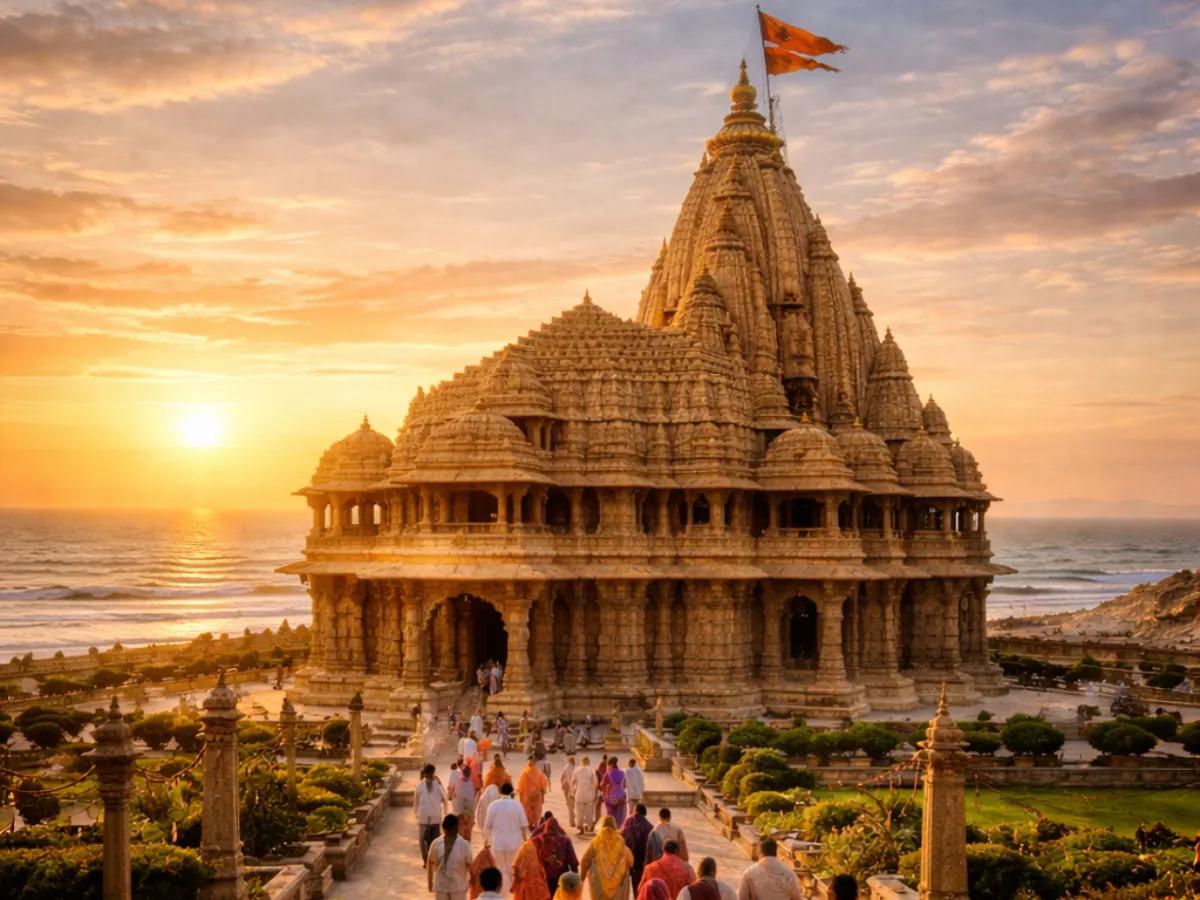
The temple is dedicated to Lord Vishnu in his form as Badrinarayan. It is one of the four sacred sites in the Char Dham pilgrimage circuit, along with:
- Dwarkadhish Temple
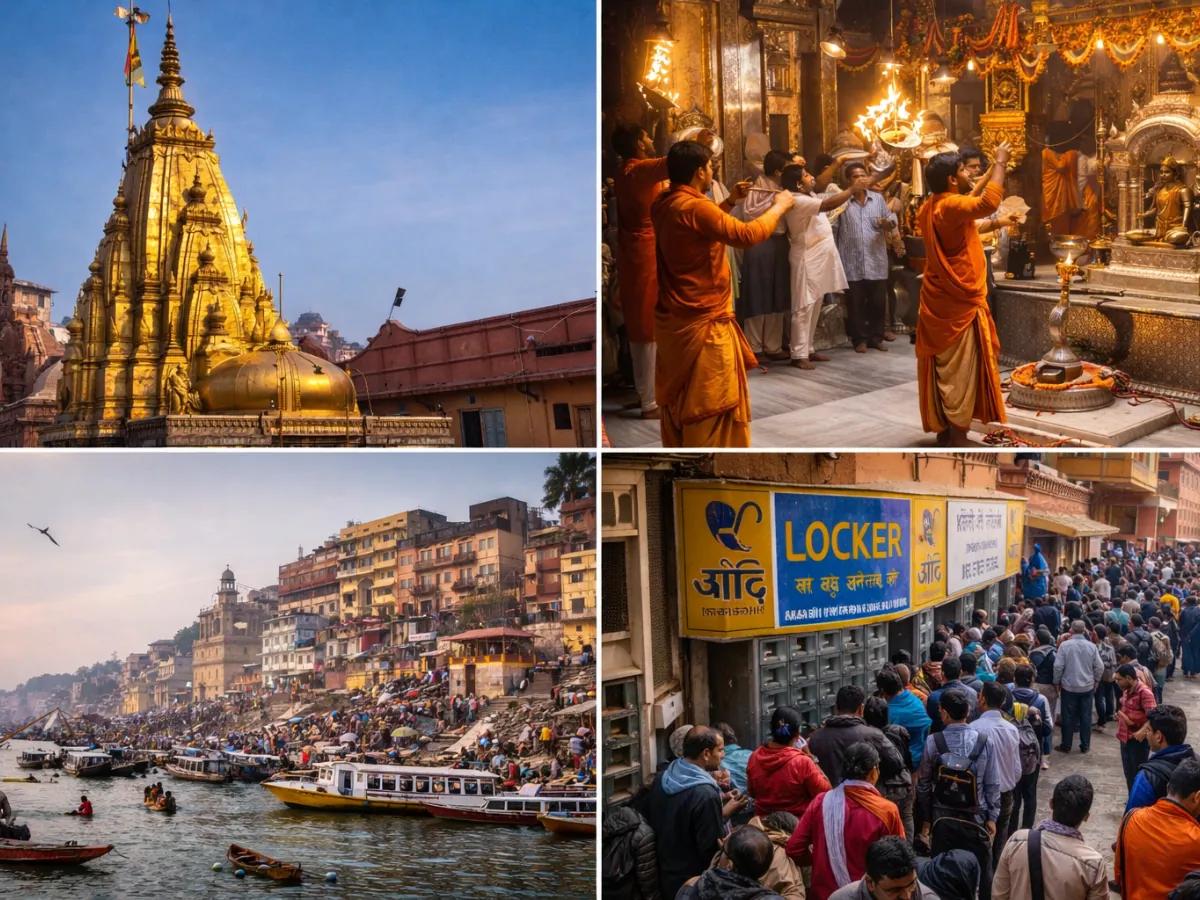
- Jagannath Temple
- Ramanathaswamy Temple
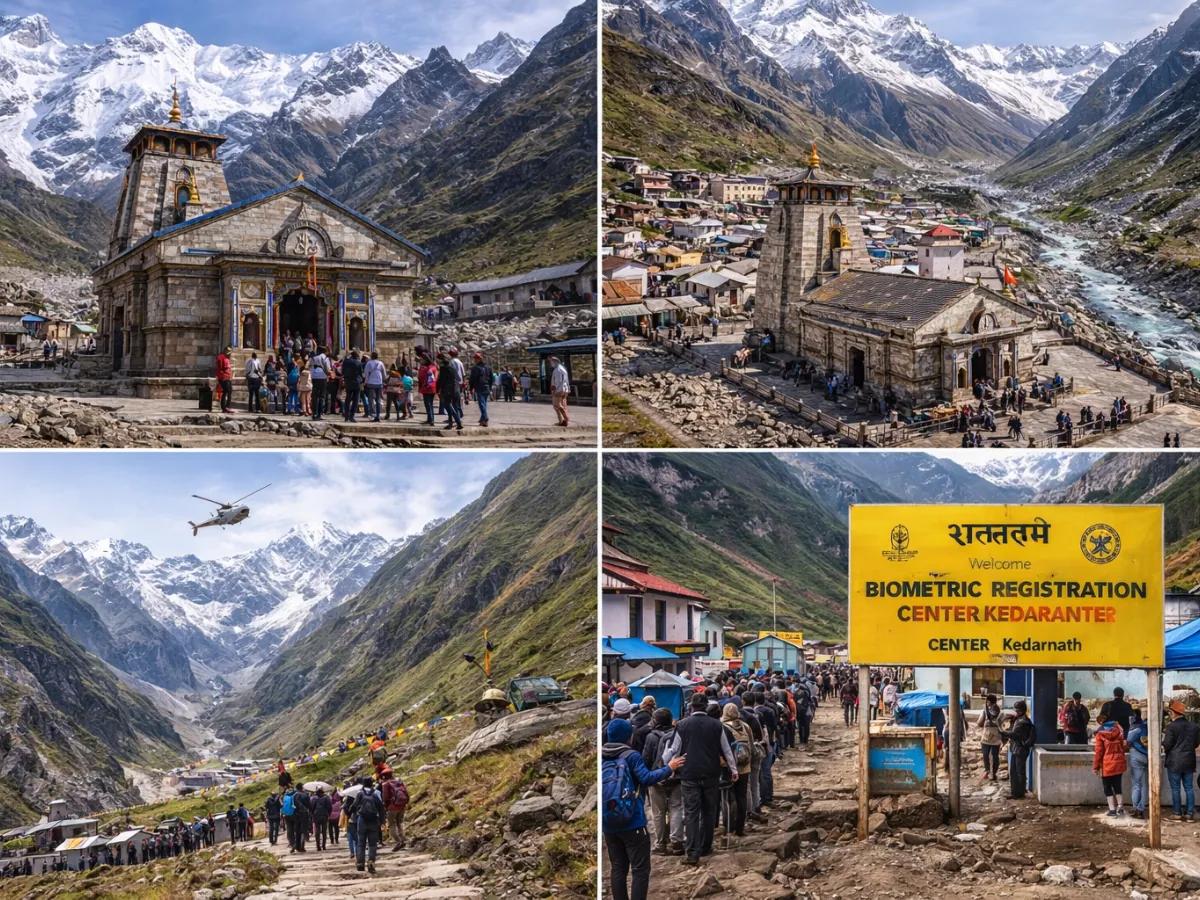
Additionally, it is part of the Chota Char Dham circuit of Uttarakhand, which includes Kedarnath, Gangotri, and Yamunotri.
Historical Background of Badrinath Temple
The origins of Badrinath Dham date back to ancient Vedic times. The temple finds mention in several Hindu scriptures, including the Vishnu Purana and Skanda Purana.
It is believed that the temple was re-established in the 8th century by the great philosopher and saint Adi Shankaracharya. According to legend, he discovered the idol of Lord Vishnu in the Alaknanda River and enshrined it in a cave near Tapt Kund.
Over centuries, the temple has been renovated by various rulers, including the kings of Garhwal. Despite natural calamities and harsh weather conditions, Badrinath continues to stand as a symbol of faith and devotion.
Religious Significance of Badrinath Dham
Badrinath holds immense importance in Hinduism. It is considered one of the 108 Divya Desams sacred abodes of Lord Vishnu revered by Vaishnavites.
Why is Badrinath So Sacred?
- Lord Vishnu is believed to have meditated here under a Badri tree.
- Goddess Lakshmi is said to have protected him in the form of a Badri tree.
- The site is associated with Nar and Narayan, incarnations of Vishnu.
- Pilgrimage to Badrinath is believed to wash away sins and grant moksha (liberation).
Many devotees believe that completing the Char Dham Yatra ensures spiritual salvation.
Idol and Architecture of Badrinath Temple
The main idol inside the temple is a 1-meter tall black stone (Shaligram) statue of Lord Vishnu in a meditative posture. The deity holds a conch (Shankh) and discus (Chakra).
Temple Structure Includes:
- Garbhagriha (Sanctum Sanctorum) : Houses the idol of Badrinarayan.
- Darshan Mandap : Where devotees gather for worship.
- Sabha Mandap : Assembly hall for rituals and gatherings.
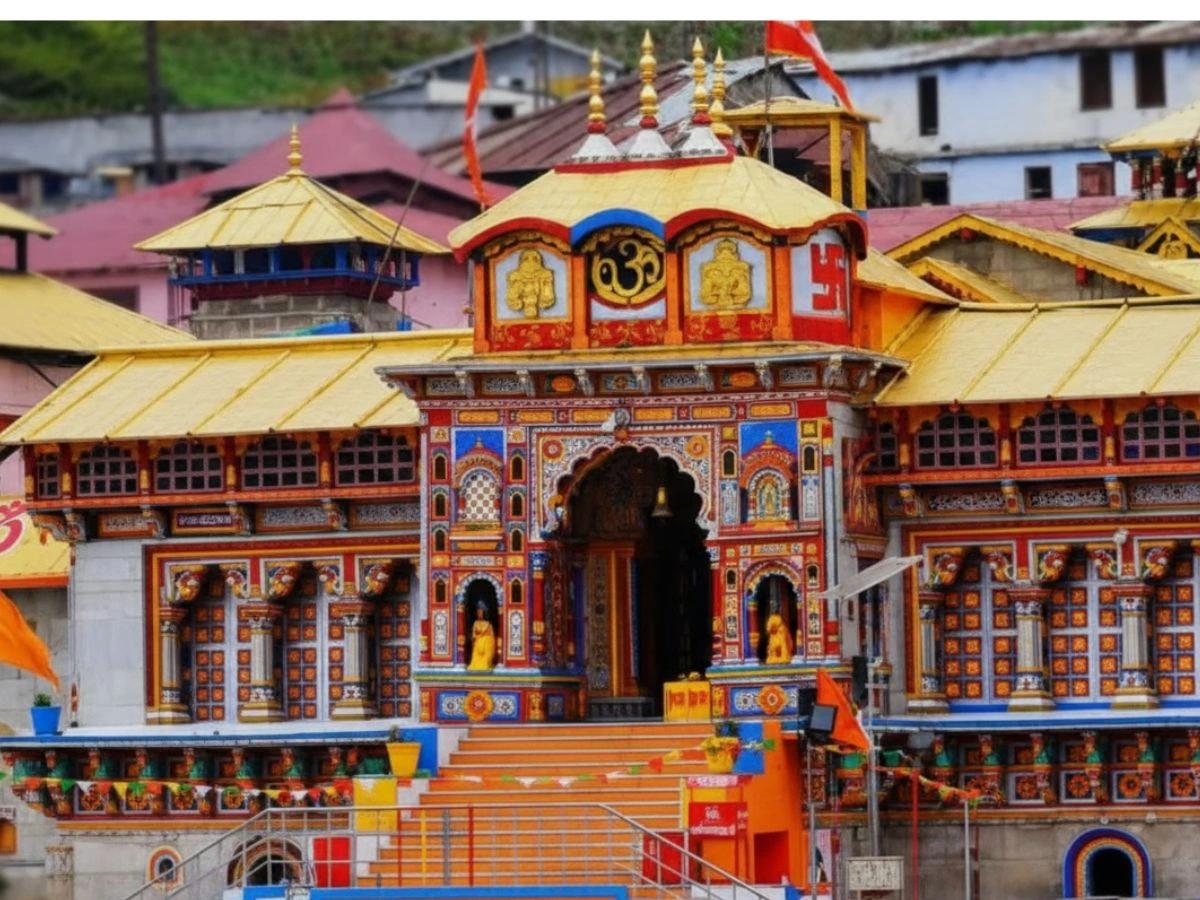
The temple’s colorful façade, arched windows, and gold-gilded roof add to its distinct Himalayan architectural charm.
Badrinath Dham Opening & Closing Dates
Due to extreme weather conditions, the temple remains open only for six months each year.
- Opening Date: On Akshaya Tritiya (April/May)
- Closing Date: On Bhai Dooj (October/November)
During winter, the idol is moved to Joshimath for worship as heavy snowfall makes access impossible.
Badrinath Darshan Timings
The temple generally follows this schedule (may vary slightly):
- Morning Darshan: 4:30 AM : 1:00 PM
- Evening Darshan: 4:00 PM : 9:00 PM
Early morning darshan is considered especially auspicious.
Badrinath Aarti Timings & Pujas
Several daily rituals and special pujas are performed at Badrinath Temple.
Major Aartis:
- Maha Abhishek (Early morning)
- Abhishek Puja
- Geet Govind Path
- Evening Aarti
- Shayan Aarti
Devotees can book special pujas online through the official temple committee website.
How to Reach Badrinath Dham
Reaching Badrinath requires a scenic but challenging journey through the Himalayas.
By Air
Nearest airport: Jolly Grant Airport, Dehradun (approx. 310 km)
By Train
Nearest railway stations:
- Rishikesh
- Haridwar
By Road
Well-connected by road from:
- Haridwar
- Rishikesh
- Dehradun
Government buses, taxis, and private vehicles operate during the pilgrimage season.
Best Time to Visit Badrinath
The best time to visit Badrinath Dham is:
Summer (May:June)
- Pleasant weather
- Ideal for pilgrimage
Post Monsoon (September:October)
- Clear skies
- Less crowd
Avoid Heavy Monsoon (July:August)
- Landslide risks
- Road blockages
Weather in Badrinath
- Summer Temperature: 7°C to 18°C
- Winter Temperature: Below 0°C (heavy snowfall)
Always carry warm clothes, even during summer months.
Nearby Places to Visit Around Badrinath
1. Mana Village
India’s last village near the Indo Tibetan border.
2. Tapt Kund
Natural hot water spring before temple entry.
3. Vasudhara Falls
Beautiful waterfall located 9 km from Badrinath.
4. Charan Paduka
Rock with footprints believed to belong to Lord Vishnu.
5. Neelkanth Peak
Snow-covered peak offering breathtaking views.
Badrinath Yatra Registration Process
Char Dham Yatra registration is mandatory.
Steps:
- Visit official Uttarakhand tourism website.
- Register with ID proof.
- Complete biometric verification.
- Carry registration slip during travel.
Health check-ups are recommended due to high altitude.
Accommodation Options in Badrinath
You can find:
- Dharamshalas
- Budget hotels
- GMVN guest houses
- Private lodges
Advance booking is highly recommended during peak season.
Important Travel Tips
- Carry heavy woollens.
- Keep medicines for altitude sickness.
- Stay hydrated.
- Start journey early to avoid traffic congestion.
- Check weather updates before travel.
- Mobile network is limited; BSNL works best in many areas.
FAQs About Badrinath Dham
What is the altitude of Badrinath?
Approximately 3,300 meters above sea level.
Is VIP darshan available?
Yes, special darshan passes can be booked.
How many days are required?
2:3 days including travel from Haridwar/Rishikesh.
Is Badrinath safe for elderly pilgrims?
Yes, but medical consultation is advised.
Conclusion
Badrinath Dham is not just a temple; it is a journey of faith, devotion, and spiritual awakening. Surrounded by the divine beauty of the Himalayas and blessed with centuries-old traditions, it stands as one of India’s most sacred pilgrimage destinations.
A visit to Badrinath offers peace, spiritual upliftment, and a deep connection with divine energy. Whether you are completing the Char Dham Yatra or visiting for the first time, this sacred abode of Lord Vishnu promises an unforgettable experience.
Visit Tirth for complete information about the Aarti, Rituals