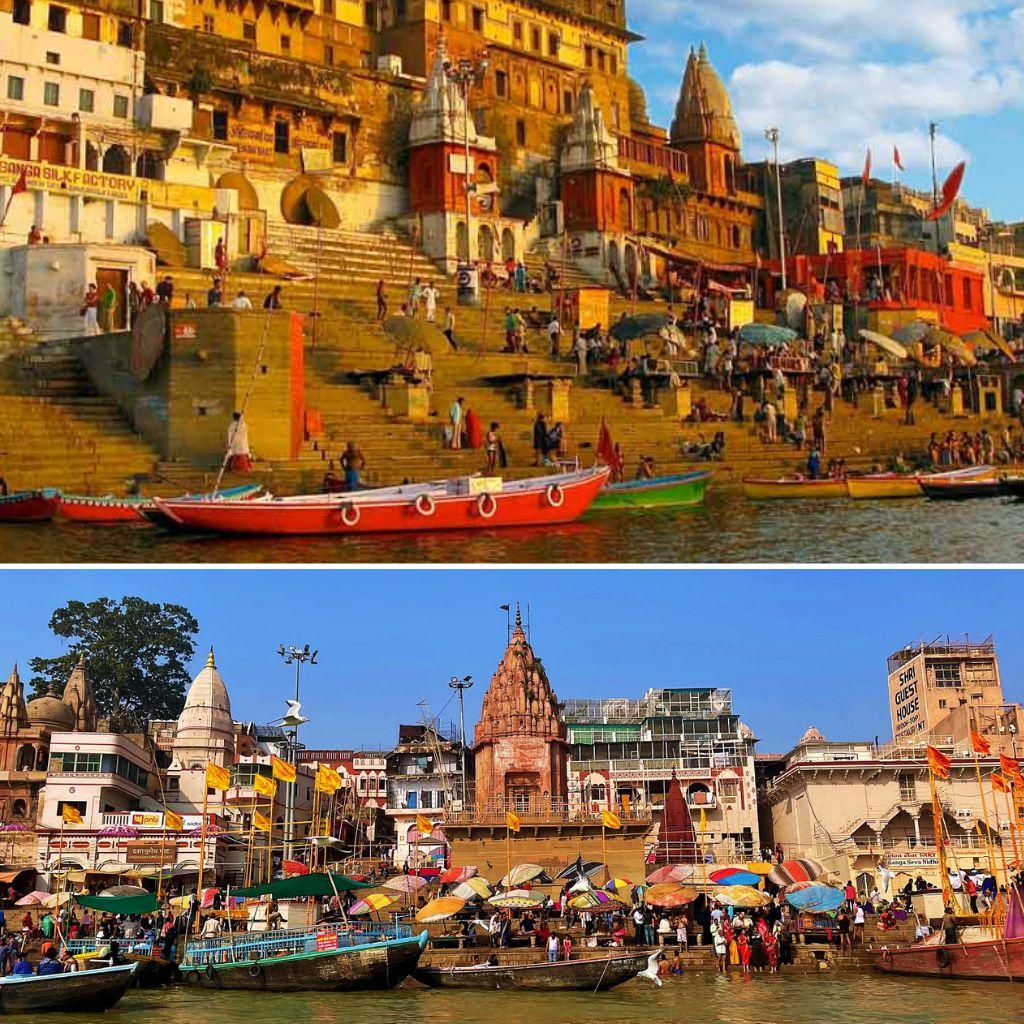
The sacred city of Varanasi is known for its ancient temples, spiritual atmosphere, and beautiful ghats along the holy Ganges River. Among the many ghats in the city, Assi Ghat and Dashashwamedh Ghat are two of the most visited locations by pilgrims and tourists.
Many visitors enjoy walking along the riverfront to explore the spiritual charm of Varanasi. One of the most common questions travelers ask is about the distance from Assi Ghat to Dashashwamedh Ghat and how long it takes to travel between these two iconic ghats.
This guide explains the distance, walking route, travel options, and important places you can see along the way.
Assi Ghat to Dashashwamedh Ghat Distance
The distance between Assi Ghat and Dashashwamedh Ghat is approximately 2.5 kilometers along the riverfront.
If you walk along the ghats beside the Ganges River, the journey usually takes about 30 to 40 minutes, depending on your pace and the number of stops you make along the way.
Walking this route is one of the best experiences in Varanasi because you can witness the spiritual life of the city up close.
Walking Route from Assi Ghat to Dashashwamedh Ghat
The riverfront walkway connects several historic ghats between these two points. Pilgrims and travelers often start their journey from Assi Ghat, which is one of the most peaceful and lively ghats in the city.
As you walk toward Dashashwamedh Ghat, you will pass several important ghats that reflect the rich spiritual and cultural heritage of Varanasi.
Some of the notable ghats along the route include:
Walking Route from Assi Ghat to Dashashwamedh Ghat
Walking from Assi Ghat to Dashashwamedh Ghat is one of the most beautiful and spiritually enriching experiences in Varanasi. The ghats along the banks of the sacred Ganges River are connected by a long stone walkway that allows pilgrims and tourists to explore the ancient riverfront while witnessing daily life and rituals.
This route is not just a simple walk; it is a journey through centuries of history, devotion, and culture. As you move along the ghats, you will see temples, priests performing rituals, devotees taking holy dips, and locals carrying out their daily prayers.
Most travelers begin their walk from Assi Ghat, which is considered the southern gateway of the ghats of Varanasi. The ghat is known for its peaceful environment, morning yoga sessions, and stunning sunrise views over the Ganges. Early in the morning, you can see pilgrims performing prayers, students practicing yoga, and spiritual seekers meditating near the river.
From Assi Ghat, the walkway gradually leads you north toward Dashashwamedh Ghat, passing through several historically important ghats. Each ghat has its own unique story and spiritual importance.
Tulsi Ghat
One of the first major ghats you encounter is Tulsi Ghat. This ghat is named after the famous saint and poet Tulsidas, who is believed to have lived in this area.
According to tradition, Tulsidas composed parts of the sacred text Ramcharitmanas here. Because of this association, Tulsi Ghat holds great importance for followers of Lord Rama. The ghat is also known for hosting cultural events and religious festivals, especially during the celebration of Nag Nathaiya, a festival connected with the childhood stories of Lord Krishna.
Janki Ghat
As you continue walking, you will reach Janki Ghat, a relatively quieter and less crowded ghat. The ghat is named after Goddess Sita, who is also known as Janki.
This ghat offers a peaceful atmosphere where visitors can relax and observe the calm flow of the Ganges. Many pilgrims stop here for quiet prayers and meditation.
Shivala Ghat
Further along the route lies Shivala Ghat, which has a strong historical and royal connection. The ghat is associated with old palaces and temples built by regional kings and nobles.
Shivala Ghat is also known for its proximity to several temples dedicated to Lord Shiva, making it a spiritually significant stop along the walking route.
Harishchandra Ghat
One of the most important ghats along this journey is Harishchandra Ghat. This ghat is one of the two main cremation ghats in Varanasi.
According to legend, the ghat is named after King Harishchandra, who was known for his unwavering commitment to truth and righteousness. It is believed that he once worked at this cremation ground as part of a divine test of his integrity.
Funeral rituals are performed here throughout the day and night, reflecting the deep spiritual belief in Varanasi that cremation by the Ganges helps attain liberation or moksha.
Kedar Ghat
Continuing further, you will arrive at Kedar Ghat, which is one of the most colorful and vibrant ghats in the city.
The ghat is famous for the Kedareshwar Temple, dedicated to Lord Shiva. The temple’s architecture resembles the style of Himalayan temples, especially those found near Kedarnath Temple.
Many South Indian pilgrims prefer bathing at Kedar Ghat because it is believed that the waters here are particularly sacred.
Chowki Ghat
The final stretch of the walk passes through Chowki Ghat, a smaller and quieter ghat compared to the others.
Although it is not as famous as the surrounding ghats, Chowki Ghat still plays an important role in the daily spiritual activities along the river. You may see locals performing morning prayers, priests conducting small rituals, and devotees offering flowers and lamps to the Ganges.
Reaching Dashashwamedh Ghat
After passing these historic ghats, the walk finally leads to Dashashwamedh Ghat, the most famous ghat in the city.
This ghat is believed to be the place where Lord Brahma performed ten horse sacrifices to welcome Lord Shiva. Today, it is the center of spiritual activity in Varanasi and attracts thousands of visitors every day.
In the evening, the ghat becomes the stage for the spectacular Ganga Aarti, where priests perform synchronized rituals with lamps, incense, and chants to honor the sacred river.
Walking this route allows visitors to witness the living heritage of Varanasi, where spirituality, culture, and daily life blend together along the banks of the Ganges River. Many travelers consider this walk to be one of the most unforgettable experiences in the city.
Time Required to Walk Between the Ghats
Walking from Assi Ghat to Dashashwamedh Ghat generally takes:
- Fast walk: 25 : 30 minutes
- Leisure walk: 40 : 50 minutes
- Sightseeing walk: 1 : 2 hours
Many travelers prefer a slow walk because there are many temples, small cafes, and scenic views along the river.
Boat Ride from Assi Ghat to Dashashwamedh Ghat
Another popular way to travel between the ghats is by boat.
A boat ride along the Ganges River offers beautiful views of the entire riverfront of Varanasi.
Boat rides usually take 20 to 30 minutes and are especially popular during sunrise or sunset.
Many visitors choose a boat ride in the evening to reach Dashashwamedh Ghat in time for the famous Ganga Aarti.
Highlights of Assi Ghat
Assi Ghat is one of the southernmost ghats in the city and a favorite place for both locals and tourists.
Key attractions here include:
- Morning yoga sessions
- Sunrise views of the Ganges
- Cultural programs and music events
- Nearby cafes and bookstores
The ghat is also associated with the famous poet Tulsidas, who is believed to have composed parts of the Ramcharitmanas near this area.
Highlights of Dashashwamedh Ghat
Dashashwamedh Ghat is the most famous ghat in the city.
According to Hindu mythology, Lord Brahma performed a grand sacrifice here to welcome Lord Shiva.
The ghat is most famous for the spectacular Ganga Aarti, which takes place every evening.
Thousands of devotees gather here daily to witness this spiritual ceremony.
Best Time to Walk from Assi Ghat to Dashashwamedh Ghat
The best times to explore the ghats are:
Morning (5:30 AM : 8:30 AM)
Evening (4:30 PM : 7:00 PM)
Morning walks offer peaceful views of sunrise on the Ganges River, while evening walks allow visitors to reach Dashashwamedh Ghat in time for the Ganga Aarti.
Travel Tips for Visitors
If you plan to walk between these ghats, keep these tips in mind:
- Wear comfortable footwear
- Carry drinking water
- Be respectful during religious rituals
- Avoid crowded areas during peak festival days
- Keep your belongings secure
Exploring the ghats slowly helps you experience the true spiritual energy of Varanasi.
FAQs
What is the distance from Assi Ghat to Dashashwamedh Ghat?
The distance is approximately 2.5 km along the riverfront.
How long does it take to walk between the ghats?
It usually takes 30 to 40 minutes, depending on your walking pace.
Can I take a boat from Assi Ghat to Dashashwamedh Ghat?
Yes, boat rides are available and take about 20 to 30 minutes.
Which ghat is famous for Ganga Aarti?
Dashashwamedh Ghat is the most famous location for the evening Ganga Aarti in Varanasi.
Conclusion
The journey from Assi Ghat to Dashashwamedh Ghat is one of the most memorable experiences in Varanasi. Whether you walk along the ghats or take a boat ride on the Ganges River, the route offers a glimpse into the city’s rich spiritual traditions and vibrant cultural life.
For pilgrims and travelers alike, exploring these ghats is a beautiful way to connect with the ancient soul of Varanasi.
For more information you may visit tirth.com