India is known as the land of spirituality and devotion. From the majestic Himalayas to the sacred rivers and ancient temples, the country is home to countless Tirth Sthals (holy pilgrimage sites) where millions of devotees visit every year.
These sacred places hold immense religious importance in Hinduism and are believed to cleanse sins, bring peace, and help devotees move closer to moksha (spiritual liberation).
What is a Tirth Sthal?
A Tirth Sthal is a sacred place where devotees visit to perform prayers, rituals, and spiritual practices. In Hindu tradition, these places are believed to be the meeting point between the divine and the earthly world.
Pilgrimage to these holy sites is considered one of the most important spiritual duties.
Char Dham Pilgrimage in India
The Char Dham is considered the most important pilgrimage journey for Hindus.
1. Badrinath Temple
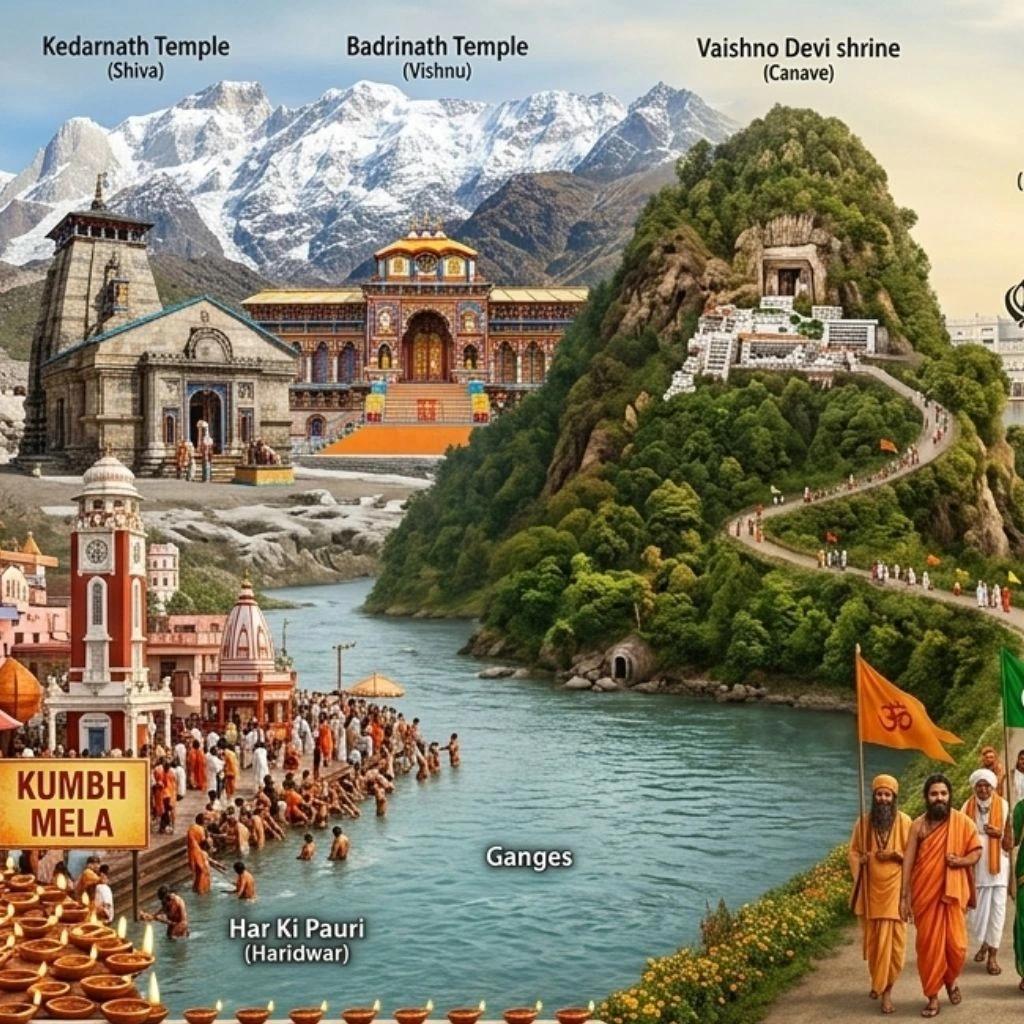
Located in Uttarakhand, this temple is dedicated to Lord Vishnu and is surrounded by the beautiful Himalayas.
2. Dwarkadhish Temple
Situated in the holy city of Dwarka, this temple is dedicated to Lord Krishna.
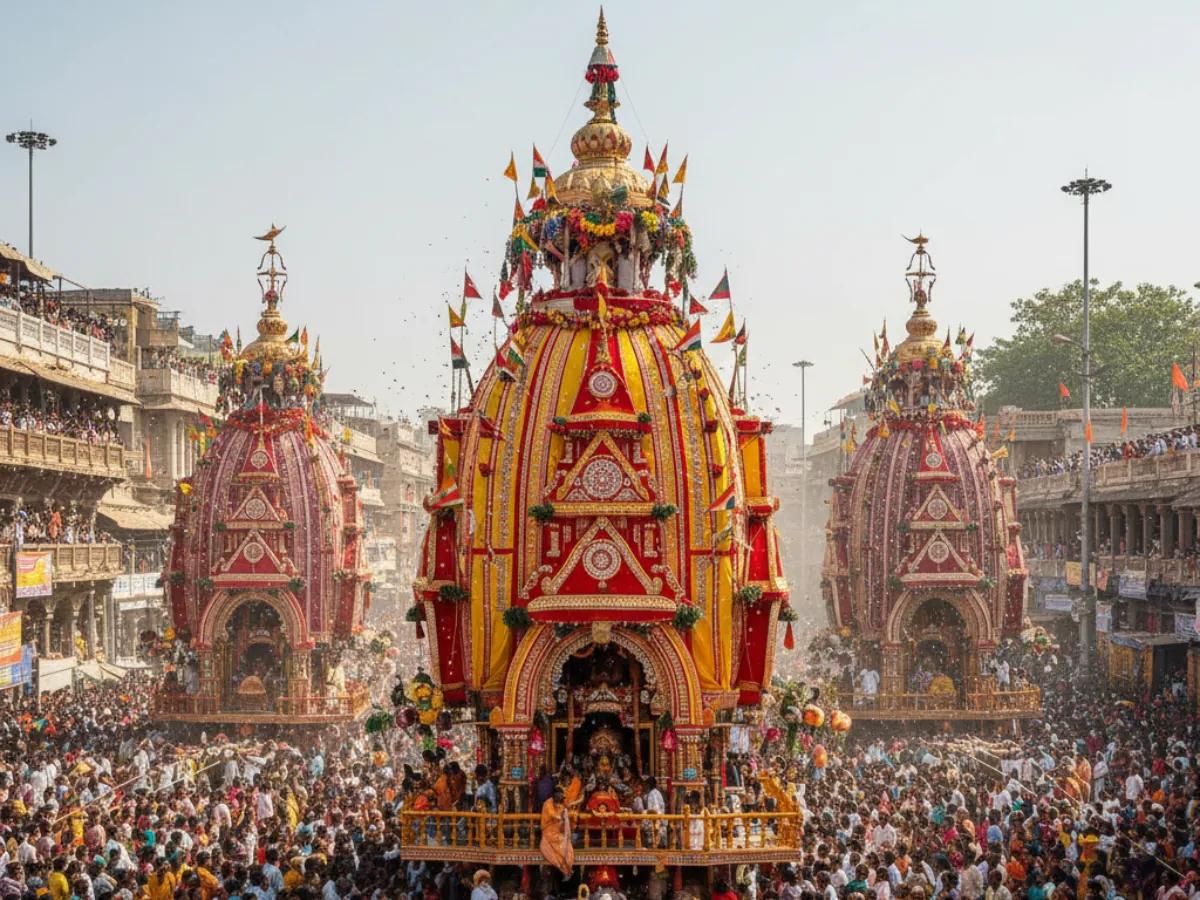
3. Jagannath Temple
This temple is famous for the Rath Yatra celebrated every year.
4. Ramanathaswamy Temple
This sacred temple is associated with Lord Rama and the Ramayana.
12 Jyotirlinga Temples in India
The Jyotirlinga are 12 powerful shrines dedicated to Shiva.
Major Jyotirlinga temples include:
- Kashi Vishwanath Temple
- Somnath Temple
- Mahakaleshwar Temple
- Kedarnath Temple
- Bhimashankar Temple
- Trimbakeshwar Temple
- Nageshwar Jyotirlinga
- Grishneshwar Temple
These temples attract millions of devotees every year.
Famous Tirth Sthal in North India
1. Vaishno Devi Temple
One of the most visited pilgrimage sites dedicated to Vaishno Devi.
2. Har Ki Pauri
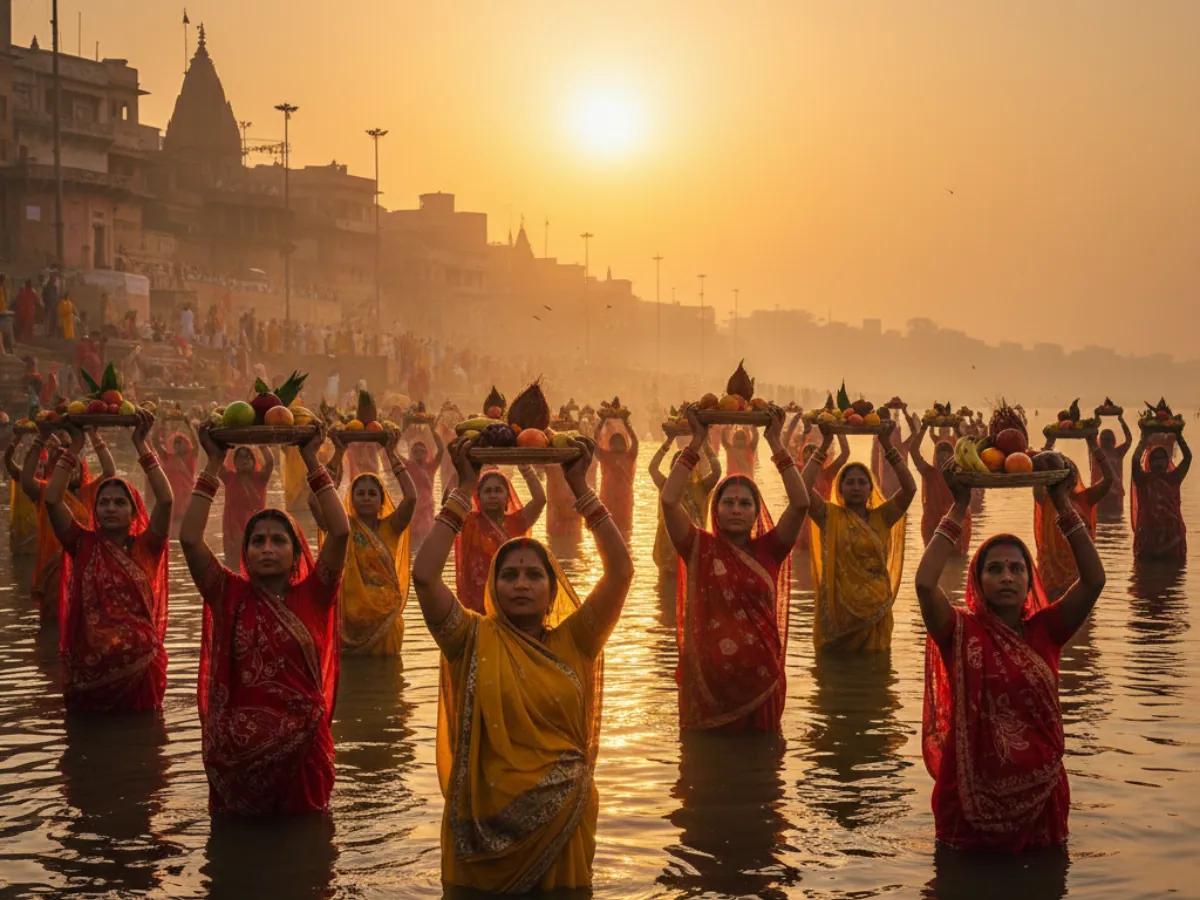
A sacred ghat where devotees take holy baths in the Ganges.
3. Amarnath Cave Temple
A famous shrine where a natural ice Shivling forms every year.
4. Kedarnath Temple
One of the most sacred Shiva temples in the Himalayas.
Famous Tirth Sthal in South India
1.Tirupati Balaji Temple
One of the richest and most visited temples in the world dedicated to Venkateswara.
2. Meenakshi Amman Temple
A magnificent temple dedicated to Goddess Meenakshi.
3. Sabarimala Temple
A famous pilgrimage site dedicated to Ayyappa.
Famous Tirth Sthal in West India
1. Shirdi Sai Baba Temple
A famous pilgrimage destination dedicated to Sai Baba of Shirdi.
2. Siddhivinayak Temple
A highly revered temple of Ganesha.
3. Somnath Temple
One of the most important Jyotirlinga temples of Lord Shiva.
Famous Tirth Sthal in East India
1. Kamakhya Temple
A powerful Shakti Peeth dedicated to Goddess Kamakhya.
2. Dakshineswar Kali Temple
A famous temple dedicated to Kali.
Hidden Tirth Sthal in India (Lesser-Known Pilgrimage Places)
India is home to thousands of sacred temples and pilgrimage destinations. While famous sites like Kashi Vishwanath Temple and Tirupati Balaji Temple attract millions of devotees every year, there are many hidden Tirth Sthal in India that remain less crowded but hold immense spiritual power and historical significance.
These lesser known pilgrimage sites are often located in peaceful natural surroundings such as mountains, forests, and river valleys. Visiting these places offers devotees a more serene and deeply spiritual experience compared to crowded temples.
Below are some of the most important hidden pilgrimage destinations in India.
1. Jageshwar Dham
Jageshwar Dham is one of the most ancient temple complexes dedicated to Shiva. Located in the beautiful Kumaon region of Uttarakhand, this sacred site consists of more than 100 ancient stone temples surrounded by dense deodar forests.
Historians believe these temples were built between the 7th and 12th centuries, making them an important part of India’s spiritual and architectural heritage. The peaceful environment and the presence of multiple Shiva temples make Jageshwar Dham a powerful meditation and pilgrimage destination.
2. Tungnath Temple
Tungnath Temple is famous for being one of the highest Shiva temples in the world, located at an altitude of about 3,680 meters in the Himalayas. It is also one of the five sacred temples of the Panch Kedar pilgrimage.
According to Hindu mythology, this temple is associated with the Pandavas from the Mahabharata, who built the temple to seek forgiveness from Lord Shiva after the Kurukshetra war.
The scenic trekking route and breathtaking Himalayan views make Tungnath both a spiritual and adventure destination.
3. Kalpeshwar Temple
Kalpeshwar Temple is another sacred shrine of the Panch Kedar pilgrimage circuit. Unlike other Himalayan temples that close during winter, Kalpeshwar remains open throughout the year, allowing devotees to visit anytime.
The temple is located in a serene valley surrounded by mountains and forests. It is believed that Lord Shiva’s hair (Jata) appeared at this place, making it highly sacred for Shiva devotees.
Because of its remote location, Kalpeshwar Temple remains relatively uncrowded, offering a peaceful spiritual atmosphere.
4. Devprayag
Devprayag is one of the most sacred river confluences in India. It is the place where the Bhagirathi and Alaknanda rivers merge to form the holy Ganga River.
This spiritual town has deep religious importance in Hindu traditions. Pilgrims visit Devprayag to take holy dips in the sacred waters and perform religious rituals.
The ancient Raghunath Temple located here is another important attraction dedicated to Rama.
5. Ahobilam Temple
Ahobilam is a sacred temple complex dedicated to Narasimha, the fourth incarnation of Vishnu.
The temple complex consists of nine separate shrines, each representing a different form of Lord Narasimha. These temples are located in the scenic Nallamala Hills and are surrounded by forests and waterfalls.
Ahobilam is considered one of the most powerful spiritual centers for followers of the Vaishnav tradition.
6. Rare Spiritual Destinations in India
Apart from well-known temples, India also has many rare and historically significant pilgrimage sites that remain relatively less crowded. These places are known for their ancient architecture, mythology, and cultural importance.
7. Bateshwar Temples
The Bateshwar temple complex is a remarkable group of more than 100 ancient Shiva temples located along the banks of the Yamuna River.
These temples were built in the Gurjara Pratihara architectural style and represent an important part of early medieval Indian history. The peaceful riverbank location and unique temple layout make Bateshwar an extraordinary pilgrimage destination.
8. Sringeri Temple
Sringeri is one of the four Advaita Vedanta monasteries established by Adi Shankaracharya. The main temple here is dedicated to Saraswati.
Located on the banks of the Tunga River, Sringeri is an important spiritual center for seekers of knowledge and meditation.
9. Dharmasthala Temple
Dharmasthala Temple is a unique pilgrimage destination where devotees from different religions visit together. The temple is dedicated to Manjunatha and is known for its tradition of charity and community service.
Thousands of devotees visit Dharmasthala every day to seek blessings and participate in religious activities.
10. Chidambaram Temple
Chidambaram Temple is one of the most significant temples dedicated to Nataraja.
The temple is famous for the concept of Chidambara Rahasyam, a sacred spiritual mystery symbolizing the presence of divine energy.
The temple architecture, spiritual symbolism, and ancient rituals make it one of the most fascinating pilgrimage sites in South India.
11. Konark Sun Temple
Konark Sun Temple is a UNESCO World Heritage Site dedicated to Surya. Built in the 13th century, the temple is designed in the shape of a giant chariot with intricately carved stone wheels.
Although partially in ruins today, it remains one of the most extraordinary temple structures in India.
Best Time to Visit Tirth Sthal in India
The best time to visit pilgrimage sites in India varies depending on the location and climate. However, certain seasons are generally considered ideal for spiritual journeys.
October to March
This period is considered the best time to visit most temples in India because the weather is pleasant and suitable for travel. Many major religious festivals also occur during these months.
Summer Season
The summer months are ideal for visiting Himalayan pilgrimage sites such as
- Kedarnath Temple
- Badrinath Temple
These temples remain closed during winter due to heavy snowfall and reopen in summer for pilgrims.
Festival Season
Visiting pilgrimage sites during religious festivals offers a unique spiritual experience. Events like the Kumbh Mela, temple festivals, and special rituals attract millions of devotees.
Many pilgrims plan their journeys during these occasions to receive divine blessings and participate in traditional ceremonies.
FAQs
1. What is the most famous Tirth Sthal in India?
Some of the most famous include Badrinath, Kedarnath, Varanasi, Tirupati, Vaishno Devi, and Somnath Temple.
2. How many Jyotirlinga temples are there in India?
There are 12 Jyotirlinga temples dedicated to Lord Shiva.
3. What is the most sacred pilgrimage in India?
The Char Dham Yatra is considered one of the most sacred pilgrimages.
4. Which city is known as the spiritual capital of India?
Varanasi is often called the spiritual capital of India.
Conclusion
India is filled with sacred pilgrimage destinations that reflect the country’s rich spiritual heritage. Visiting these Tirth Sthals allows devotees to connect with divine energy, experience ancient traditions, and gain inner peace.
Whether it is the holy city of Varanasi, the sacred Char Dham, or the powerful Jyotirlinga temples, each pilgrimage place offers a unique spiritual journey.
For more information you may visit tirth.com