What is Teej?
Teej is one of the many Hindu festivals that has cultural and regional significance. The festival primarily takes place in Rajasthan, Madhya Pradesh, Uttar Pradesh and Bihar. Teej is celebrated to honor the bond between Lord Shiva and Goddess Parvati. During this festival women fast and pray for the health and prosperity of their husbands. They also dress up, decorate their hands with henna and perform rituals.
Teej, like many Hindu festivals (Karva Chauth, Navratri, and Vat Savitri), is also a festival of cultivation, devotion, and the celebration of spirit. The festival is a perfect example of combining cultural practices with worship.
For those interested in Indian festivals and their significance,
Tirth – Indian Festivals & Traditions
Teej is a celebration of ritual fasting, love, strength, and devotion.
Teej 2026 Date, Muhurat & Timings
Here are the key details for Hariyali Teej 2026:
| Event | Details |
|---|---|
| Festival Name | Hariyali Teej |
| Year | 2026 |
| Day | Friday |
| Gregorian Date | 7 August 2026 |
| Hindu Month | Shravan |
| Paksha | Shukla Paksha |
| Tithi | Tritiya |
| Tritiya Tithi Begins | 6 August 2026 – Evening |
| Tritiya Tithi Ends | 7 August 2026 – Night |
| Preferred Puja Timing | Morning to Afternoon on 7 August 2026 |
Teej is celebrated during the Shravan month when the monsoon enhances the festive spirit.
Teej Festivals in India
The three main types of Teej festivals are:
- Hariyali Teej – This one is celebrated during the monsoon season.
- Kajari Teej – This is celebrated during the Krishna Paksha of Bhadrapada.
- Hartalika Teej – This is celebrated during the Shukla Paksha of Bhadrapada.
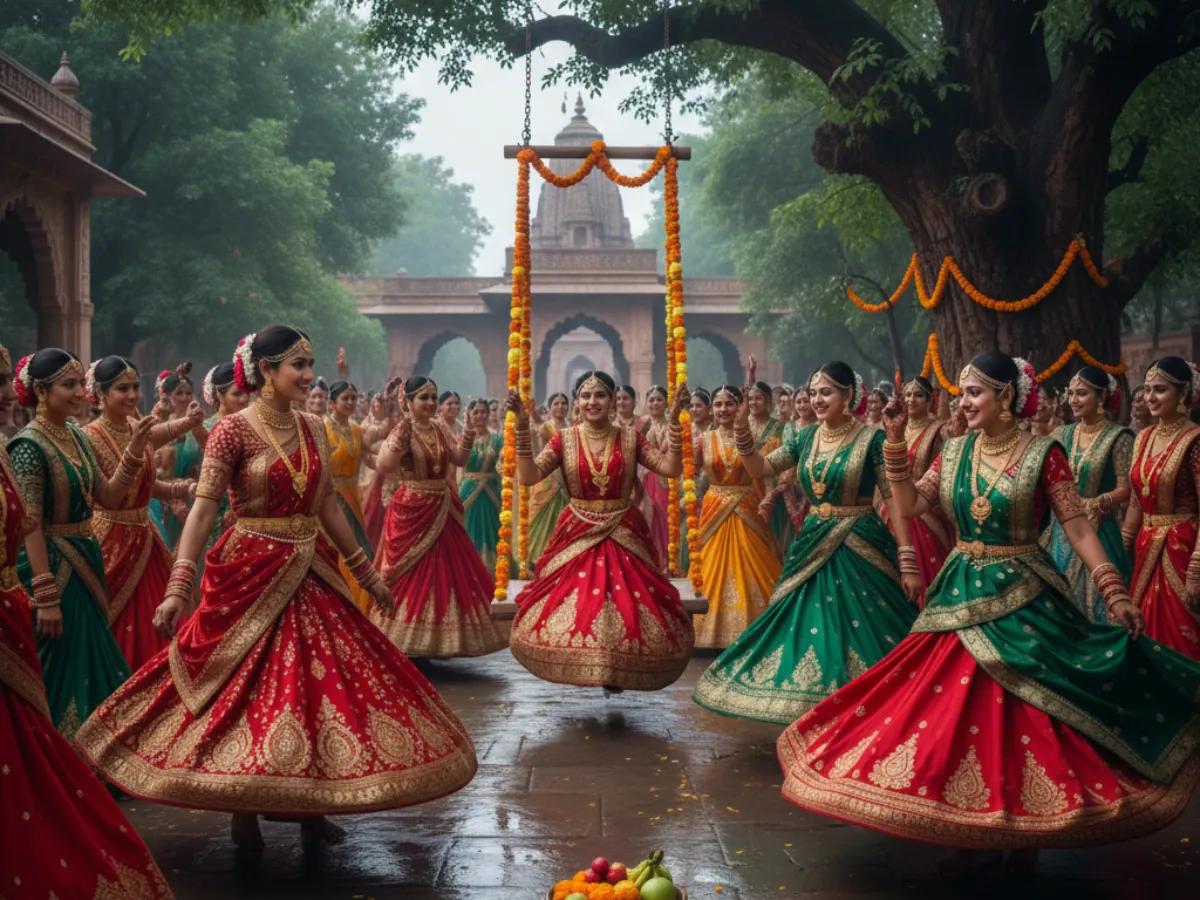
Of these three, Hariyali Teej is the most popular. This is associated with the use of swings, green clothing, and other festive celebrations.
The Meaning of Teej
Teej symbolizes the reunion of Lord Shiva and Goddess Parvati after several years of penance and devotion. This symbolizes:
- Dedication and Patience
- Marital Peace
- Strength and Resilience
Women who do this vrata do this to seek the blessings of the God for the happiness and stability and well being of the entire family.
Most families engage in the traditional forms of puja and the varta of Teej that is illustrated in Tirth’s Puja and Vrat guides.
Teej Customs and Rituals
Puja and Fasting
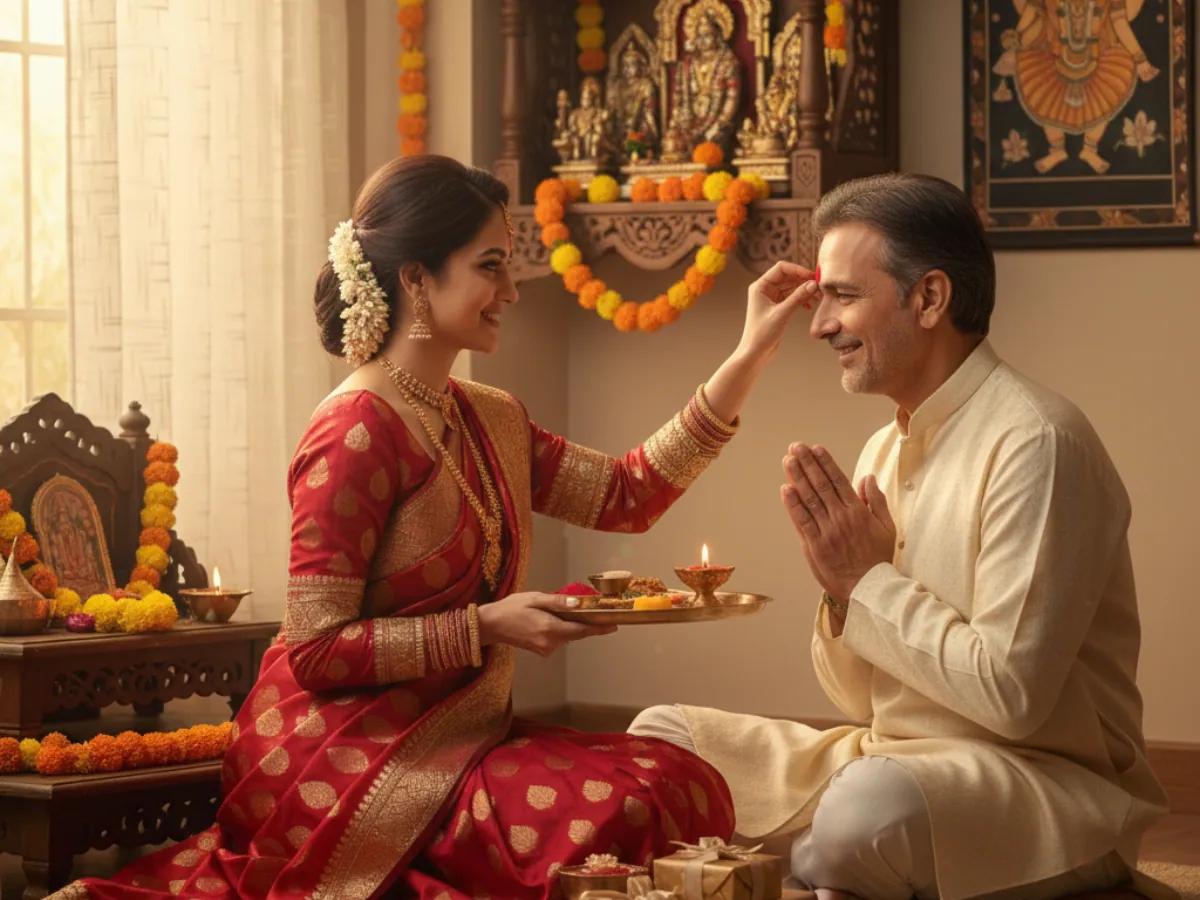
Most women participating in this even do an osbervance of an extended fast, and even that fast includes no water, and that fast lasts until all of the puja is completed. This puja is dedicated to Lord Shiva and Goddess Parvati. These women offer:
- Flowers and fruits
- Sweets and other forms of puja offerings
- Sindoor and bangles
Swing Festivals
Flowered swings are set up in courtyard gardens. During the celebrations women will sing many different types of folk songs of marital peace and of the rainy season.
Mehndi and Traditional Attire
An important aspect of Teej celebrations is applying Mehndi and wearing Green sarees or lehengas. This is because the color Green represents fertility, prosperity, and new beginnings.
The cultural importance of such traditions has also been researched in
Tirth’s Festival Culture & Beliefs
Regional Celebrations of Teej
Teej is celebrated with zeal in:
- Rajasthan: Grand processions and folk dances
- Uttar pradesh: Community pujas and folk music
- Bihar: Stringent fasting and devotional circle
- Madhya pradesh: Swing festivities and temple attendance
The festival retains its spiritual essence, but each region adds its unique contributions to the celebration.
Continuing Relevance of Teej
Teej continues to prosper even in present times due to:
- Women’s collective community celebrations.
- Social media friendly festive greetings.
- Promotions for Celebrations in an Eco-Friendly Way.
Even with changing lifestyles, Teej is still the embodiment of cultural love, reverence, and the rich heritage of our country.
Questions and Answers Regarding Teej 2026
1. When does Teej Take Place in the Year 2026?
On Friday the 7th of August 2026, Hariyali Teej will be taking place.
2. What is the reason for the celebration of Teej?
It is the celebration of the Coming back together of Goddess Parvati and Lord Shiva and is a celebration of the togetherness of married couples.
3. Is it compulsory to do fasting during Teej?
Practicing the fast is a personal choice. It is a tradition to do fasting.
4. What time during the day is the Teej puja considered to be the most auspicious?
The Teej puja is considered to be most auspicious in the morning and afternoon.
5. What is the reason of Teej participants to wear the color green?
It is a celebration of the coming of the monsoon rain and the fertility and abundance of life.
6. Is Teej celebrated in other variations?
Yes. They include Hariyali Teej, Kajari Teej, and Hartalika Teej.
Summary: Celebration of Joy and Devotion
Teej is a wonderful festival that celebrates devotion and patience, and the togetherness of married couples. Through the singing and celebrating, Main fasting and ritual, women express their gratitude to the deity and seek the blessings for the well-being of their families. The festival is a reflection of the depth of faith and the festival is an example of India’s great cultural legacy.
Tirth provides a tranquil space to appreciate India’s spiritual heritage and fosters an environment to learn and celebrate during your own time and depth. If you find interest in Indian festivals, sacred vrats, and various cultural practices, Tirth is an ideal place to gain insight.