Chhath Puja 2026: Significance, Rituals, Date, Muhurat & Timings
Chhath Puja is one of the most ancient and spiritually powerful Hindu festivals dedicated to Surya Dev (the Sun God) and Chhathi Maiya. Celebrated mainly in Bihar, Jharkhand, Uttar Pradesh, and Nepal, this four-day festival is marked by rigorous fasting, holy bathing, and offering arghya (water offerings) to the rising and setting sun. It is a festival of discipline, purity, gratitude, and unwavering devotion.
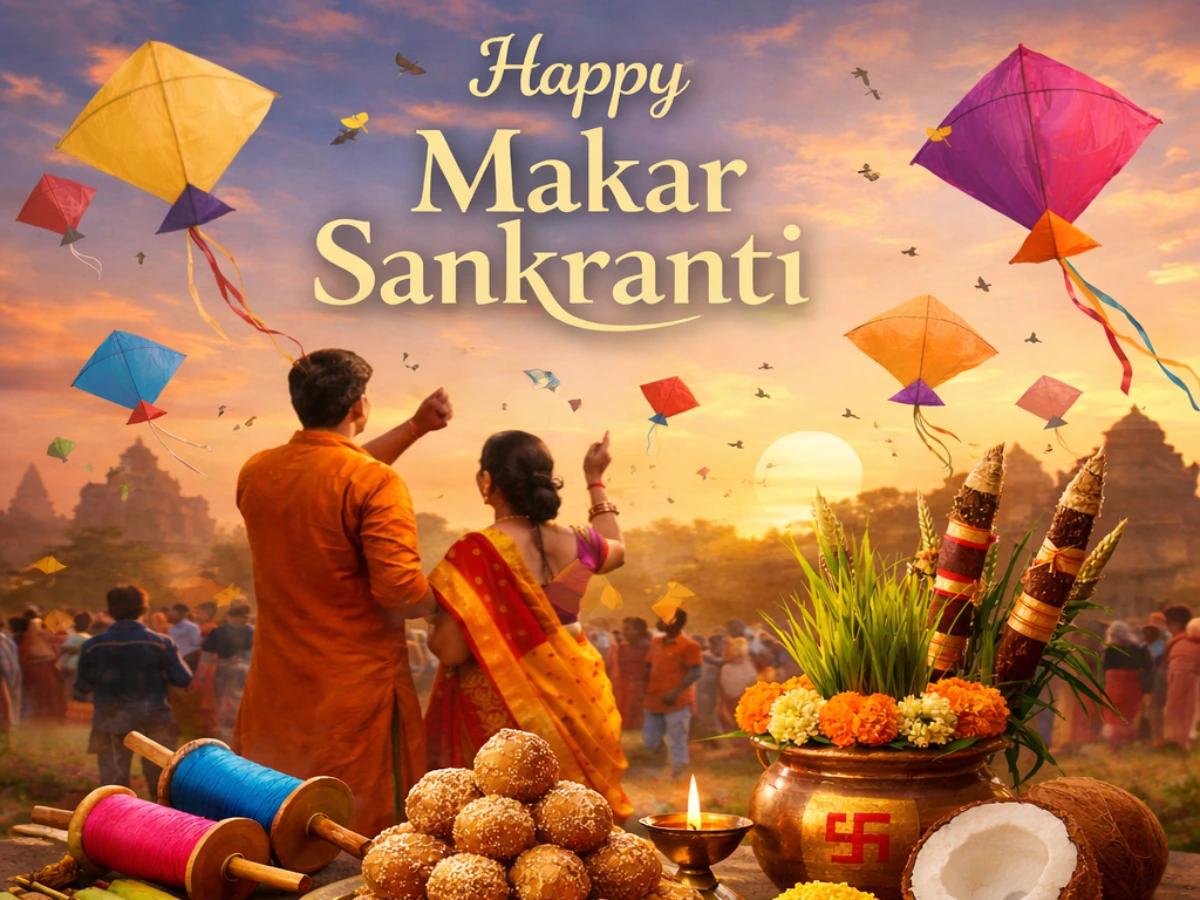
Much like other major Hindu festivals such as Diwali, Navratri, and Makar Sankranti, Chhath Puja represents a period of spiritual rejuvenation, community bonding, and sacred celebration. The festival is a seamless fusion of ritual worship and cultural expression, beautifully reflecting the harmony between faith, tradition, and collective spirit.
Chhath Puja Date, Muhurat & Timings- 2026
Here are the key details for Chhath Puja 2026:
| Event | Details |
|---|---|
| Festival Name | Chhath Puja |
| Year | 2026 |
| Day 1 (Nahay Khay) | Friday, 13 November 2026 |
| Day 2 (Kharna) | Saturday, 14 November 2026 |
| Day 3 (Sandhya Arghya) | Sunday, 15 November 2026 |
| Day 4 (Usha Arghya) | Monday, 16 November 2026 |
| Hindu Month | Kartik |
| Paksha | Shukla Paksha |
| Sandhya Arghya Timing | Sunset on 15 November 2026 (5:01 PM in Patna) |
| Usha Arghya Timing | Sunrise on 16 November 2026 |
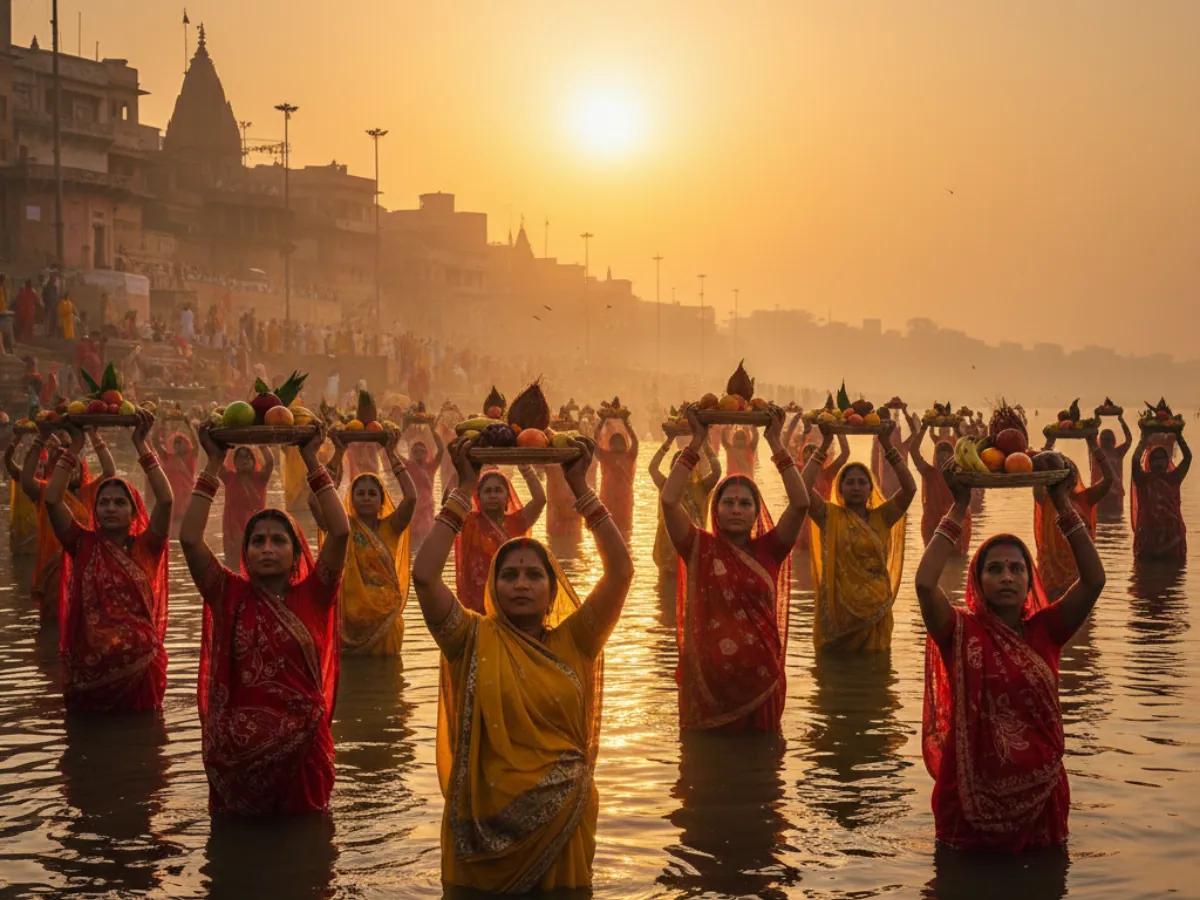
The most auspicious moments are during sunset and sunrise, when devotees stand in water and offer prayers with folded hands and deep concentration.
For exact local sunrise and sunset timings, many families refer to
Tirth’s Hindu Calendar
For readers interested in understanding Indian festivals and their deeper spiritual meaning,
Tirth – Indian Festivals & Traditions
offers meaningful insights into sacred occasions celebrated across the country.
Chhath Puja is not just a ritual it is a profound expression of gratitude toward nature and the life-giving energy of the sun.
Spiritual Significance of Chhath Puja
Chhath Puja honors Surya Dev, who is considered the source of life, health, and prosperity. The Sun is worshipped for:
- Sustaining life on Earth
- Providing energy and nourishment
- Promoting health and vitality
Devotees believe that sincere observance of Chhath Puja removes obstacles, fulfills wishes, and brings family well-being.
The cultural symbolism and traditional vrat observances are also explored in Tirth’s Puja & Vrat Guides for those who wish to follow rituals properly.
The Four-Day Ritual of Chhath Puja
Chhath Puja spans four days, each with deep spiritual meaning:
Day 1 – Nahay Khay
Devotees take a holy dip in a river or water body and prepare pure vegetarian meals at home.
Day 2 – Kharna
On this day, devotees observe a strict fast throughout the day and break it in the evening after offering prayers.
Day 3 – Sandhya Arghya
The main ritual begins with offering arghya to the setting sun at riverbanks or water bodies.
Day 4 – Usha Arghya
Devotees offer prayers to the rising sun, marking the conclusion of the fast.
The environmental and spiritual connection of water and sunlight during such rituals is beautifully explained in Tirth’s Festival Culture & Beliefs.
Prasad and Offerings in Chhath Puja
Prasad preparation is an essential part of the festival. Common offerings include:
- Thekua (traditional sweet made of wheat flour and jaggery)
- Fresh fruits like bananas and coconuts
- Sugarcane
- Rice laddoos
The prasad is prepared with extreme cleanliness and devotion, maintaining ritual purity.
Regional and Cultural Celebrations
Although primarily celebrated in Bihar and eastern Uttar Pradesh, Chhath Puja has gained national and global recognition. Large gatherings at riverbanks, lakes, and ghats create a breathtaking spiritual atmosphere filled with devotional songs and chants.
Communities come together to organize:
- Clean ghats and decorate riverbanks
- Group devotional singing
- Social service initiatives
Modern-Day Relevance of Chhath Puja
In today’s fast-paced world, Chhath Puja continues to hold deep spiritual and cultural importance. It:
- Encourages environmental awareness
- Promotes discipline and self-control
- Strengthens family and community bonds
Even in urban areas and abroad, devotees recreate riverbank rituals in community spaces to maintain tradition.
FAQs About Chhath Puja 2026
1. When is Chhath Puja in 2026?
Chhath Puja will be observed from 13 November to 16 November 2026.
2. What is the most important ritual of Chhath Puja?
Offering arghya to the setting and rising sun.
3. Is fasting compulsory?
Yes, devotees observing the vrat follow strict fasting traditions.
4. What is the significance of offering prayers in water?
It symbolizes purity, humility, and connection with nature.
5. What is the main prasad of Chhath Puja?
Thekua is the most traditional prasad.
6. Which deity is worshipped during Chhath Puja?
Surya Dev (Sun God) and Chhathi Maiya.
Conclusion: Celebrating Devotion and Gratitude Through Chhath Puja
Chhath Puja stands as a powerful symbol of discipline, devotion, and gratitude toward the forces of nature. Through fasting, prayer, and community gatherings, devotees express deep faith and thankfulness for life’s blessings. The festival teaches humility, perseverance, and harmony with nature.
If you enjoy exploring Indian festivals, sacred vrats, and traditional calendars, Tirth offers a calm and informative space to understand and celebrate India’s spiritual heritage at your own pace and interest.