Vat Savitri is a highly sacred Hindu festival observed by married women for the long life and well being of their husbands. The vat savitri vrat katha is a powerful legend that highlights devotion, determination, and the strength of true love. This vrat is observed on the Amavasya (new moon day) in the month of Jyeshtha (May–June), mainly in North India.
The festival honors the unwavering faith of Savitri, whose devotion brought her husband Satyavan back from the hands of death.
वट सावित्री व्रत कथा
प्राचीन समय की बात है। मद्र देश में अश्वपति नाम के एक प्रतापी और धर्मात्मा राजा राज्य करते थे। उनकी कोई संतान नहीं थी। संतान प्राप्ति के लिए उन्होंने कठोर तप किया और माता सावित्री की उपासना की। उनकी तपस्या से प्रसन्न होकर देवी ने उन्हें एक तेजस्विनी कन्या का वरदान दिया। समय आने पर राजा के यहाँ एक सुंदर और गुणवान कन्या का जन्म हुआ, जिसका नाम सावित्री रखा गया।
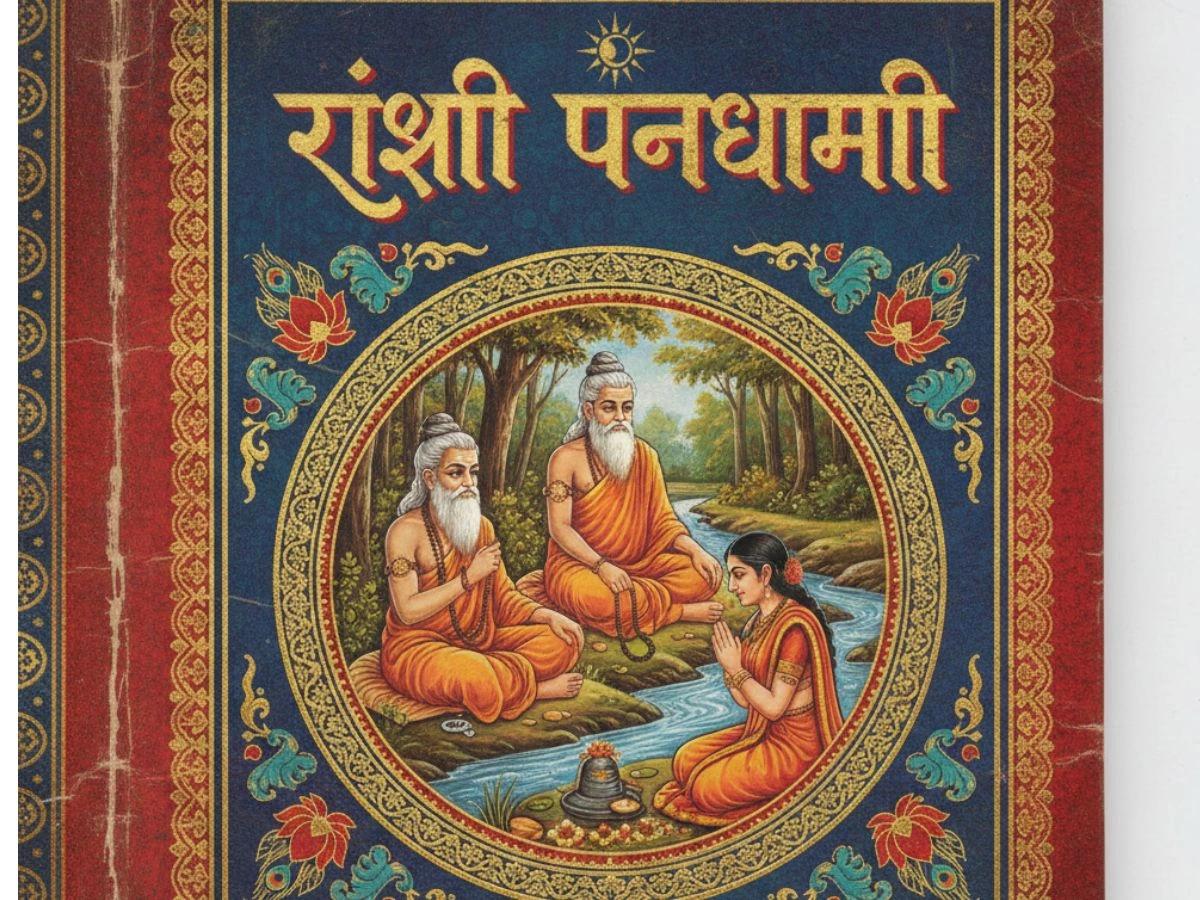
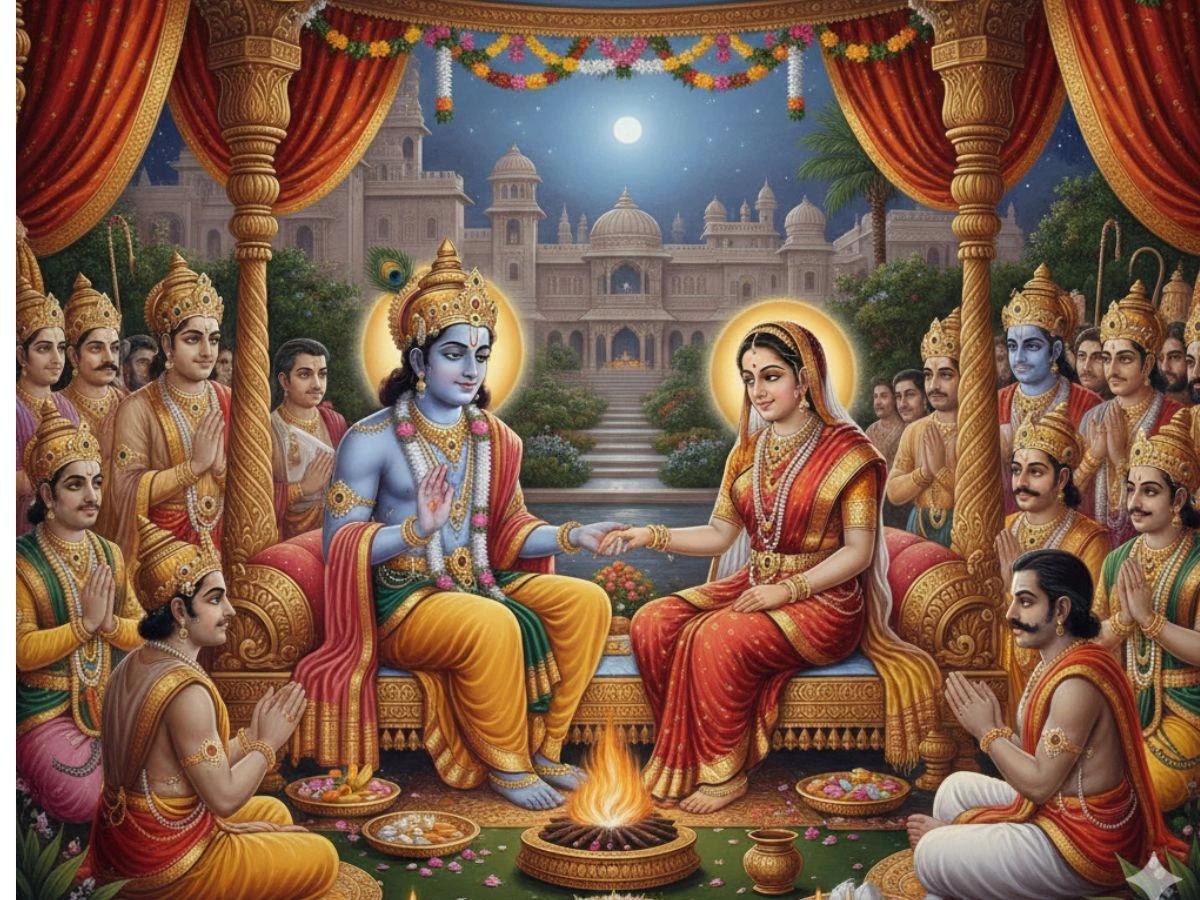
सावित्री बड़ी होकर अत्यंत विदुषी, पतिव्रता और तेजस्विनी बनी। जब उसके विवाह का समय आया तो राजा ने उसे स्वयं योग्य वर चुनने की अनुमति दी। सावित्री ने वन में तपस्वी जीवन जी रहे सत्यवान नामक राजकुमार को अपना पति चुना। सत्यवान वनवासी और निर्धन थे, किंतु धर्मात्मा और सत्यनिष्ठ थे।
जब सावित्री ने अपने पिता को यह निर्णय बताया, तब नारद मुनि ने चेतावनी दी कि सत्यवान अत्यंत गुणी है, परंतु उसकी आयु बहुत अल्प है विवाह के एक वर्ष बाद ही उसकी मृत्यु निश्चित है। यह सुनकर राजा अश्वपति चिंतित हो गए और उन्होंने सावित्री को समझाया कि वह किसी अन्य वर का चयन करे।
परंतु सावित्री अपने निर्णय पर अडिग रही। उसने कहा “एक बार जिसे मैंने अपने मन से पति स्वीकार कर लिया, वही मेरे लिए सदा रहेगा।” अंततः उसका विवाह सत्यवान से कर दिया गया।
विवाह के बाद सावित्री अपने सास ससुर की सेवा में और पति के साथ वन में सुखपूर्वक रहने लगी। धीरे धीरे वह दिन भी निकट आ गया, जब सत्यवान की आयु पूर्ण होने वाली थी। उस दिन सावित्री ने व्रत रखा और भगवान से प्रार्थना करने लगी।
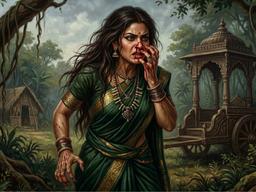
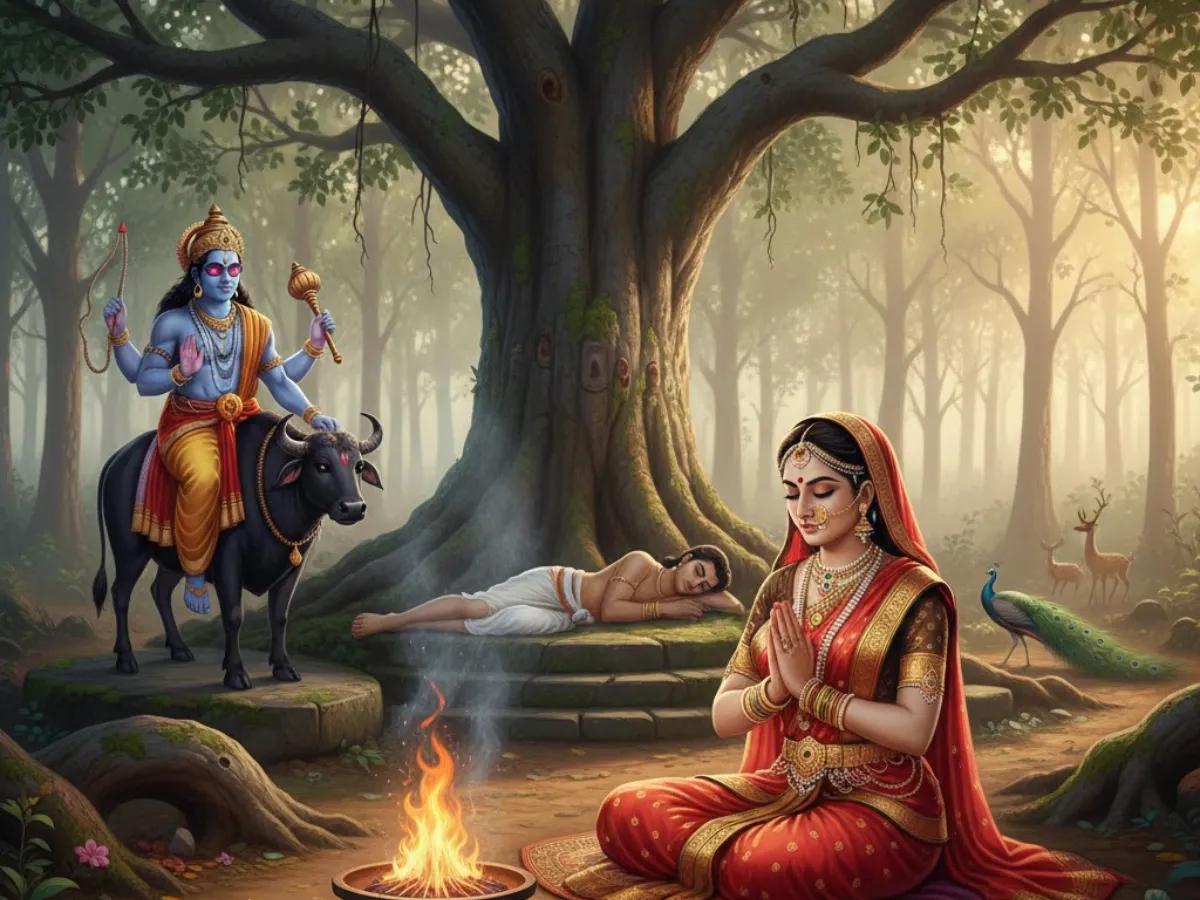
सत्यवान लकड़ी काटने के लिए वन में गए तो सावित्री भी उनके साथ चली गई। अचानक सत्यवान के सिर में तेज पीड़ा हुई और वह सावित्री की गोद में सिर रखकर लेट गए। उसी समय यमराज वहाँ प्रकट हुए और सत्यवान के प्राण हरकर दक्षिण दिशा की ओर चल पड़े।
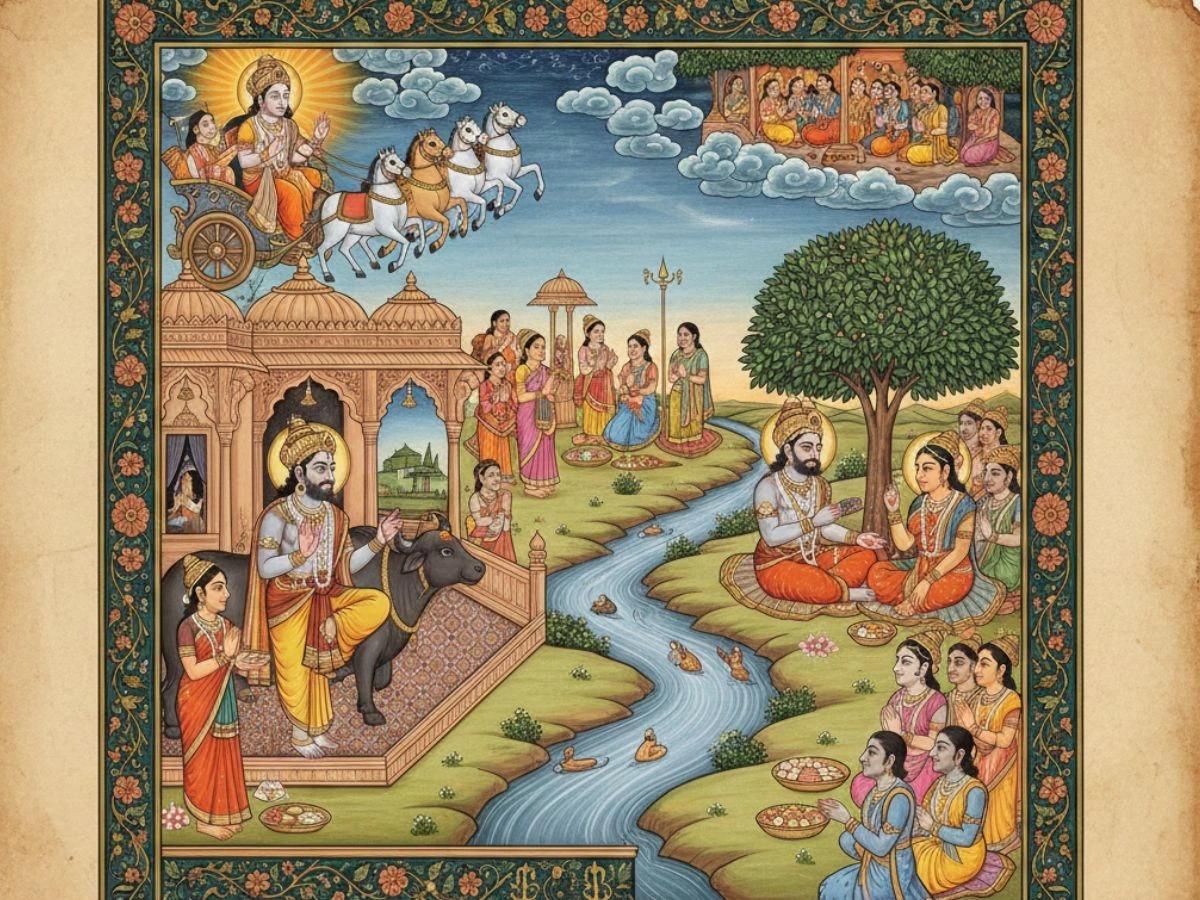
सावित्री ने यमराज का अनुसरण किया। यमराज ने उसे समझाया कि वह लौट जाए, परंतु सावित्री धर्म और नीति की बातें करती हुई उनके पीछे चलती रही। उसकी बुद्धिमत्ता और पतिव्रता धर्म से प्रसन्न होकर यमराज ने उसे वरदान देने का वचन दिया।
सावित्री ने पहले अपने सास ससुर की नेत्र ज्योति और राज्य की पुनः प्राप्ति का वर माँगा। यमराज ने यह वर प्रदान किया। फिर उसने अपने पिता के लिए सौ पुत्रों का वर माँगा, जो यमराज ने स्वीकार किया।
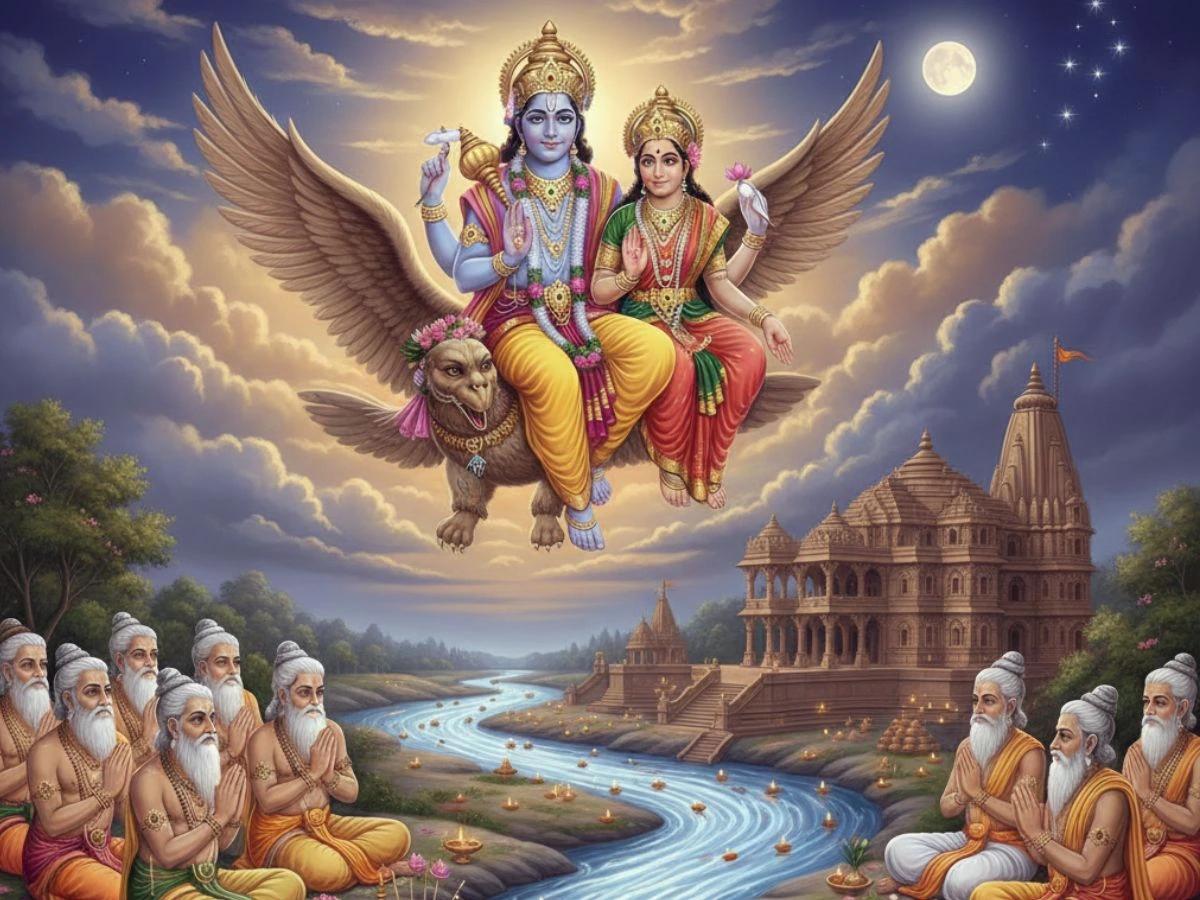
अंत में सावित्री ने कहा “मुझे भी सौ पुत्रों का आशीर्वाद दें।” यमराज ने “तथास्तु” कह दिया। तब सावित्री ने विनम्रता से कहा “प्रभु, बिना पति के मैं पुत्रवती कैसे हो सकती हूँ?” यमराज उसकी बुद्धिमत्ता से अत्यंत प्रसन्न हुए और सत्यवान के प्राण उसे वापस लौटा दिए।
सत्यवान पुनः जीवित हो उठे और दोनों सुखपूर्वक अपने घर लौट आए। इस प्रकार सावित्री ने अपने पतिव्रता धर्म, बुद्धि और दृढ़ निश्चय से अपने पति को मृत्यु के मुख से वापस प्राप्त किया।
इसी घटना की स्मृति में ज्येष्ठ मास की अमावस्या को वट सावित्री व्रत किया जाता है। इस दिन सुहागिन महिलाएँ वट (बरगद) वृक्ष की पूजा करती हैं और सावित्री सत्यवान की कथा सुनती हैं। मान्यता है कि इस व्रत से अखंड सौभाग्य, पति की दीर्घायु और सुख समृद्धि की प्राप्ति होती है।
Meaning and Significance of Vat Savitri
Meaning of Vat Savitri
- Vat refers to the Banyan tree.
- Savitri is the devoted wife from Hindu mythology.
- Vrat means sacred fast.
The Banyan tree symbolizes long life and strength. Women worship this tree while praying for the health and longevity of their husbands.
Religious Importance
Vat Savitri is based on the legend found in the Mahabharata. It represents:
- Loyalty and devotion in marriage
- Strength of a devoted wife
- Power of determination
- Victory over death
The festival emphasizes the sacred bond of marriage.
Vat Savitri vrat katha: The Sacred Legend
The Marriage of Savitri and Satyavan
According to the vat savitri vrat katha, Savitri was the daughter of King Ashwapati. She was known for her beauty, intelligence, and strong character. When the time came for her marriage, she chose Satyavan, a noble and kind prince living in exile.
However, Sage Narada warned her that Satyavan was destined to die within one year. Despite this, Savitri remained firm in her decision and married him.
Savitri’s Determination
As the predicted day approached, Savitri began strict fasting and prayer. She stayed devoted and mentally prepared herself for the difficult time ahead.
On the destined day, Satyavan went to the forest to cut wood. Savitri followed him. While resting under a Banyan tree, Satyavan suddenly felt weak and died in her lap.
Conversation with Yama
Yama, the god of death, appeared to take Satyavan’s soul. Savitri followed Yama as he walked away. Impressed by her devotion, Yama offered her a boon, except the life of her husband.
Savitri wisely asked for:
- The eyesight and strength of her father in law
- The return of her father in law’s lost kingdom
- A hundred sons for her father
Yama granted each wish. Finally, Savitri requested the blessing of having children with Satyavan. Realizing that this would not be possible without Satyavan’s life, Yama was pleased by her intelligence and devotion.
He restored Satyavan’s life and blessed them with long happiness.
This powerful story in the vat savitri vrat katha shows that true devotion and wisdom can overcome even death.
Symbolism of the Banyan Tree
Why Is the Vat Tree Worshipped?
The Banyan tree symbolizes:
- Long life
- Stability
- Protection
- Eternal love
Its long roots represent strong family bonds and continuity of life.
Women tie sacred threads around the tree while praying for their husbands’ long lives.
Vat Savitri Vrat Puja Vidhi
Preparation for the Vrat
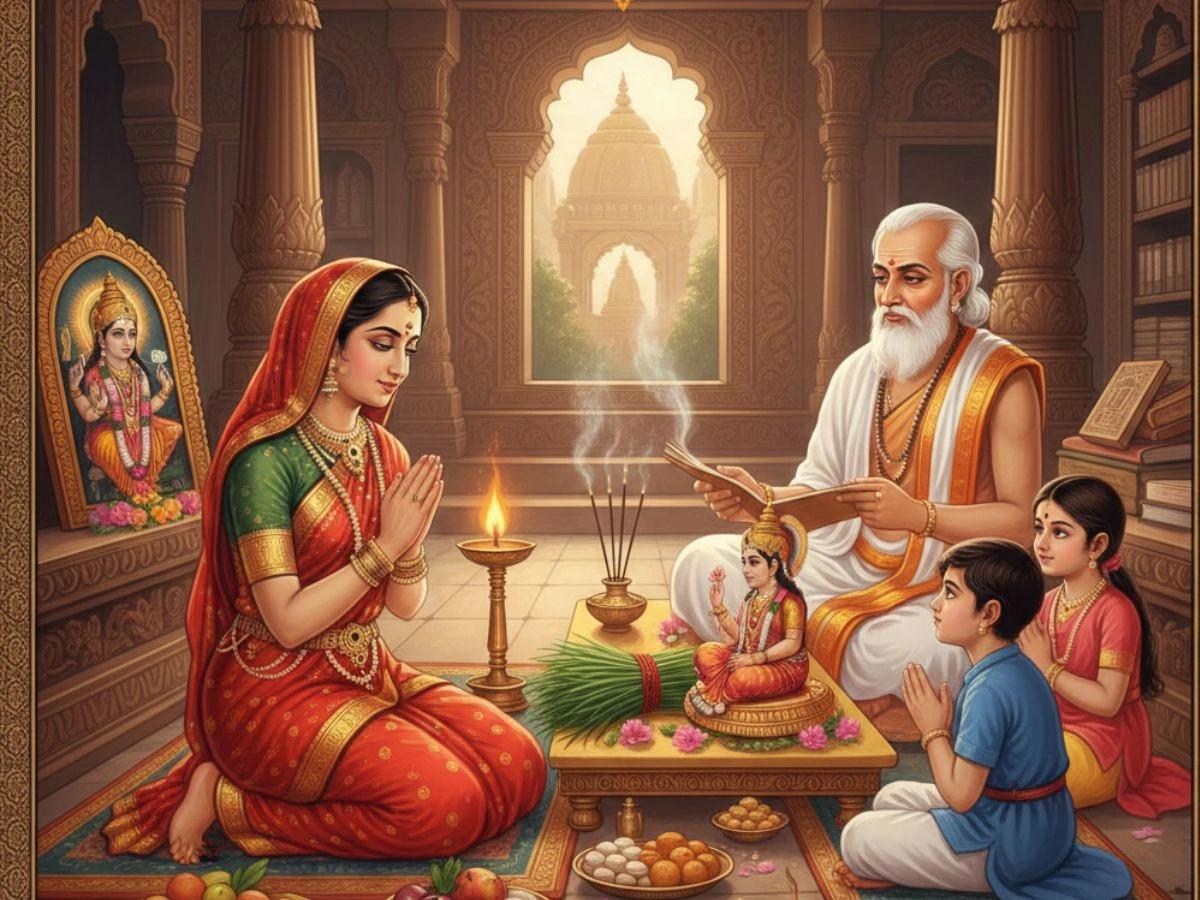
Married women wake up early, take a bath, and wear traditional clothes. They apply sindoor, bangles, and other symbols of marriage.
Puja Rituals
The puja includes:
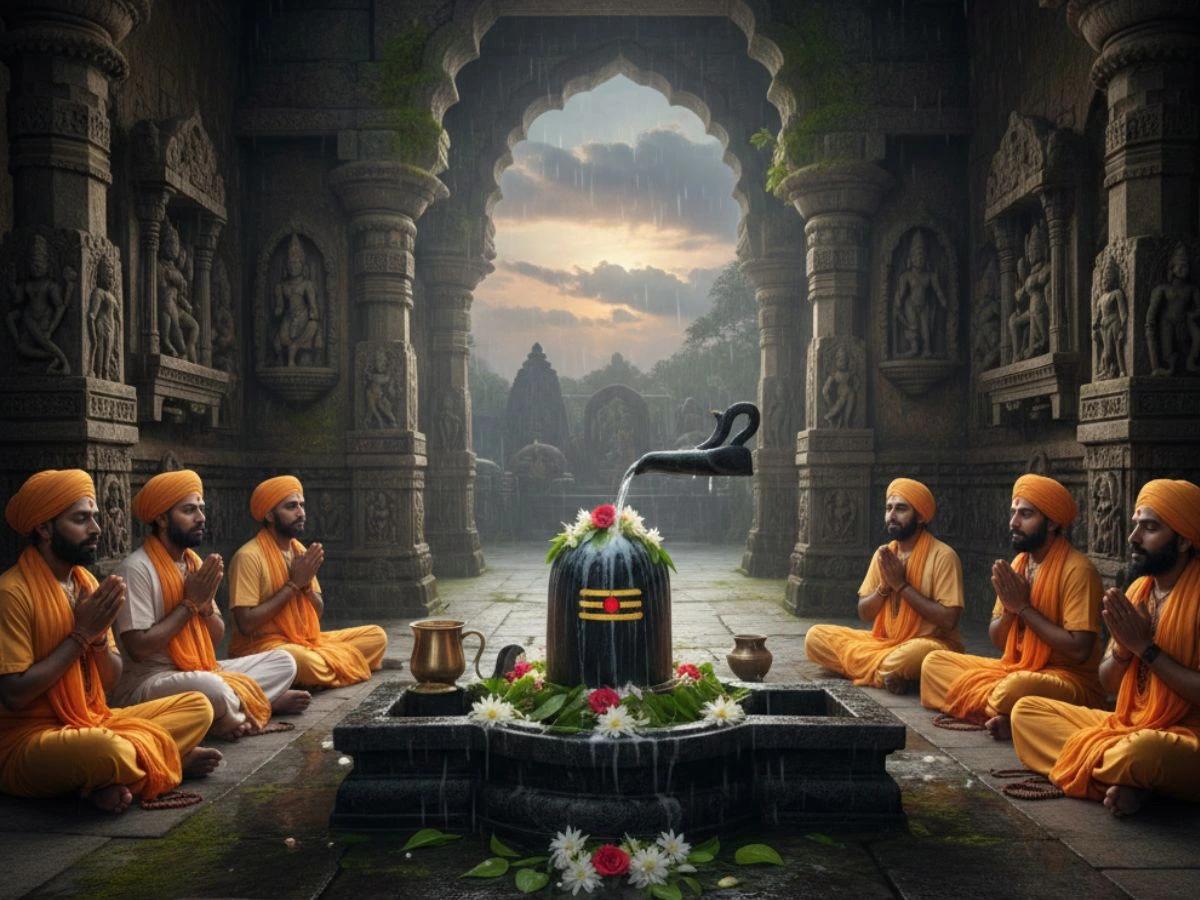
- Worshipping the Banyan tree
- Tying sacred thread around the tree
- Offering water, flowers, fruits, and sweets
- Listening to or reading the vat savitri vrat katha
- Performing aarti
Some women observe a strict fast without water, while others consume fruits.
Breaking the Fast
The fast is usually broken after completing the puja and offering prayers for the husband’s well being.
Spiritual Benefits of Vat Savitri Vrat
Observing the vrat with sincerity is believed to bring:
- Long life of the husband
- Marital harmony
- Family prosperity
- Protection from misfortune
- Strength and patience
The vat savitri vrat katha teaches that devotion, courage, and wisdom are the foundation of a strong marriage.
Regional Celebrations
North India Traditions
In states like Uttar Pradesh, Bihar, and Rajasthan, women gather near Banyan trees and perform group prayers.
Maharashtra Tradition
In Maharashtra, the festival is known as Vat Pournima and is celebrated on the full moon day instead of Amavasya.
FAQs About Vat Savitri Vrat
1. Who observes Vat Savitri vrat?
Married Hindu women observe this vrat for their husband’s long life.
2. On which day is Vat Savitri celebrated?
It is celebrated on Jyeshtha Amavasya in North India and on Jyeshtha Purnima in Maharashtra.
3. Is fasting compulsory?
Fasting is traditional but can be adjusted according to health.
4. Why is the Banyan tree important?
It symbolizes long life and stability.
5. What is the main message of vat savitri vrat katha?
The story teaches devotion, intelligence, and determination in marriage.
6. Can unmarried girls observe this vrat?
Traditionally it is observed by married women, but unmarried girls may participate in prayers.
Conclusion
Vat Savitri is a powerful festival that celebrates devotion, courage, and marital commitment. The sacred vat savitri vrat katha reminds us that faith and determination can overcome even the greatest challenges. By observing this vrat with sincerity, married women seek blessings of long life, happiness, and prosperity for their families.
For detailed information on Vat Savitri Vrat Katha and its significance, refer to Tirth.com