On this page7 sections
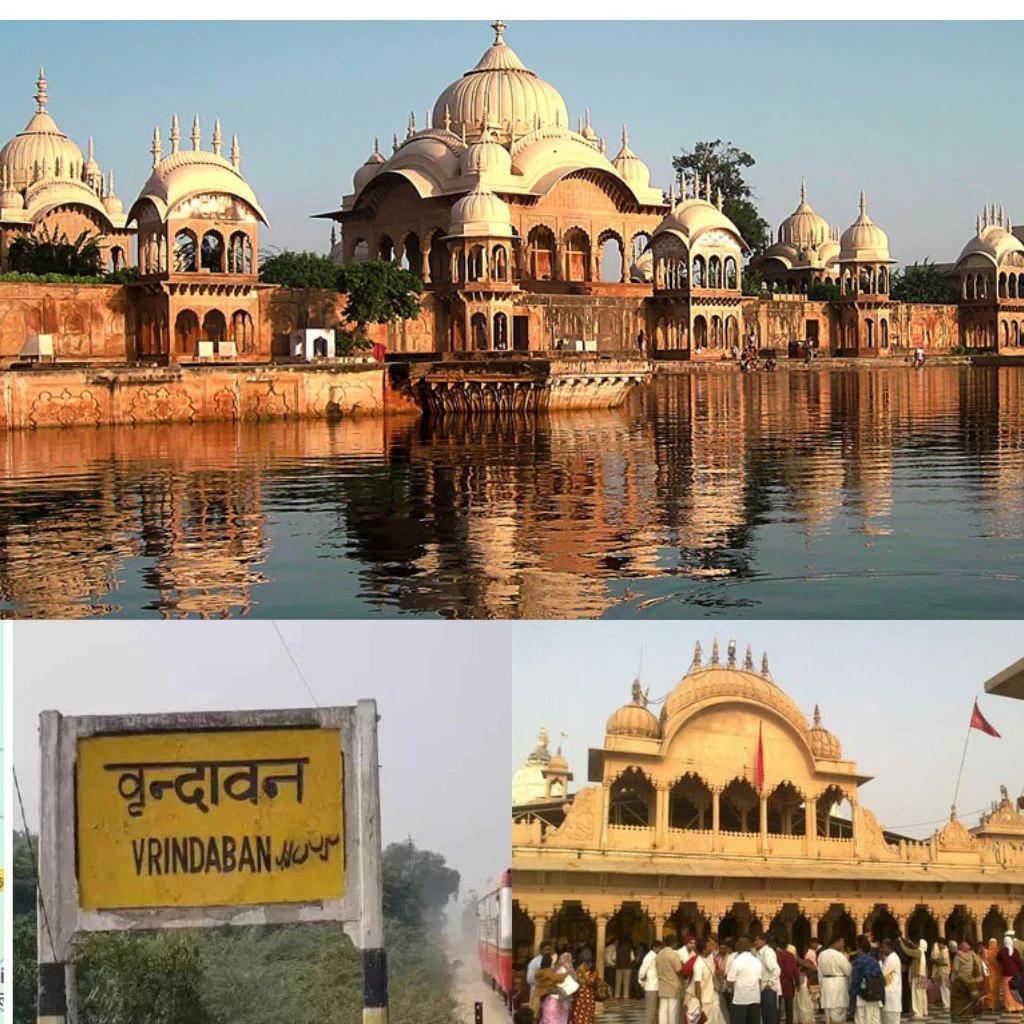
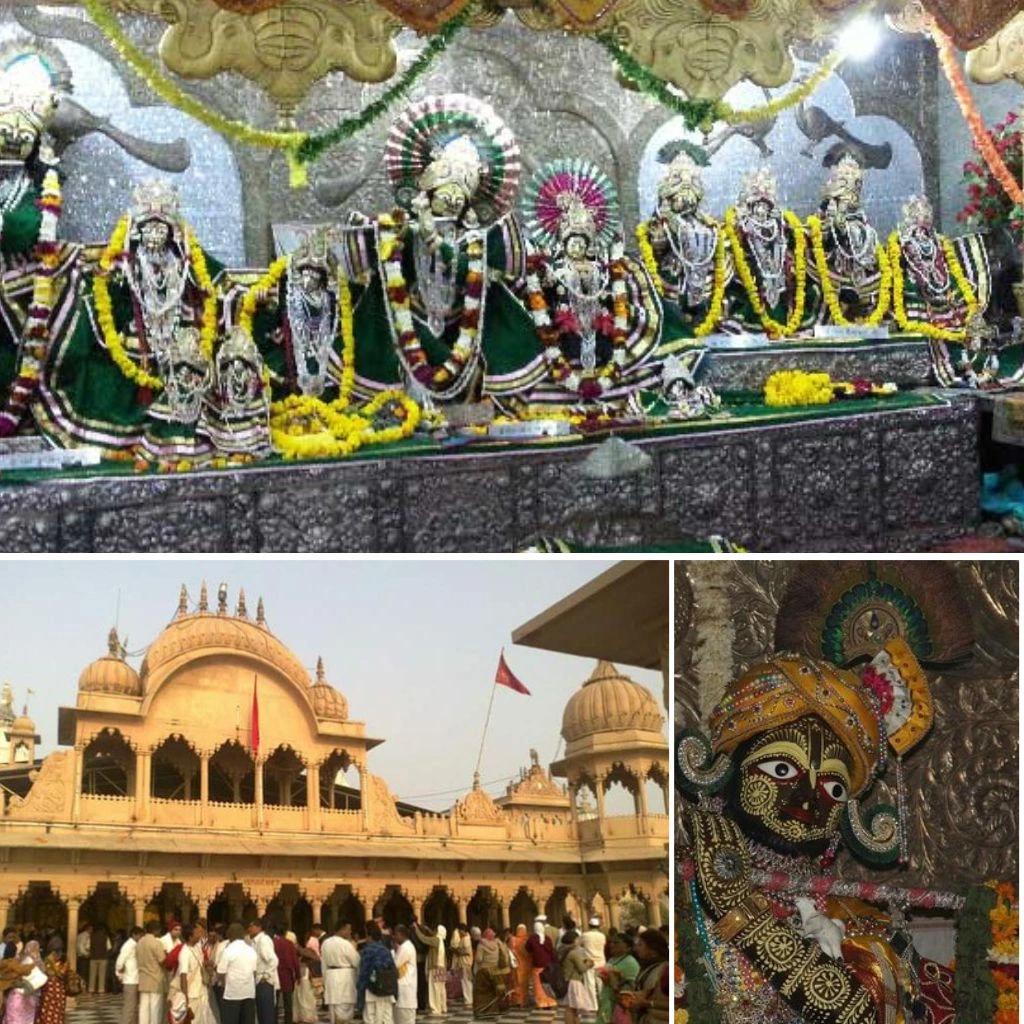
In Vrindavan it is believed that Bhagwan Krishna, Maa Radha and the gopis come to this forest of tulsi every night for the Raas Leela, and the night is left to them.
That rule is the sacred groves meaning in small. A sacred grove is forest handed over to a local deity or to ancestral spirits, then left untouched, while the people living around it guard it through belief and taboo with no fence anywhere.
In short
That rule is the sacred groves meaning in small. A sacred grove is forest handed over to a local deity or to ancestral spirits, then left untouched, while the people living around it guard it through belief and taboo with no fence anywhere.
Nidhivan, the forest of tulsi you can walk into
Yatris who want to see a grove for themselves can do it in Braj. Nidhivan in Vrindavan goes by the name Forest of Tulsi, and it is kept as a sacred forest, open by day and closed to everyone once night falls.
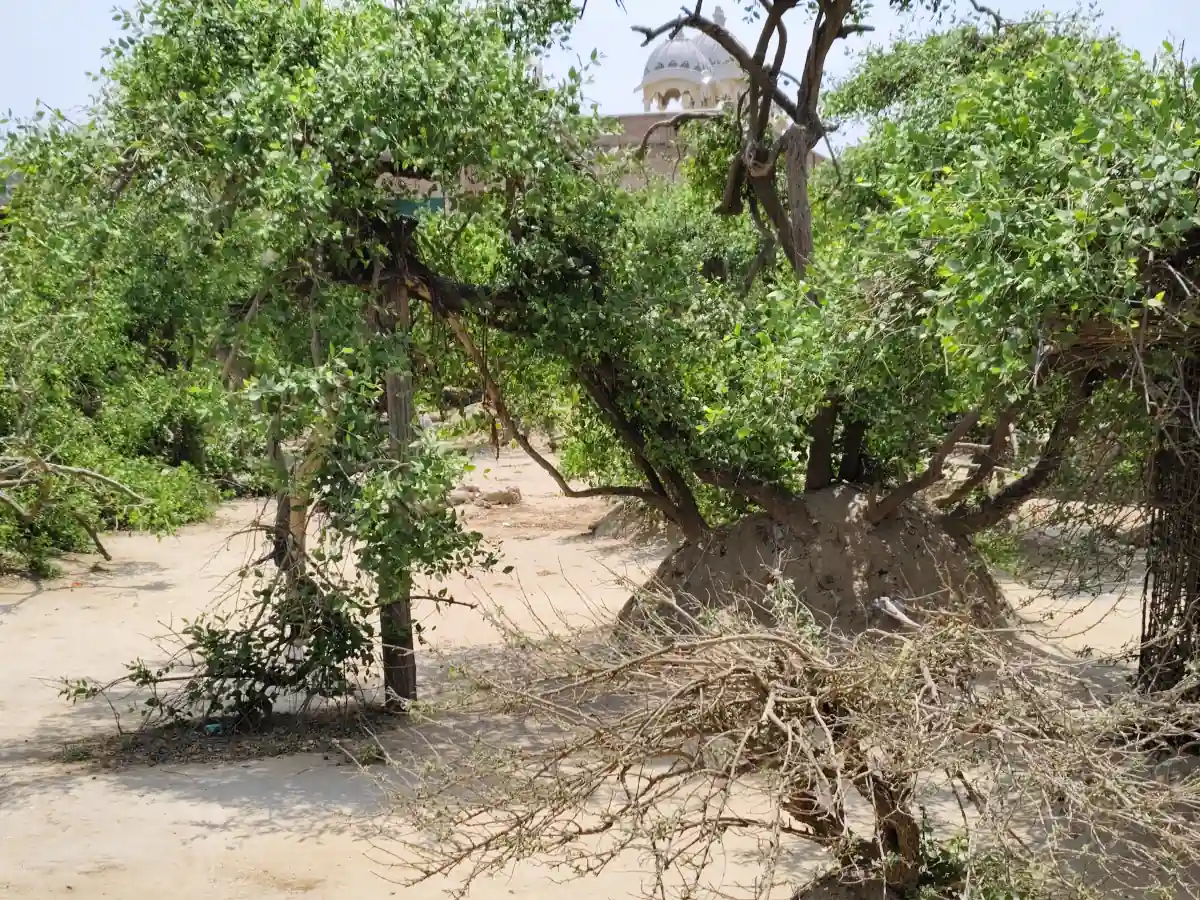
The Nidhivan page carries the visiting hours. Check them before setting out, and leave time for the rest of the town (our Vrindavan travel guide, Destination on Tirth covers it). Anyone drawn here by the tulsi growing in their own courtyard should read the story of Tulsi Vivah next.
A grove belongs to its deity, from Braj to the Khasi Hills
Ask the families who keep a grove who owns it. They will name the deity. The sharpest example of what that ownership means in practice comes from outside Hindu worship altogether, at Mawphlang in the hills of Meghalaya.
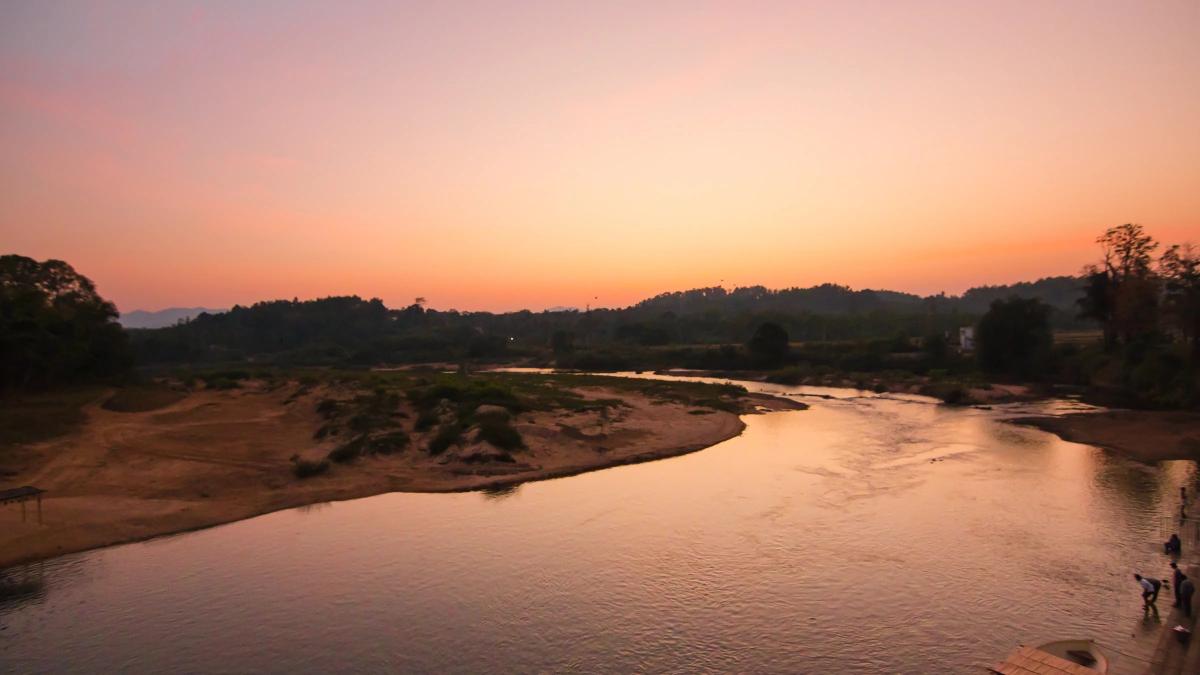
Mawphlang is a sacred forest of the Khasi, who keep a faith of their own called Seng Khasi. Visitors are asked to carry nothing out of it, down to a single leaf or a dead flower, and locals believe misfortune follows whoever does. Their forest deity goes by Ryngkew, Basa or Labasa, and is believed to live in the grove and protect the village outside it.
Across Meghalaya’s groves no tree is felled, and nobody gathers flowers, fruit or twigs, since breaking the rule is held to offend the deity and bring misfortune on the one who broke it. Rites are performed inside these forests from time to time.
Set them side by side. The Khasi forest asks you to take nothing out, Nidhivan asks you not to stay on after dark, and both rules are kept by belief alone.
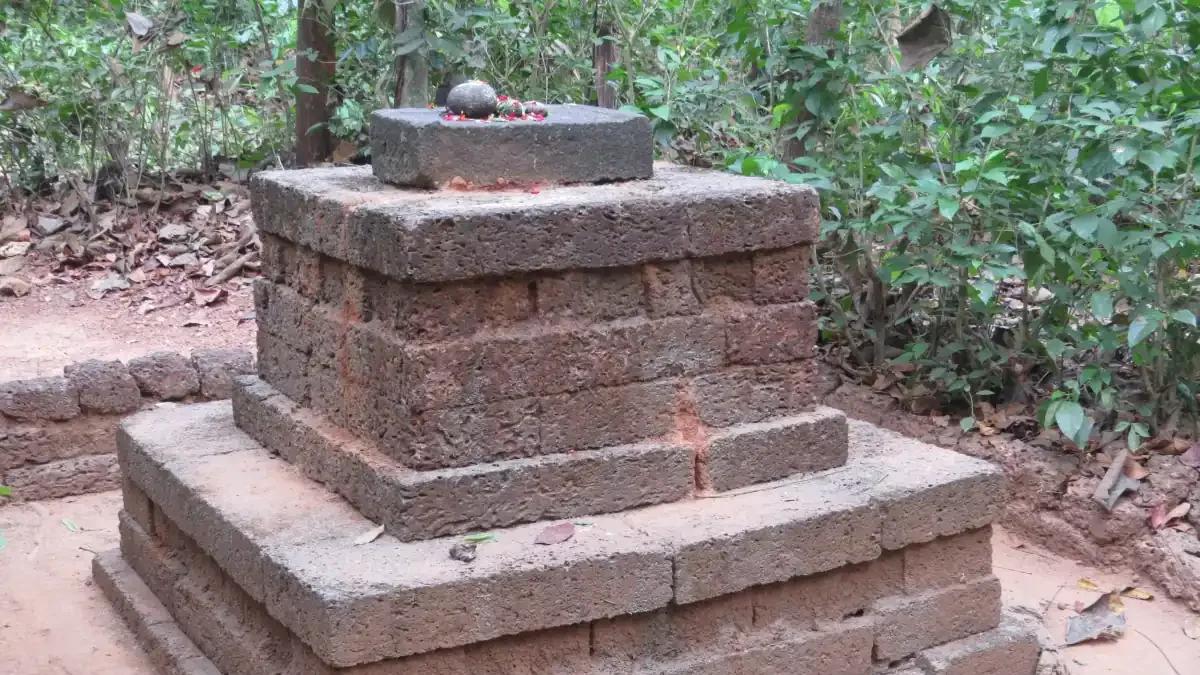
Size is no test. A grove can be a few square metres round a shrine or several hectares of old forest (the ones in Meghalaya run from about 0.01 ha to 1,200 ha). They are found mainly in tribal areas, looked after by local people on religious grounds, and the Western Ghats, central India and the north-east are where they cluster.
Madhav Gadgil and V. D. Vartak, in their paper “The sacred groves of Western Ghats in India” (Economic Botany, 1976), traced the custom back to hunting and gathering, the stage of society prior to farming. On that dating the groves are thought to be pre-Vedic in origin.
Kavu, oran, devrai: what each state calls its grove
The rule stays the same from state to state, but the name does not, and the local word is how you find a grove when you get there.
| State | What a sacred grove is called |
|---|---|
| Kerala | Kavu; sarpa kavu for a serpent grove |
| Tamil Nadu | Kovilkadu |
| Karnataka | Devarakadu, devaravana |
| Maharashtra | Devrai |
| Rajasthan | Oran |
| Himachal Pradesh | Dev van |
| Jharkhand | Sarna, jaherthan |
| Manipur | Umanglai, lai umang |
| Meghalaya | Law Kyntang or Law Lyngdoh (Khasi Hills); Khloo Blai (Jaintia Hills) |
On the Malabar coast kavu is best known for Theyyam, and popular accounts say a sarpa kavu (a serpent grove) holds shrines to the serpent deities, opened mainly on ceremonial days. Meghalaya’s biodiversity board, on its 2018 listing, counts 79 sacred forests in the state covering about 9,000 ha.
When the law reached Rajasthan’s orans
Belief guarded the groves, and it has been wearing thin. A 2002 amendment to the Wild Life (Protection) Act added community reserves, a category that can cover a grove, yet a 2008 review of the research still recorded the orans of Shekhala village in Rajasthan degrading as attitudes to conservation changed, with fuelwood and development among the pressures. On 18 December 2024 the Supreme Court, in T.N. Godavarman Thirumulpad v. Union of India, directed Rajasthan to map each and every sacred grove on the ground and by satellite, then survey them and notify them as forests whatever their size, and it recommended community reserve status for them under Section 36-C of the Wild Life (Protection) Act, 1972. Reports of the judgment that December put Rajasthan’s orans at about 25,000.
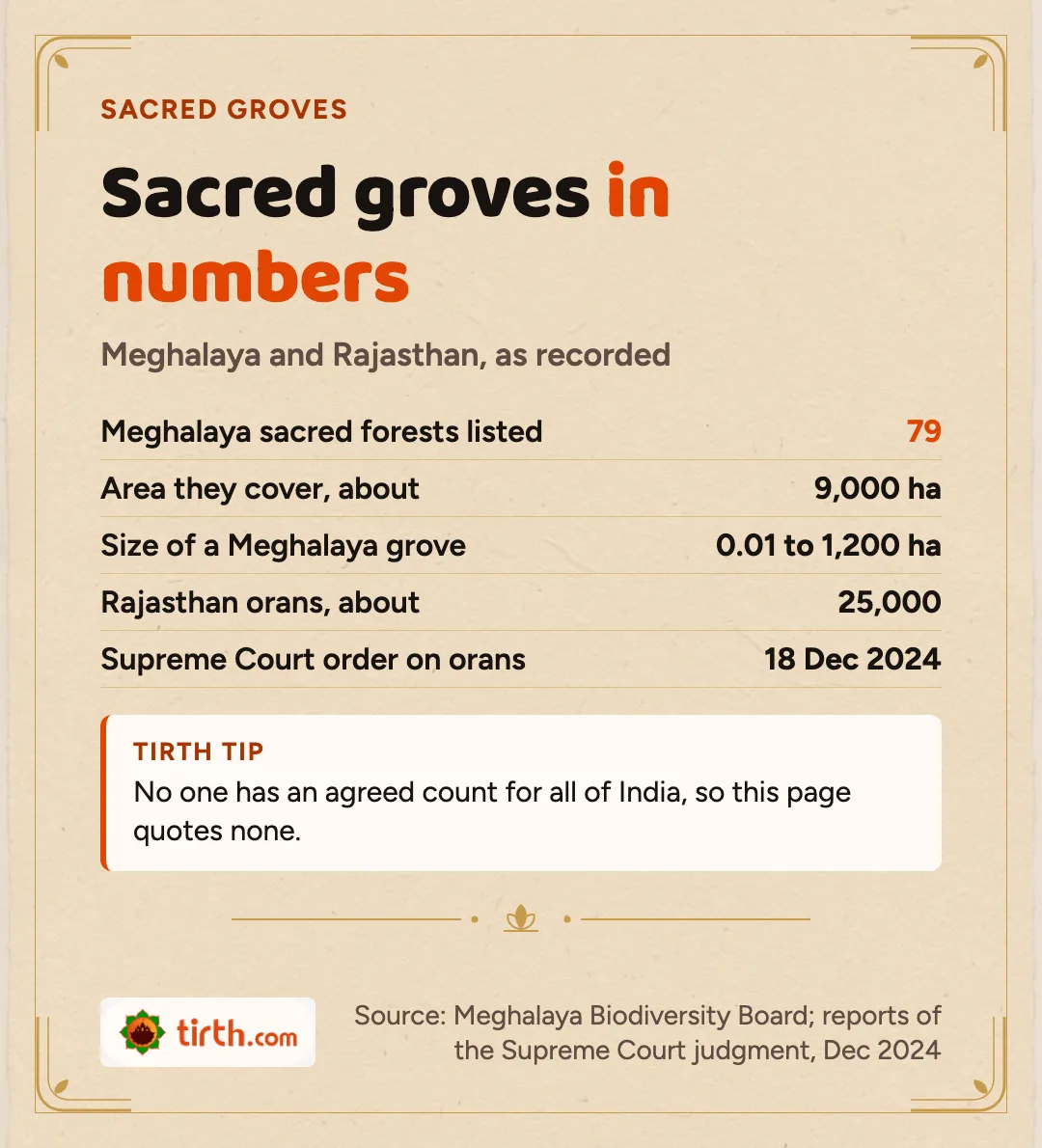
For India as a whole there is no agreed count. Estimates differ so widely that no single number holds up, and we would rather give you none than a wrong one.
How to behave inside a sacred grove
Inside any grove, take nothing home. The dead leaf and the fallen flower stay where they fell, and on anything else the village, the temple or the grove’s keeper has the last word.
We would ask a little more of you. Move through a grove as quietly as you would through a temple’s inner room, touching nothing, because to its keepers a deity lives there.
Planning a Braj trip with your parents? Add Nidhivan to the list, and start with the Tirth yatra packages, Yatra on Tirth, which are the easiest way in.
Frequently asked questions
It is forest set aside for a local deity or for ancestral spirits. The community leaves it untouched and keeps it safe through belief and taboo, so on a map it is forest land and to the families who keep it, it is where the deity lives.
The people who live around a grove believe a deity lives in it. Cutting a tree, or taking flowers, fruit or twigs, is held to offend that deity and bring misfortune, so that belief did a forest guard’s job.
Only in part. Community reserves, added by a 2002 amendment to the Wild Life (Protection) Act, can cover them, and on 18 December 2024 the Supreme Court directed Rajasthan to map its groves and notify them as forests. Before that, protection rested on custom.
The name means serpent grove, and it is used for sacred groves in Kerala. Popular accounts say there are shrines to the serpent deities inside, with entry kept mostly for ceremonial occasions.
Local belief holds that misfortune follows. At Mawphlang in Meghalaya visitors are asked to leave even leaves and dead flowers behind, and across the state’s groves cutting and collecting are taboo.
Continue on Tirth
- Nidhivan, the tulsi forest of Vrindavan, and its visiting hours.
- Sacred places on Tirth, for more sacred places across India.
- Vrindavan parikrama on foot, and how far the walk is.
- More stories on devotional life and culture from the Tirth Journal.