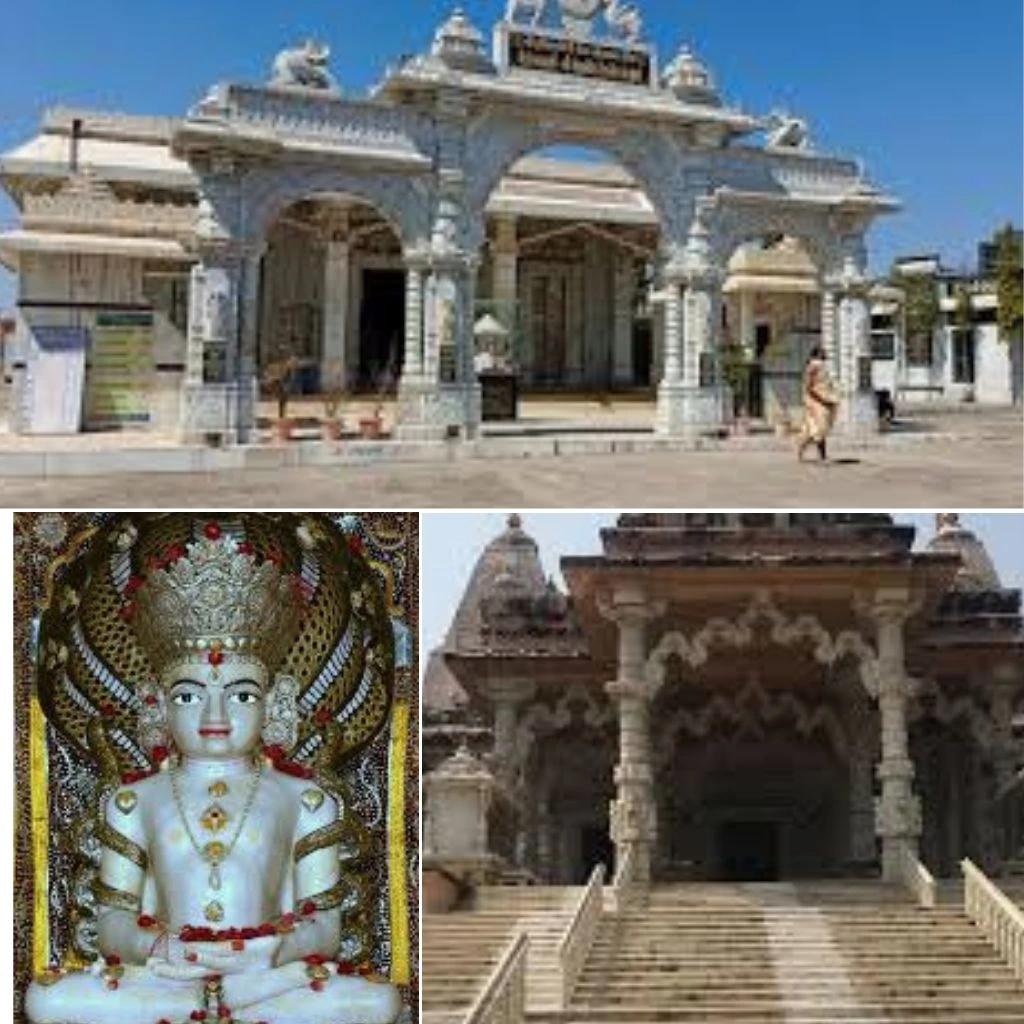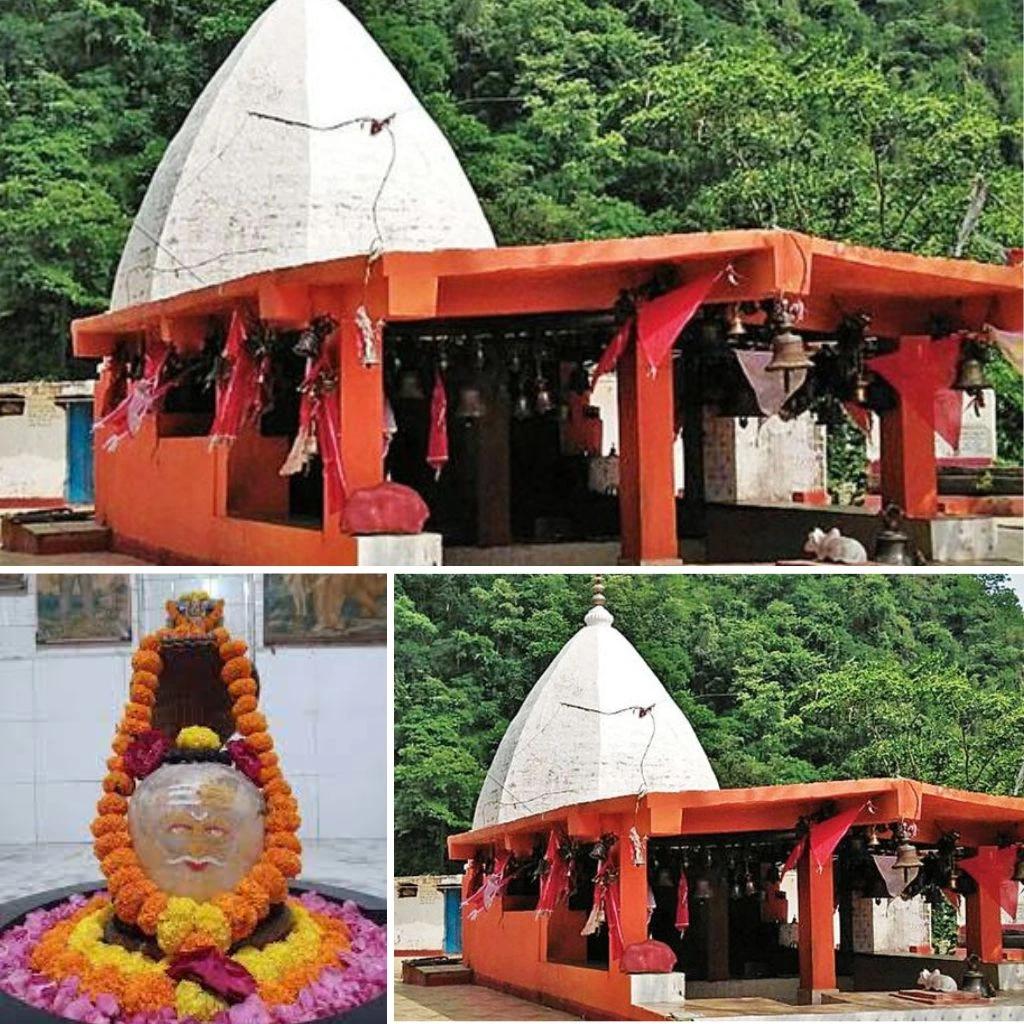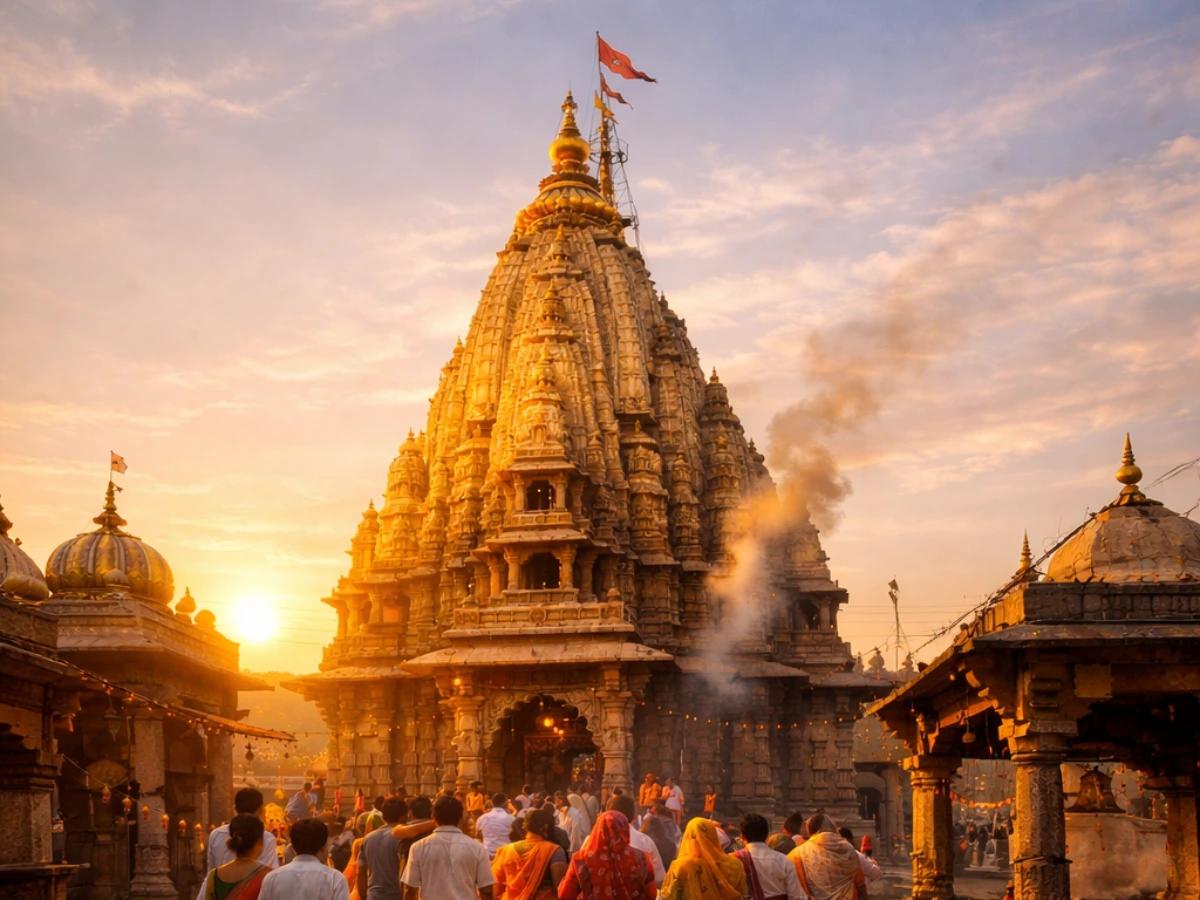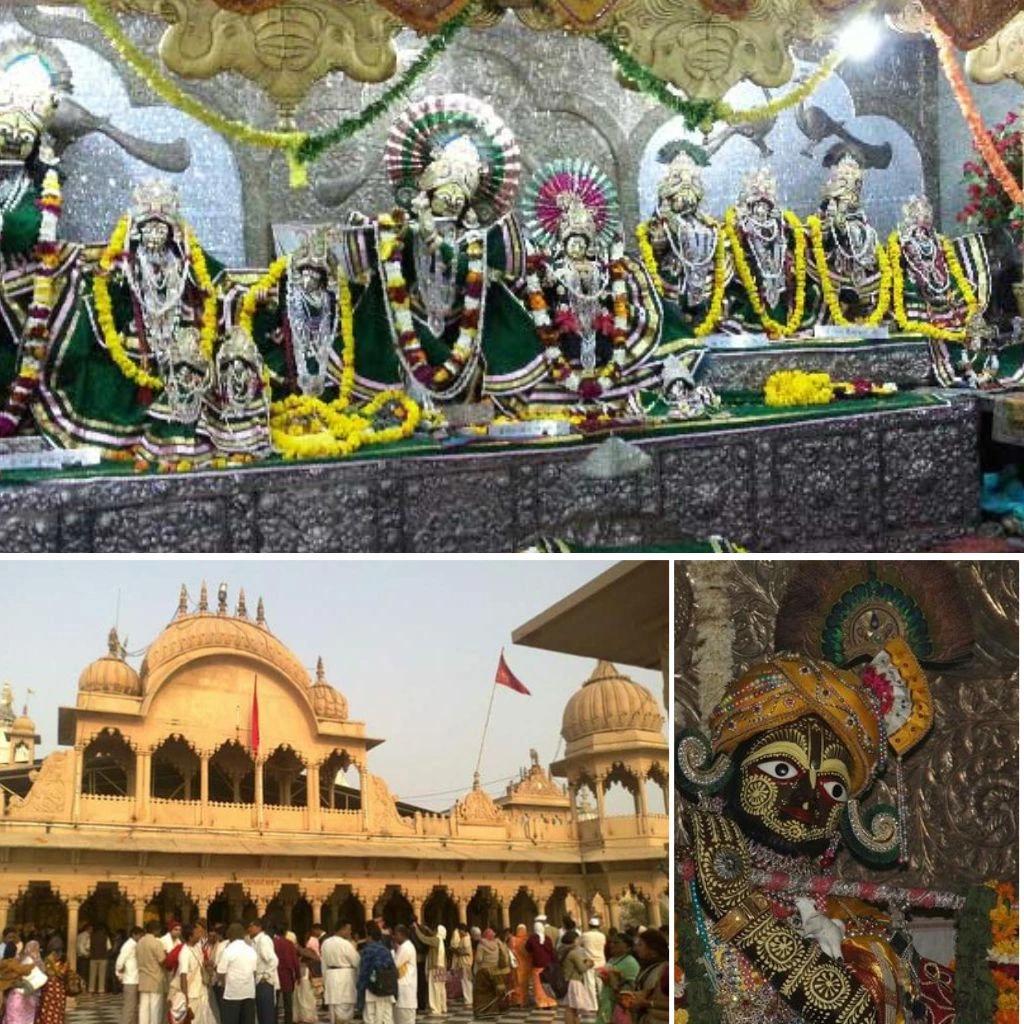
The Radha Damodar Temple is one of the most sacred and historically significant temples in Vrindavan. Dedicated to Krishna and Radha, the temple holds a special place in the hearts of devotees and followers of the Gaudiya Vaishnav tradition.
This temple is closely associated with Jiva Goswami, one of the most respected saints and philosophers of Gaudiya Vaishnavism.
History of Radha Damodar Temple Vrindavan
The Radha Damodar Temple was established in the 16th century by Jiva Goswami, a prominent disciple in the lineage of Chaitanya Mahaprabhu.
During that period, Vrindavan was being rediscovered as a holy land connected with the divine pastimes of Krishna. Many temples were constructed by saints and devotees who wanted to preserve the sacred heritage of the region.
The deity of Radha Damodar installed in the temple was personally worshipped by Jiva Goswami, making the temple an important spiritual center for devotees.
Spiritual Significance of the Temple
The Radha Damodar Temple is considered one of the most spiritually powerful temples in Vrindavan.
The deity Damodar represents a childhood form of Krishna. According to Hindu scriptures, the name “Damodar” refers to the famous story where Krishna was tied with a rope by his mother Yashoda.
Devotees believe that visiting the temple brings:
- Spiritual peace
- Devotional connection with Lord Krishna
- Blessings for happiness and prosperity
The temple is also a major pilgrimage site for followers of Gaudiya Vaishnavism.
Connection with Chaitanya Mahaprabhu
The temple has deep connections with Chaitanya Mahaprabhu, who inspired the revival of devotion to Krishna in Vrindavan.
Many of his disciples, including Rupa Goswami, Sanatana Goswami, and Jiva Goswami, established temples and spiritual centers across the city.
Because of this connection, the Radha Damodar Temple remains one of the most respected spiritual places in Vrindavan.
Unique Features of Radha Damodar Temple
The temple has several unique features that attract devotees and pilgrims.
Sacred Govardhan Shila
One of the most sacred objects in the temple is a Govardhan Shila, which is believed to have footprints of Krishna.
This sacred stone is considered extremely powerful and is worshipped by thousands of devotees.
Samadhi of Saints
The temple complex also contains the samadhi (memorial shrines) of many famous Vaishnava saints, including Jiva Goswami.
Historical Importance
The temple has survived several centuries and continues to remain an important pilgrimage site for Krishna devotees.
Radha Damodar Temple Architecture
The architecture of the Radha Damodar Temple reflects traditional North Indian temple design.
Key features include:
- Beautiful stone carvings
- Traditional temple courtyard
- Ancient deity altar
- Peaceful prayer halls
The temple has a simple yet spiritually powerful atmosphere that attracts devotees seeking peace and devotion.
Radha Damodar Temple Timings
The temple is open daily for devotees and visitors.
Typical temple timings are:
Morning Darshan: 4:30 AM : 12:30 PM
Evening Darshan: 4:00 PM : 8:30 PM
Timings may vary during festivals and special occasions.
Festivals Celebrated at the Temple
Several important Hindu festivals are celebrated with great devotion at the temple.
Kartik Month
The month of Kartik is extremely important for worshipping Krishna, and thousands of devotees visit the temple during this time.
Janmashtami
Krishna Janmashtami is celebrated with grand prayers and devotional singing.
Radhashtami
This festival celebrates the birth of Radha and attracts many pilgrims.
How to Reach Radha Damodar Temple
The Radha Damodar Temple is located in the holy city of Vrindavan in the Mathura district.
Travel options include:
By Train: The nearest railway station is Mathura Junction.
By Road: Vrindavan is well connected by road from major cities.
By Air: The nearest airport is Indira Gandhi International Airport.
Why Devotees Visit Radha Damodar Temple
Devotees visit this temple for several reasons:
- To experience the divine presence of Krishna and Radha
- To connect with the teachings of Jiva Goswami
- To perform devotional practices and prayers
- To experience the spiritual atmosphere of Vrindavan
FAQs
1. Where is Radha Damodar Temple located?
The Radha Damodar Temple is located in Vrindavan in the Mathura district of Uttar Pradesh.
2. Who built Radha Damodar Temple?
The temple was established by Jiva Goswami in the 16th century.
3. Which deities are worshipped in the temple?
The temple is dedicated to Krishna and Radha.
4. What is special about the Radha Damodar Temple?
The temple houses a sacred Govardhan Shila believed to have the footprints of Krishna.
5. What are the temple timings?
The temple generally opens from 4:30 AM to 12:30 PM and 4:00 PM to 8:30 PM.
Conclusion
The Radha Damodar Temple is not only an important religious site but also a place rich in history, devotion, and spiritual heritage.
Established by Jiva Goswami, the temple continues to inspire millions of devotees who seek blessings from Krishna and Radha.
Visiting this temple offers a unique opportunity to experience the divine culture, history, and spirituality of Vrindavan.
For more information you may visit tirth.com