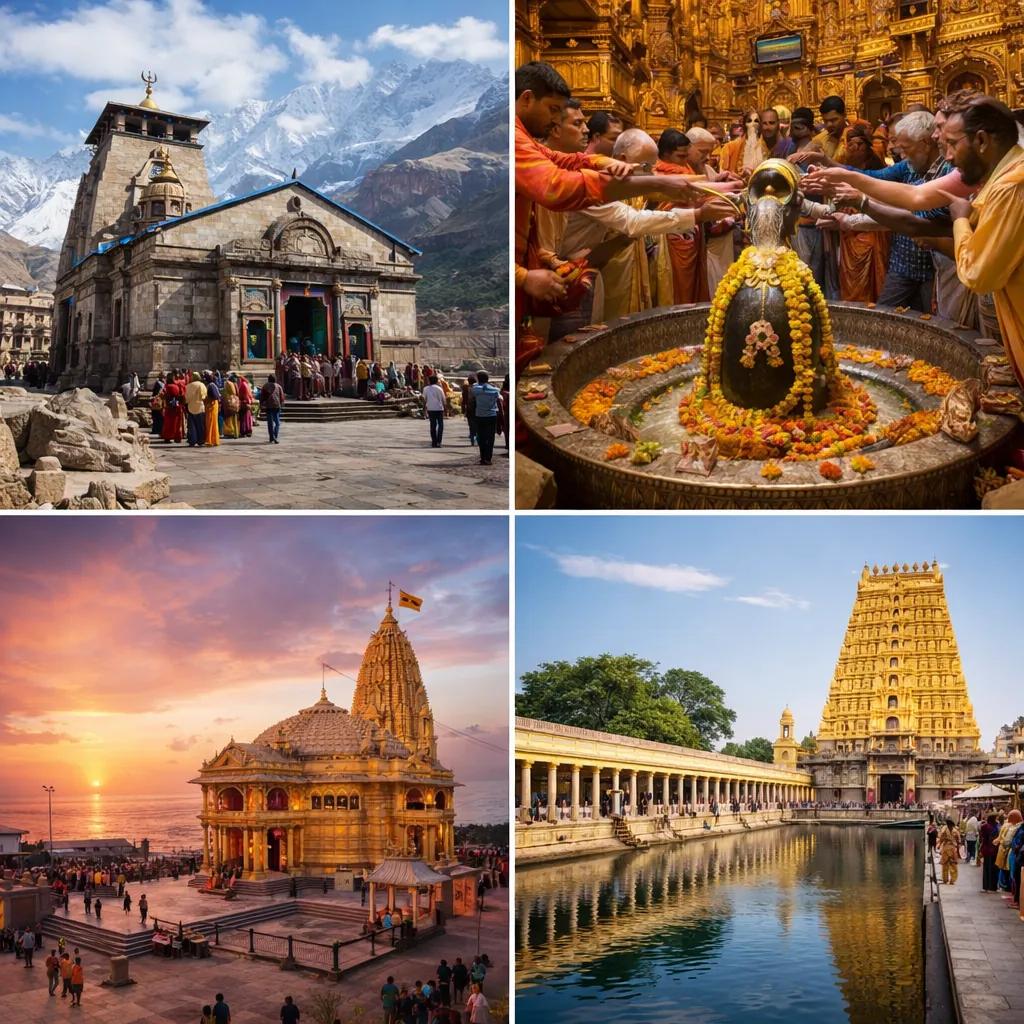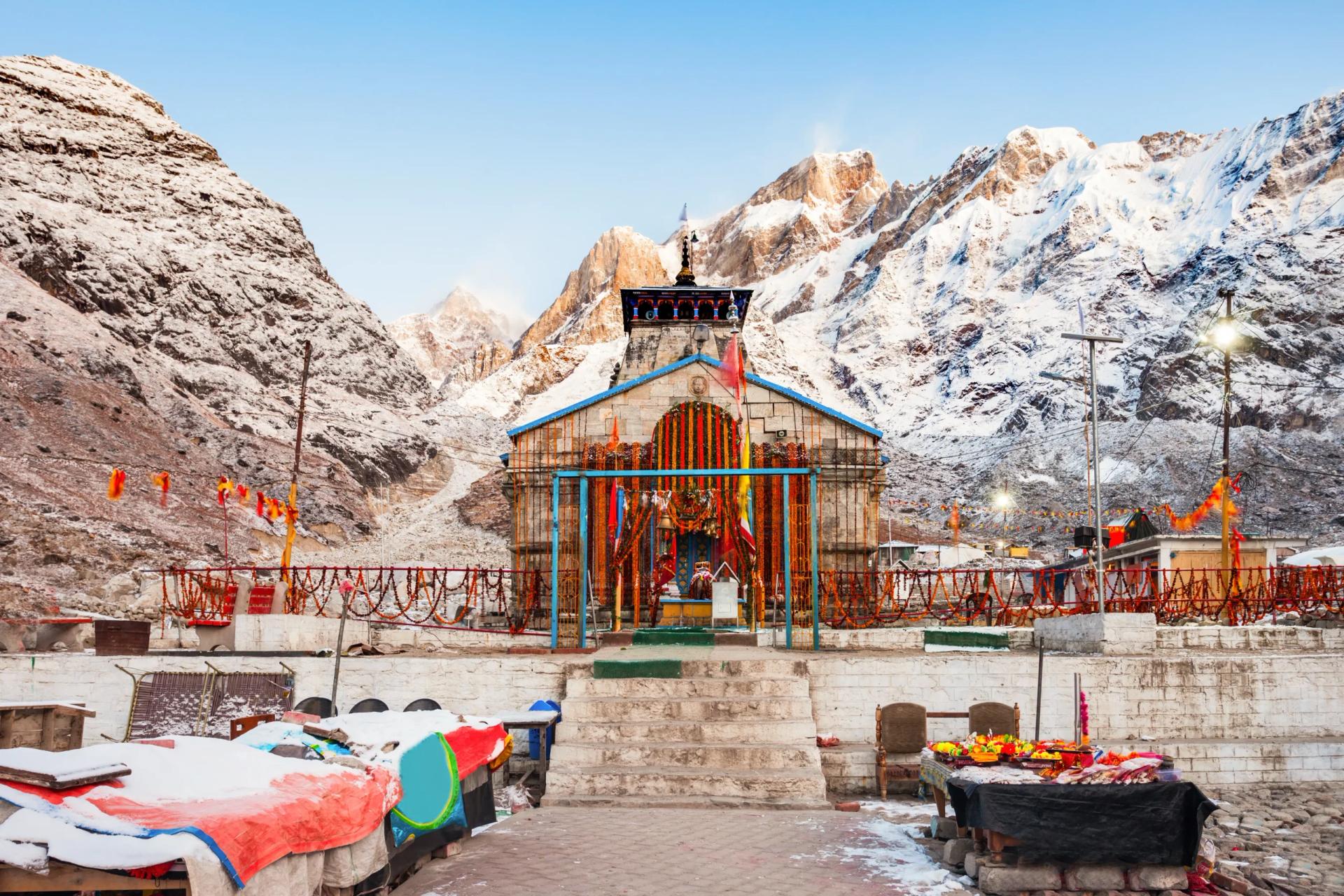
It usually starts mid conversation. Someone mentions Kedarnath. There’s a pause. A nod. Maybe a quiet “haan, jaana hai kabhi.” And then, almost without realising it, you’re looking at calendars, weather updates, old photos, half remembered warnings from relatives who’ve been before.
That’s how it begins.
Kedarnath yatra planning doesn’t arrive with drama. It creeps in. Slowly. Between faith and practicality. Between wanting to go and wondering if you’re really ready.
Because this isn’t just another temple visit. Kedarnath asks something from you. Time. Patience. A bit of humility. And yes, preparation.
Why Kedarnath Yatra Planning Needs Attention
I’ve seen people underestimate this yatra. “Bas pahunch jaayenge, sab ho jaata hai,” they say. Let’s be honest. That thinking belongs to another time.
Today, Kedarnath runs on systems. Registrations. Checkpoints. Health advisories. Trek rules. None of these are there to make life difficult. They exist because the mountains don’t negotiate.
Kedarnath yatra planning matters because it keeps the journey steady. When you know what’s coming, you’re calmer. When you’re calm, the yatra feels different. Deeper.
Kedarnath Yatra Planning Begins With Official Registration
First things first. Registration.
No shortcuts here. Every pilgrim must register through Uttarakhand’s Tourist Safety Management System, commonly called TSMS. This isn’t optional. It’s how the authorities know who’s on the route and where, especially if weather turns tricky.
You create an account. Add pilgrim details. Upload ID proof. Mention how you’re travelling. If you’re driving, vehicle details go in too. An emergency contact who isn’t travelling with you is mandatory.
Once done, you receive a Yatra Registration Letter with a QR code.
That piece of paper? It’s more important than most people realise.
Carrying Registration Proof During Kedarnath Yatra
Here’s where many people slip up.
They register. They feel sorted. And then they forget to actually carry the proof.
During the Kedarnath yatra, QR codes and SMS IDs are checked repeatedly. At checkpoints. At route control points. Sometimes when you least expect it.
No proof means delays. Sometimes outright stops. And arguing at altitude rarely ends well.
Carry it digitally. Carry it printed. Redundancy is your friend here.
Understanding the Kedarnath Trek Route
If you’re serious about kedarnath trip planning, get this clear early.
The Kedarnath trek starts from Gaurikund. Not Sonprayag. Not somewhere “nearby.” Gaurikund.
The trek distance is officially listed as 16 kilometres. Uphill. At altitude. On terrain that changes mood with the weather.
Knowing the exact starting point avoids confusion, especially on busy days when crowd movement is tightly controlled.
Kedarnath Yatra Guide to Trek Planning
Government itineraries paint a fairly realistic picture of the trek days.
They talk about day wise movement. They mention doli and pony arrangements. They show how the trek fits into the overall yatra schedule.
This matters. Because squeezing too much into one day sounds fine on paper, but on the mountain, it catches up with you fast.
A good kedarnath yatra guide respects pacing. It leaves room to breathe. Literally.
Health Considerations in Kedarnath Yatra Planning
This part deserves your attention. Fully.
Kedarnath sits high. Above 2700 meters. Oxygen levels dip. Cold settles in quietly. Even simple exertion feels heavier than usual.
Official health advisories spell it out. Risks include low oxygen, extreme cold, low humidity, strong UV exposure, and reduced air pressure.
You don’t need to be unfit to feel it. The mountain doesn’t discriminate.
Kedarnath yatra planning that ignores health usually turns stressful. Preparation keeps things manageable.
Kedarnath Yatra Checklist Based on Health Advisory
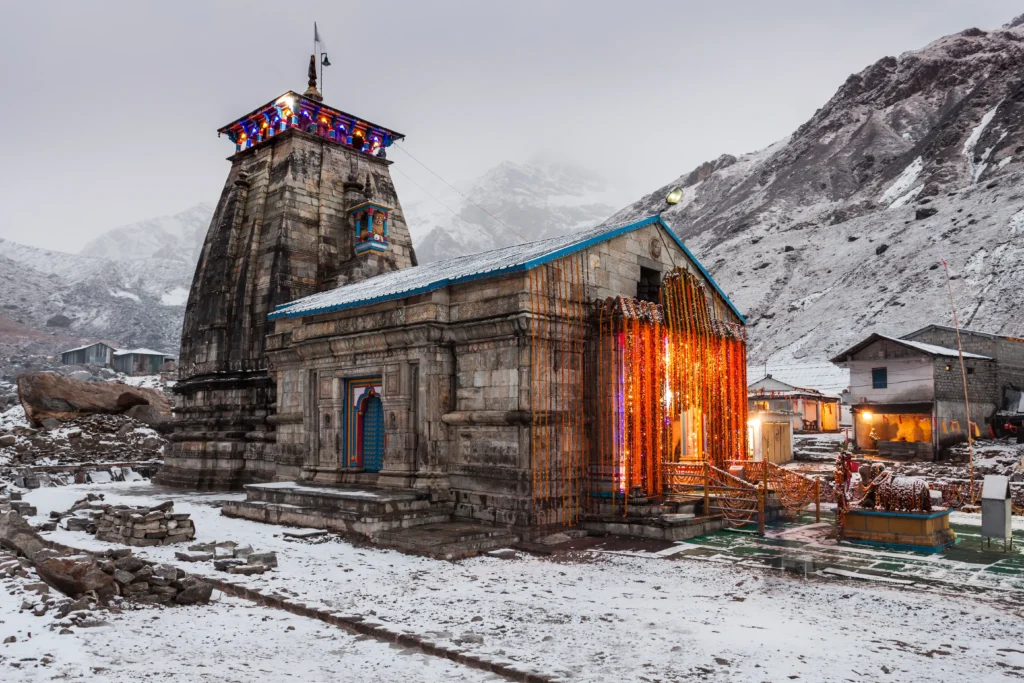
Let’s talk specifics. A real kedarnath yatra checklist, not vague motivation.
• Warm layers. Proper ones. • Rain protection. Because weather flips moods quickly. • Basic health devices like a pulse oximeter or thermometer.
And if you have asthma, heart issues, high blood pressure, or diabetes, a medical check up before the yatra isn’t optional advice. It’s sensible preparation.
Better safe at home than sorry on the trail.
What to Avoid During Kedarnath Yatra
Some habits don’t belong at altitude. Full stop.
Alcohol. Smoking. Sleeping pills. Strong painkillers. Excess caffeine.
Health advisories clearly warn against them. These things interfere with oxygen adaptation and can make altitude symptoms worse.
During the yatra, simplicity helps. Light food. Plenty of fluids. Rest when your body asks for it.
Kedarnath Yatra Tips for Road Travel Safety
Before the trek even begins, there’s the road journey.
And mountain roads play by their own rules.
Official kedarnath yatra tips from the Transport Department advise against driving before 5 AM and after 7 PM. Visibility drops. Fatigue sets in. Roads narrow.
Experienced drivers matter here. Vehicles in good condition matter. These aren’t formalities. They’re safeguards.
Vehicle Compliance and Green Card Rules
If you’re hiring a taxi or bus, pause and ask a few questions.
Does the vehicle have a Green Card? Is a Trip Card issued? Are permits, insurance, fitness certificates, and pollution checks valid?
Commercial vehicles without proper documentation can be stopped. And once you’re stopped, there’s rarely a quick fix.
Good planning checks this upfront.
Helicopter Booking Rules for Kedarnath Yatra
For those considering helicopter services, clarity is crucial.
There is one official online platform for Kedarnath helicopter booking. IRCTC HeliYatra.
That’s it.
Anything else promising guaranteed seats or quick confirmations through unofficial channels should raise alarms immediately.
Avoiding Helicopter Booking Fraud
This isn’t paranoia. It’s reality.
Authorities have blocked 142 fake websites and numerous phone numbers and WhatsApp accounts running helicopter booking scams.
The advice is simple. Book only through official portals. Report suspicious activity through the national cybercrime helpline if needed.
Faith should not come with financial regret.
Route Disruptions and Landslide Awareness
The Himalayas move. Slowly. Constantly.
Verified reports show landslides blocking the Rudraprayag to Kedarnath highway. Sometimes for days. Evacuations happen. Routes change.
Rigid schedules don’t survive here. Kedarnath yatra planning works best with buffer days and flexibility.
Plan with the mountain, not against it.
Char Dham Pariyojana and Kedarnath Connectivity
You’ll hear a lot about the Char Dham Pariyojana. Improved roads. Better connectivity. All weather access.
Much of that work is real. Hundreds of kilometres upgraded. Dozens of civil works completed.
Still, weather and terrain have the final say. Improved roads don’t eliminate landslides or sudden closures. They just make recovery faster.
Knowing this keeps expectations realistic.
Final Thoughts for Pilgrims
Kedarnath doesn’t reward speed. It rewards steadiness.
When kedarnath yatra planning is done with care, the journey feels less chaotic. You’re not scrambling for documents. You’re not panicking about health. You’re present.
And somewhere between the slow climb, the cold air, and the quiet moments when the crowd thins out, it hits you.
This wasn’t just preparation.
It was part of the yatra itself.
Additional resources covering Kedarnath Yatra planning are available on Tirth .com