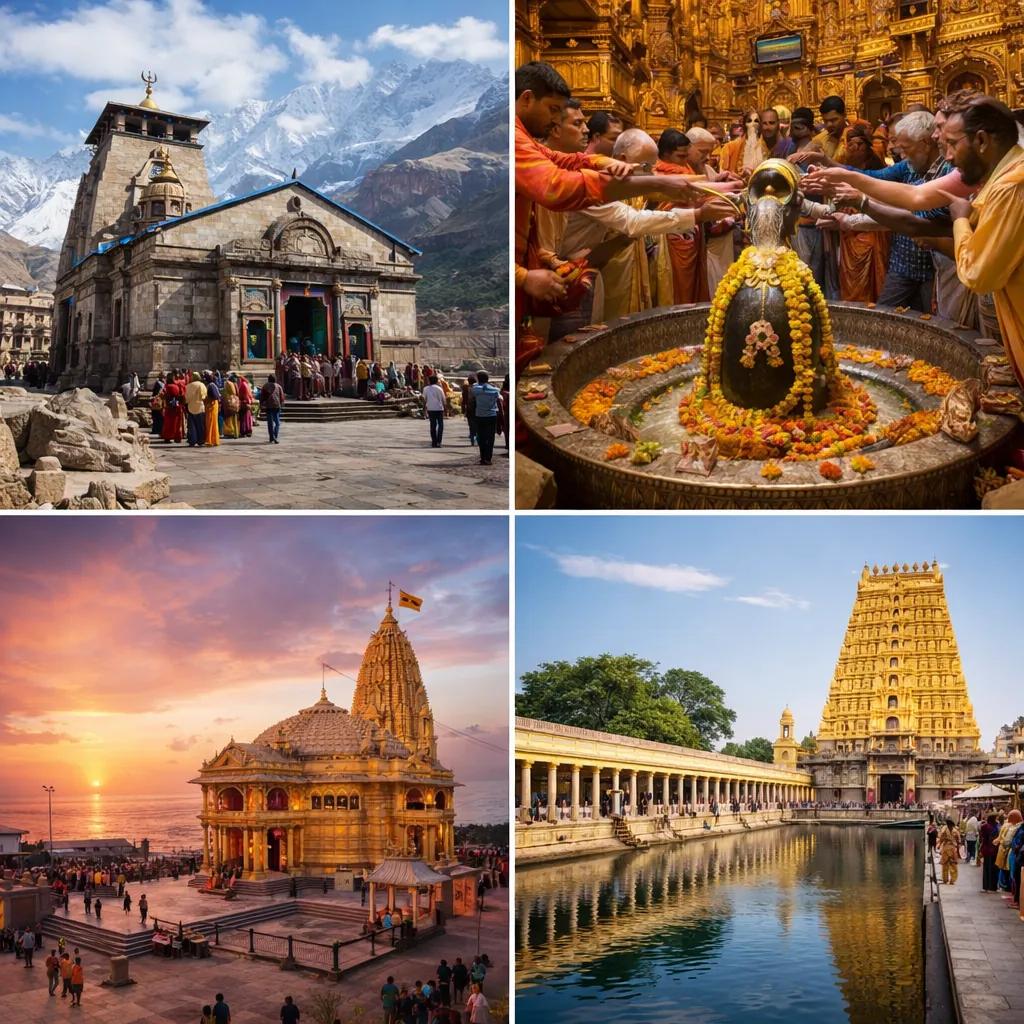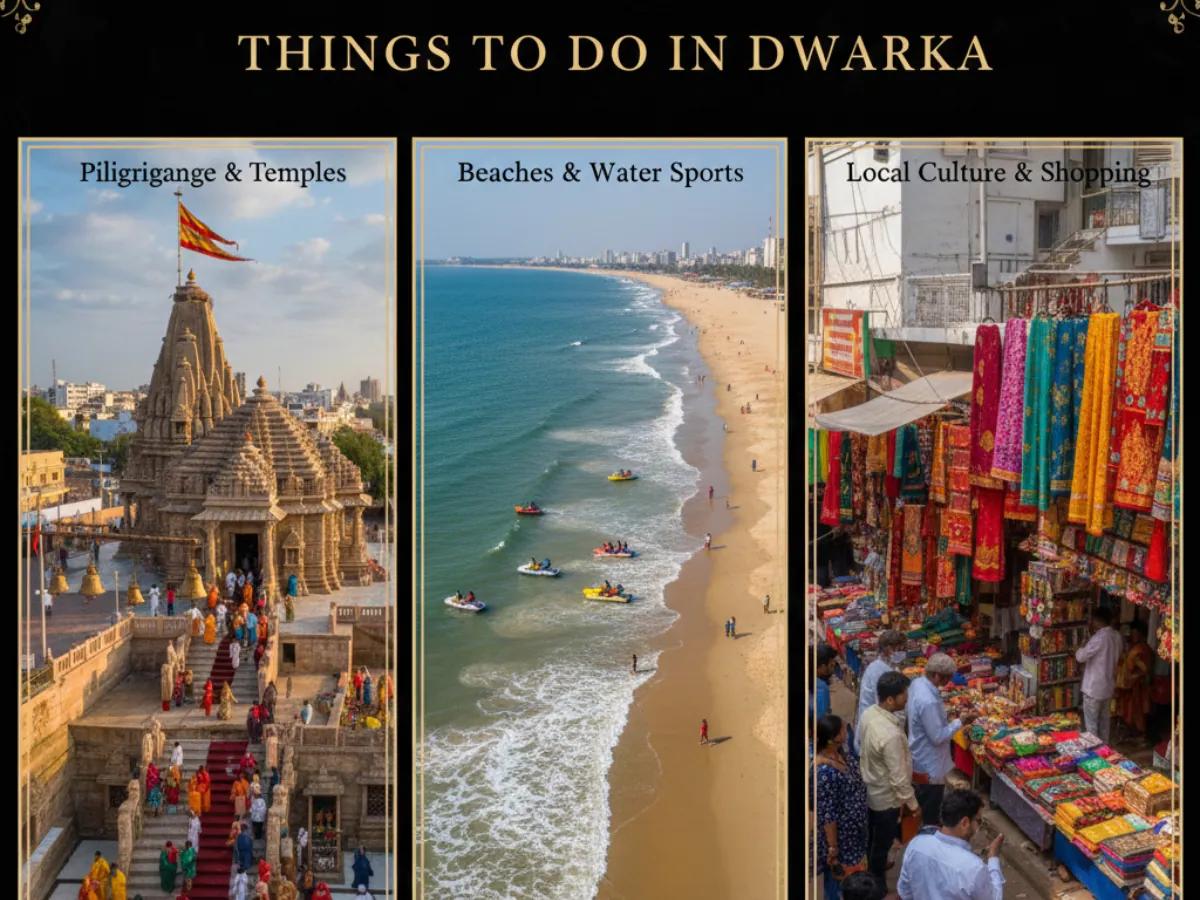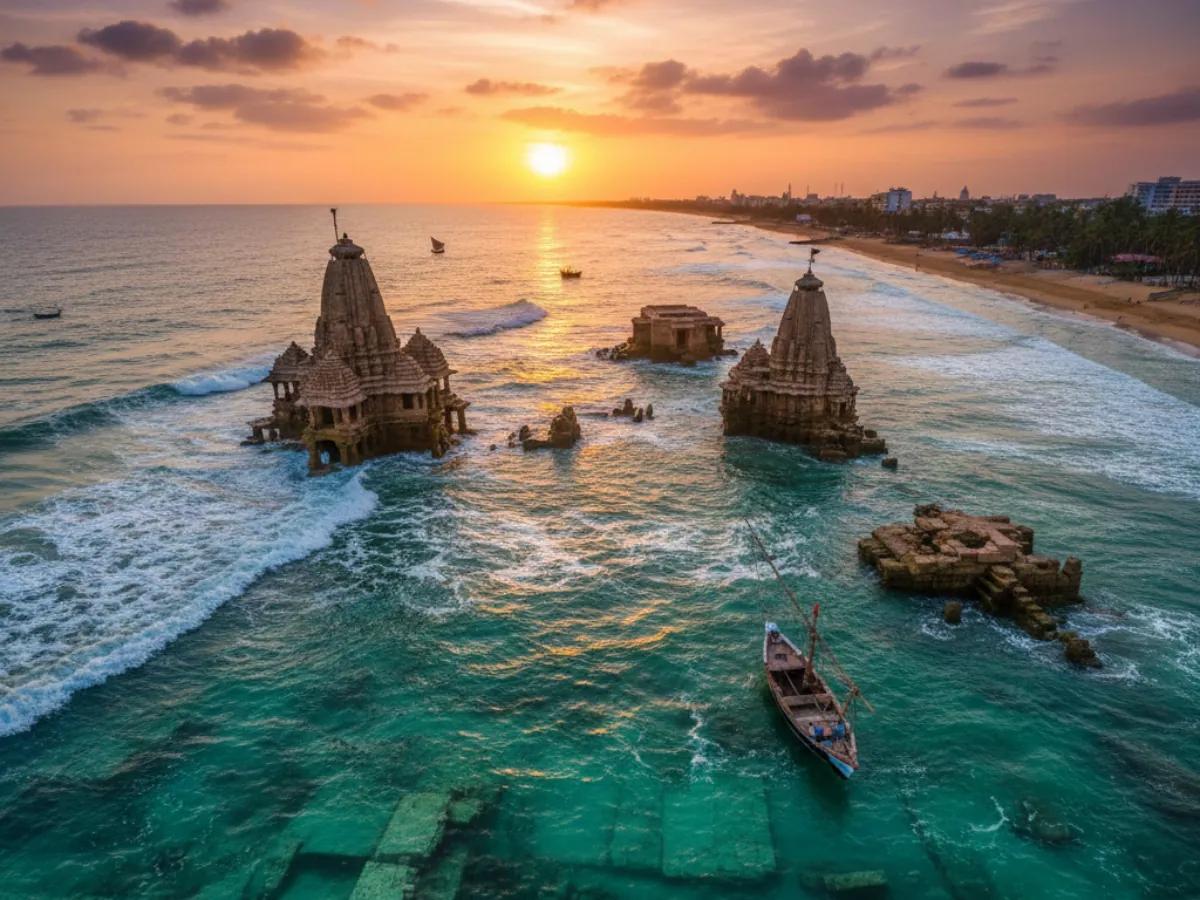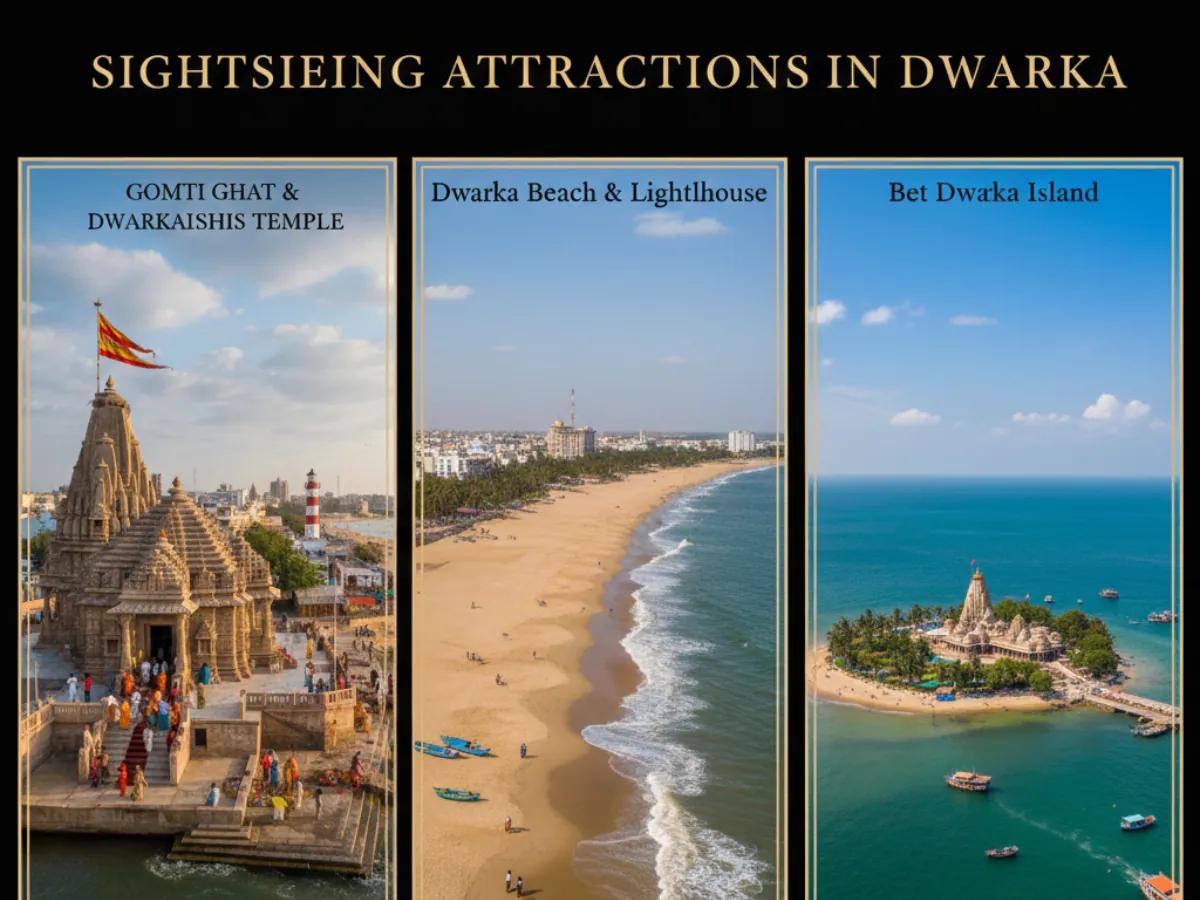
Stepping into a sacred city brings more than travel plans. Thoughts often revolve around how many places can be covered, how tiring the days may feel, and whether important sites might be missed. Dwarka carries spiritual gravity along with coastal calm, and sightseeing here works best when it follows a thoughtful rhythm. This guide presents dwarka sightseeing with care, emotional awareness, and practical clarity so every visitor feels steady, supported, and deeply connected to each place visited.
What Makes Sightseeing in Dwarka Unique
Dwarka stands beside the Arabian Sea and follows a compact town design. Temples, ghats, bridges, and viewpoints sit close to one another, which reduces physical strain and mental pressure. This structure allows visitors to focus on presence rather than constant movement.
Many travelers search for sightseeing Dwarka expecting only visual attractions. Dwarka offers layered experiences where faith, history, sea air, and silence work together. Sightseeing here blends observation with inner stillness, which shapes long lasting impact.
Dwarkadhish Temple
Dwarkadhish Temple forms the spiritual center of the town and anchors most visits.
- Dedicated to Lord Krishna, the temple symbolizes leadership, devotion, and moral duty.
- Daily worship follows a structured flow through Mangla Aarti, Shringar Darshan, and Sandhya Aarti, each carrying a distinct emotional tone.
- Early morning entry offers quieter surroundings, smoother movement, and a calmer environment for elders and families.
This temple remains the first priority on almost every dwarka tourist places list.
Gomti Ghat
Gomti Ghat flows alongside the temple complex and plays a central role in ritual sightseeing.
- Morning visits support ceremonial bathing and focused prayer before temple darshan.
- Evening hours bring lamps, chants, and a reflective atmosphere near the water.
- The ghat serves as a space for gratitude rituals and silent pauses between activities.
Many visitors find emotional grounding here after busy temple hours.
Sudama Setu
Sudama Setu offers a peaceful walking route with devotional symbolism.
- The bridge honors the bond between Krishna and Sudama, reflecting loyalty and humility.
- Gentle walking here supports circulation without fatigue.
- Sea breeze and open space help the mind settle after crowded surroundings.
This location adds balance and emotional depth to tourist places in Dwarka Gujarat itineraries.
Rukmini Devi Temple
Rukmini Devi Temple sits a short distance from the main town and holds a calm atmosphere.
- Dedicated to Goddess Rukmini, the temple represents devotion, harmony, and commitment.
- Visitor flow stays lighter than central shrines, which supports focused prayer.
- Short travel distance allows easy inclusion within half day sightseeing plans.
Families and elders often value this temple for its peaceful setting.
Nageshwar Jyotirlinga
Nageshwar Jyotirlinga carries strong significance for Shiva devotees.
- Recognized as one of the twelve Jyotirlingas, the temple represents protection and inner strength.
- Open surroundings allow steady darshan movement and manageable waiting times.
- Many pilgrims pair this visit with Rukmini Devi Temple to balance Krishna and Shiva worship.
This site completes a spiritually rounded sightseeing circuit.
Bet Dwarka
Bet Dwarka lies off the coast and requires a short boat ride from Okha port.
- Boat services operate under regulated schedules based on sea conditions.
- Life jackets remain compulsory to support safety.
- The island temple connects visitors with legends tied to Lord Krishna’s residence.
Bet Dwarka often leaves a lasting emotional impression through its isolation and silence.
Okha Port Area
Okha supports Bet Dwarka access and adds coastal sightseeing value.
- Shoreline views create a calm waiting experience before boat travel.
- Small shrines near the port reflect regional devotional customs.
- Short visits here help regulate pacing during full sightseeing days.
This area provides mental rest between major attractions.
Dwarka Lighthouse
Dwarka Lighthouse offers open sea perspectives and visual calm.
- Evening visits suit families and elders seeking gentle relaxation.
- Sea horizons support emotional grounding after temple focused hours.
- Short stay time makes this site easy to include without strain.
This viewpoint adds visual depth to dwarka sightseeing plans.
Addressing Common Sightseeing Concerns
Many visitors carry concerns about fatigue, crowd pressure, and missing important places.
- Compact distances reduce long travel needs.
- Electric rickshaws support elder mobility across short routes.
- Clear signboards guide temple and ghat access.
Structured planning reduces anxiety and helps visitors remain present.
Suggested One Day Sightseeing Flow
A focused plan suits short stays.
- Early morning Dwarkadhish Temple darshan.
- Mid morning Gomti Ghat prayer.
- Afternoon Rukmini Devi Temple and Nageshwar Jyotirlinga.
- Evening Sudama Setu walk followed by lighthouse visit.
This flow balances devotion, movement, and rest.
Suggested Two Day Sightseeing Flow
Extended stays allow deeper engagement.
Day One
- Morning Dwarkadhish Temple rituals.
- Gomti Ghat visit.
- Evening lighthouse area walk.
Day Two
- Rukmini Devi Temple.
- Nageshwar Jyotirlinga.
- Bet Dwarka excursion through Okha port.
This structure suits families and senior travelers.
Practical Sightseeing Guidance
Small habits create noticeable comfort.
- Light cotton clothing supports temple norms.
- Easy removal footwear saves time at shrines.
- Hydration supports physical stability during long days.
- Flexible scheduling helps manage darshan flow.
Preparation protects energy and emotional focus.
Guidance for Families and Senior Travelers
Group travel benefits from gentle pacing.
- Accommodation near the temple zone reduces walking effort.
- Visits during lower crowd hours support comfort.
- Mobility assistance helps elders feel secure.
This approach keeps everyone included and relaxed.
Emotional Impact of Sightseeing in Dwarka
Sightseeing here extends beyond visual appeal. Each site carries themes of devotion, friendship, surrender, and remembrance. Moving slowly through these places allows emotional absorption rather than surface level viewing. Many visitors describe a deep sense of calm that grows as each location receives respectful time and attention.
Closing Guidance and Next Steps
Dwarka reveals its depth when sightseeing follows patience, structure, and awareness. A clear understanding of dwarka tourist places list supports confident planning and meaningful engagement. Our guidance at Tirth focuses on respectful scheduling, steady coordination, and trusted support. Reaching out for consultation allows visitors to shape a sightseeing experience that feels purposeful, emotionally grounding, and truly impactful from arrival to departure.