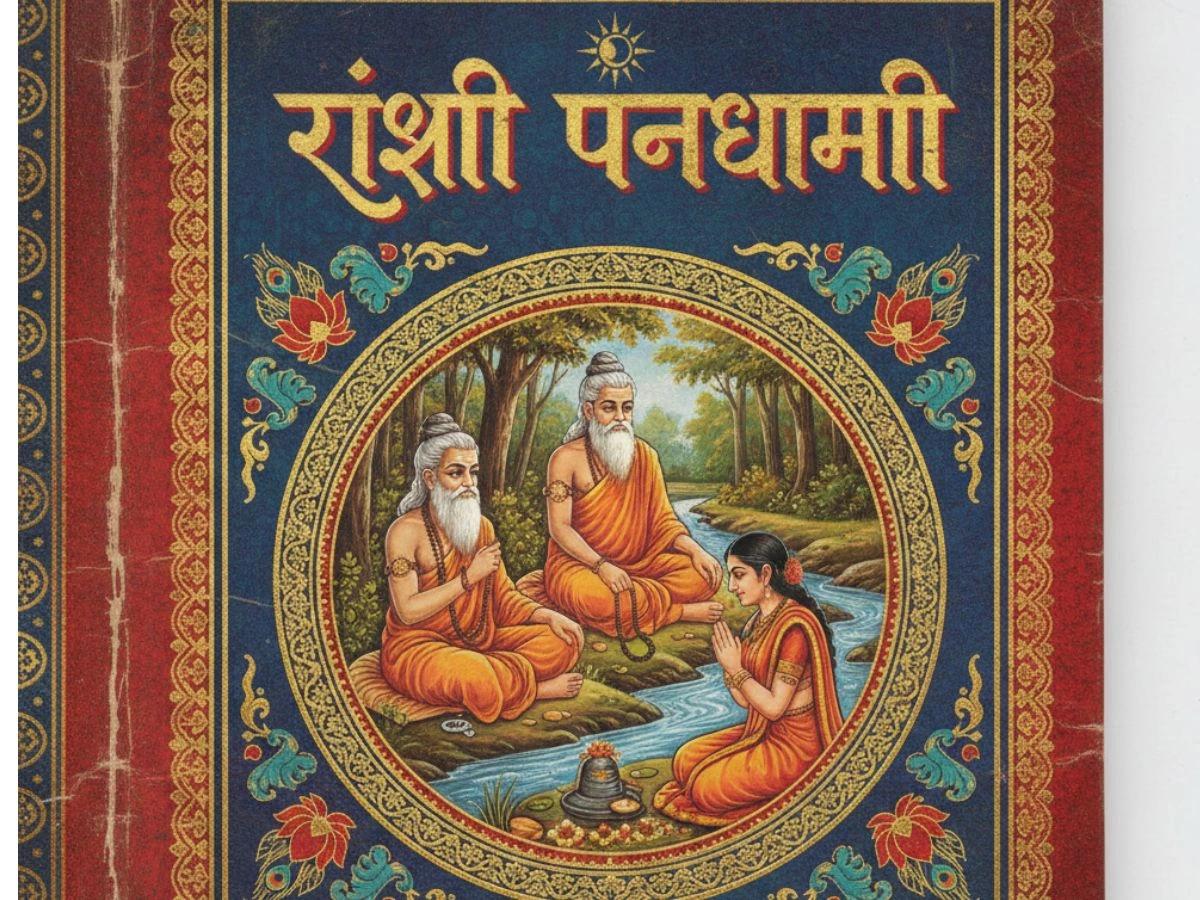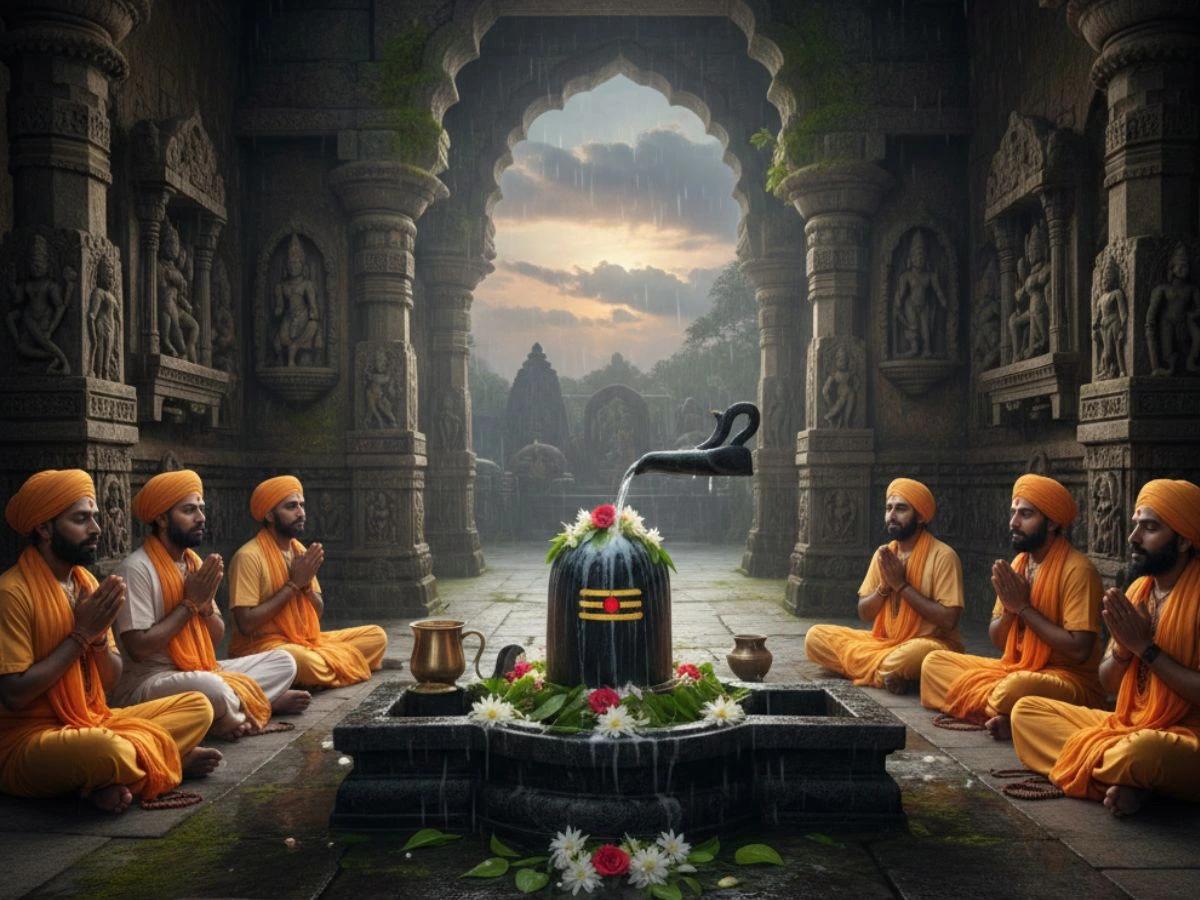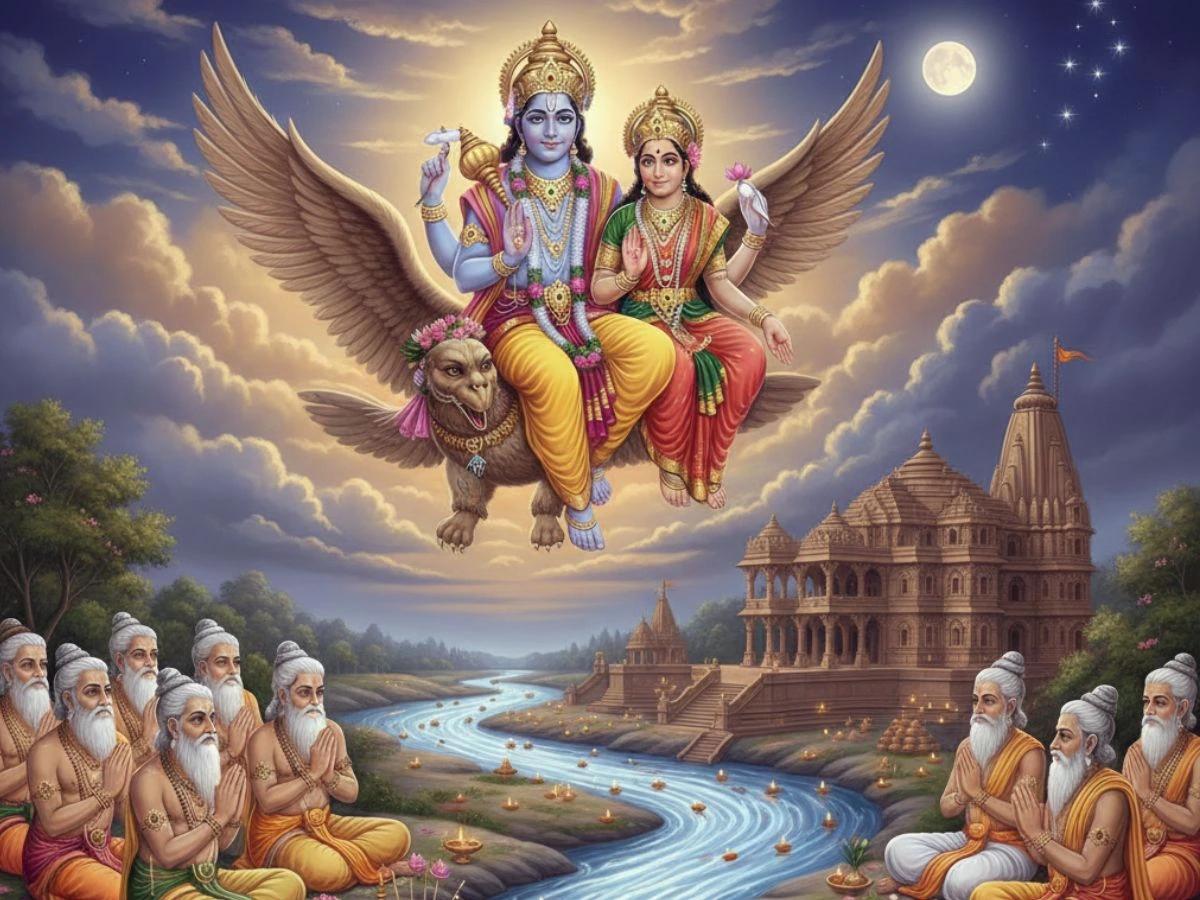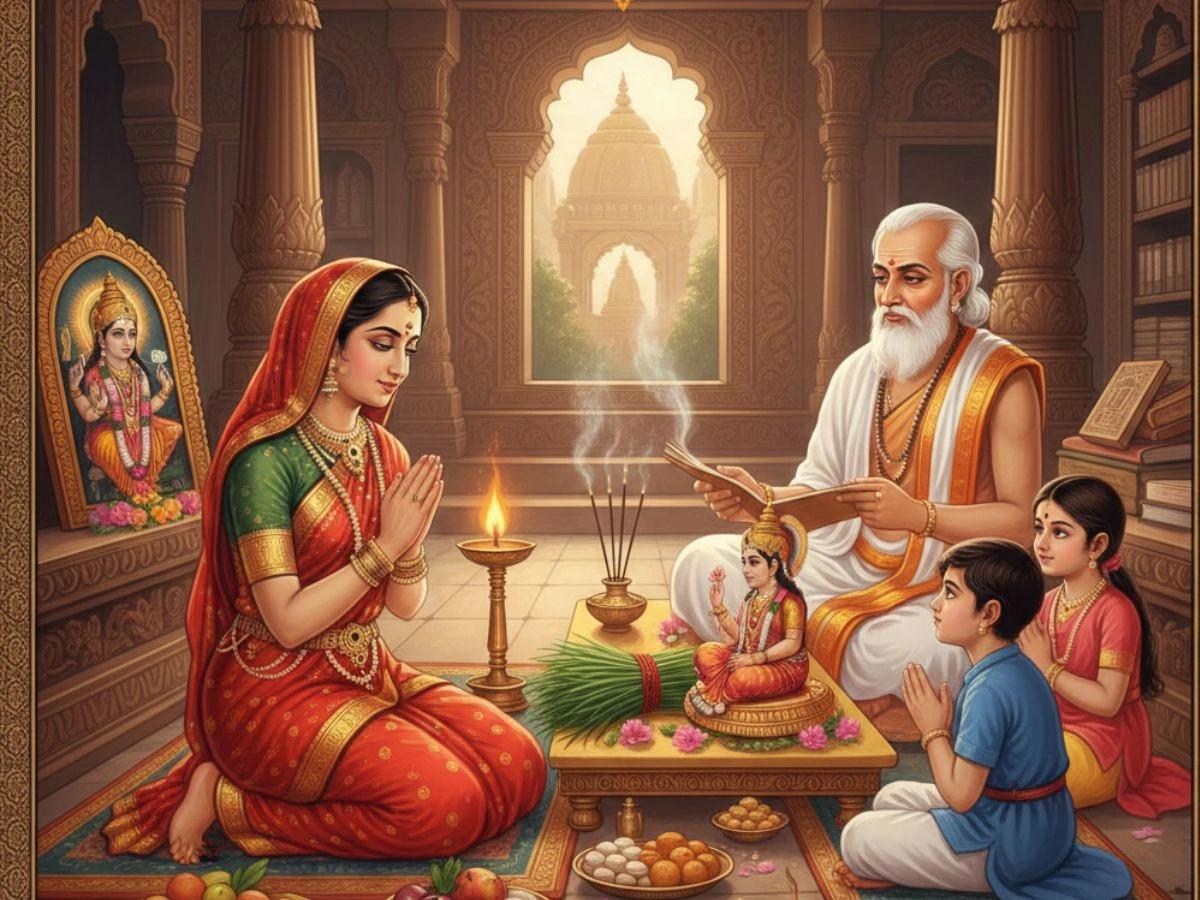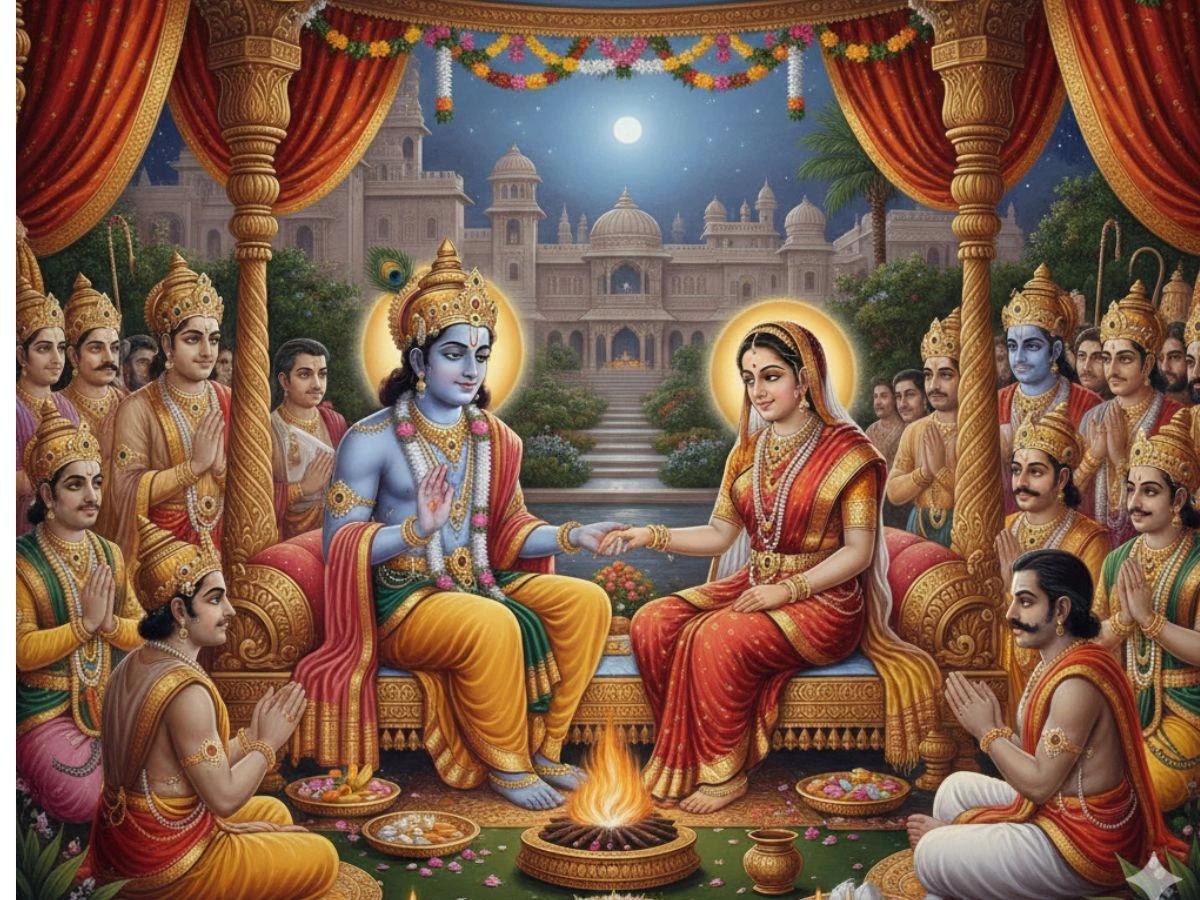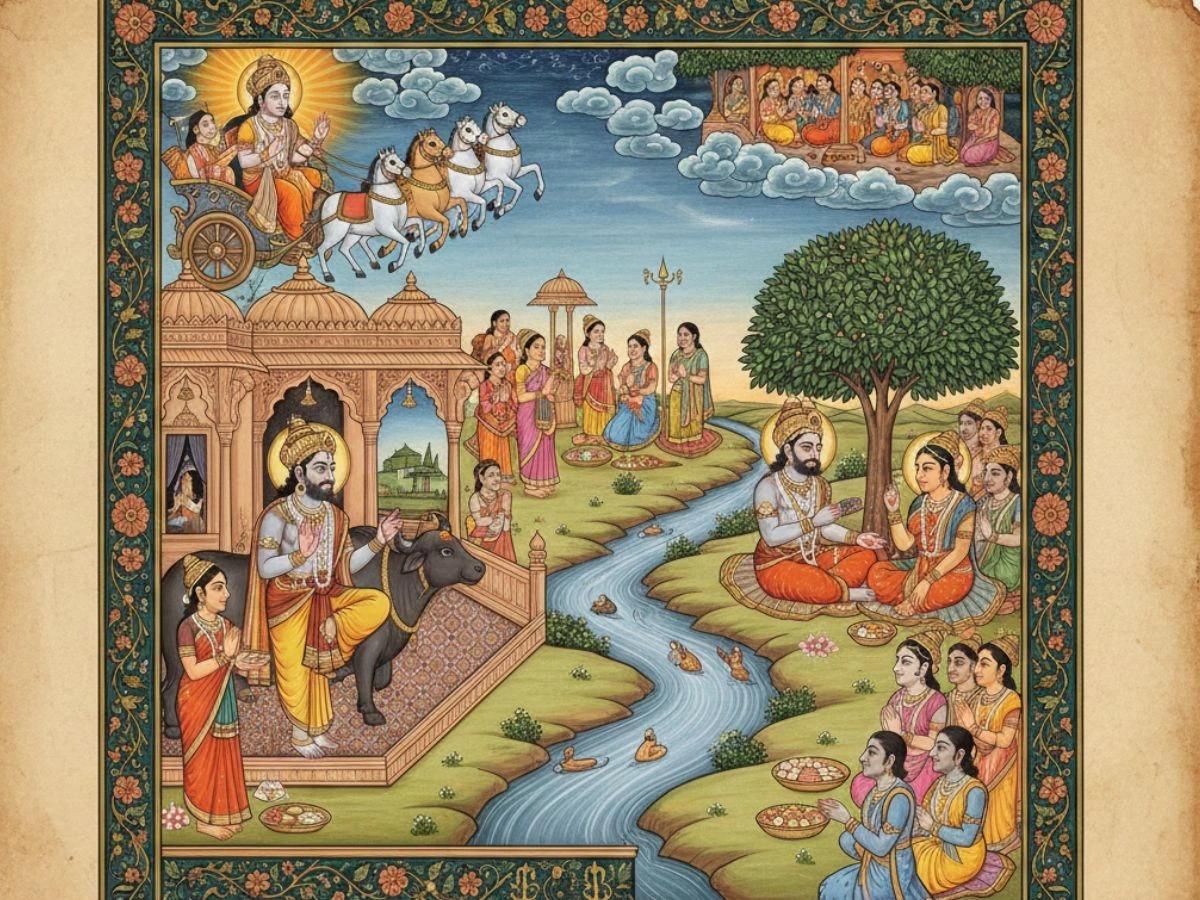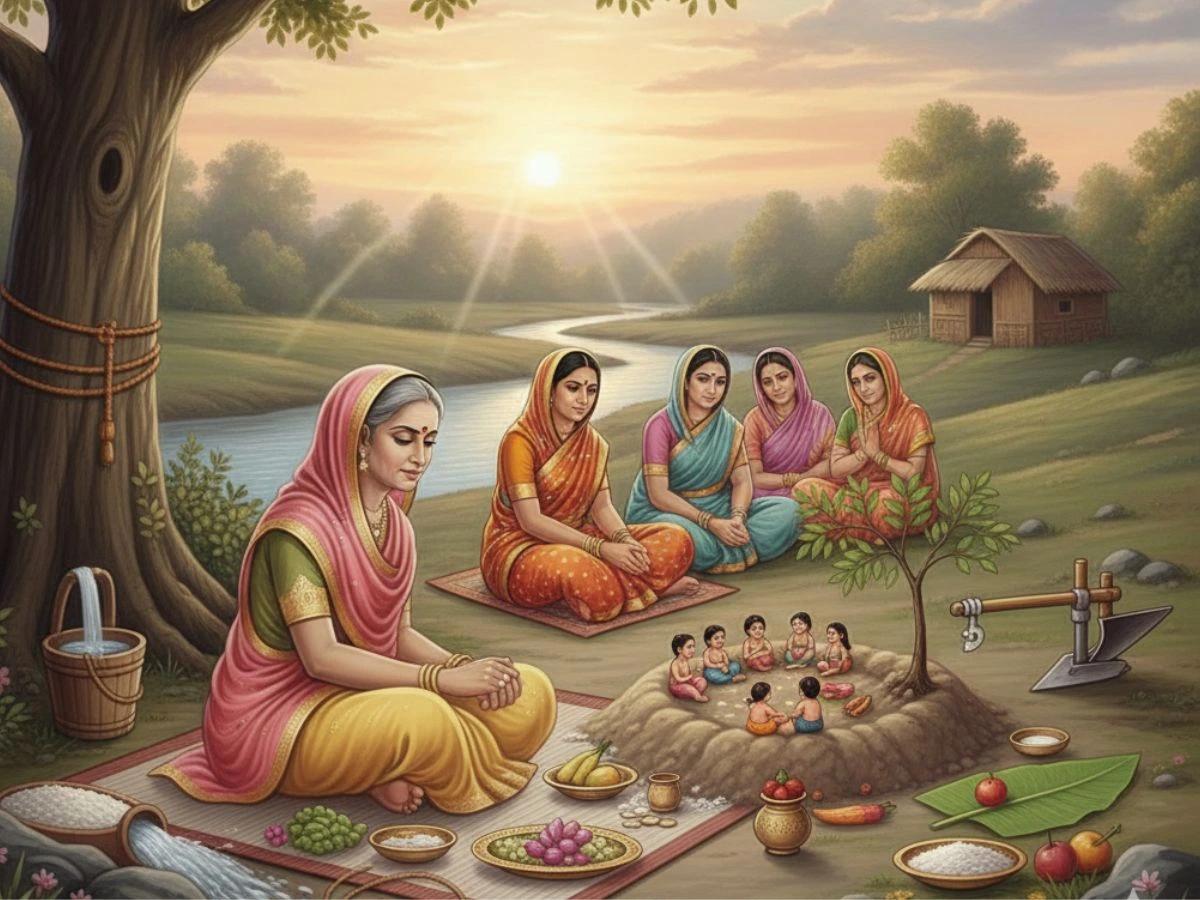
Hala Shashthi Vrat Katha is a sacred and emotional story observed by mothers for the protection, health, and long life of their children. This vrat is dedicated to Lord Balarama, also known as Haladhar, theelder brother of Lord Krishna. The story teaches the importance of honesty, repentance, and sincere devotion.
हला षष्ठी व्रत कथा
हला षष्ठी व्रत मुख्य रूप से माताएँ अपने बच्चों की लंबी आयु, स्वास्थ्य और सुख समृद्धि के लिए रखती हैं। यह व्रत भाद्रपद मास के कृष्ण पक्ष की षष्ठी तिथि को किया जाता है और भगवान बलराम को समर्पित है, जिन्हें हलधर कहा जाता है क्योंकि वे हल (हल = कृषि का औजार) धारण करते हैं।
पौराणिक मान्यता के अनुसार भगवान बलराम का जन्म भाद्रपद मास की षष्ठी तिथि को हुआ था। भगवान बलराम कृषि, शक्ति और धरती की उर्वरता के प्रतीक माने जाते हैं। उनके हाथ में हल होता है, इसलिए इस दिन हल से जोते गए अन्न का सेवन नहीं किया जाता।
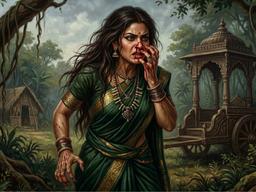
एक अन्य लोककथा के अनुसार, प्राचीन समय में एक स्त्री ने हला षष्ठी के दिन व्रत के नियमों का पालन नहीं किया। उसने दूध दही का सेवन किया और हल से जोते हुए खेत का अन्न खाया। इसके परिणामस्वरूप उसके बच्चे पर संकट आ गया। बाद में उसने अपनी गलती स्वीकार की और श्रद्धा से व्रत रखा, तब भगवान बलराम की कृपा से उसका बच्चा सुरक्षित हो गया।
Spiritual Meaning of Hala Shashthi
Hala Shashthi falls on the sixth day (Shashthi) of Krishna Paksha in the month of Bhadrapada. The day honors Lord Balarama, who represents strength, agriculture, and protection.
Why Lord Balarama is Worshipped
Lord Balarama symbolizes physical strength and moral righteousness. As the elder brother of Lord Krishna, he is considered a protector. Mothers pray to him for the safety and long life of their children.
Significance of the Plough (Hala)
The plough represents agriculture and hard work. On this day, devotees avoid eating ploughed grains as a mark of respect. This practice connects spirituality with farming traditions and gratitude toward nature.
When is Hala Shashthi Observed?
Hindu Calendar and Tithi Details
- On Krishna Paksha Shashthi
- During the Bhadrapada month
- Usually in August or September
Regional Celebrations in India
- Uttar Pradesh
- Bihar
- Madhya Pradesh
- Rajasthan
In rural areas, it holds strong agricultural and cultural significance.
Complete Hala Shashthi Vrat Katha
The Story of the Cowherd Woman
According to the traditional Hala Shashthi Vrat Katha, there once lived a poor cowherd woman in a small village. She earned her living by selling milk and curd in the marketplace. Although hardworking, she sometimes acted dishonestly to increase her profit.
One year, on the sacred day of Hala Shashthi, she ignored the Vrat rules. On this day, mothers are expected to avoid milk, curd, and ploughed grains. However, unaware of the importance of the Vrat, she mixed water into the milk and sold it in the market. Later that day, she cooked food made from ploughed grains and fed her family.
The Consequence of Dishonesty
That very afternoon, her young son suddenly became seriously ill. His condition worsened quickly, and he stopped responding. The mother was heartbroken and cried uncontrollably.
An elderly woman from the village came to her house and asked about her actions that day. After listening carefully, she said, “Today is Hala Shashthi. You have broken the sacred rules and acted dishonestly. Lord Balarama is displeased.”
The mother realized her mistake. She understood that her dishonesty and ignorance had led to this tragedy.
Repentance and Divine Blessing
Filled with deep regret, she folded her hands and prayed sincerely to Lord Balarama. She promised never to cheat anyone again and vowed to observe Hala Shashthi Vrat properly every year.
With tears in her eyes, she sat beside her son and chanted the Lord’s name. Moved by her true repentance and devotion, Lord Balarama forgave her. Miraculously, her child slowly regained consciousness and recovered completely.
From that day onward, the woman strictly followed the vrat rules and lived an honest life. The entire village learned the importance of truth, devotion, and discipline from her experience.
This sacred Hala Shashthi Vrat Katha teaches that repentance with a pure heart can bring divine mercy.
Hala Shashthi Vrat Puja Vidhi
1. Preparation for the Vrat
- Wake up early and take a holy bath.
- Clean the house and puja area.
- Take a sankalp (vow) for your child’s well-being.
- Observe a fast for the entire day.
2. Puja Samagri Required
- Picture or idol of Lord Balarama
- Flowers and garland
- Roli and rice (akshat)
- Kalash with water
- Incense sticks and diya
- Fruits and non ploughed vegetables
3. Step by Step Puja Method
- Place the idol or image on a clean altar.
- Offer flowers, roli, and rice.
- Light a diya and incense sticks.
- Offer fruits and simple food.
- Recite the Hala Shashthi Vrat Katha.
- Pray for your child’s health and protection.
- Perform aarti and distribute prasad.
Rules and Food Restrictions
- Milk and dairy products
- Wheat and rice grown by plough
- Harsh speech or anger
- Dishonesty
Simple and pure food is consumed after completing the puja.
9 Powerful Benefits of Observing the Vrat
- Protection of children from illness
- Long life for sons and daughters
- Family peace and harmony
- Removal of obstacles
- Spiritual growth
- Strengthening maternal bond
- Blessings of Lord Balarama
- Moral discipline
- Inner peace and positivity
Common Mistakes to Avoid
- Ignoring food restrictions
- Performing puja without reading the katha
- Observing Vrat without sincerity
- Acting dishonestly on the sacred day
FAQs
1. What is the main purpose of Hala Shashthi Vrat Katha?
The main purpose is to pray for the safety, health, and long life of children.
2. Why are milk and ploughed grains avoided?
They are avoided as a mark of respect for agriculture and Lord Balarama.
3. Who can observe Hala Shashthi Vrat?
Primarily mothers observe it, but any devotee can perform it with faith.
4. Is fasting compulsory?
Fasting is recommended but can be adjusted based on health conditions.
5. What lesson does the katha teach?
It teaches honesty, repentance, and devotion.
6. What happens if someone breaks the vrat rules?
According to the story, difficulties may arise, but sincere repentance brings forgiveness.
Conclusion
Hala Shashthi Vrat Katha is a timeless sacred story that beautifully highlights maternal love, honesty, and divine protection. It teaches that arrogance and dishonesty lead to suffering, while faith and repentance invite blessings. By observing this Vrat with devotion and discipline, mothers seek the grace of Lord Balarama and ensure the well being of their children.
For detailed information on various Hindu vrats and their significance, refer to Tirth.com.