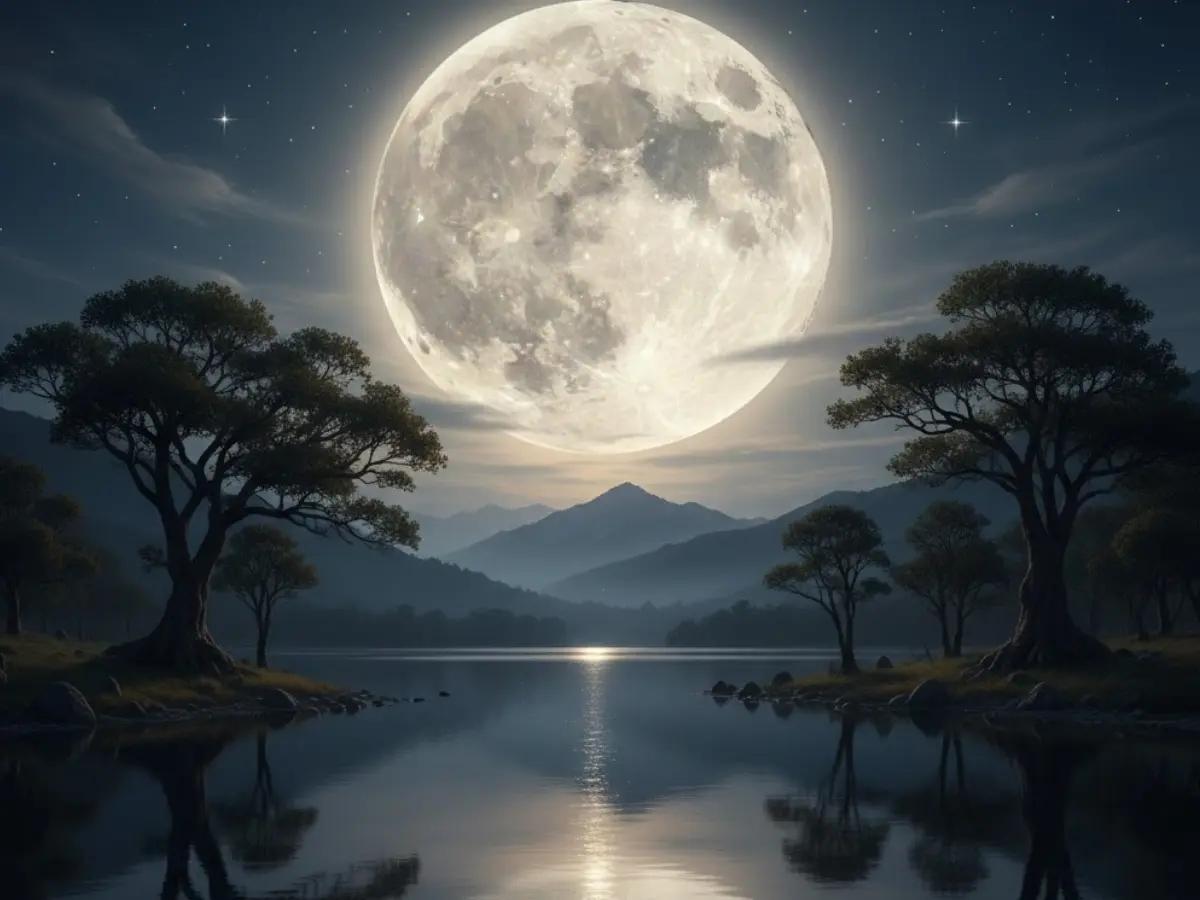
Some nights in India feel different even before you look up. The air slows down. Conversations soften. And then you notice it the Chandra, full and calm, hanging there like it’s been waiting for you all along. That’s Purnima. And for many families, that quiet glow marks the beginning of Purnima vrat.
Purnima Vrat 2026
| Month (Hindu) | Gregorian Date | Festival / Vrat |
| Pausha Purnima | 3 January 2026 | Purnima Vrat |
| Magha Purnima | 1 February 2026 | Magha Vrat (Purnima Vrat) |
| Phalguna Purnima | 3 March 2026 | Full Moon Vrat |
| Chaitra Purnima | 2 April 2026 | Full Moon Vrat |
| Vaishakha Purnima | 1 May 2026 | Buddha Purnima |
| Adhik Jyeshtha Purnima | 31 May 2026 | Full Moon Vrat |
| Jyeshtha Purnima | 29 June 2026 | Vat Purnima (varies by region) |
| Ashadha Purnima | 29 July 2026 | Full Moon Vrat |
| Shravana Purnima | 28 August 2026 | Full Moon Vrat |
| Bhadrapada Purnima | 26 September 2026 | Full Moon Vrat |
| Ashwin Purnima | 26 October 2026 | Sharad Purnima |
| Kartika Purnima | 24 November 2026 | Full Moon Vrat |
| Margashirsha Purnima | 23 Dec 2026 | Full Moon Vrat |
Understanding the Spiritual Meaning of the Full Moon
The full moon has always stirred something in people. You don’t need scriptures to feel it just step outside after dinner and look up. There’s a sense of completeness to it, like a sentence that finally ends where it should.
In Hindu thought, that feeling isn’t accidental. Purnima is believed to be a moment when things come into balance light and dark, thought and silence, wanting and letting go.
Why the Full Moon Holds Religious Importance
Old texts talk about energy and merit and punya, but on the ground, people explain it differently. They’ll say the mind feels steadier. Or that prayers land better. Or simply, “It feels right.”
The moon is linked to the mind Chandra, after all, governs emotions. So when the moon is whole, people believe the mind can be, too. That’s why worship, fasting, and charity done on Purnima are said to carry extra weight.
Lunar Energy and Human Consciousness
Ask anyone who’s spent time observing their own moods, and they’ll tell you some days are heavier than others for no obvious reason. Traditional belief connects this ebb and flow to the moon. The body, mostly water, responding quietly to lunar pull.
On Purnima, that pull is strongest. Which is why people sit longer in prayer, speak softer at home, and sometimes choose silence over argument. Not always perfectly. But they try.
Origins and History of Purnima Observances
Purnima vrat didn’t appear overnight. They grew slowly, shaped by scripture, yes, but also by kitchens, riverbanks, temple courtyards, and long walks taken barefoot before sunrise.
Mentions in Ancient Hindu Scriptures
The Puranas speak clearly about Purnima Skanda Purana, Vishnu Purana, Bhavishya Purana. They talk about fasting, daan, and devotion as ways to loosen the knots of past karma.
But scriptures aside, what’s striking is how consistently these practices survived. Generation after generation, people kept them alive. That tells you something.
Evolution of Monthly Full Moon Fasts
In some homes, Purnima fasting is strict. In others, symbolic. Somewhere, a grandmother drinks only milk. Somewhere else, a young working professional skips grains but still answers emails.
Same vrat. Different lives. That flexibility is probably why it endured.
Types of Purnima Celebrations Across India
Not all Purnimas feel the same. Each one carries its own mood, its own memory.
Guru Purnima
This one is personal. People remember teachers schoolteachers, spiritual gurus, even parents. A phone call. A visit. A silent thank you. It’s less about ritual and more about acknowledgement.
Sharad Purnima
There’s sweetness in the air during Sharad Purnima. Literally. Milk left under moonlight. Stories about healing rays. Children sneaking extra servings of kheer. Faith mixed with folklore, and no one really complains.
Kartik Purnima
If you’ve ever seen rivers lit with thousands of lamps on Kartik Purnima, you don’t forget it. The light reflects off the water, and for a moment, the world feels gentler. Cleaner. Almost forgiving.
Purnima vrat: Meaning and Religious Significance
At its heart, Purnima vrat are about restraint not punishment. Choosing less so something else can rise.
Why Devotees Observe This Vrat
People observe the vrat for many reasons. Peace at home. Mental clarity. A wish whispered quietly. Or sometimes no reason at all beyond habit and faith.
And that’s okay.
Deities Worshipped on Purnima
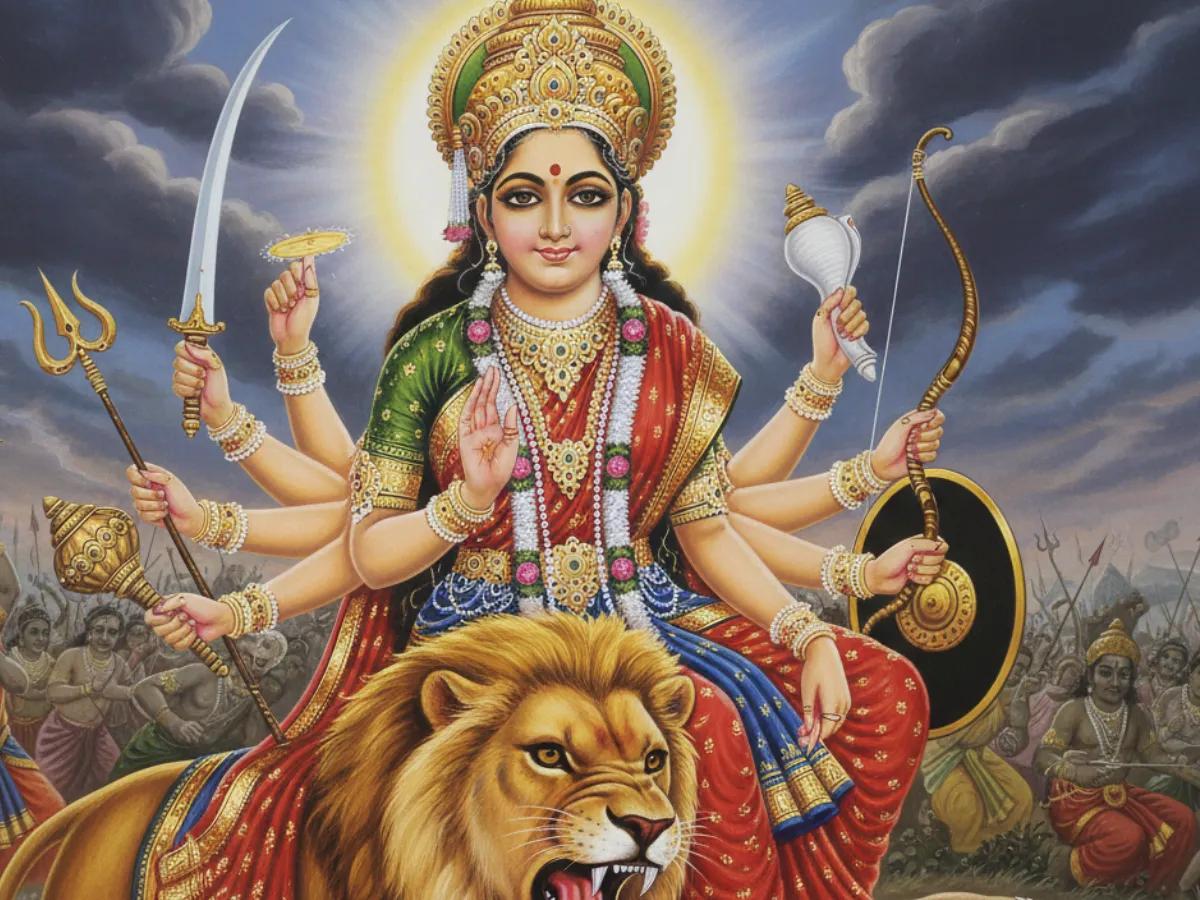
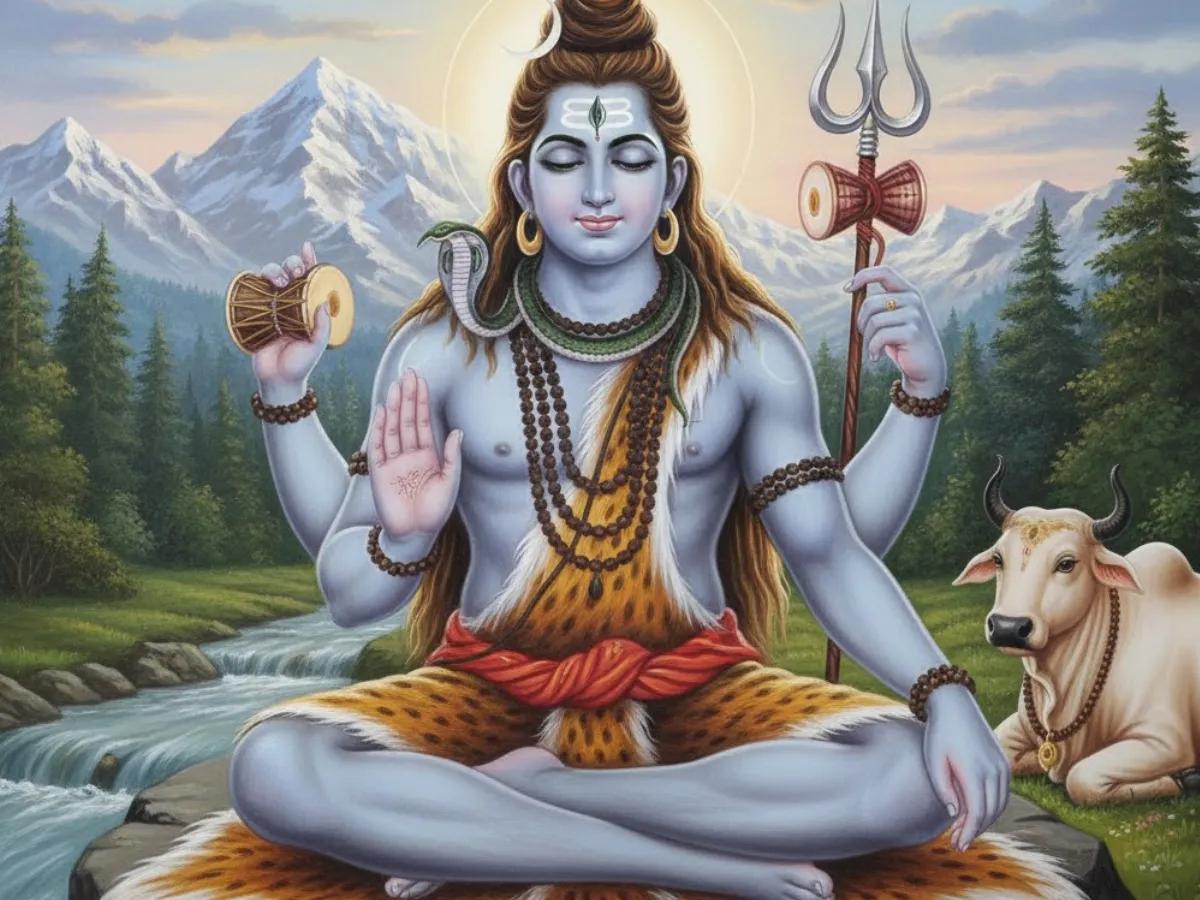
Vishnu. Lakshmi. Shiva. Chandra Dev. The deity changes with the month, but the offerings remain simple milk, rice, white flowers, something clean and sincere.
Rituals and Traditions Followed During the Vrat
There’s no rush on Purnima. Even the rituals unfold slowly.
Morning Practices and Purification
An early bath. Clean clothes. Floors swept. The house smells faintly of incense. These small acts set the tone not perfection, just intention.
Daytime Fasting Rules
Some people fast completely. Others take fruits and milk. No one really competes. The idea is awareness, not suffering.
Evening Moon Worship
Moonrise is the quiet climax. People step outside, steel plate in hand, eyes lifted. Water offered. A prayer murmured. The fast ends gently, not dramatically.
Fasting Rules and Dietary Guidelines
Food matters here but so does how you think about it.
Foods Allowed During the Fast
Fruits, milk, nuts, sabudana, kheer. Simple foods. Comforting foods.
Foods to Avoid
Grains, pulses, onion, garlic, heavy indulgence. The idea is lightness in body and mind.
Spiritual and Mental Benefits of Observing the Vrat
People don’t always talk about benefits, but they feel them.
Inner Peace and Mindfulness
There’s a calm that comes from slowing down for a day. Fewer meals. Fewer distractions. More listening.
Strengthening Faith and Discipline
Even observing one Purnima vrat builds quiet discipline. Not the loud kind the steady, internal kind.
Scientific Perspective on Full Moon Fasting
Modern studies talk about sleep cycles and circadian rhythms. About how full moons might affect rest and emotion. Whether or not you buy all of it, there’s no denying that mindful eating and reflection help the nervous system reset.
Sometimes science arrives late to what tradition already knew.
Purnima Rituals for Family Prosperity
Charity on Purnima feels natural. A meal shared. Clothes donated. A small envelope slipped quietly into someone’s hand. Prosperity, after all, grows when generosity flows.
Common Mistakes to Avoid During Purnima
Rushing the ritual. Fasting with resentment. Arguing while pretending to be spiritual. These things happen. The reminder is simple intention matters more than performance.
Frequently Asked Questions (FAQs)
Can anyone observe Purnima vrat?
Yes. Adjusted to health, age, and circumstance.
Is fasting compulsory on Purnima?
No. Sincerity carries more weight than hunger.
Can water be consumed during the vrat?
Yes. Most people do.
Which mantra is best for Purnima?
Chandra Gayatri and Vishnu mantras are common, but heartfelt silence works too.
What if the moon is not visible?
Rituals follow timing, not eyesight.
Do Purnima vrat offer health benefits?
Many feel lighter physically and mentally after observing them.
Conclusion: Embracing the Light of the Full Moon
Purnima vrat aren’t about doing everything right. They’re about pausing. Looking up. Remembering that life moves in cycles, not straight lines.
Month after month, the moon returns to fullness. And with it, the quiet reminder that we can, too imperfectly, slowly, honestly.
Related articles and background details are available on Tirth.com