Thoughts before visiting a sacred town often feel layered. Questions arise around faith, physical comfort, crowd movement, daily schedules, and whether the experience will feel calm or rushed. Dwarka carries deep spiritual weight, and clarity before arrival helps transform uncertainty into quiet confidence. This overview guides planning with care, steady logic, and emotional reassurance for anyone approaching dwarka tourism with devotion and responsibility.
The Spiritual Position of Dwarka in Indian Pilgrimage
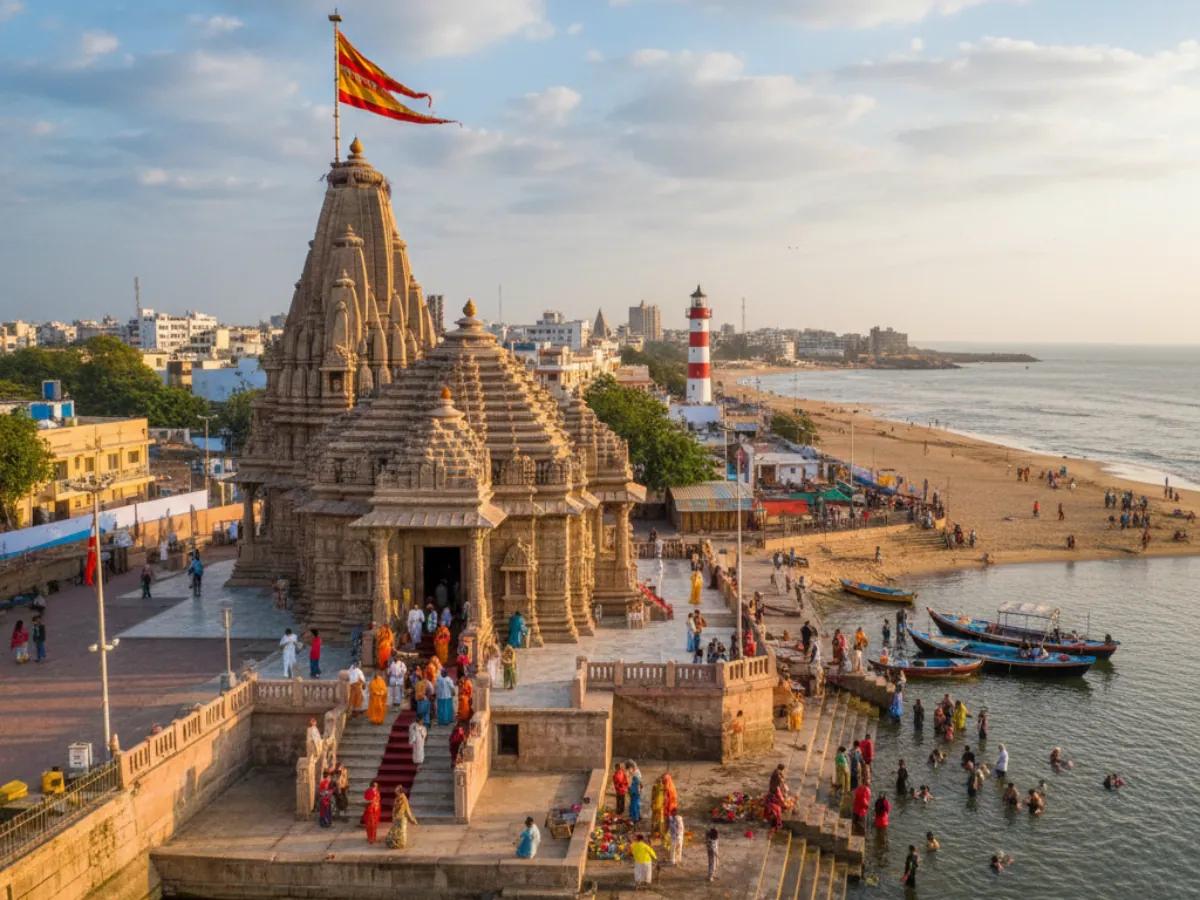
Dwarka stands at the western edge of Gujarat, facing the Arabian Sea. Scriptures and oral tradition describe Dwarka as the kingdom of Lord Krishna, shaping its place within Vaishnav belief and Char Dham tradition. For pilgrims, the town represents duty, remembrance, and disciplined devotion rather than sightseeing alone.
Spiritual soundscapes, temple routines, coastal air, and ritual timing remain closely connected. This relationship defines the emotional tone of dwarka dham gujarat, where prayer, movement, and rest follow a shared rhythm. Many visitors sense inner stillness when daily planning stays aligned with this flow.
Dwarka Within Gujarat Tourism Planning
Dwarka forms a core pillar within gujarat tourism dwarka circuits. Travel routes often connect Dwarka with Somnath, Porbandar, and Jamnagar, allowing pilgrims to combine temple worship with regional heritage. This placement offers accessibility without isolation.
Infrastructure, hospitality, and transport planning across gujarat dwarka aim to support families, elders, and first time pilgrims. Roads, rail links, and service availability reflect the town’s role as a major spiritual destination rather than a remote shrine.
Best Time to Visit Dwarka for Ease and Stability
Seasonal awareness shapes comfort, darshan flow, and walking ease. Timing choices influence how the visit feels from morning till night.
- October to March
Mild temperatures support temple queues, ghat visits, and seaside walks. These months suit elders, families, and longer stays. - Festival periods
Janmashtami and Kartik bring heightened devotion, heavier crowds, and extended darshan lines. Advance stay planning and flexible temple schedules reduce pressure. - Summer months
Warmer days call for early temple visits, shaded rest intervals, and hydration awareness. - Monsoon phase
Sea conditions affect boat access to Bet Dwarka on select days. Same day checks help maintain stability.
Reaching Dwarka With Practical Confidence
Travel clarity shapes the first impression of any pilgrimage town.
Rail Access
- Dwarka Railway Station sits close to the temple zone.
- Direct trains connect major Gujarat cities.
- Overnight routes suit elders seeking reduced daytime fatigue.
Road Access
- Smooth highways link Dwarka with Jamnagar and Rajkot.
- Private taxis support family groups and flexible stops.
- State transport buses run frequent and affordable services.
Air Access
- Jamnagar Airport remains the nearest arrival point.
- Road transfer time stays around three hours.
- This option suits short duration visits.
Accommodation Choices That Support Devotion
Stay comfort affects temple focus, sleep quality, and daily energy.
- Temple area dharamshalas
These serve pilgrims seeking proximity to darshan timings. Rooms stay simple with functional facilities. - Mid range hotels
These suit families seeking privacy, hot water, and meal access near temples. - Sea facing properties
These offer calm views and evening walks near Gomti Ghat, supporting reflection.
Advance reservations support steadiness during peak months.
Dwarkadhish Temple Darshan Experience
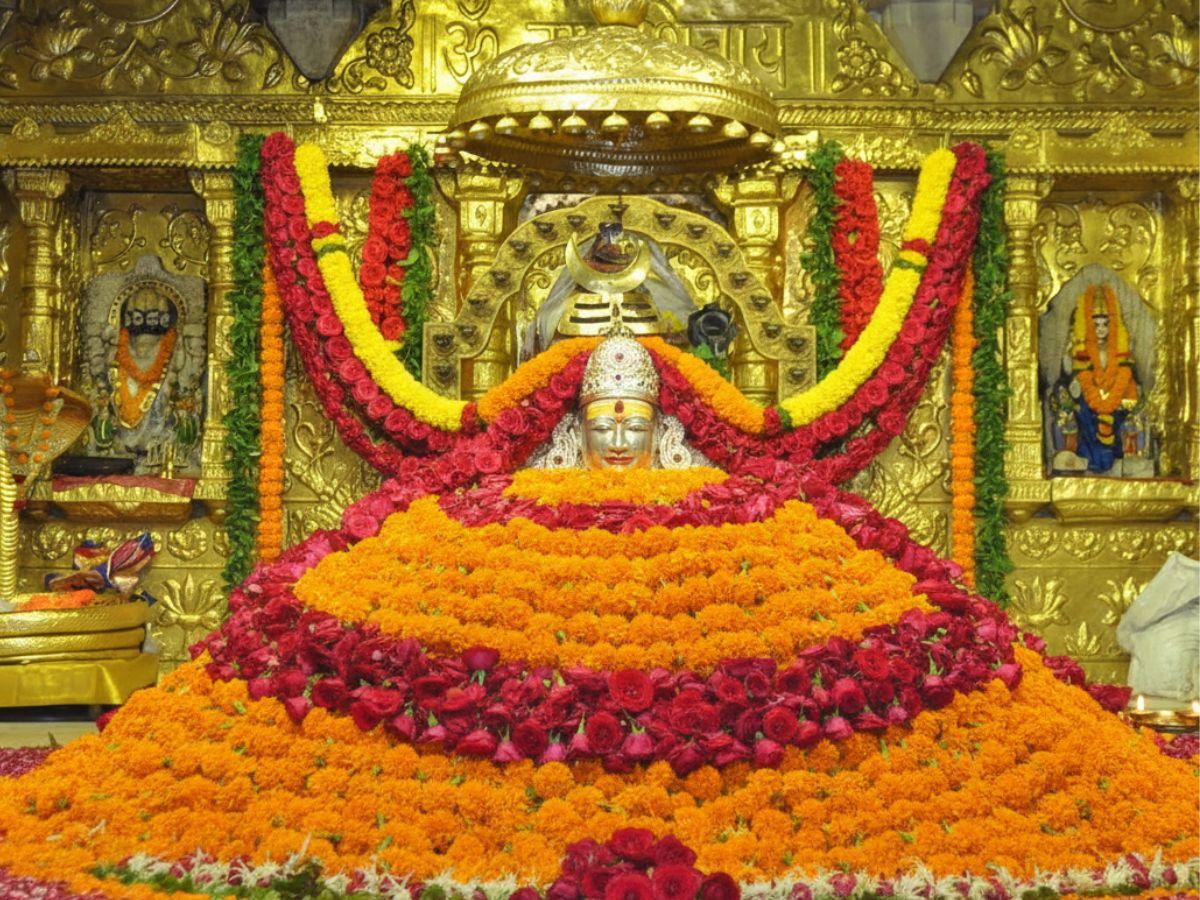
Temple worship remains central to dwarka tourism, and understanding darshan flow removes anxiety.
- Mangla Aarti
Early morning worship begins before sunrise. Arrival ahead of time supports smoother entry. - Shringar Darshan
Morning hours carry balanced footfall and steady movement. - Sandhya Aarti
Evening worship draws larger crowds with lamps and chants.
Mobile phones remain restricted inside temple premises. Senior assistance lanes operate on selected days.
Bet Dwarka and Coastal Sacred Sites
Bet Dwarka connects pilgrims with island based Krishna traditions.
- Boat services operate from Okha port under regulated timing.
- Life jackets remain compulsory for safety.
- Weather review on the same day reduces disruption risk.
Nearby coastal stretches support quiet moments after worship.
Gomti Ghat and Sudama Setu Experience
Gomti Ghat holds ritual importance for bathing and prayer.
- Morning hours suit elders and families.
- Evening lamps reflect across the water with gentle calm.
Sudama Setu allows short walks with open sea views and fresh air.
Food Habits and Daily Routine Comfort
Diet stability supports physical ease during temple focused days.
- Temple prasad remains light and nourishing.
- Local eateries serve Gujarati meals with mild seasoning.
- Bottled water use supports health balance.
Early dining aligns better with darshan schedules.
Addressing Common Visitor Concerns
Many visitors carry concerns around crowds, walking distance, and elder care.
- Compact town layout reduces long travel needs.
- Electric rickshaws assist short route mobility.
- Clear signboards guide temple and ghat access.
Structured planning lowers mental strain.
Photography and Memory Preservation
Visual memories form an emotional part of pilgrimage. Many travelers seek moments linked to gujarat dwarka temple photos.
- Exterior temple photography remains permitted.
- Early morning light supports clear visuals.
- Respectful distance preserves sacred atmosphere.
Such moments remain meaningful without disruption.
Sample Two Day Visit Structure
A gentle structure helps first time visitors settle comfortably.
Day One
- Arrival and hotel check in
- Evening visit to Gomti Ghat
- Sandhya Aarti darshan
Day Two
- Early Mangla Aarti
- Bet Dwarka visit
- Sudama Setu walk
- Evening rest and departure planning
This flow supports devotion without rush.
Packing and Preparation Guidance
Small habits support comfort throughout dwarka dham gujarat visits.
- Light cotton clothing with modest coverage suits temple norms.
- Easy removal footwear saves time near shrines.
- Medicines and hydration stay important for elders.
- Flexible time blocks allow calm darshan movement.
Such preparation protects energy and focus.
Family and Senior Travel Considerations
Family visits benefit from pacing awareness.
- Stays near temple areas reduce walking.
- Non peak darshan hours suit elders.
- Mobility assistance supports comfort.
This approach keeps the visit inclusive.
Closing Guidance and Next Steps
Dwarka offers devotion, reflection, and emotional grounding when approached with thoughtful preparation. Clear structure supports spiritual focus and physical comfort across every stage of dwarka tourism. Our planning guidance at Tirth centers on calm coordination, verified support, and respectful scheduling. Reaching out for consultation allows pilgrims to shape a visit that feels steady, meaningful, and well supported from arrival to departure.