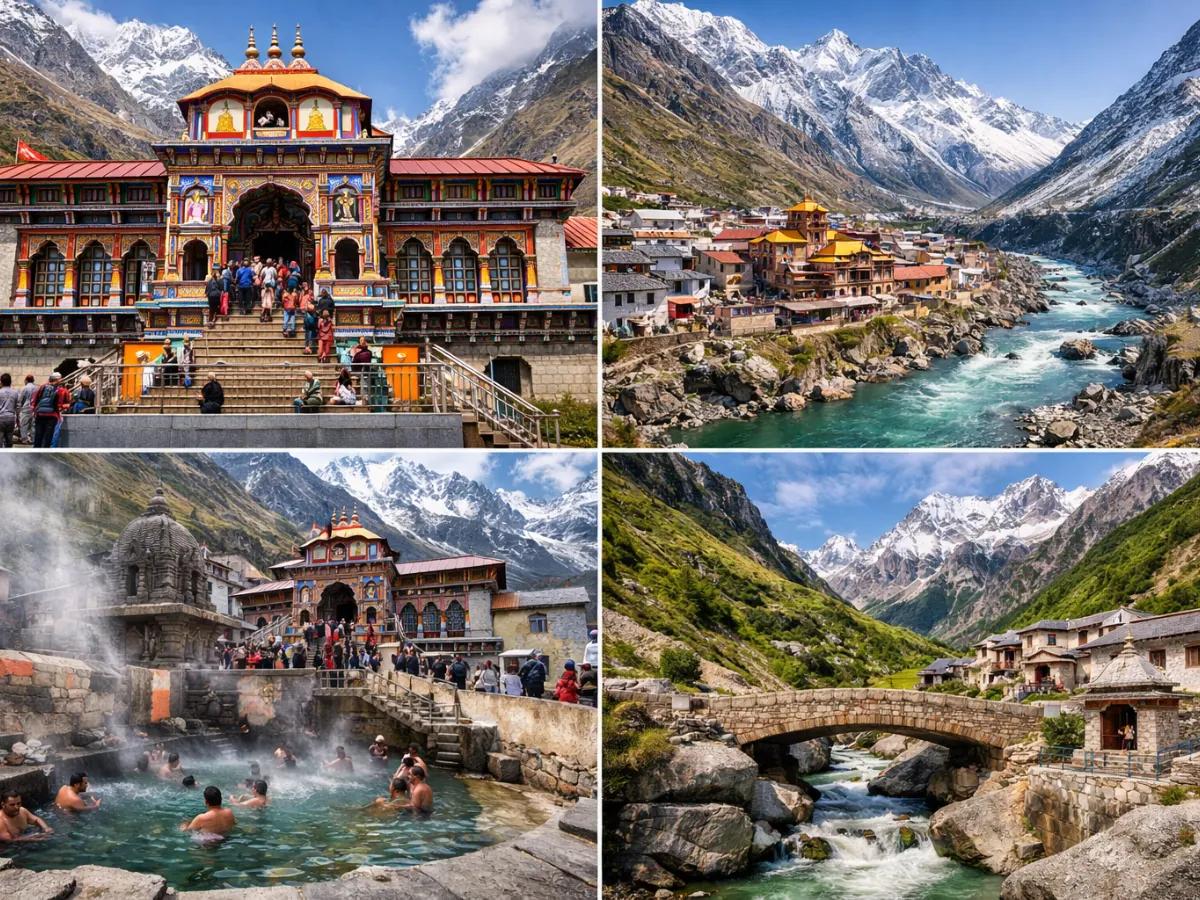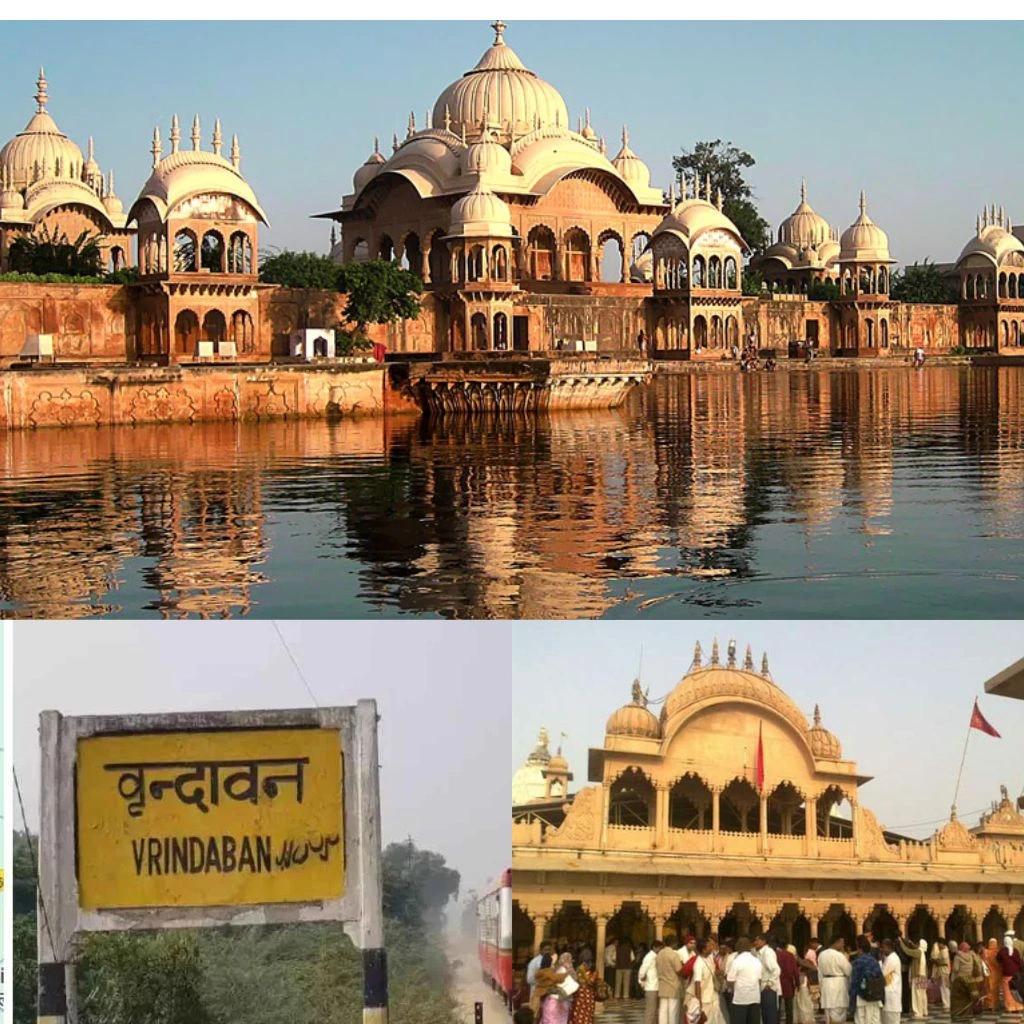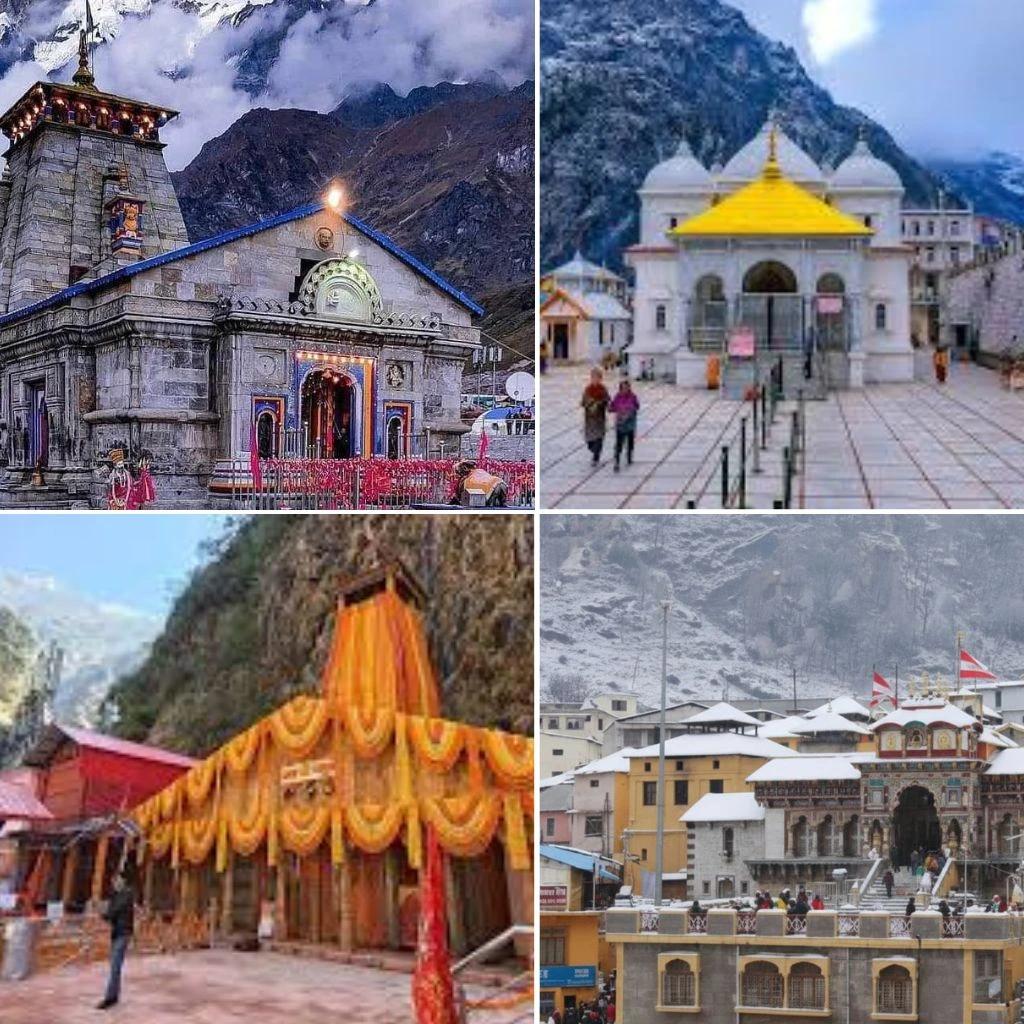
Surrounded by snow-covered peaks, natural hot water springs, and scenic Himalayan landscapes, Yamunotri Temple is not just a religious destination but a symbol of devotion, faith, and natural beauty. Every year, thousands of pilgrims undertake the spiritual journey to seek blessings and experience the divine aura of this sacred shrine.
Where Is Yamunotri Temple Located?
Yamunotri Temple is situated in the Uttarkashi district of Uttarakhand, India. It lies near the Indo-Tibetan border region in the western Garhwal Himalayas.
- State: Uttarakhand
- District: Uttarkashi
- Region: Garhwal Himalayas
- River: Yamuna
The temple is located at a high altitude and can only be reached by trekking from Janki Chatti.
Height & Altitude of Yamunotri
One of the most searched questions is about the height of Yamunotri.
Yamunotri Altitude
The Yamunotri altitude is approximately 3,293 meters (10,804 feet) above sea level.
This makes it one of the highest temples in India.
Why the Height Is Important
- High-altitude Himalayan environment
- Cooler climate even in summer
- Slightly lower oxygen levels
- Stunning panoramic mountain views
Due to its altitude, visitors are advised to walk slowly and stay hydrated while visiting the temple.
Yamunotri Temple History
The history of Yamunotri Temple is deeply rooted in Hindu mythology and royal patronage.
Ancient Mythological Origins
According to Hindu beliefs, Goddess Yamuna is the daughter of Surya (the Sun God) and sister of Yama (the God of Death). It is believed that bathing in the Yamuna River protects devotees from untimely death and grants spiritual purification.
The actual source of the Yamuna River is located at the Yamunotri Glacier near Bandarpoonch Peak, but due to its difficult terrain, the temple was established at its current accessible location.
Construction of the Temple
The original Yamunotri Temple was built in the 19th century by Maharaja Pratap Shah of Tehri Garhwal. However, the temple has been destroyed and rebuilt multiple times due to natural disasters like earthquakes and heavy snowfall.
The present structure stands as a symbol of resilience and devotion.
Architecture of Yamunotri Temple
The temple features traditional North Indian Himalayan architecture.
Key Architectural Features:
- Wooden structure with stone base
- Yellow and red exterior colors
- Small yet spiritually powerful sanctum
- Idol of Goddess Yamuna made of black marble
The simplicity of the structure blends beautifully with the surrounding mountains, creating a peaceful spiritual atmosphere.
Religious Significance of Yamunotri Temple
Yamunotri Temple holds immense spiritual importance in Hinduism.
1️. Part of Char Dham Yatra
The temple is the first stop of the sacred Char Dham pilgrimage, followed by:
- Gangotri Temple
- Kedarnath Temple
- Badrinath Temple
Pilgrims traditionally visit Yamunotri first before proceeding to the other dhams.
2️. Goddess Yamuna’s Blessings
It is believed that worshipping Goddess Yamuna:
- Removes sins
- Protects from fear of death
- Grants peace and prosperity
3️. Sacred Hot Water Springs
Near the temple, there are natural hot water springs known as Surya Kund. Devotees cook rice and potatoes in the boiling water as offerings to the Goddess.
How to Reach Yamunotri Temple
Since the temple is located at high altitude, direct road access is not available.
Step 1: Reach Janki Chatti
Janki Chatti is the last motorable point.
Step 2: Trek to Yamunotri Temple
From Janki Chatti, a 6 km trek leads to the temple.
Visitors can choose:
- Walking
- Pony ride
- Palki
- Porter service
Yamunotri Temple and the Yamuna River Origin
While the temple represents the spiritual origin of the Yamuna River, the actual glacier source lies higher in the mountains at the Yamunotri Glacier near Bandarpoonch Peak.
Due to difficult terrain, most pilgrims visit the temple rather than the glacier.
Cultural & Spiritual Atmosphere
The journey to Yamunotri Temple is filled with devotional chants, temple bells, and the natural sound of flowing streams. The high-altitude Himalayan setting creates a sense of calm and spiritual awakening.
Pilgrims often describe the experience as transformative and peaceful.
Important Travel Tips
- Wear warm clothes even in summer
- Carry rain protection
- Start trek early
- Avoid plastic usage
- Keep medical essentials
- Book accommodation in advance
Frequently Asked Questions (FAQs)
1. What is the height of Yamunotri Temple?
The height of Yamunotri Temple is approximately 3,293 meters (10,804 feet) above sea level.
2. What is the Yamunotri altitude?
The Yamunotri altitude is about 3,293 meters in the Garhwal Himalayas.
3. Who built Yamunotri Temple?
The temple was originally built by Maharaja Pratap Shah of Tehri Garhwal in the 19th century.
4. Why is Yamunotri Temple famous?
It is famous as the origin shrine of River Yamuna and the first stop of the Char Dham Yatra.
5. When will Yamunotri Temple open in 2026?
The temple typically opens on Akshaya Tritiya (April/May) and closes on Bhai Dooj (October/November).
6. Is Yamunotri Temple difficult to reach?
It requires a 6 km trek from Janki Chatti, but the route is manageable for most pilgrims.
Conclusion
Yamunotri Temple is more than just a pilgrimage site it is a symbol of faith, devotion, and Himalayan spirituality. Situated at an altitude of 3,293 meters, the temple stands proudly amidst snow-clad peaks and sacred hot springs, attracting thousands of devotees every year.
The rich Yamunotri Temple history, royal construction background, mythological significance, and spiritual atmosphere make it one of the most important religious destinations in India. Whether you visit for Char Dham Yatra or simply to experience the divine serenity of the Himalayas, Yamunotri Temple offers a journey that touches both heart and soul.
If you are planning your spiritual trip in 2026, understanding the temple’s height, altitude, history, and travel route will help you prepare better and make your pilgrimage smooth and meaningful.
For more information you may visit tirth.com