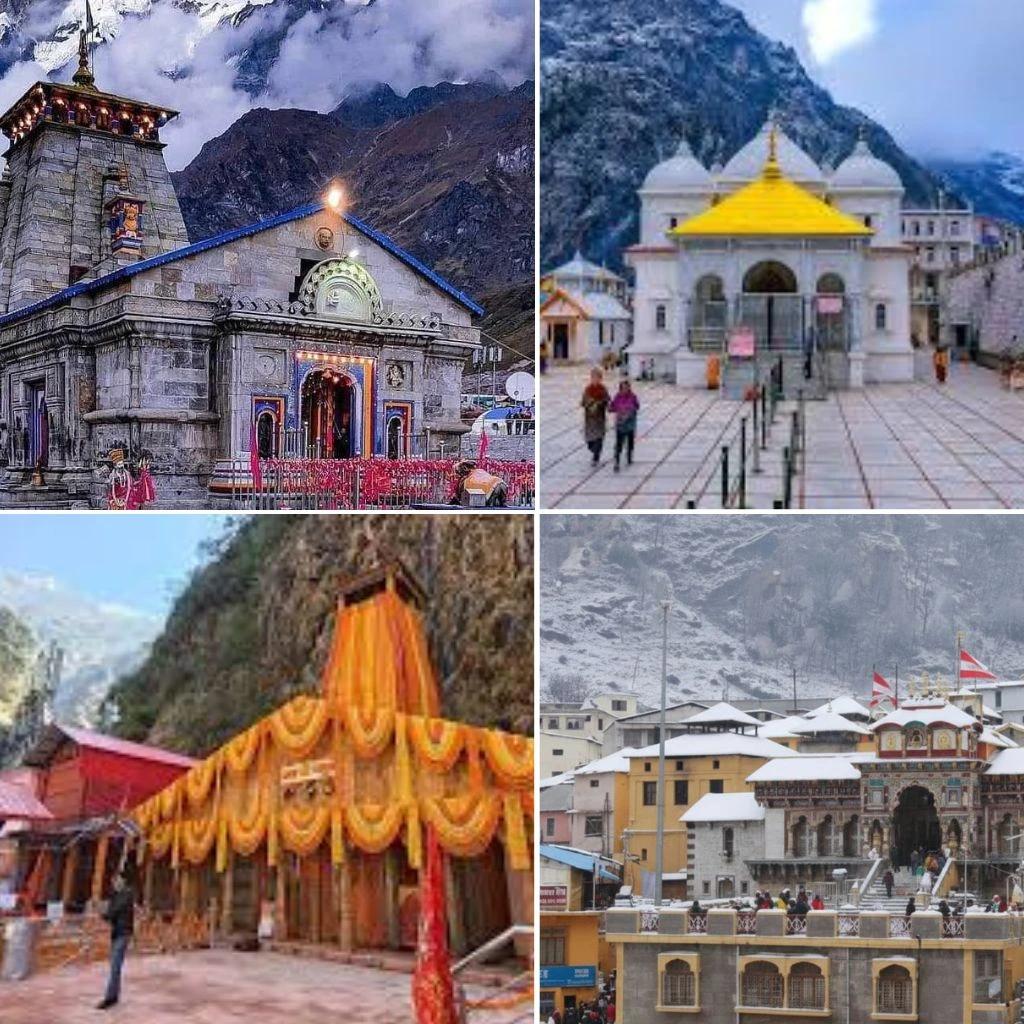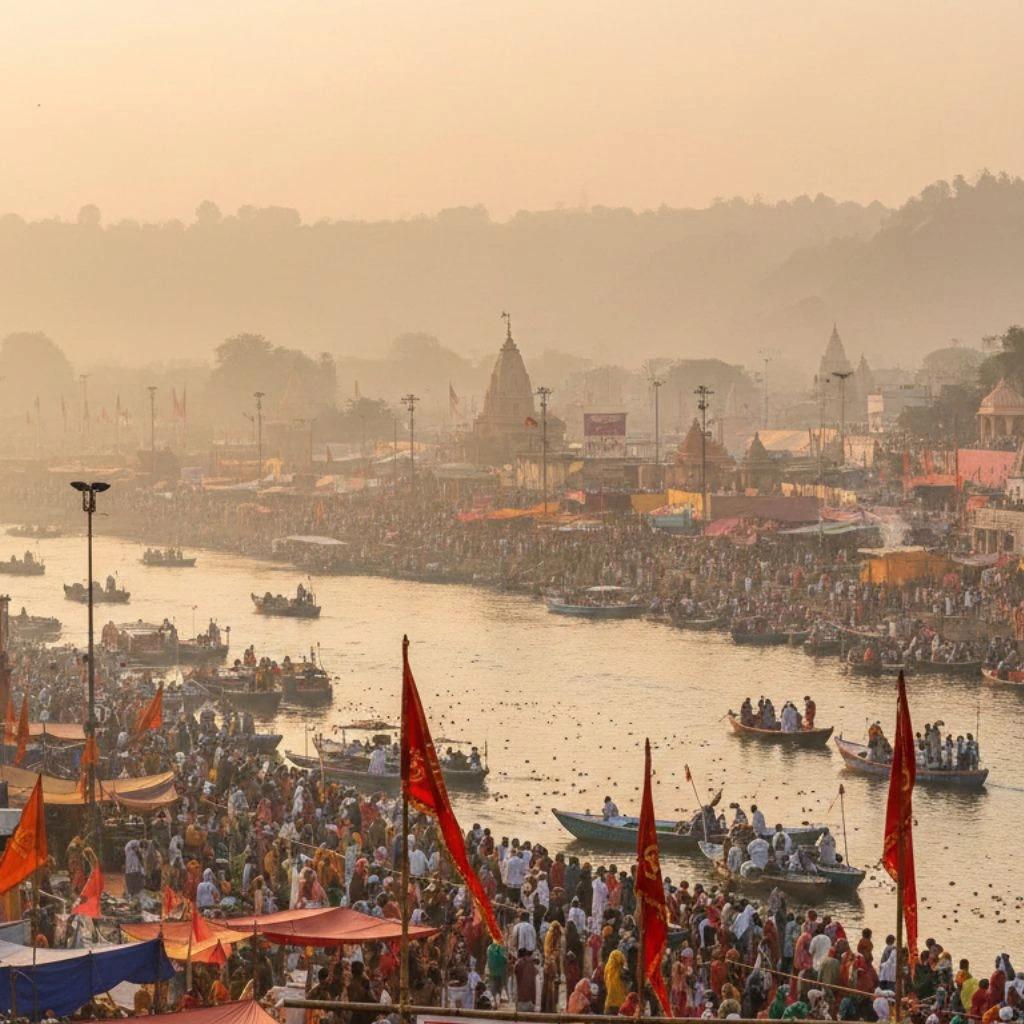
Nashik holds a special place in Hindu mythology. It is closely associated with the epic Ramayana. According to legend, Lord Rama, Goddess Sita, and Lakshmana spent part of their exile here.
The city is situated on the banks of the holy Godavari River, often called the “Ganga of the South.” The sacred river plays a central role in the spiritual activities of the region.
Nashik is also one of the four locations where the Kumbh Mela is celebrated, the others being:
- Prayagraj
- Haridwar
- Ujjain
Each location has its own mythological and astrological significance.
Mythological Origin of Kumbh Mela
The origin of the Kumbh Mela comes from the story of Samudra Manthan (churning of the ocean). Gods and demons fought for the pot (Kumbh) of Amrit (nectar of immortality). During the battle, drops of nectar fell at four sacred places, including Nashik.
It is believed that bathing in the holy river during this period cleanses sins and helps attain spiritual liberation (moksha).
Major Bathing Ghats in Nashik
During the Kumbh period, specific ghats become the focal point of spiritual activities.
1. Ramkund
Located on the banks of the Godavari, Ramkund is considered the most sacred bathing spot in Nashik. Devotees perform rituals for their ancestors here.
2. Kushavarta Kund
Situated near Trimbakeshwar, Kushavarta Kund is regarded as the symbolic origin point of the Godavari River.
3. Godavari Ghats
The ghats across Nashik become vibrant with religious chants, rituals, and spiritual gatherings.
Ancient Temples in Nashik You Must Visit
Apart from Kumbh, Nashik is famous for its ancient temples that attract devotees throughout the year.
1. Kalaram Temple
Dedicated to Lord Rama, this historic temple is famous for its black stone idol of Lord Rama. It holds architectural and spiritual importance.
2. Sita Gufa
A small cave believed to be the place where Goddess Sita stayed during exile. It is a key Ramayana linked site.
3. Kapaleshwar Temple
An ancient Shiva temple with unique traditions. Unlike most Shiva temples, Nandi (the bull) is absent here.
4. Muktidham Temple
Known for its marble structure and replicas of 12 Jyotirlingas.
5. Trimbakeshwar Temple
One of the 12 Jyotirlingas of Lord Shiva, located near Nashik. This temple is a major pilgrimage center and closely associated with the Kumbh celebrations.
History of Trimbakeshwar Temple
The sacred Trimbakeshwar Temple has deep historical and mythological roots. It is believed that Sage Gautama performed penance here, and Lord Shiva blessed the region with the origin of the Godavari River.
The present structure was built during the Peshwa period and reflects classic Hemadpanthi architectural style. The temple is unique because the Jyotirlinga here represents three deities Brahma, Vishnu, and Mahesh.
Devotees visit Trimbakeshwar for:
- Narayan Nagbali rituals
- Kaal Sarp Dosh puja
- Pitru Shanti rituals
The temple remains spiritually significant even outside Kumbh periods.
Cultural Experience During Nashik Kumbh
During the Kumbh gathering, Nashik transforms into a spiritual city:
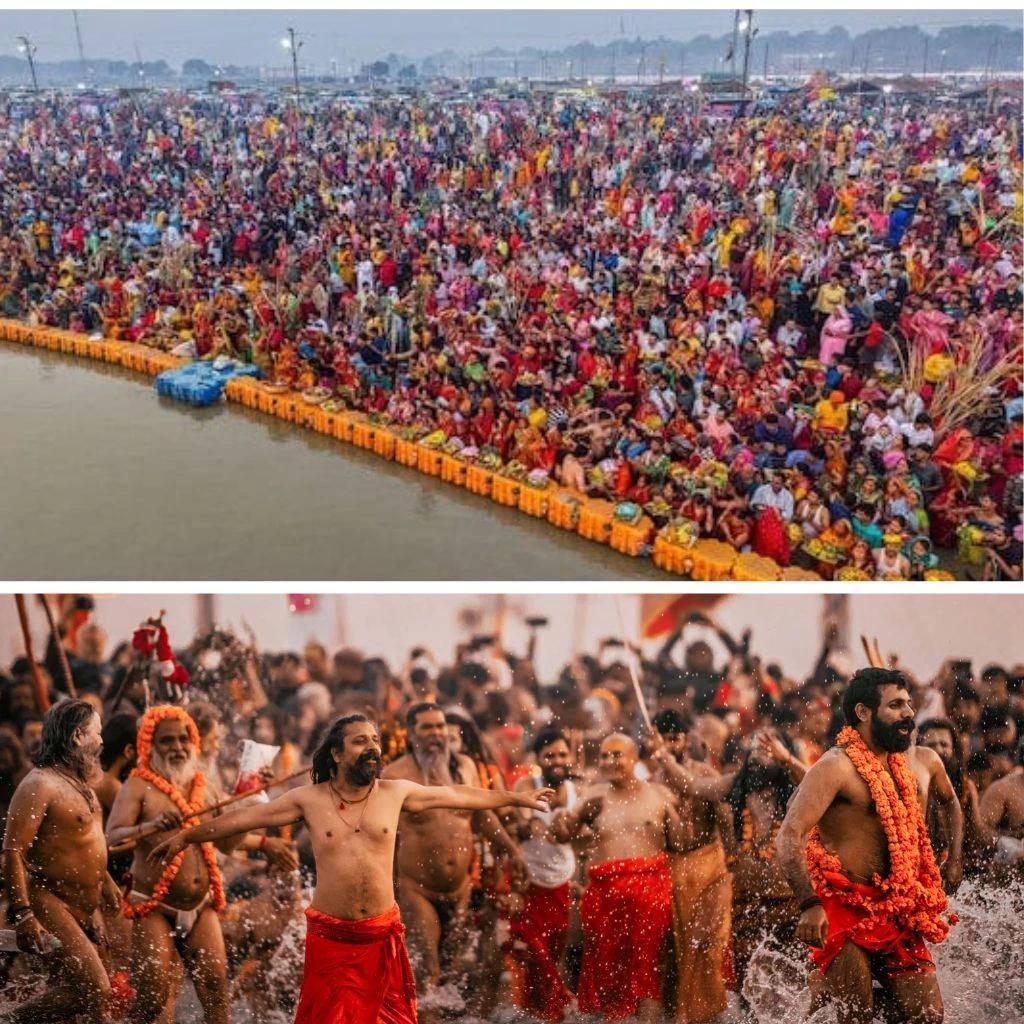
- Akharas (religious sects) set up camps
- Sadhus and Naga Babas participate in holy processions
- Devotional music and discourses take place
- Traditional markets sell religious items
The Shahi Snan (royal bath) procession of saints is one of the most powerful spiritual experiences.
Travel Guide for Pilgrims
How to Reach Nashik
- By Air: The nearest airport connects to major cities.
- By Train: Nashik Road railway station connects to Mumbai and other parts of India.
- By Road: Well connected highways make road travel convenient.
Where to Stay
During peak pilgrimage seasons:
- Book hotels in advance
- Consider dharamshalas for budget stays
- Choose accommodations near ghats for convenience
Best Time to Visit Nashik (General Travel)
Even outside Kumbh, Nashik is worth visiting for:
- Temple tours
- Wine tourism
- Spiritual retreats
- Historical sightseeing
The weather is pleasant during cooler months, making temple visits comfortable.
Safety & Pilgrimage Tips
- Follow local administration guidelines
- Avoid peak crowd hours if possible
- Stay hydrated
- Respect religious customs
- Keep personal belongings secure
Spiritual Benefits of Visiting Nashik
Many devotees believe that:
- Bathing in Godavari removes negative karma
- Visiting Trimbakeshwar grants divine blessings
- Performing rituals brings ancestral peace
- Temple darshan enhances spiritual growth
Even a simple visit to Nashik offers inner peace and devotional connection.
Frequently Asked Questions (FAQs)
Is Nashik one of the official Kumbh Mela locations?
Yes, Nashik is one of the four sacred cities where Kumbh Mela is organized.
Why is Trimbakeshwar important?
It is one of the 12 Jyotirlingas and a powerful center for Shiva worship.
Which river is associated with Nashik Kumbh?
The Godavari River.
Can I visit temples in Nashik anytime?
Yes, temples remain open year-round, though special rituals may have specific timings.
Conclusion
The spiritual aura of Nashik goes far beyond a single festival. Whether you visit during a major gathering or during peaceful months, the divine energy of the temples, the sacred river, and the mythological legacy create a powerful pilgrimage experience.
From Ramkund to Trimbakeshwar Temple, every corner of Nashik carries centuries of devotion and faith. If you are planning a spiritual journey in 2027 or beyond, Nashik deserves a place at the top of your list.
Visit Tirth for complete information about the Aarti, Rituals