Among all Kumbh gatherings in India, the Nashik Kumbh Mela holds a unique spiritual identity. While Kumbh is celebrated in four sacred cities, Nashik’s version stands apart because of its deep connection with Lord Shiva, the Godavari River, and the Jyotirlinga tradition.
Unlike other Kumbh locations that are primarily centered around river confluences, Nashik combines river sanctity with powerful temple worship especially the presence of the sacred Trimbakeshwar Temple.
1. Strong Connection with Lord Shiva
One of the biggest differences is its deep association with Lord Shiva.
While Prayagraj is famous for the Triveni Sangam and Haridwar is known for the Ganga’s descent from the Himalayas, Nashik’s Kumbh is strongly connected with the Jyotirlinga of Trimbakeshwar.
This makes the spiritual focus more Shiva centric compared to other locations.
2. Origin of the Godavari River
Nashik Kumbh revolves around the sacred Godavari River, often called the “Ganga of the South.”
The river is believed to originate from the Brahmagiri Hills, near Trimbakeshwar. This origin story gives Nashik a mythological identity different from other Kumbh cities.
Unlike Prayagraj, where three rivers meet, Nashik’s uniqueness lies in the spiritual origin point of a major sacred river.
3. Dual Spiritual Centers: Nashik & Trimbakeshwar
Another major difference is that the Kumbh activities are divided between:
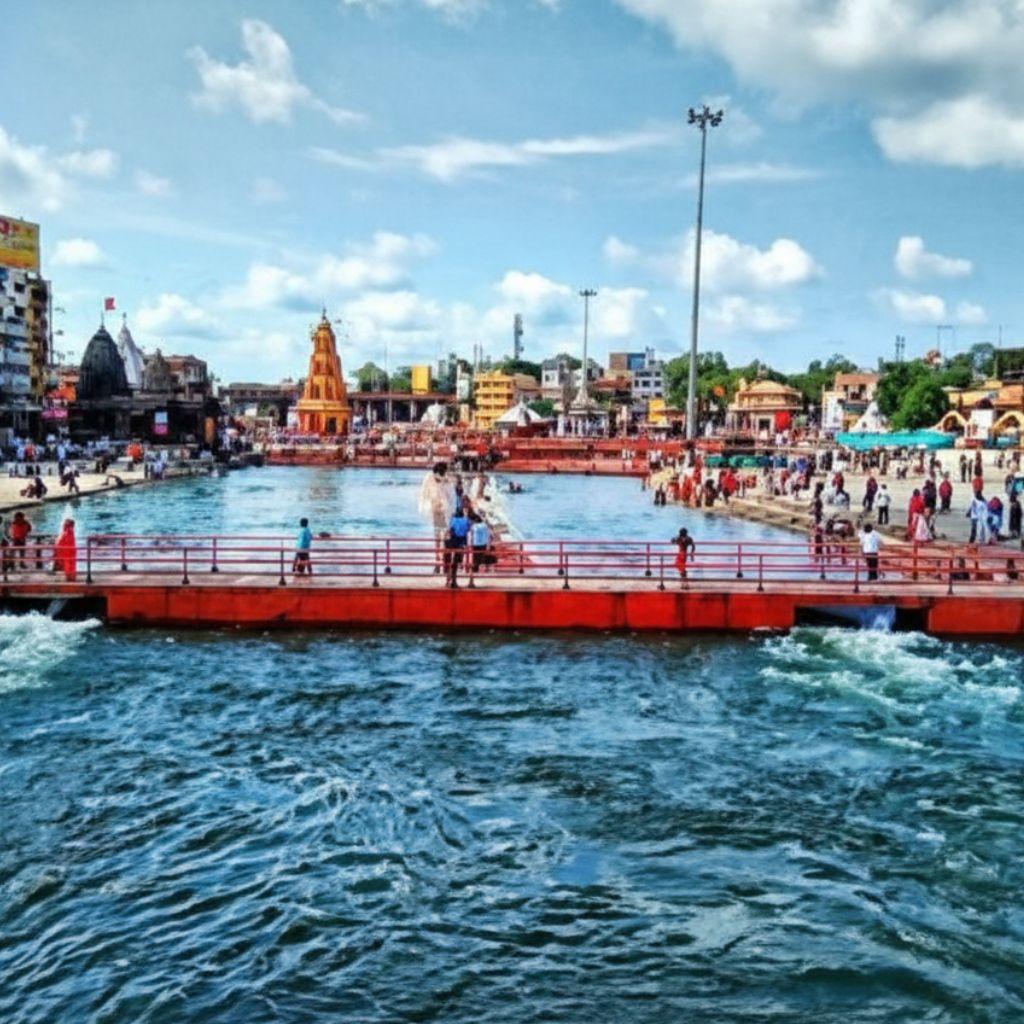
- Nashik city (Ramkund and Godavari Ghats)
- Trimbakeshwar town (Kushavarta Kund area)
This dual-center arrangement is unique to Nashik Kumbh.
In other cities like Ujjain, rituals are more centrally concentrated near one primary river location.
4. Ramayana Connection
Nashik is deeply connected to the epic Ramayana.
It is believed that Lord Rama, Sita, and Lakshmana stayed in this region during exile. Places like Panchavati and Sita Gufa add mythological depth to the Kumbh experience.
This Ramayana association gives Nashik a dual spiritual identity — connected to both Lord Shiva and Lord Rama.
5. Unique Ritual Significance
Nashik is especially famous for specific Vedic rituals such as:
- Narayan Nagbali
- Kaal Sarp Dosh Puja
- Pitru Shanti rituals
These rituals are strongly associated with Trimbakeshwar and are not as prominently linked with other Kumbh locations.
Devotees often combine Kumbh snan with ancestral and dosha-related pujas, making Nashik spiritually multidimensional.
6. Kushavarta Kund Importance
In Nashik Kumbh, Kushavarta Kund holds immense importance. It is considered the symbolic origin of the Godavari River.
Unlike the vast open confluence of Prayagraj, Kushavarta Kund offers a more contained and temple-oriented sacred bathing experience.
This makes the spiritual atmosphere slightly more intimate and ritual-focused.
7. Cultural Blend of Maharashtra
The Nashik Kumbh reflects the cultural traditions of Maharashtra:
- Marathi devotional chants
- Warkari traditions
- Local temple architecture
- Regional spiritual practices
This cultural flavor differentiates it from North Indian Kumbh traditions seen in Prayagraj and Haridwar.
8. Balance of Temple Tourism & Pilgrimage
Nashik Kumbh is not just about river bathing. It also includes visits to:
- Trimbakeshwar Jyotirlinga
- Kalaram Temple
- Kapaleshwar Temple
- Panchavati region
This strong temple circuit makes Nashik Kumbh a complete pilgrimage journey, not just a bathing festival.
9. Crowd Experience
While every Kumbh attracts massive crowds, Nashik often feels more spiritually structured because of:
- Division of activities between two towns
- Temple-focused rituals
- Strong priest-led ceremonies
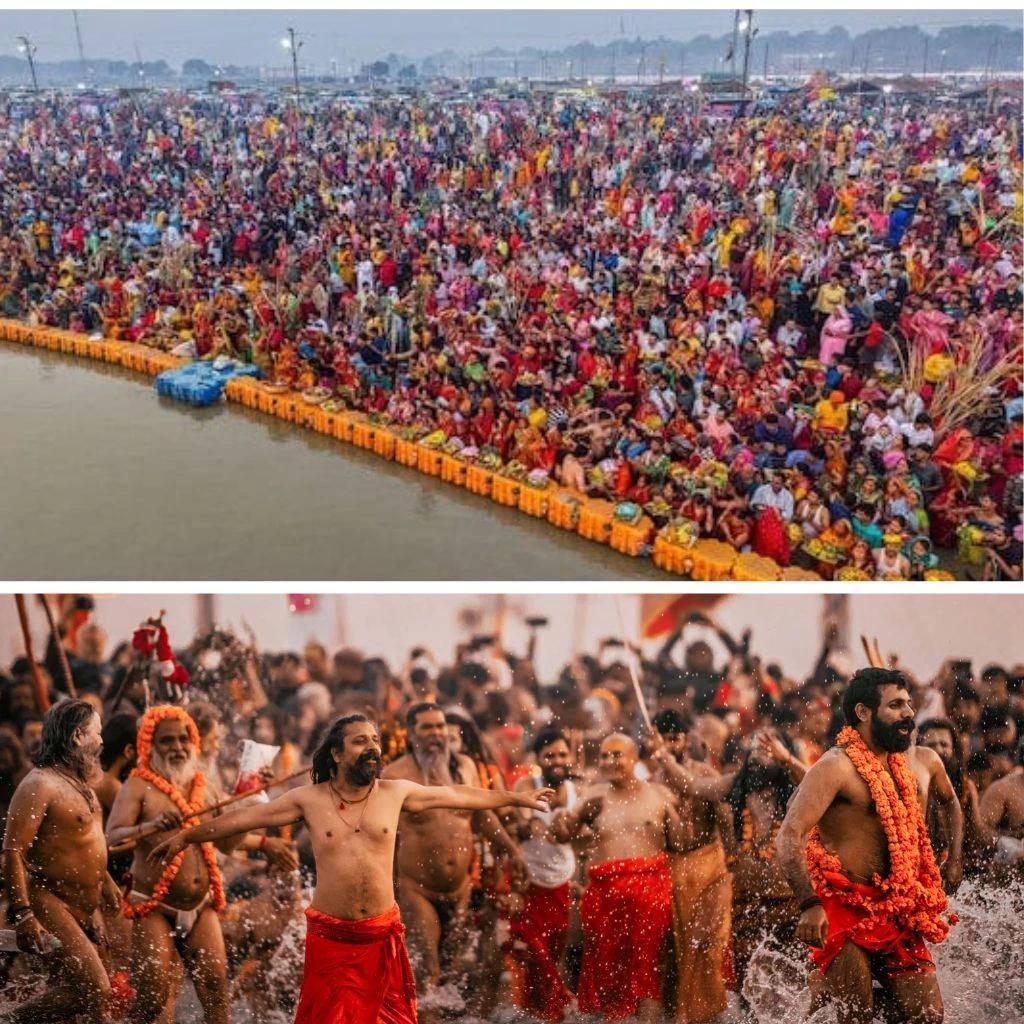
The experience can feel more devotional and less overwhelming compared to the grand scale of Maha Kumbh at Prayagraj.
10. Astrological Significance
The Nashik Kumbh is determined by specific planetary alignments involving Jupiter and the Sun in particular zodiac signs.
Each Kumbh city has its own astrological configuration, but Nashik’s alignment is uniquely connected with the Godavari River tradition and Shiva worship.
Quick Comparison: Why Nashik Stands Out
| Factor | Nashik Kumbh | Other Kumbh Locations |
|---|---|---|
| Main Focus | Shiva & Godavari | River confluence |
| Jyotirlinga Presence | Yes | No |
| Ramayana Link | Strong | Limited |
| Ritual Specialization | Dosha & Pitru rituals | General snan focus |
| Dual Centers | Yes | Mostly single center |
Conclusion
The Nashik Kumbh Mela is different because it blends river sanctity, Jyotirlinga worship, Ramayana heritage, and powerful Vedic rituals into one spiritual experience.
While every Kumbh city is sacred, Nashik offers something uniquely powerful the origin of a holy river, the presence of a Jyotirlinga, and a deep connection to both Lord Shiva and Lord Rama.
For devotees seeking a spiritually layered pilgrimage rather than just a mass gathering, Nashik Kumbh stands truly distinct.
Visit Tirth for complete information about the Aarti, Rituals