Once every 12 years, Nashik transforms into one of the largest spiritual gatherings in the world. Held on the banks of the sacred Godavari River, Kumbh Mela in Nashik is not just a religious eventit is a powerful socio-economic and cultural phenomenon.
Millions of devotees, saints, tourists, photographers, researchers, and international visitors gather to witness sacred bathing rituals, spiritual discourses, and grand processions. But beyond faith and devotion, Kumbh Mela plays a major role in shaping Nashik’s economy, infrastructure, and tourism identity.
This blog explores the unique dimensions that make Nashik Kumbh differentfrom economic growth to cultural diversity and the rise of spiritual tourism.
Economic Impact of Kumbh Mela on Nashik
1. Massive Boost to the Local Economy
Kumbh Mela brings millions of visitors, directly impacting the local economy. Hotels, guest houses, dharamshalas, and homestays operate at nearly full capacity during peak days.
Transport services such as taxis, auto rickshaws, buses, and private travel operators experience a significant rise in demand. Small vendors selling religious items, souvenirs, food, and clothing witness record sales.
Local markets near Ramkund and temple areas remain active throughout the day, creating continuous commercial activity.
2. Employment Generation at Multiple Levels
Kumbh Mela creates thousands of temporary and seasonal jobs, including:
- Security personnel
- Volunteers
- Sanitation workers
- Event management staff
- Tour guides
- Food vendors
This temporary employment provides financial stability to many local families and small businesses.
3. Infrastructure Development & Urban Upgrades
Before every Kumbh, large-scale infrastructure projects are undertaken:
- Road widening and resurfacing
- Improved public transport routes
- Advanced crowd management systems
- Temporary bridges and ghats
- Sanitation and waste management upgrades
These improvements benefit the city long after the event ends, contributing to long-term urban development.
Cultural Diversity During Kumbh Mela
1. Unity in Diversity
Devotees from every corner of India travel to Nashik during Kumbh Mela. From North Indian pilgrims to South Indian saints, the event becomes a cultural melting pot.
Languages, regional attire, rituals, and traditions blend seamlessly, showcasing India’s cultural richness.
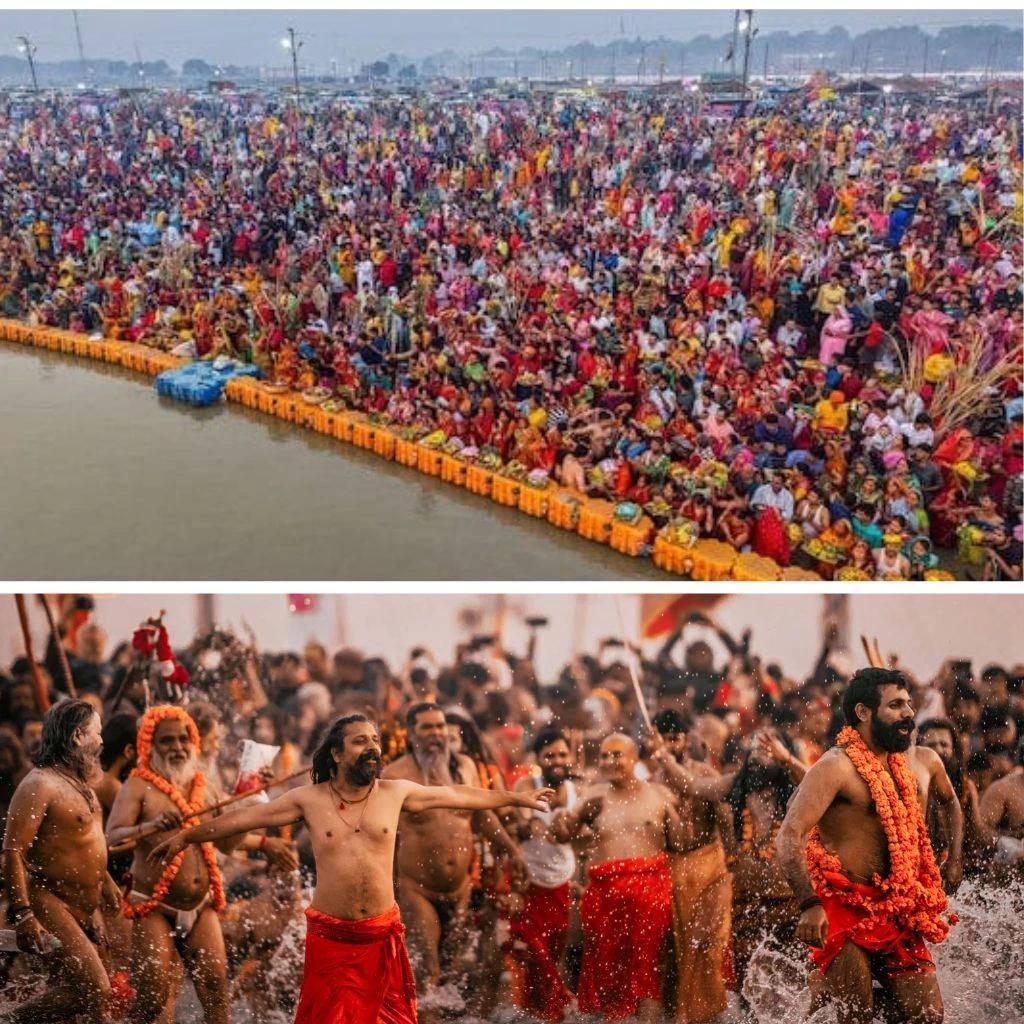
2. Presence of Akharas and Naga Sadhus
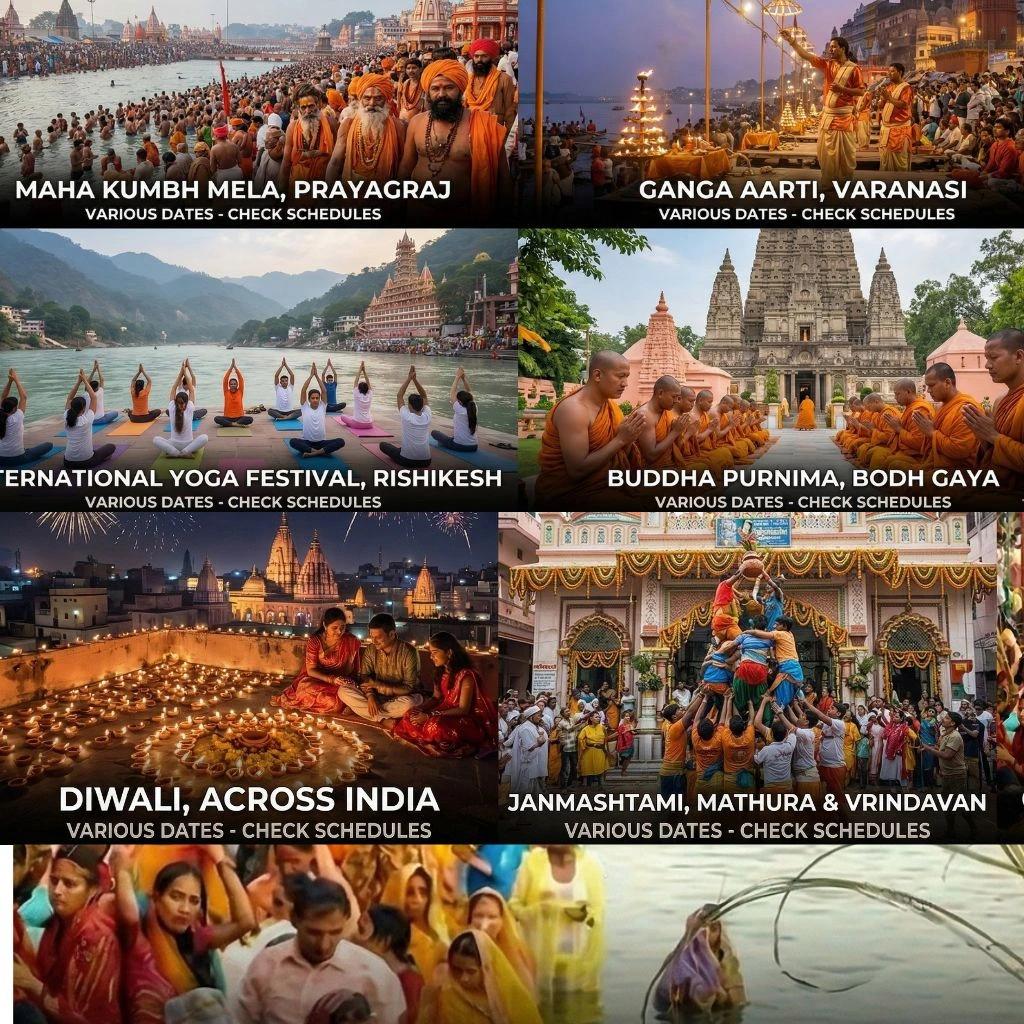
One of the most visually powerful aspects of Kumbh Mela is the presence of various Akharas and Naga Sadhus. The grand Shahi Snan (Royal Bath) procession is a highlight.
The entry of saints covered in ash, holding flags and religious symbols, creates an atmosphere of devotion and grandeur.
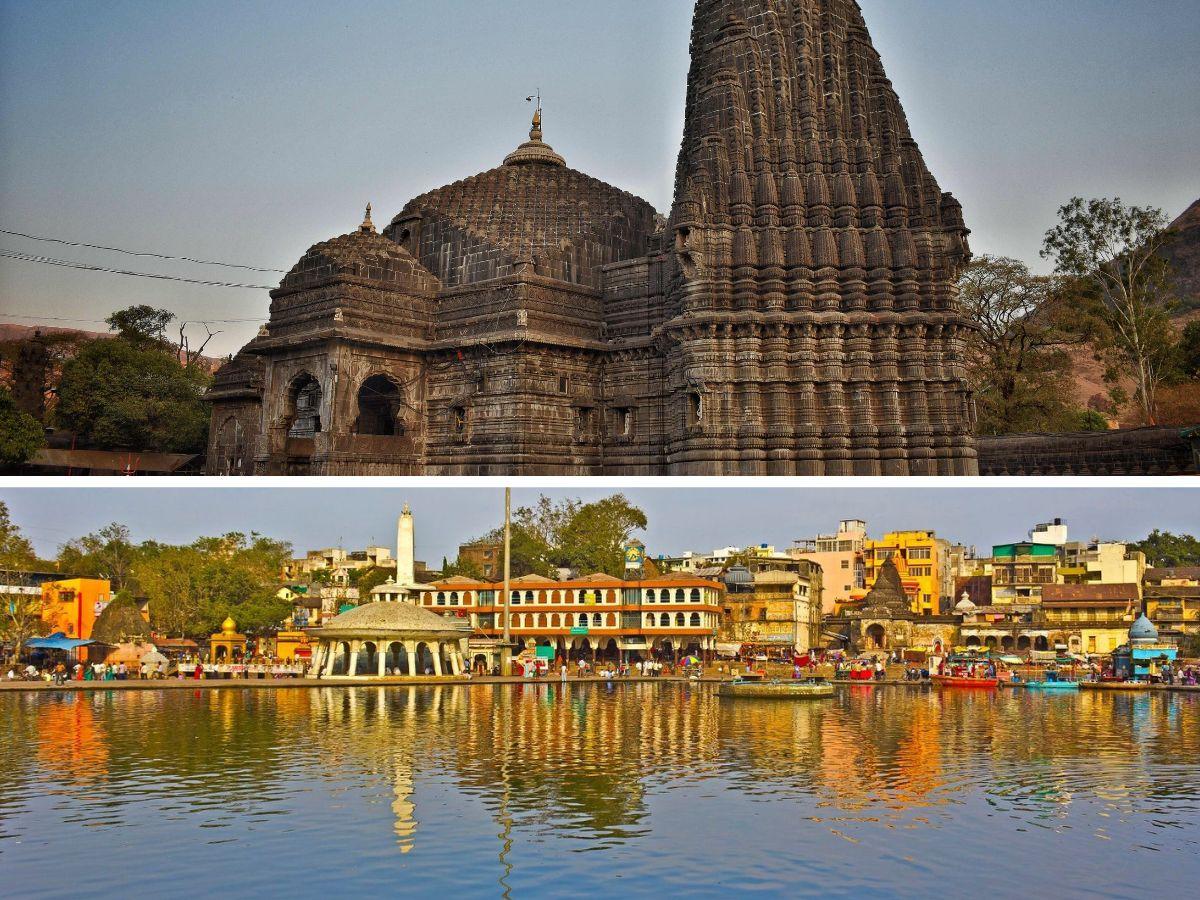
3. Rituals at Ramkund
The holy dip at Ramkund is believed to cleanse sins and bring spiritual liberation.
Morning and evening aartis at Ramkund create breathtaking spiritual experiences for visitors.
Photography Opportunities at Kumbh Mela
Kumbh Mela is a paradise for photographers.
1. Shahi Snan Processions
The royal bath days offer dramatic visuals:
- Processions of saints
- Saffron flags
- Devotees chanting in devotion
- Traditional musical instrument
2. Riverbank Rituals
Sunrise over the Godavari River with thousands of devotees performing rituals creates stunning frames.
Evening aarti shots provide beautiful golden-hour photography opportunities.
3. Portrait Photography
Expressions of devotion, faith, and emotion make powerful portrait subjects. However, photographers must respect privacy and religious sentiments.
Local Food Experiences During Kumbh
1. Traditional Maharashtrian Cuisine
Pilgrims can enjoy simple vegetarian meals including:
- Puran Poli
- Sabudana Khichdi
- Varan Bhaat
Satvik meals are widely available.
2. Street Food & Temporary Markets
Temporary food stalls offer:
- Poha
- Jalebi
- Tea and snacks
Hygiene awareness is important while eating street food during large gatherings.
Growth of Spiritual Tourism in Nashik
1. Rise in Religious Tourism
Kumbh Mela significantly increases religious tourism. Many pilgrims extend their trip to visit:
- Trimbakeshwar Temple
- Other temples in Nashik
This creates long-term tourism opportunities.
2. Government Promotion & Global Recognition
Kumbh Mela has gained global attention for being one of the largest human gatherings in the world. Government tourism campaigns promote Nashik as a major spiritual destination.
Digital registration systems and improved planning have modernized the pilgrimage experience.
3. Long Term Tourism Growth
After Kumbh, Nashik continues attracting visitors for:
- Religious tourism
- Cultural tourism
- Wine tourism (Nashik is known as India’s wine capital)
This balance of spirituality and modern tourism strengthens the city’s global identity.
Travel Tips for Visitors
- Arrive early on Shahi Snan days
- Book accommodation months in advance
- Stay hydrated
- Follow official safety instructions
- Keep identity proof handy
- Avoid peak crowd hours if traveling with senior citizens
FAQs
1. When is the next Kumbh Mela in Nashik?
Kumbh Mela in Nashik is held every 12 years. The next major cycle is expected around 2027.
2. Why is Nashik important for Kumbh Mela?
Nashik is one of the four sacred locations where drops of Amrit are believed to have fallen according to Hindu mythology.
3. How many people attend Nashik Kumbh?
Millions of devotees attend during the festival period, especially on Shahi Snan days.
4. Is it safe to visit during Kumbh Mela?
Yes, but visitors must follow government guidelines, avoid overcrowded zones, and plan in advance.
5. What is Shahi Snan?
Shahi Snan is the royal bathing ritual performed by saints and Akharas on auspicious dates.
6. How does Kumbh Mela benefit Nashik’s economy?
It boosts tourism revenue, creates employment, enhances infrastructure, and promotes long-term spiritual tourism growth.
Conclusion
Kumbh Mela in Nashik is far more than a religious eventit is a transformational experience that reshapes the city socially, economically, and culturally. From the spiritual energy at Ramkund to the grand Shahi Snan processions, the event unites millions in faith.
At the same time, it strengthens Nashik’s infrastructure, boosts employment, promotes tourism, and showcases India’s cultural diversity to the world.
For travelers, photographers, researchers, and spiritual seekers alike, Kumbh Mela in Nashik offers a once in a lifetime opportunity to witness devotion, culture, and progress merging on the banks of the sacred Godavari.
For more information you may visit tirth.com