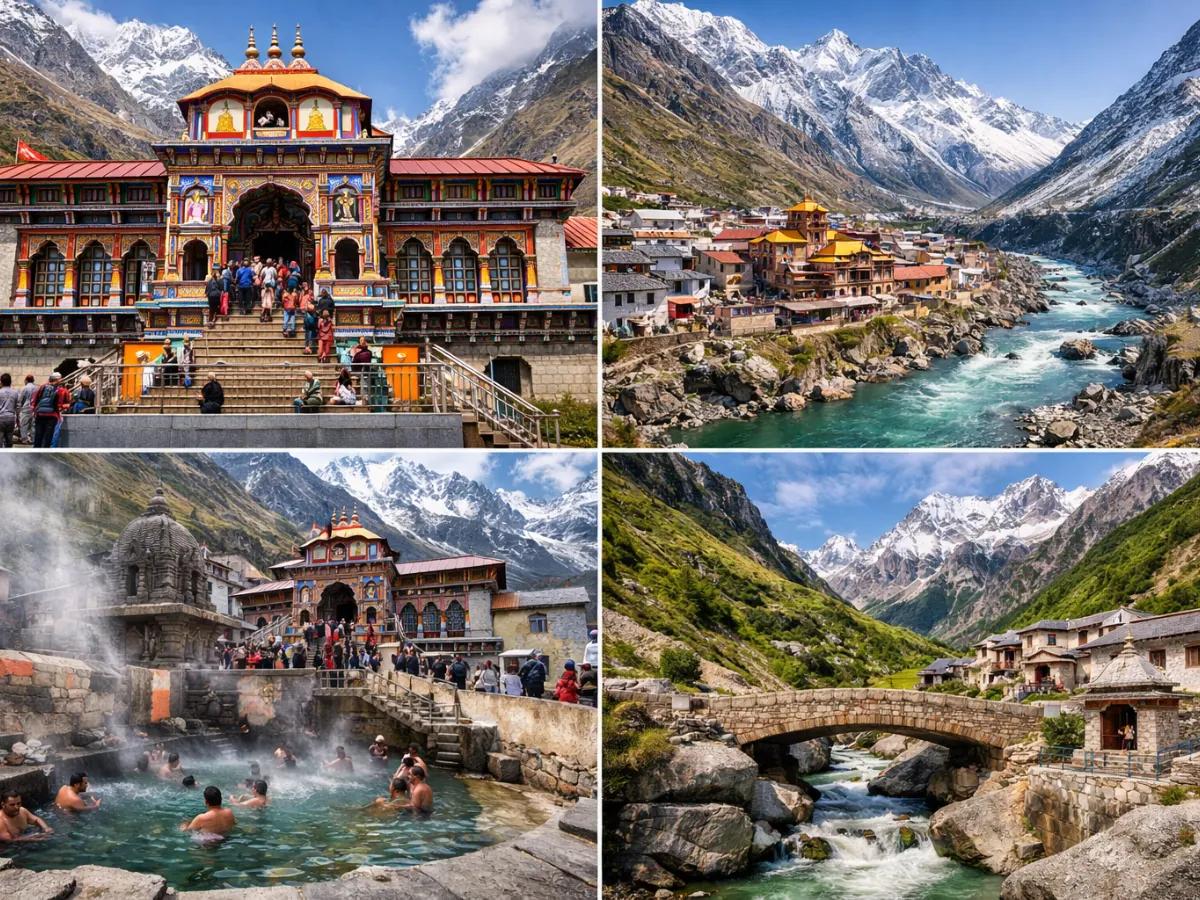
Kedarnath Temple Sacred Jyotirlinga in the Himalayas
Kedarnath Uttarakhand India is one of the most sacred and spiritually powerful pilgrimage destinations in the country. Located in the majestic Garhwal Himalayas, Kedarnath Temple is dedicated to Lord Shiva and holds immense importance in Hinduism. It is not only one of the 12 Jyotirlingas but also a key part of the revered Char Dham Yatra.
Every year, lakhs of devotees undertake the challenging yet spiritually fulfilling journey to Kedarnath India to seek blessings, inner peace, and divine grace.
About Kedarnath India
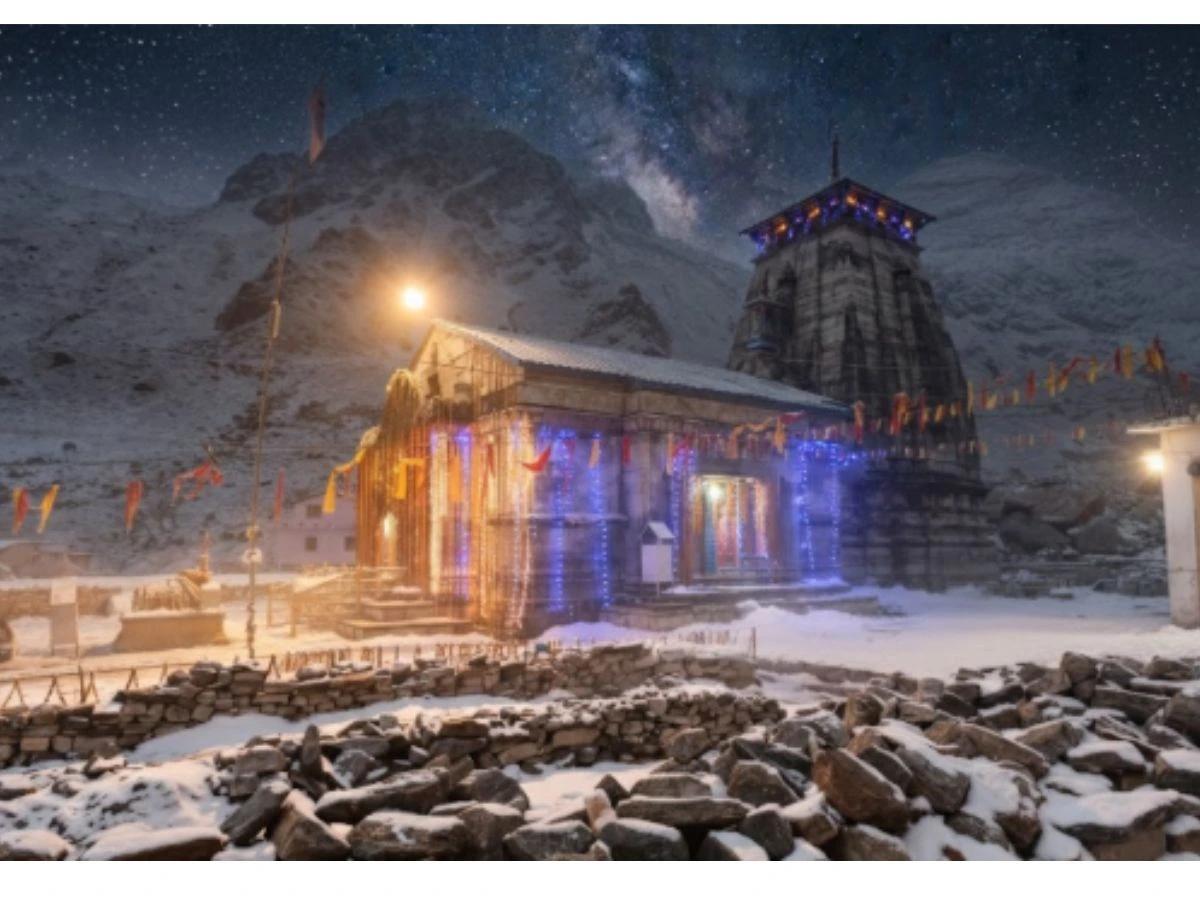
Kedarnath Temple Uttarakhand is situated at an altitude of approximately 3,583 meters (11,755 feet) above sea level in the Rudraprayag district of Uttarakhand. The temple stands near the Mandakini River, surrounded by snow-covered Himalayan peaks.
Quick Location Details
| Detail | Information |
| State | Uttarakhand |
| District | Rudraprayag |
| Altitude | 3,583 meters |
| River | Mandakini |
| Mountain Range | Garhwal Himalayas |
The breathtaking landscape and high-altitude setting make Kedarnath Temple of India both a spiritual and adventure destination.
Kedarnath History Mythology & Ancient Origins
The history of Kedarnath dates back to the time of the Mahabharata.
According to Hindu mythology, after the Kurukshetra war, the Pandavas sought forgiveness from Lord Shiva for the sins committed during the war. However, Lord Shiva was upset and avoided them by taking the form of a bull (Nandi) and hiding in the Himalayas.
When the Pandavas recognized him, Lord Shiva disappeared into the ground. It is believed that his hump appeared in Kedarnath, and this sacred site became the location of the Kedarnath Temple Himalayas.
Adi Shankaracharya’s Contribution
The present structure of Kedarnath Temple is believed to have been revived and reconstructed in the 8th century by Adi Shankaracharya. He also established the Char Dham pilgrimage tradition. His samadhi (memorial shrine) is located near the temple.
Religious Significance of Kedarnath Temple
Kedarnath Temple holds extraordinary religious importance for several reasons.
1. One of the 12 Jyotirlingas
Kedarnath is one of the twelve Jyotirlingas of Lord Shiva. Jyotirlinga means “pillar of light,” symbolizing the infinite nature of Shiva.
2. Part of Char Dham Yatra
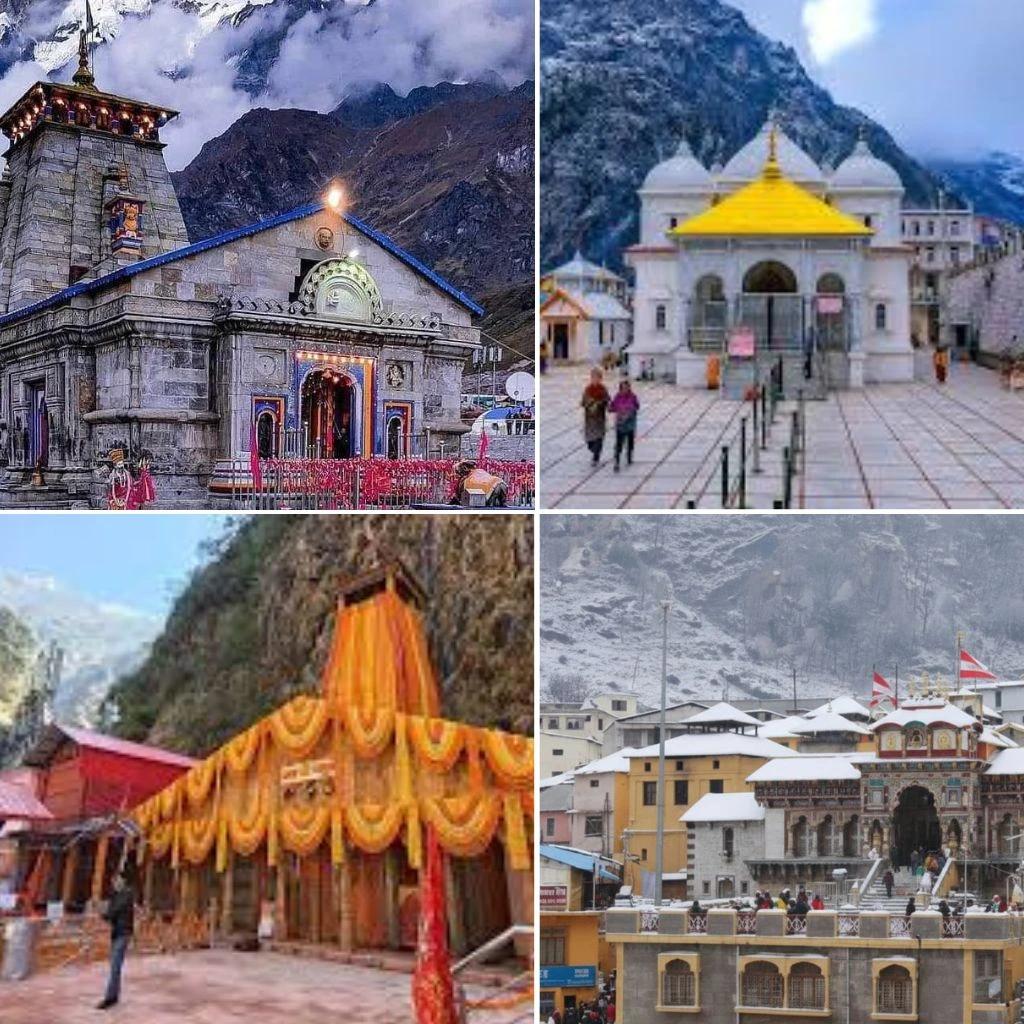
The Char Dham pilgrimage circuit includes:
- Yamunotri
- Gangotri
- Kedarnath
- Badrinath
Completing the Char Dham Yatra is believed to wash away sins and grant spiritual liberation (moksha).
3. Panch Kedar Importance
Kedarnath is the most prominent among the Panch Kedar temples, which also include:
- Madhyamaheshwar
- Tungnath
- Rudranath
- Kalpeshwar
These temples are deeply connected to the legend of the Pandavas and Lord Shiva.
Architecture of Kedarnath Temple
The architecture of Kedarnath Temple Uttarakhand is remarkable, especially considering its extreme Himalayan location.
Key Architectural Features:
- Built using massive grey stone slabs
- Pyramid-shaped tower (shikhara)
- Mandap (hall) for devotees
- Sanctum (garbhagriha) housing the Shiva lingam
- Large statue of Nandi at the entrance
The temple’s structure has survived centuries of harsh weather, heavy snowfall, and earthquakes.
The 2013 Kedarnath Flood A Miracle of Survival
In June 2013, devastating floods and cloudbursts struck Uttarakhand. The area around Kedarnath suffered massive destruction. However, the Kedarnath Temple remained largely unharmed.
A massive rock, now referred to as the “Bhim Shila,” stood behind the temple and diverted the floodwaters, protecting the main structure. Devotees consider this event a divine miracle.
Why Kedarnath Temple of India is Famous
Kedarnath Temple is famous for several reasons:
- One of the 12 Jyotirlingas
- Located in the Himalayas at high altitude
- Integral part of Char Dham Yatra
- Ancient mythology and historical importance
- Survival during the 2013 floods
Its unique blend of spirituality, mythology, and natural beauty makes Kedarnath India one of the most visited pilgrimage sites in the country.
Best Time to Visit Kedarnath
Kedarnath Temple remains open only for about six months every year due to extreme winter conditions.
Seasonal Overview
| Season | Months | Conditions |
| Summer | May : June | Pleasant, Best for travel |
| Monsoon | July : August | Heavy rainfall, landslide risk |
| Autumn | September : October | Clear skies, ideal for pilgrimage |
| Winter | November : April | Heavy snowfall, temple closed |
The ideal time to visit Kedarnath Uttarakhand India is during May : June and September : October.
During winter, the idol of Lord Shiva is shifted to Ukhimath for worship.
Kedarnath Temple Darshan Timings
The temple generally follows these timings (subject to change):
- Morning Aarti: Around 4:00 AM
- General Darshan: 6:00 AM : 3:00 PM
- Evening Darshan: 5:00 PM : 9:00 PM
It is advisable to check official updates before planning your visit.
Spiritual Experience at Kedarnath
Reaching Kedarnath is not just a journey but a spiritual transformation. Devotees must undertake a 16 :18 km trek from Gaurikund to reach the temple.
Walking through the Himalayan terrain, chanting prayers, and witnessing the serene environment creates a deeply spiritual experience.
The peaceful atmosphere, snow capped mountains, and flowing Mandakini River make the pilgrimage unforgettable.
Basic Travel Overview
Although detailed travel information will be covered in another guide, here is a brief overview:
- Trek begins from Gaurikund
- Distance: Approximately 16 : 18 km
- Pony, palki, and helicopter services available
- Yatra registration is mandatory
- Physical fitness is recommended
- Planning in advance is crucial for a safe and comfortable journey.
Important Things to Know Before Visiting
- High altitude may cause breathing issues
- Carry warm clothes even in summer
- Weather can change suddenly
- Registration is compulsory
- Medical check-ups are recommended for elderly pilgrims
Proper preparation ensures a safe Kedarnath travel experience.
Quick Facts About Kedarnath Temple
| Feature | Details |
| Deity | Lord Shiva |
| Type | Jyotirlinga |
| Altitude | 3,583 meters |
| Opening Period | Approx. 6 months |
| Trek Distance | 16 : 18 km |
| State | Uttarakhand |
Frequently Asked Questions (FAQs)
1. Where is Kedarnath Uttarakhand India located?
Kedarnath is located in the Rudraprayag district of Uttarakhand in the Garhwal Himalayas.
2. Is Kedarnath Temple one of the 12 Jyotirlingas?
Yes, it is one of the twelve sacred Jyotirlingas dedicated to Lord Shiva.
3. Which river flows near Kedarnath Temple?
The Mandakini River flows near the temple.
4. Why is Kedarnath Temple so famous?
It is famous for its religious significance, Himalayan location, Char Dham importance, and survival during the 2013 floods.
5. What is the best time to visit Kedarnath?
May : June and September : October are considered the best months.
6. Is Kedarnath open throughout the year?
No, the temple remains closed during winter due to heavy snowfall.
Conclusion
Kedarnath Uttarakhand India is more than just a temple : it is a symbol of faith, devotion, and spiritual endurance. From its mythological origins and Jyotirlinga status to its breathtaking Himalayan setting, Kedarnath Temple stands as one of the most sacred destinations in India.
Whether you seek spiritual enlightenment, historical curiosity, or a divine Himalayan experience, Kedarnath India offers a journey that transforms both body and soul.
Visit Tirth for complete information about the Aarti, Rituals