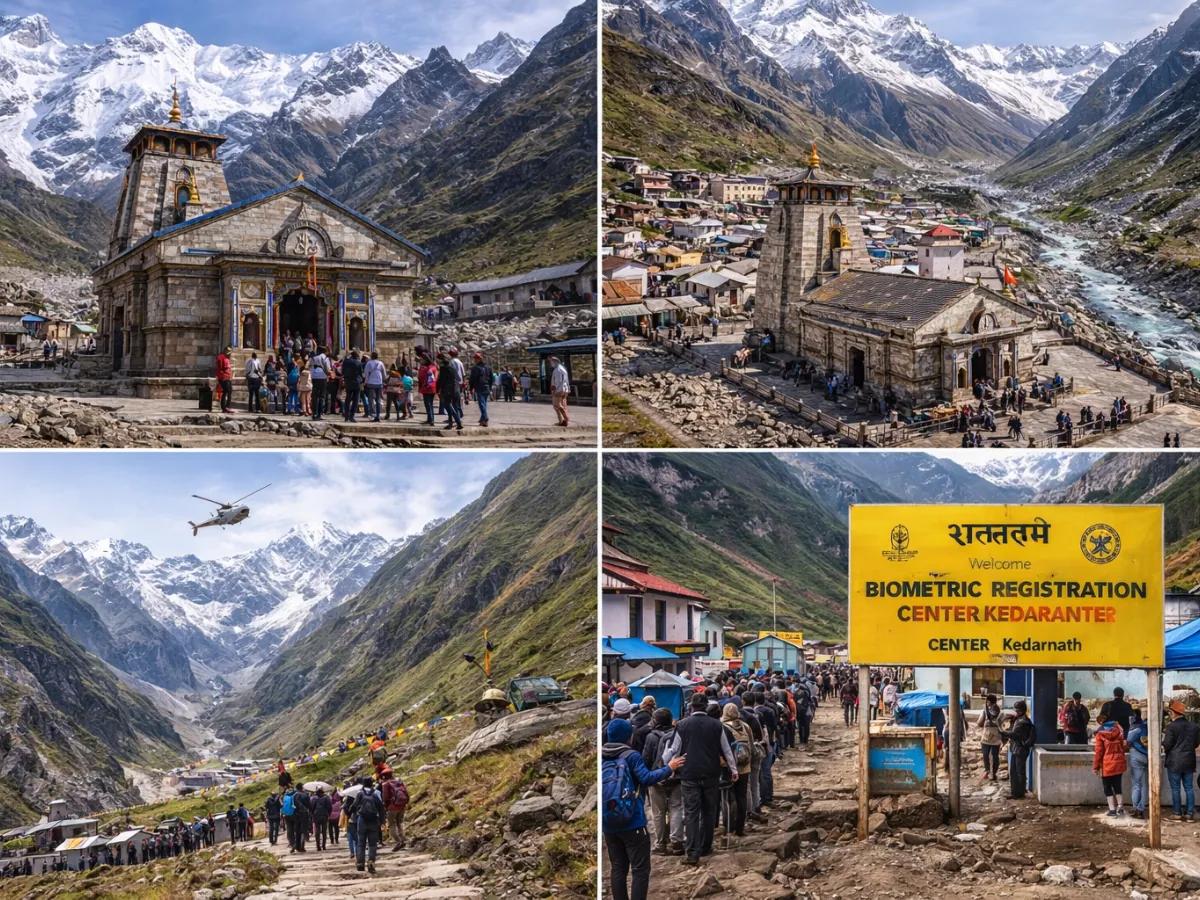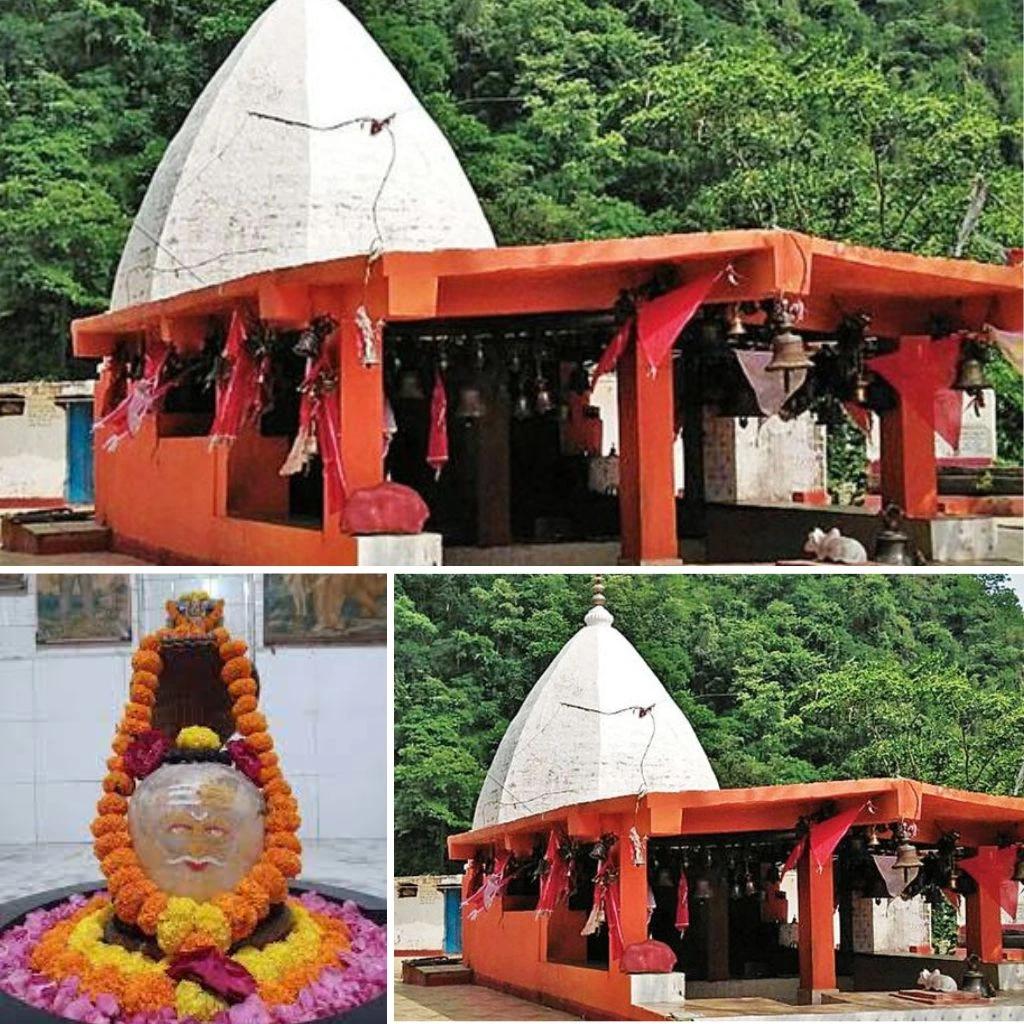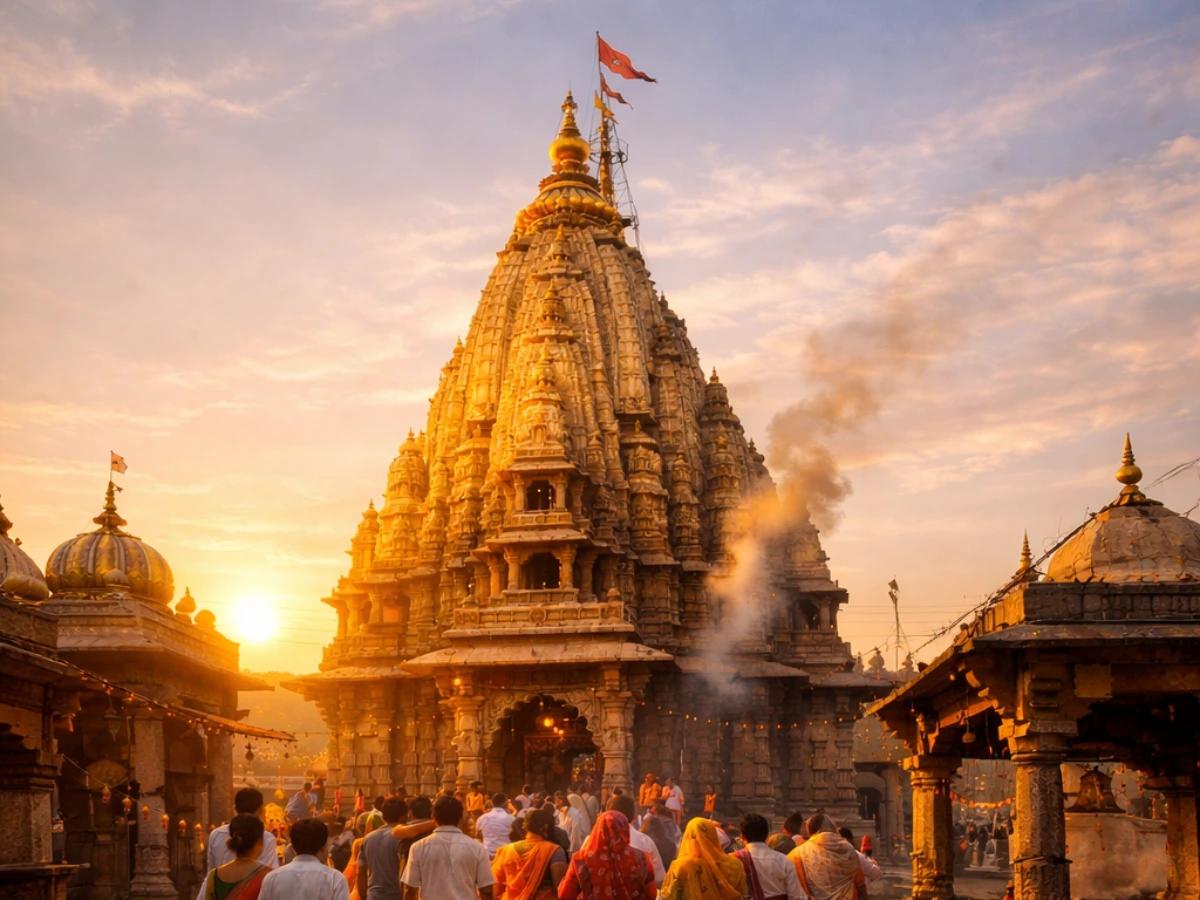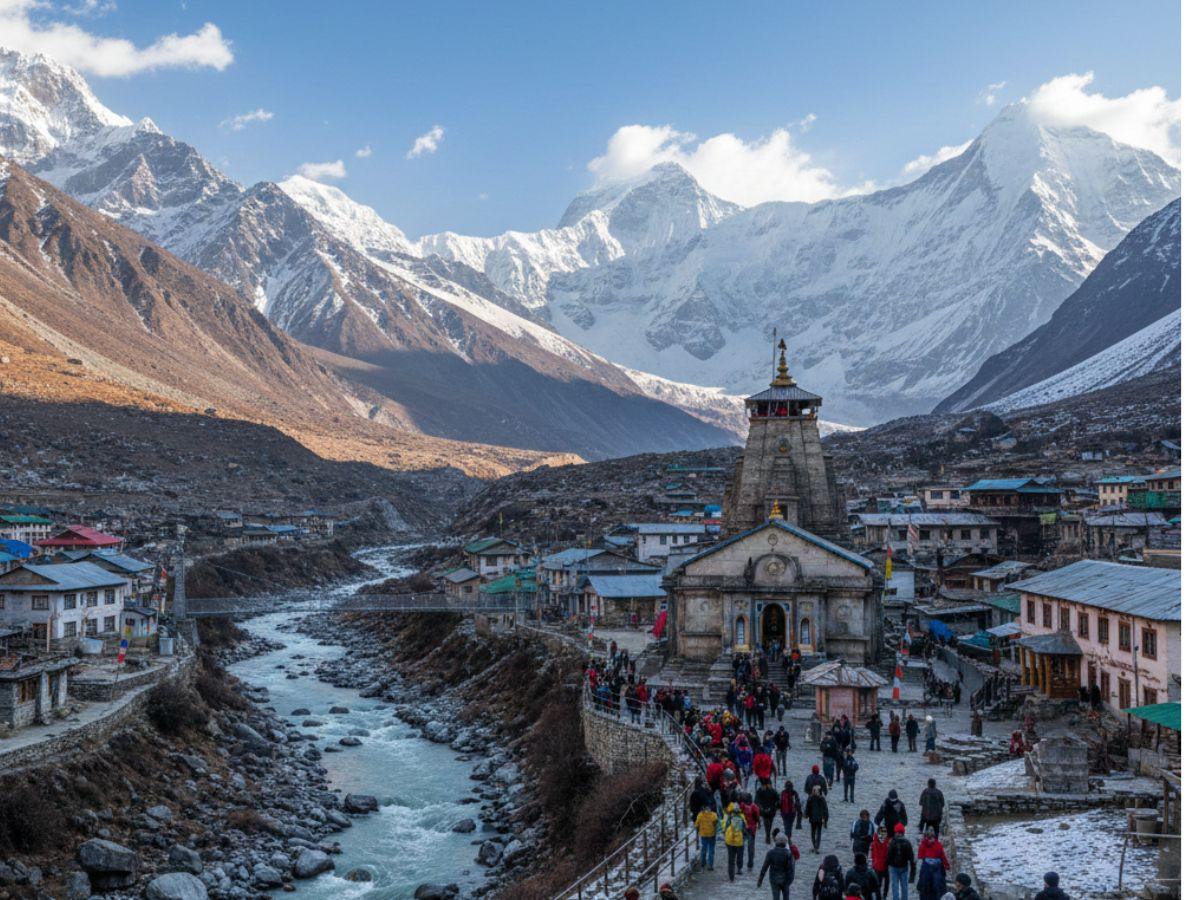
Perched at an altitude of 3,583 meters in the majestic Garhwal Himalayas, Kedarnath (Uttarakhand) is one of the most sacred pilgrimage destinations in India. Home to the divine Kedarnath Temple, this holy shrine is dedicated to Lord Shiva and is one of the twelve Jyotirlingas.
Located in Uttarakhand, Kedarnath is not just a temple: it is a spiritual journey filled with devotion, endurance, and breathtaking Himalayan beauty. Every year, lakhs of devotees undertake the challenging trek to seek blessings at this sacred abode of Mahadev.
This comprehensive guide covers Kedarnath temple history, mythology, trek details, timings, best time to visit, accommodation, travel tips, and everything you need to plan your Kedarnath Yatra.
About Kedarnath Temple
The sacred Kedarnath Temple stands near the Mandakini River against the backdrop of snow-capped Himalayan peaks. It is part of:
- The 12 Jyotirlingas of Lord Shiva
- The Chota Char Dham Yatra: Yamunotri, Gangotri, Kedarnath, Badrinath
- The Panch Kedar temples
The temple remains open only for six months each year due to extreme winter weather conditions.
Kedarnath Jyotirlinga: Mythological Significance
The origins of Kedarnath are deeply connected to the epic Mahabharata.
Story of the Pandavas
After the Kurukshetra war, the Pandavas sought forgiveness from Lord Shiva for the sins committed during the battle. However, Shiva avoided them and took the form of a bull (Nandi) to escape.
When Bhima recognized him, Shiva disappeared into the ground. It is believed that:
- The hump appeared in Kedarnath
- The arms appeared in Tungnath
- The face appeared in Rudranath
- The navel appeared in Madhyamaheshwar
- The hair appeared in Kalpeshwar
These five temples together form the Panch Kedar.
Thus, Kedarnath became one of the holiest Jyotirlingas dedicated to Lord Shiva.
History of Kedarnath Temple
The history of Kedarnath Temple dates back thousands of years.
Ancient Construction
It is believed that the Pandavas originally built the temple, which was later revived and renovated by Adi Shankaracharya in the 8th century.
Adi Shankaracharya played a major role in reviving Hindu pilgrimage traditions and establishing Kedarnath as a major spiritual center.
2013 Kedarnath Floods
In 2013, devastating floods struck the region. Despite massive destruction around it, the temple structure remained largely intact, which many devotees consider a miracle of Lord Shiva.
Today, the temple stands stronger, with improved infrastructure and safety measures for pilgrims.
Architecture of Kedarnath Temple
The temple is built entirely of large, heavy stone slabs placed over a rectangular platform.
Key Features:
- Massive stone construction
- Conical rock formation worshipped as Shiva Lingam
- Sabha Mandap and Garbhagriha
- Scenic Himalayan backdrop
Despite extreme weather conditions, the temple has stood firm for centuries: a testament to ancient engineering brilliance.
Behind the temple lies the samadhi (final resting place) of Adi Shankaracharya.
Kedarnath Temple Opening and Closing Dates
Kedarnath Temple opens and closes seasonally.
Opening Date:
Around April/May on Akshaya Tritiya.
Closing Date:
Around October/November on Bhai Dooj.
During winter, the idol of Kedarnath is shifted to Omkareshwar Temple in Ukhimath for worship.
Kedarnath Temple Timings and Aarti Schedule
Temple Timings:
- Morning: 4:00 AM to 3:00 PM
- Evening: 5:00 PM to 9:00 PM
Aarti Timings:
- Morning Aarti: Around 4:00 AM
- Evening Aarti: Around 6:00 PM
Devotees can participate in special poojas by prior booking.
How to Reach Kedarnath (Uttarakhand)
Reaching Kedarnath involves multiple travel modes.
By Air:
Nearest Airport: Jolly Grant Airport, Dehradun, approximately 238 km from Gaurikund.
By Train:
Nearest Railway Stations:
- Rishikesh
- Haridwar
By Road:
From Rishikesh or Haridwar, buses and taxis are available to Gaurikund, the base point of the trek.
Kedarnath Trek Guide
The Kedarnath trek begins from Gaurikund.
Trek Details:
- Distance: 16,18 km
- Duration: 6, 8 hours depending on fitness
- Difficulty Level: Moderate
Trek Options:
- Walking
- Pony or Mule
- Palki (palanquin)
- Helicopter services
Registration for Kedarnath Yatra is mandatory and can be done online or at registration centers.
Best Time to Visit Kedarnath
The best time to visit Kedarnath is:
May to June:
- Pleasant weather
- Peak pilgrimage season
September to October:
- Clear skies
- Less crowd
- Beautiful post-monsoon scenery
Avoid monsoon season, July to August, due to landslide risks.
Accommodation in Kedarnath
Accommodation options include:
- GMVN Guest Houses
- Budget lodges
- Dharamshalas
- Tent camps
Advance booking is highly recommended during peak season.
Major Festivals Celebrated at Kedarnath
Temple Opening Ceremony:
Grand celebration when temple doors open.
Maha Shivaratri:
Special prayers and rituals.
Badri-Kedar Festival:
Cultural and religious event celebrating regional traditions.
Festivals bring a vibrant and devotional atmosphere to Kedarnath.
Nearby Attractions Around Kedarnath
While visiting Kedarnath, you can explore:
- Bhairavnath Temple
- Vasuki Tal
- Gaurikund
- Triyuginarayan Temple
These places enhance your spiritual journey.
Travel Tips for Kedarnath Yatra
- Maintain good physical fitness
- Carry warm clothes even in summer
- Keep rain protection gear
- Start trek early morning
- Stay hydrated
- Carry essential medicines
Due to high altitude, acclimatization is important.
Why Kedarnath Jyotirlinga is So Special
Kedarnath is not just a temple: it is a test of devotion and determination.
What makes it unique:
- Located at 3,583 meters
- One of 12 Jyotirlingas
- Part of Char Dham Yatra
- Deep mythological connection
- Survived natural disasters
The journey to Kedarnath symbolizes overcoming life’s obstacles with faith in Lord Shiva.
FAQs About Kedarnath (Uttarakhand)
Where is Kedarnath located?
It is located in Rudraprayag district of Uttarakhand.
How long is the Kedarnath trek?
Approximately 16 ,18 km from Gaurikund.
When does Kedarnath Temple open?
Usually in April or May on Akshaya Tritiya.
Is helicopter service available?
Yes, helicopter services operate from multiple helipads.
What is the best time to visit?
May to June and September to October are ideal.
Final Thoughts
A pilgrimage to Kedarnath (Uttarakhand) is a life-changing spiritual experience. The divine energy of Kedarnath Temple, the challenging trek, and the breathtaking Himalayan surroundings create a journey unlike any other.
Tirth provides a tranquil space to appreciate India’s spiritual heritage and fosters an environment to learn and celebrate during your own time and depth.