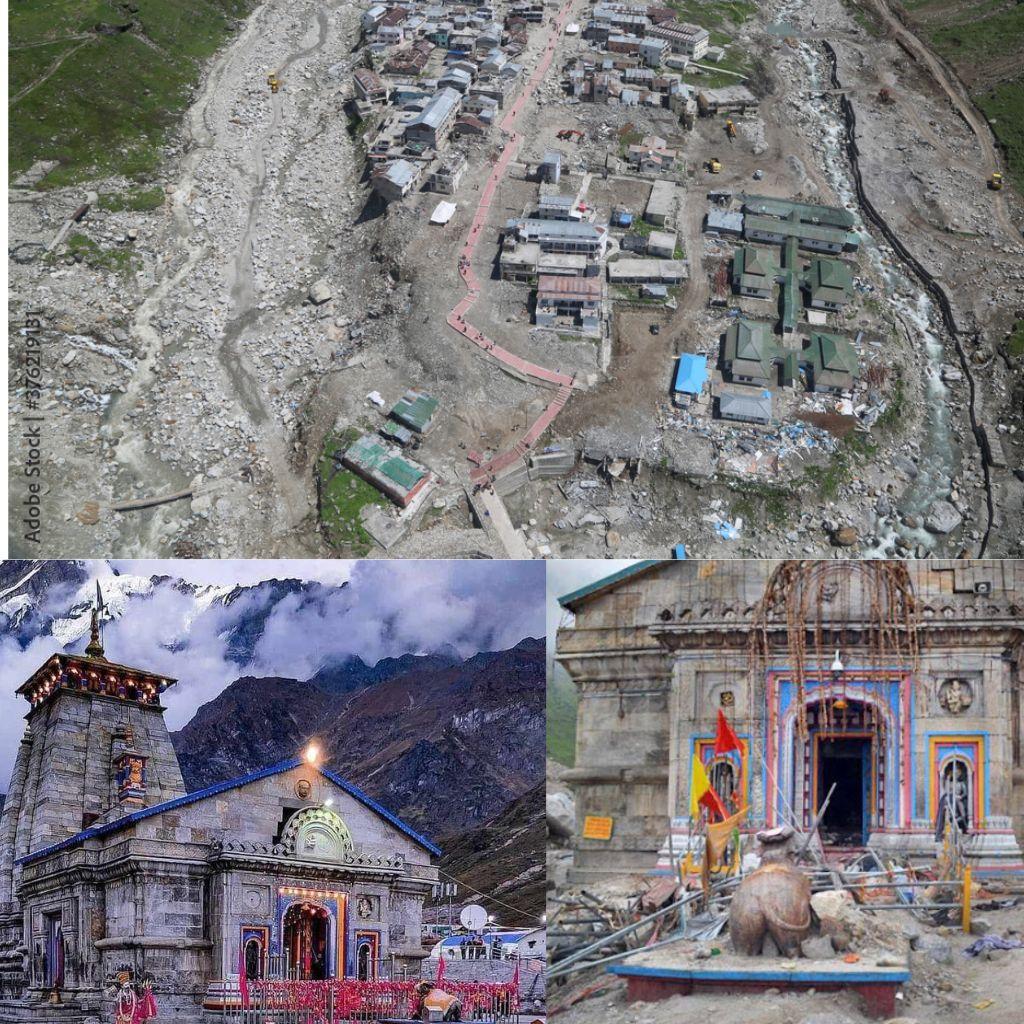
In June 2013, one of the most devastating natural disasters in Indian history struck the Himalayan region of Uttarakhand. Torrential rains, flash floods, and landslides destroyed entire towns and claimed thousands of lives. At the center of this tragedy stood the sacred Kedarnath Temple a shrine that witnessed unimaginable destruction around it, yet miraculously remained standing.
The 2013 Kedarnath flood not only changed the geography of the region but also transformed the entire pilgrimage experience. Infrastructure, safety systems, route planning, crowd management, and even the spiritual perception of the temple underwent a massive shift.
What Happened in Kedarnath in 2013?
On 16, 17 June 2013, unprecedented rainfall triggered flash floods and landslides across Uttarakhand. A cloudburst near Chorabari Lake caused massive water discharge into the Mandakini River. Within hours, the peaceful pilgrimage town of Kedarnath turned into a disaster zone.
Key Events:
- Sudden cloudburst
- Chorabari Lake overflow
- Mandakini River flooding
- Landslides and debris flow
- Massive destruction of Kedarnath town
Thousands of pilgrims were stranded. Hotels, dharamshalas, shops, and homes were swept away. Roads disappeared. Communication networks collapsed.
However, amidst this devastation, the Kedarnath Temple stood firm.
How Did Kedarnath Temple Survive?
One of the most talked-about aspects of the disaster is how the temple survived while everything around it was destroyed.
The Role of Bhim Shila
Behind the temple, a massive boulder now known as “Bhim Shila” rolled down during the floods and stopped just behind the temple structure. This rock diverted the force of water and debris, preventing direct impact on the temple walls.
Devotees consider this divine protection. Geologists suggest the boulder acted as a natural barrier.
Structural Strength of the Temple
The temple’s architecture is over a thousand years old, built using:
- Massive interlocking stone slabs
- No cement or mortar
- Strong Himalayan rock foundation
Its elevated plinth also helped it withstand water flow.
Kedarnath Before 2013 Flood
To understand what changed, we must look at how Kedarnath was before the disaster.
1. Narrow Trek Route
The old route from Gaurikund to Kedarnath was narrow and poorly managed. During peak season, crowd congestion was common.
2. Unplanned Construction
Hotels and shops were built close to the riverbanks without proper regulation.
3. Limited Safety Monitoring
Weather alerts and disaster preparedness systems were minimal.
4. Basic Infrastructure
Facilities for pilgrims were functional but lacked modern management systems.
What Changed After the 2013 Flood?
The disaster led to one of the largest reconstruction projects in the region’s history. The transformation has been massive.
1. Complete Redevelopment Plan
The Government of India initiated a structured redevelopment project under expert supervision.
Major Goals:
- Improve infrastructure
- Enhance safety
- Preserve spiritual integrity
- Create sustainable pilgrimage management
The temple surroundings were redesigned into a clean, open corridor.
2. New Trek Route to Kedarnath
The old trekking route was destroyed. A new, safer route was constructed.
Improvements:
- Wider pathway
- Strong retaining walls
- Better slope design
- Emergency shelters
- Medical checkpoints
The new trek is approximately 16 :18 km and is significantly safer than before.
3. Stronger Infrastructure & River Protection
Authorities constructed:
- Flood protection walls
- Improved drainage systems
- Controlled construction zones
- Riverbank reinforcement
Now, permanent structures are not allowed near the riverbanks.
4. Advanced Registration & Crowd Control
One of the biggest changes after 2013 is mandatory registration.
Biometric Registration:
- Mandatory for all pilgrims
- Helps track movement
- Limits overcrowding
- Improves disaster management
Daily visitor limits are imposed during peak season.
5. Improved Accommodation Facilities
Post reconstruction:
- Organized tent cities
- Government-approved lodges
- Better sanitation facilities
- Improved waste management
Temporary unsafe structures are no longer permitted.
6. Kedarnath Temple Corridor Development
The temple complex now features:
- A wide open courtyard
- Proper queue management systems
- Lighting arrangements
- Stone-paved pathways
- Enhanced security presence
The surrounding view has become more open and majestic compared to the congested pre-2013 setting.
7. Disaster Monitoring & Weather Alerts
Today, the Kedarnath region has:
- Advanced weather monitoring systems
- Satellite tracking
- Emergency evacuation protocols
- Helicopter rescue coordination
Authorities closely monitor rainfall and landslide risks during monsoon.
Before vs After 2013 Quick Comparison
| Aspect | Before 2013 | After 2013 |
| Trek Route | Narrow & risky | Wider & safer |
| Registration | Optional | Mandatory biometric |
| Infrastructure | Unregulated | Planned & controlled |
| Disaster Management | Limited | Advanced systems |
| Accommodation | Unplanned | Structured facilities |
Is Kedarnath Safer Now?
Yes significantly safer than before 2013.
Safety Improvements:
- Regulated pilgrim entry
- Controlled construction
- Scientific route planning
- Emergency medical facilities
- Strong disaster preparedness
However, since it is a high altitude Himalayan region, weather unpredictability remains a factor. Pilgrims are advised to:
- Avoid peak monsoon
- Follow official guidelines
- Register in advance
- Maintain physical fitness
Spiritual Impact After the Flood
The 2013 disaster deeply affected devotees across India.
Many people believe:
- The temple’s survival strengthened faith
- Bhim Shila symbolizes divine protection
- Kedarnath became a symbol of resilience
Pilgrim numbers have actually increased in recent years, showing that faith became stronger after tragedy.
How the Pilgrimage Experience Has Changed
1. More Organized
Pilgrims now follow structured schedules.
2. More Secure
Security and monitoring are stronger.
3. More Spiritual Atmosphere
The open temple courtyard provides a serene environment.
4. Better Crowd Management
Daily caps reduce extreme congestion.
Frequently Asked Questions (FAQs)
Did Kedarnath Temple get damaged in 2013?
The temple structure remained intact. Surrounding areas were heavily damaged.
What protected the temple during the flood?
A large boulder called Bhim Shila diverted debris and water flow.
Is Kedarnath safe to visit now?
Yes, due to redevelopment and safety measures, it is much safer than before.
What changed in Kedarnath after 2013?
New trek route, improved infrastructure, mandatory registration, disaster monitoring, and structured accommodation.
Can senior citizens visit Kedarnath now?
Yes, but medical consultation and preparation are recommended.
Conclusion
The 2013 disaster was a tragic chapter in the history of Kedarnath. It caused unimaginable loss but also led to transformation. Today, Kedarnath stands not only as a sacred shrine but as a symbol of resilience, faith, and structured redevelopment.
The temple’s survival strengthened belief among devotees, while the reconstruction ensured better safety for future pilgrims. The region is now more organized, better monitored, and significantly safer than it was before 2013.
Visiting Kedarnath today is not just a pilgrimage it is an experience of witnessing how faith and resilience can overcome even the most devastating natural forces.
For more information you may visit tirth.com