Karwa Chauth Festival: Importance, Customs, Spiritual Practices, and Observance Date
Karwa Chauth is a festival that married women participate in, and is one of the most important celebrations in the Hindu calendar. They participate in a fast in order to pray and wish for the health, prosperity, and the longevity for their husbands. It is a festival that embodies the deep and emotional aspects of the marital relationship’s devotion, love, and discipline.
Like Diwali, Maha Shivratri ,Dussehra, and several other significant festivals, Karwa Chauth is a day that has many layers. Although it celebrates a ritual, it is a day that requires focus, devotion, spirituality, and willpower. It is an observance that blends traditions, faith, and rituals in order to create a special structure.
In this article, we will explore the spiritual aspects, meaning and traditions of this sacred observance in great detail.
Karwa Chauth 2026
| Detail | Information |
|---|---|
| Festival Name | Karwa Chauth |
| Date | Thursday, 29 October 2026 |
| Rituals | Sargi, fasting, evening puja, moonrise darshan |
| Core Message | Devotion, protection, commitment |
Karwa Chauth: Significance of the Date and the Importance of the Moon’s Cycle
As per Hindu lunar calendar, the month of Kartik begins with a new moon. The day of Karwa Chauth falls on the 4th day of the moon cycle (Chauth) with the Krishna Paksha, which makes it a day to observe a fast. It falls in between which makes it a pertinent time to observe this practice. It is also of significance as it falls 9 days before the festival of Diwali.
The phases of the moon determine the timing of the day. This makes the time for Moonrise very important and requires the observers to exercise:
- Patience
- Discipline
- Focus to the point where the completion of the fast is reliant on seeing the moon
The moon is representative of stability and balance emotionally. Therefore, seeing the moon is what completes the vrat.
Spiritual Benefits of Karwa Chauth
At the soul level, Karwa Chauth reflects:
- Selfless prayer and devotion
- Emotional, trust, and commitment
- Belief in the protection and blessings of the Divine
The essence of the fast is to refrain from the physical attractions and the desires of the body, and devote the self to a cause that is beyond the physical. This is like the Ekadashi fast, or the fast of Mahashivratri. It is meant to help the person avoid and control irritation, and it helps the individual to be more appreciative of their relationships.
The rituals of Karwa Chauth
Sargi: The Pre-Dawn Meal
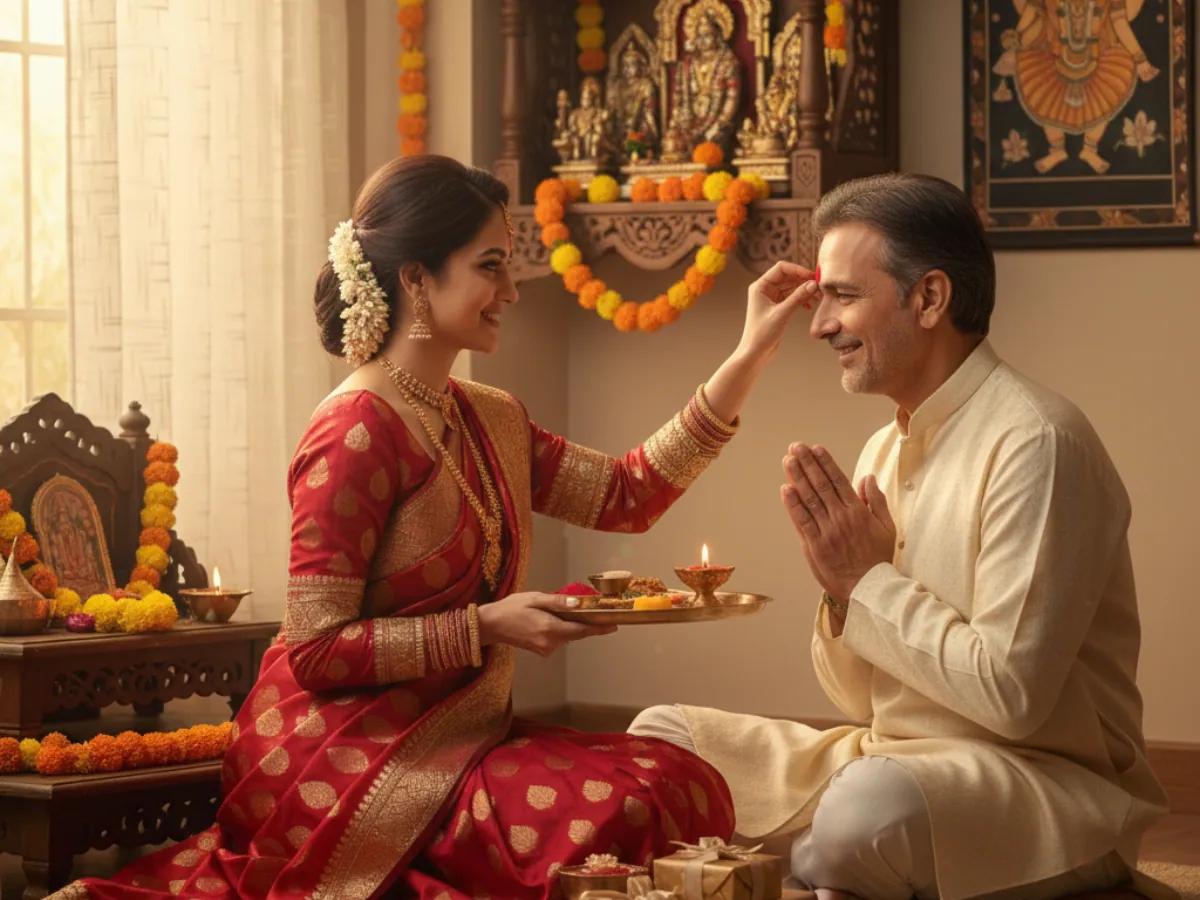
The day is broken before the sun rises. Sargi is prepared and provided by the mother-in-law to be a supportive gesture. The food is meant to help the woman through the day long fast.
Nirjala Vrat
The women exercise an extreme form of devotion and surrender to the fast by interning themselves from all food and water from sunup to sundown. Their soul is offered in prayer, and the act reflects a form of discipline that is seen in the fasting of the Navratri.
3. Karwa Chauth Puja & Katha
As the sun begins to set, women come together to perform the puja and listen to the Karwa Chauth Katha. Katha tells stories of devotion, hope, and miracles. Each woman has an earthen pot, called a ‘karwa’. These pots represent life, nourishment, and continuity.
Moon Sighting & Breaking the Fast
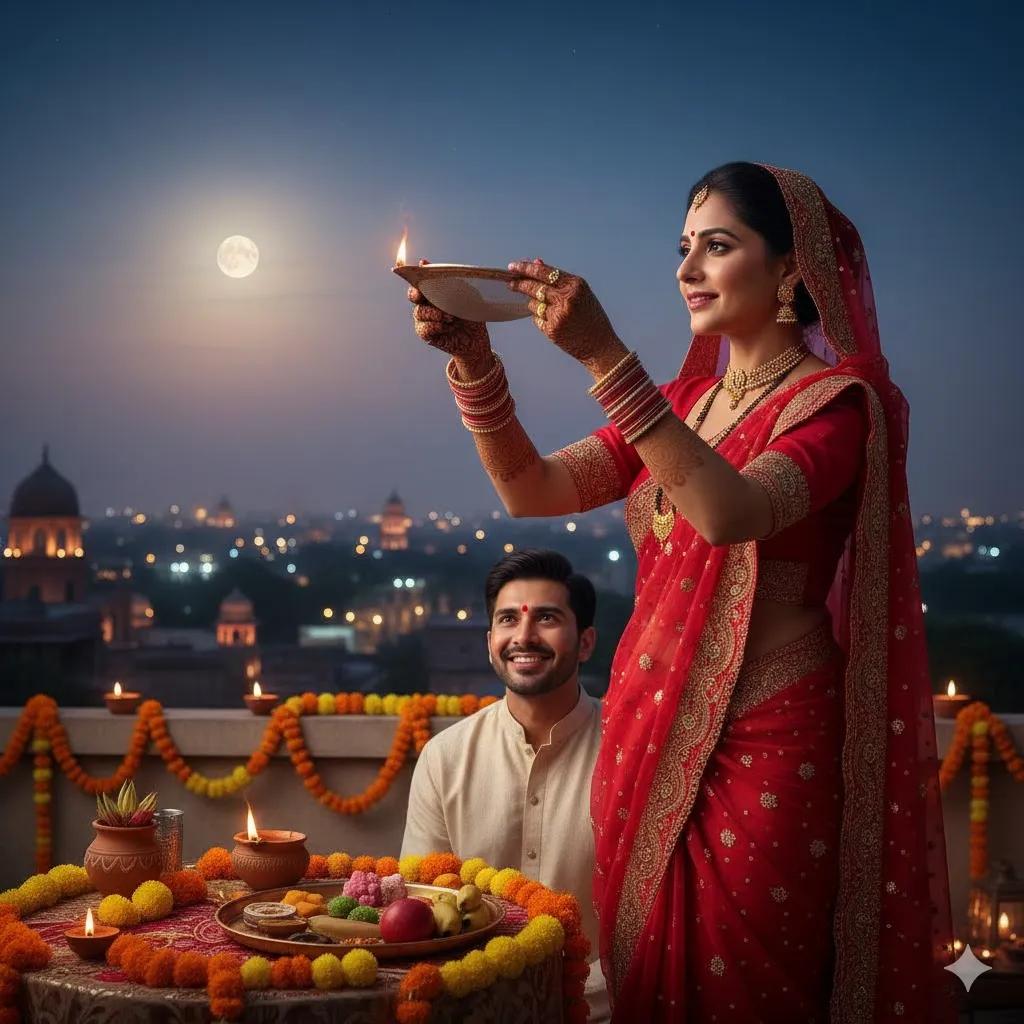
The highlight of the festival, and the moment everyone has been waiting for, is the arrival of the moon:
- Women pray to the moon and offer water to her.
- They look at their husband through the sieve.
- Their husband gives food and water to her to break the fast.
This act reflects the respect, gratitude, and responsibilities shared in a marriage.
Cultural & Social Dimensions of Karwa Chauth
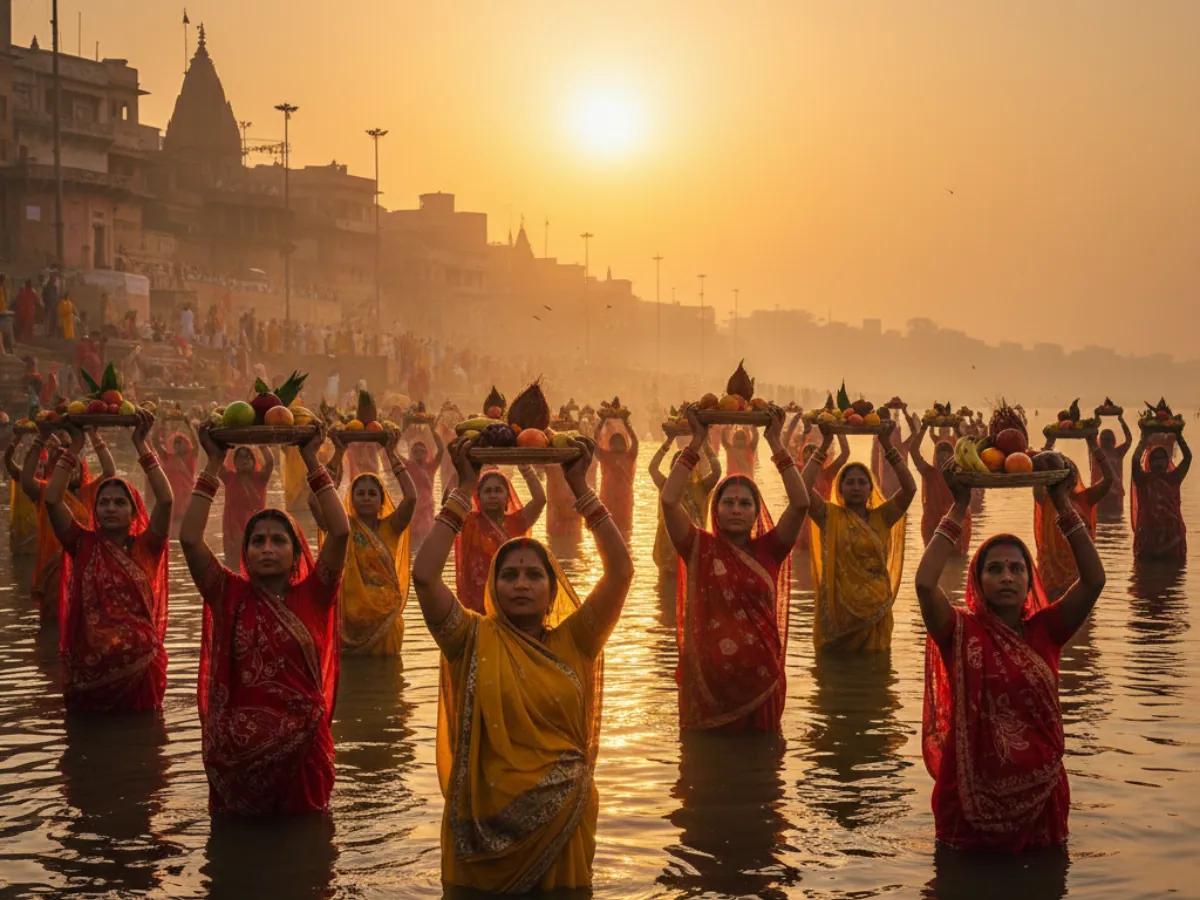
More than rituals, Karwa Chauth is also a cultural festivity:
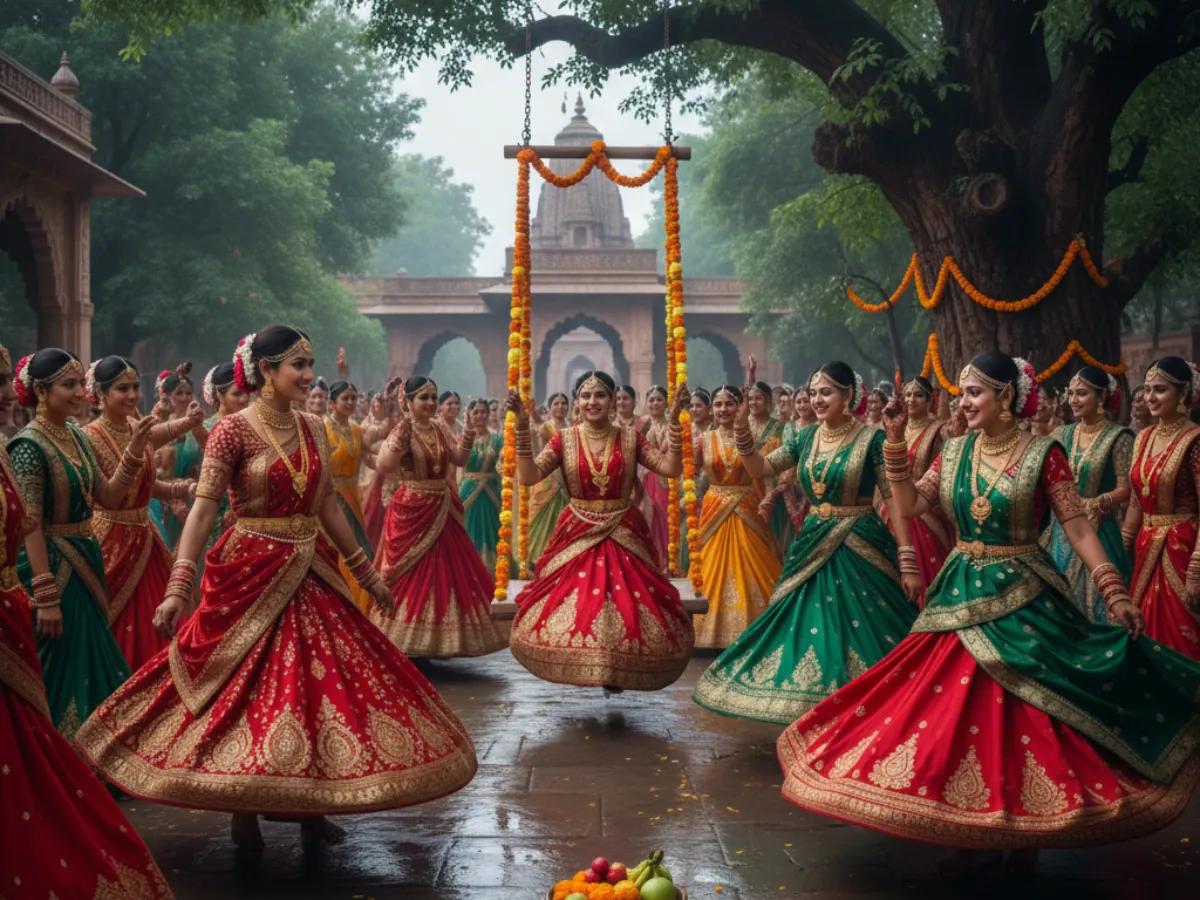
- Women of the community and family dress up in cultural dresses
- They wear Mehndi and bangles, and dress up in traditional accessories
- They participate in community gatherings to relax and enjoy.
The festival is similar to Diwali, the Karwa Chauth festival of community devotion also reflects joy, beauty, and social bonding.
Inner Meaning & Modern Reflection
In the present day, Karwa Chauth has come to mean many things:
- Emotional partnership
- Care for each other
- Pray for each other
- Understand each other
While keeping all the rituals, the essence of the festival is in the faith and togetherness rather than in the act.
Karwa Chauth Overview
Festival Type: Fasting & Devotional
Observed By: Married women
Lunar Phase: Krishna Paksha Chauth
Key Rituals: Sargi, fasting, moon darshan
Core Message: Devotion, commitment, love
A Meaningful Way to Observe Karwa Chauth
Every Karwa Chauth festival is reflective. It requires patience, prayer, and each woman must fast for the entire day and wait to view to moon before she can eat. As the day passes and the evening prayers commence, embrace the festival spirit. When the fast is observed with sincerity, it can strengthen the bonds and relationships well beyond the celebration to come after the moon is visible.
Observe Karwa Chauth with Faith and Inner Balance
Karwa Chauth is not only a ritual of fasting, but a quiet expression of prayer, patience, and emotional strength. When the vrat is observed with sincerity and understanding, it becomes a moment of inner discipline and deep connection rooted in faith.
At Tirth, the intention is to help devotees stay connected to Sanatan traditions in a simple and meaningful way. From understanding sacred observance days to approaching rituals with clarity and devotion, Tirth supports spiritual practices that feel calm, respectful, and rooted in purpose.
May this Karwa Chauth bring harmony, trust, and well-being into your life and strengthen the bond it is meant to honour.
May devotion guide your observance.