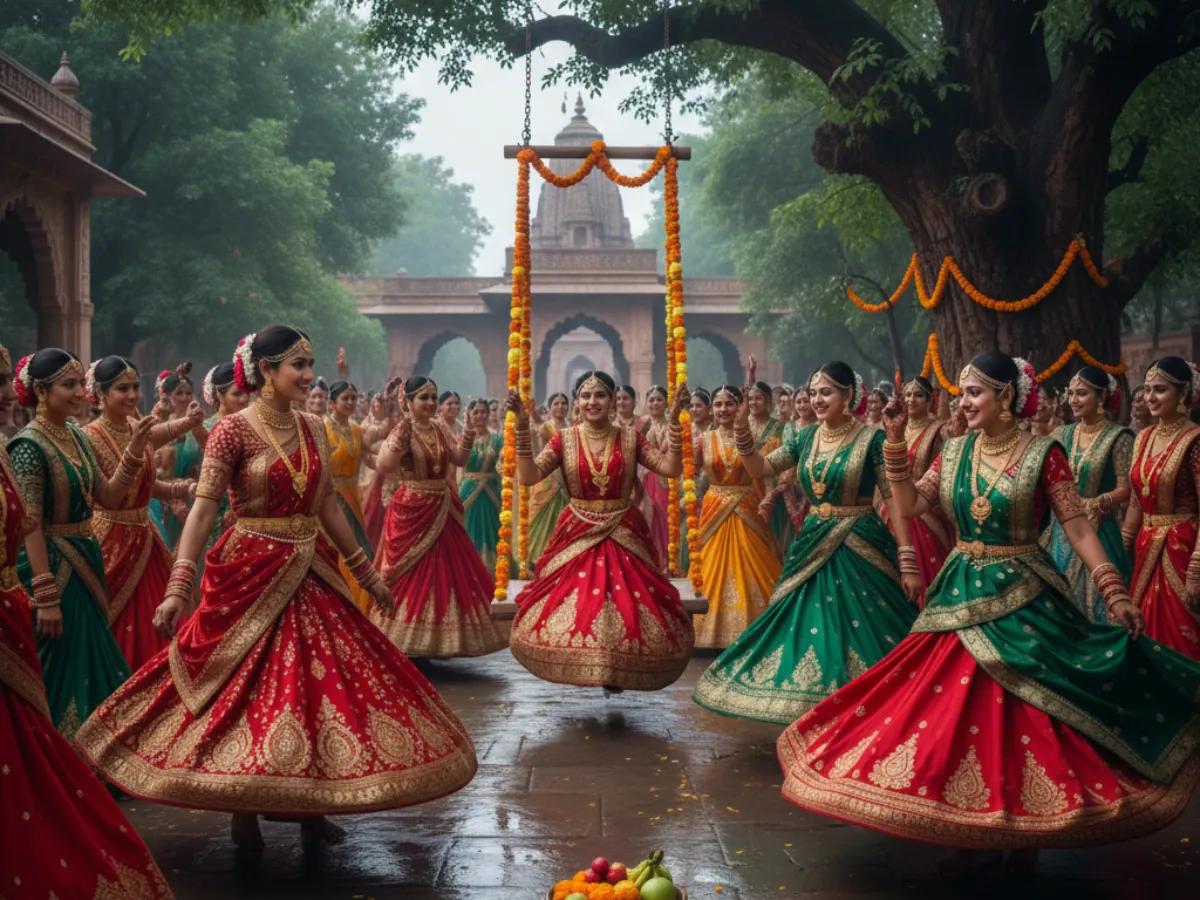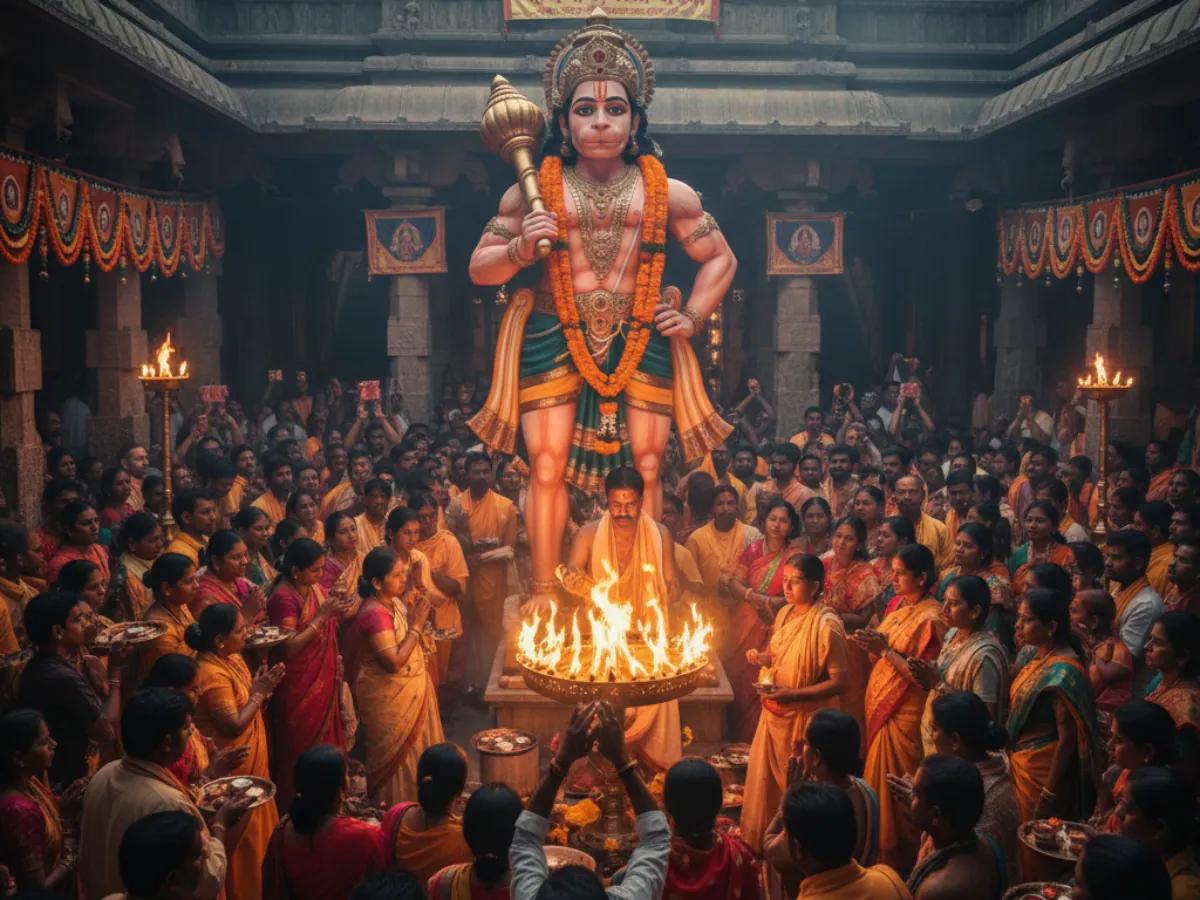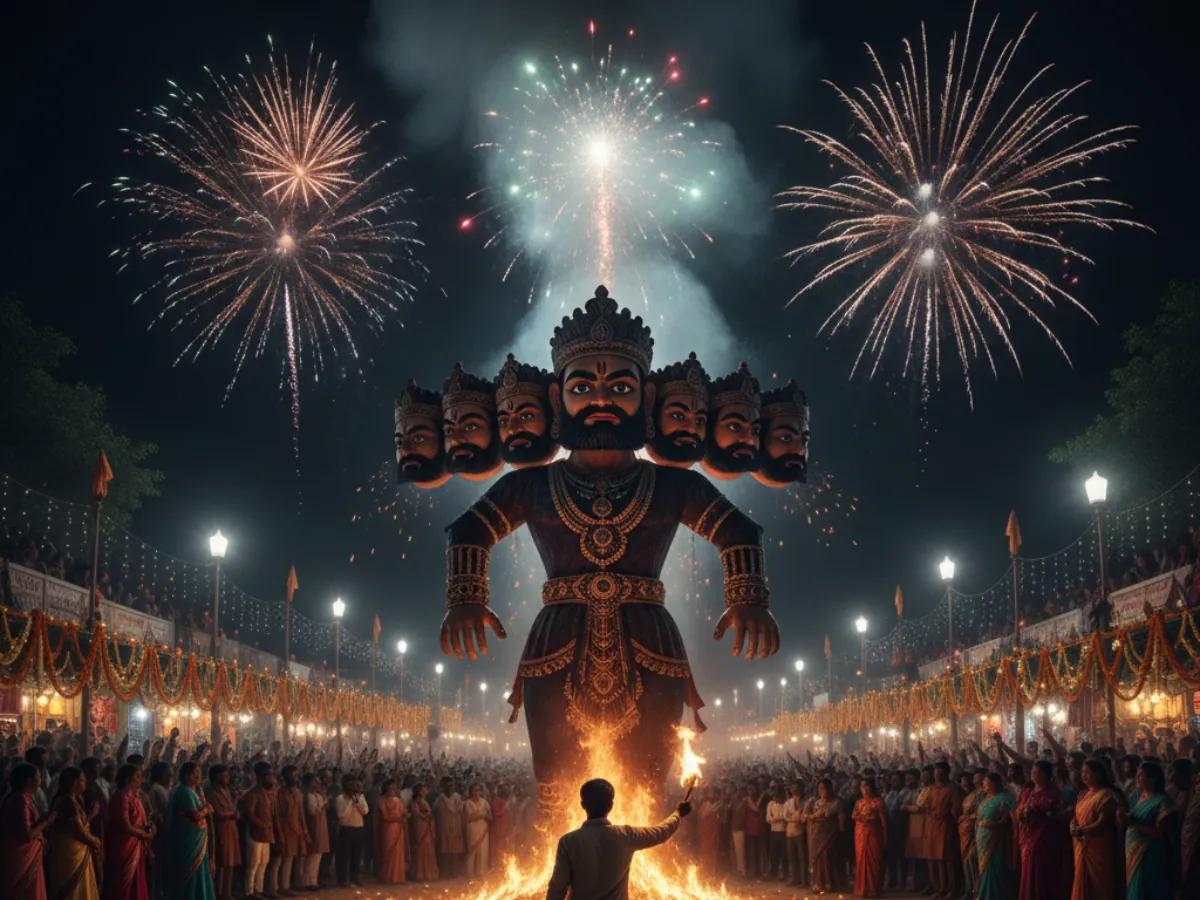
Dussehra (Vijayadashami) is a major Hindu festival that celebrates the victory of good and just over evil and unjust. Dussehra portrays the end of evil and arrogant reign with the destruction of Ravana. The festival is celebrated with great enthusiasm and massive cultural, and traditional processions throughout India. Dussehra festival shows the end of a person’s self control and spiritual restraint.
Dussehra is celebrated in a time period that is considered to be sacred. This festival, just like Diwali, Holi, and Raksha Bandhan, carries a lot of cultural and religious significance. The festival also marks the end of the Navratri, which adds to the spiritual significance.
All the important information regarding Dussehra 2026, along with the details of the date and the rituals.
Dussehra 2026: Date & Muhurat
- Festival Date: Tuesday, 20 October 2026
- Dashami Tithi Begins: Early morning of 20 October
- Dashami Tithi Ends: Early morning of 21 October
- Auspicious Time for Vijayadashami Puja: Local Panchang says lies in the afternoon
Dussehra is celebrated on the 10th day (Dashami) of the Shukla Paksha in the month of Ashwin.
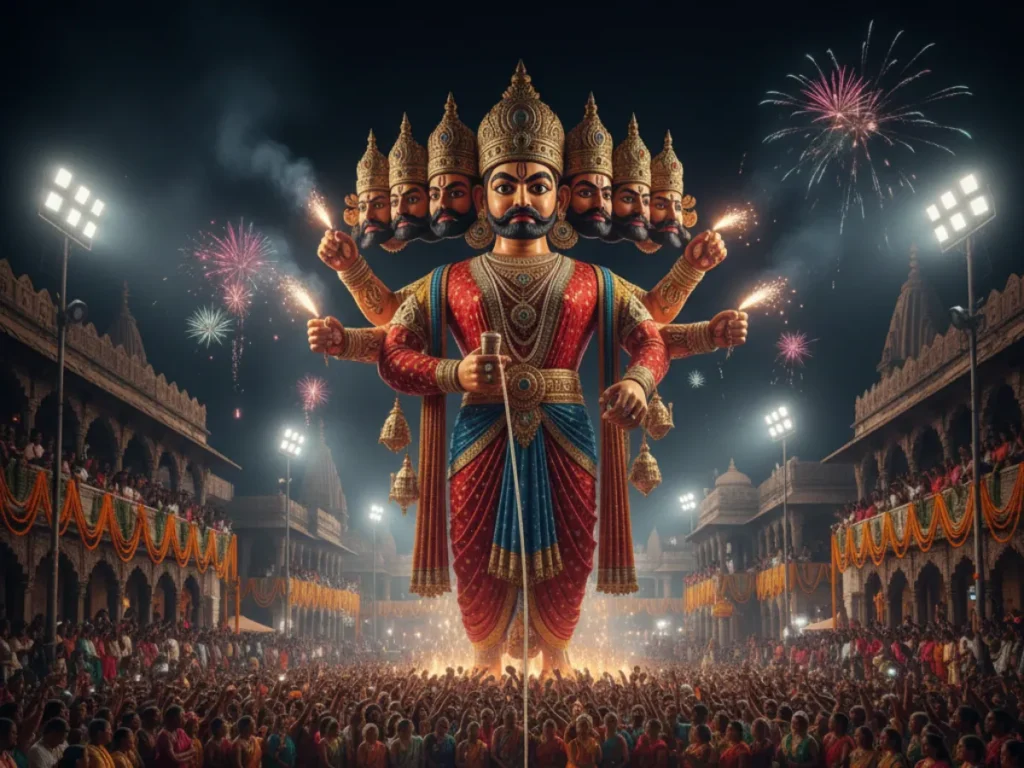
Dussehra 2026: All 10 Days of Navratri and Vijayadashami
The festival of Dussehra is deeply connected with the nine sacred days of Navratri, culminating on the tenth day known as Vijayadashami or Dussehra. Each day holds unique spiritual importance and represents different forms of divine energy, discipline, and inner purification.
In 2026, Navratri and Dussehra together create a spiritually powerful ten-day period devoted to devotion, reflection, and renewal.
Day 1 – Pratipada (Navratri Begins)
Date: Sunday, 11 October 2026
Navratri begins with the worship of Goddess Shailputri, symbolizing strength and purity. On this day, devotees perform Ghatasthapana to invoke divine energy in the household. It marks the beginning of spiritual discipline, fasting, and prayer.
Day 2 – Dwitiya
Date: Monday, 12 October 2026
The second day is dedicated to Goddess Brahmacharini, representing devotion, penance, and self-control. Devotees focus on patience, restraint, and inner balance.
Day 3 – Tritiya
Date: Tuesday, 13 October 2026
On the third day, Goddess Chandraghanta is worshipped. She symbolizes courage and grace. Prayers on this day are believed to remove fear and obstacles.
Day 4 – Chaturthi
Date: Wednesday, 14 October 2026
This day honors Goddess Kushmanda, the creator of the universe. Worship on this day is associated with vitality, health, and clarity of mind.
Day 5 – Panchami
Date: Thursday, 15 October 2026
The fifth day is devoted to Goddess Skandamata, the motherly form of divine energy. Devotees seek wisdom, compassion, and protection for their families.
Day 6 – Shashthi
Date: Friday, 16 October 2026
On this day, Goddess Katyayani is worshipped. She represents courage and righteous action. It is believed that sincere prayers help overcome inner conflicts and negativity.
Day 7 – Saptami
Date: Saturday, 17 October 2026 (Saptami continues on Sunday, 18 October)
The seventh day is dedicated to Goddess Kalaratri, the fiercest form of the Goddess. Worship on this day signifies the destruction of ignorance, fear, and darkness.
Day 8 – Ashtami
Date: Monday, 19 October 2026
Ashtami is one of the most significant days of Navratri. Goddess Mahagauri is worshipped for peace, forgiveness, and purity. Many devotees perform Kanya Puja on this day.
Day 9 – Navami
Date: Monday, 19 October 2026
Navami marks the culmination of Navratri rituals. It is associated with divine completion and spiritual fulfillment. Prayers are offered for strength, wisdom, and harmony.
Day 10 – Vijayadashami (Dussehra)
Date: Tuesday, 20 October 2026
The tenth day, Vijayadashami, celebrates the victory of Lord Rama over Ravana and the triumph of Goddess Durga over Mahishasura. It symbolizes the ultimate victory of good over evil and marks an auspicious time for new beginnings, learning, and spiritual resolutions.
Spiritual Importance of Dussehra
Dussehra represents:
- The Victory of Lord Rama over Ravana
- The Victory and Triumph of Truth, Discipline, and Devotion
- Demise of the Ego, Arrogance, and Adharma
Dussehra, in several parts of the country, signifies the end of Navratri and the Durga Puja celebrations, representing the Victory of Goddess Durga over Mahishasura. Just like during Navratri, devotees reflect on inner purification and strength.
Dussehra Customs & Traditions
1. Vijayadashami Puja
On this day devotees offer special puja to pray and seek divine blessings for success and wisdom. This day is also auspicious for new initiatives like starting a new class, job, or spiritual pursuits.
2. Ravan Dahan
One of the biggest celebrations in North India is the public burning of the effigies of Ravana, Meghnad, and Kumbhkaran. This ritual, like the lessons of Diwali, teaches us that the darkness of evil and the light of righteousness will always prevail.
3. Shastra Puja & Ayudha Puja
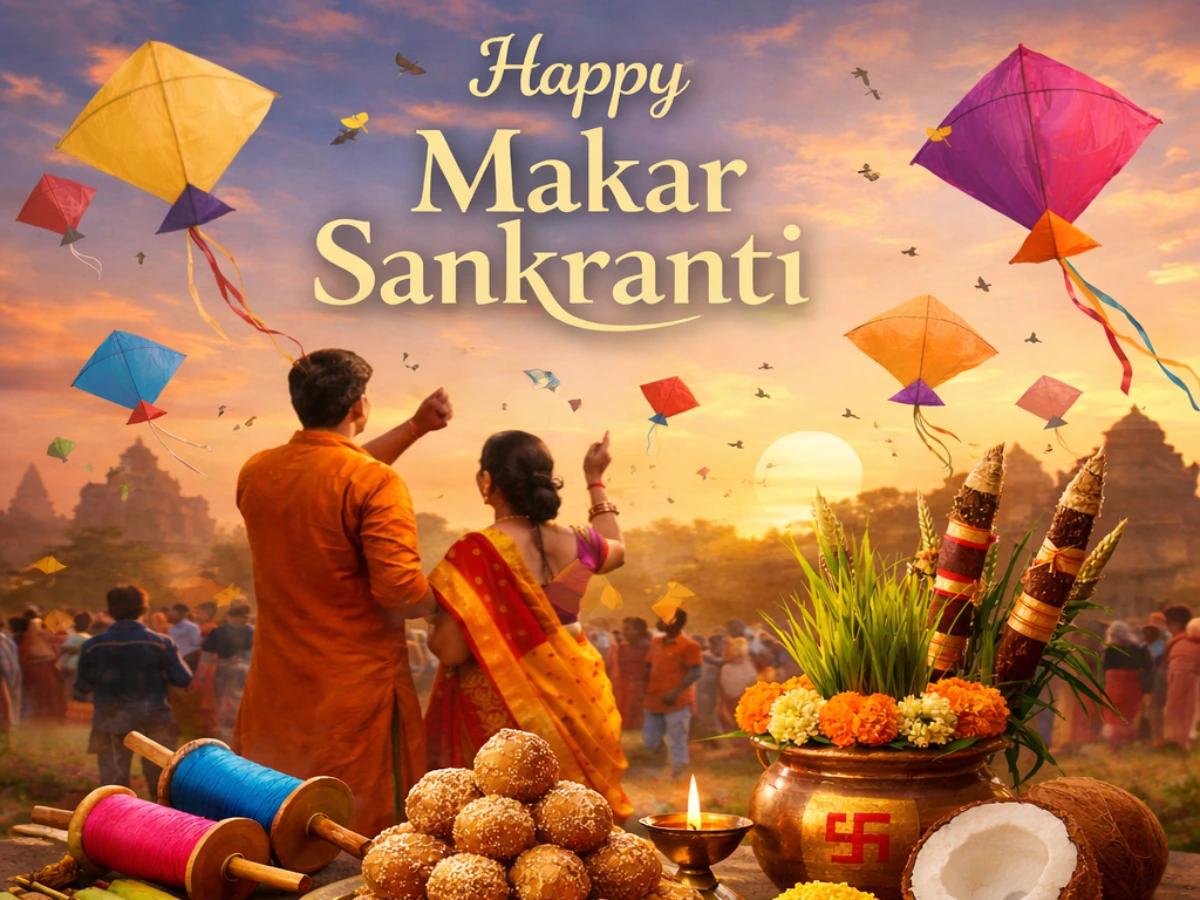
In some parts of the country, the worship of tools, books, and instruments is also done to express gratitude for the knowledge, skills, and means of livelihood, similar to the worship that is done for nature and harvest during Makar Sankranti.
Regional Celebrations of Dussehra
The festival of Dussehra or Vijaya Dashami is celebrated in the following manner all across the country:
The North is known for the Ravan Dahan event while Ramlila enactments are performed in the North, In the South and the West, communal prayers and Ayudha Puja is performed, and in the Eastern states, after a grand celebration of Durga Puja, the Durga Visarjan is performed.
Irrespective of regional specificities, the celebration of Dussehra or Vijaya Dashami brings out the theme of victory, renewal, and the celebration of dharma.
Dussehra and Devotional Practices
Some devotees prefer to celebrate the festival of Dussehra and keep prayer:
They pray for protection and clarity; visit their temples, as well as, sacred spots; reflect upon the ideals of ethical living, and exercise self-control.
Just like the observances of Ekadashi, Dussehra and in particular Vijayadashami is known for the initiation of new and good practices.
Dussehra 2026 at a Glance
Festivals Name: Dussehra/ Vijayadashami
Date: Tuesday, 20th October 2026
Related Festivals: Navratri, Durga Puja
Main Events: Vijayadashami Puja, Ravan Dahan
Main Theme: Victory of Good over Evil
Dussehra’s End is a Good Beginning
Celebrating Dussehra 2026 carries a positive hope of leaving behind all negativity of the past and stepping into a positive, truthful and righteous path. Devotional actions like prayer, reflection, and quiet contemplation at the temple will add meaning to the celebration, and help us in living the ideals of Dussehra in our routine.
Walk the Path of Dussehra with Faith and Clarity
Dussehra is not only a celebration of victory, but a reminder to live with righteousness, discipline, and inner strength. When rituals are performed with understanding and devotion, the festival becomes a moment of reflection and renewal.
At Tirth, the intention is to help devotees stay connected to Sanatan traditions in a calm and meaningful way. From understanding festival timings to approaching rituals with clarity and devotion, Tirth supports your spiritual journey without haste or confusion.
This Dussehra, may your prayers be steady, your intentions pure, and your path guided by dharma.
Let the spirit of Vijayadashami bring light, balance, and purpose into your life.
When is Dussehra (Vijayadashami) celebrated in 2026?
Dussehra or Vijayadashami will be celebrated on Tuesday, 20 October 2026. It falls on the Dashami Tithi of Shukla Paksha in the Hindu month of Ashwin and marks the conclusion of Navratri.
What is the spiritual significance of Dussehra?
Dussehra symbolizes the victory of righteousness over evil, self-discipline over ego, and truth over arrogance. It commemorates the victory of Lord Rama over Ravana, and also the triumph of Goddess Durga over Mahishasura.
Why is Dussehra also called Vijayadashami?
The word Vijaya means victory and Dashami refers to the tenth lunar day. Vijayadashami represents the tenth day of victory, celebrating divine success after nine days of devotion, penance, and spiritual discipline during Navratri.
What is the auspicious time (Muhurat) for Vijayadashami Puja in 2026?
According to most local Panchangs, the afternoon period on 20 October 2026 is considered auspicious for Vijayadashami Puja. Devotees are advised to follow their regional Panchang for precise timings.
What rituals are commonly performed on Dussehra?
Major Dussehra rituals include Vijayadashami Puja, Ravan Dahan, Shastra Puja, and Ayudha Puja. These rituals honor divine forces, tools of livelihood, knowledge, and ethical strength.