somewhere between the first cup of morning chai and the quiet sound of temple bells, January begins to settle into the body. Winter is still holding on. Mornings are slow. And for many homes, someone eventually asks, almost casually, “Is Ekadashi coming?”
That’s how it usually starts.
Ekadashi January 2026 isn’t loud. It doesn’t announce itself with fireworks or long holidays. It slips into the month twice, gently but firmly, asking you to pause. To eat less. To speak less. To remember a little more.
January 2026 brings two Ekadashis, and both carry their own weight, their own mood, their own lessons. This guide is not meant to rush you through dates. It’s meant to walk alongside you, the way elders explain vrat rules on the way to a temple, repeating things, circling back, making sure nothing important is missed.
Ekadashi January 2026 Complete Date List
Let’s put the facts on the table first. No confusion. No guesswork.
In January 2026, Ekadashi comes twice, as it always does.
Shattila Ekadashi: Wednesday, 14 January 2026
Jaya Ekadashi: Thursday, 29 January 2026
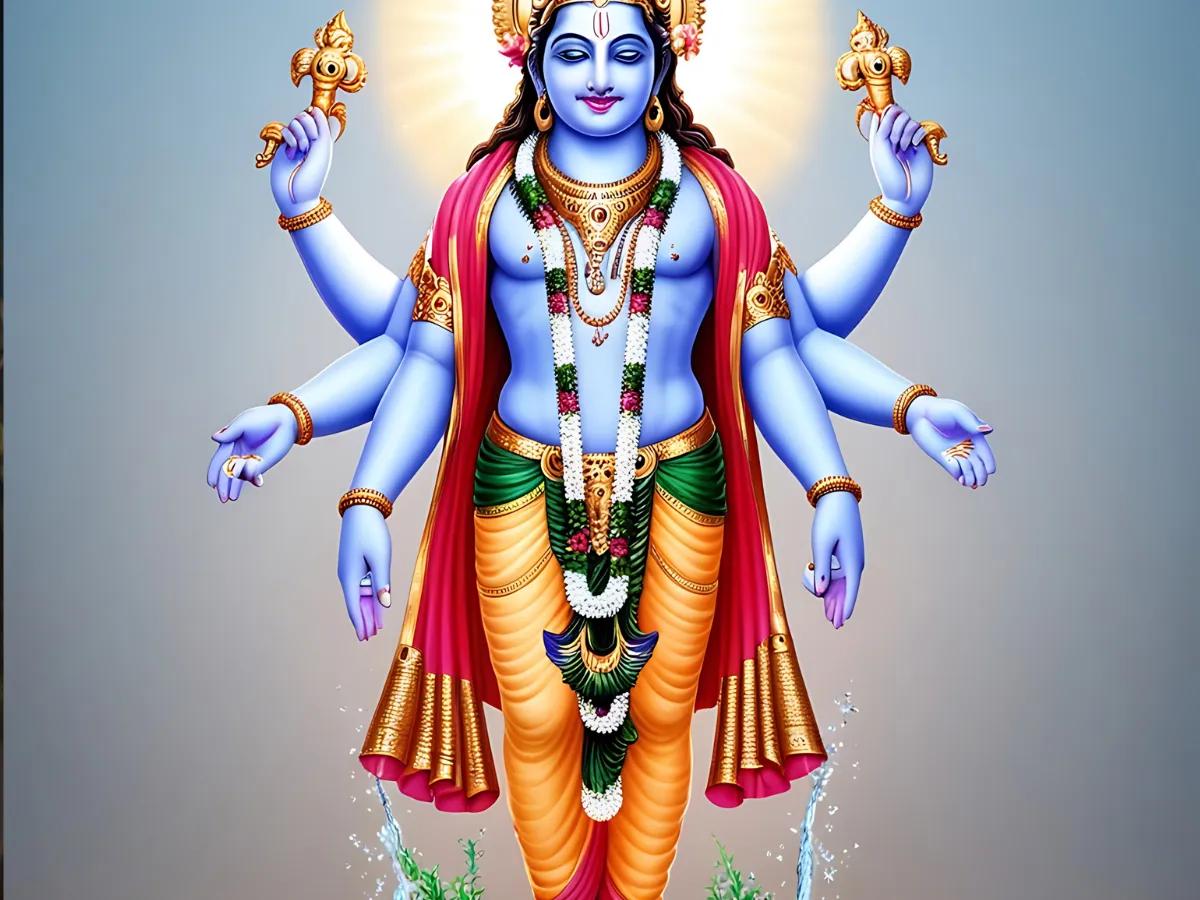
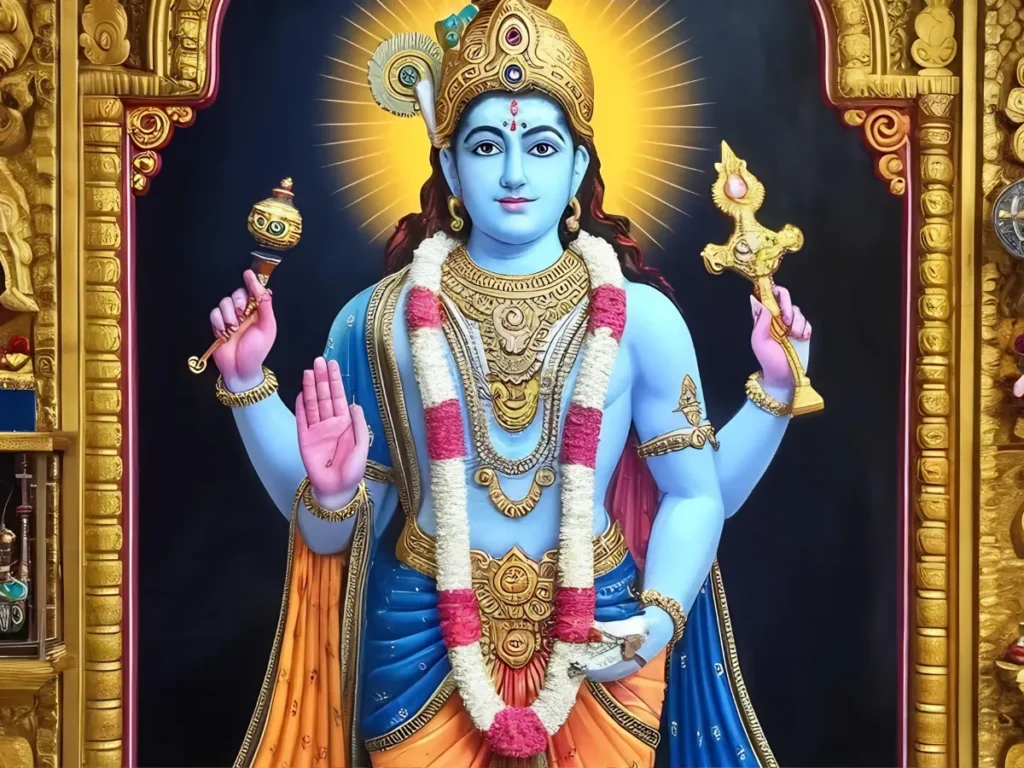
Two days. Two fasts. Both dedicated to Lord Vishnu. Both observed from sunrise to the next morning’s parana.
Simple on paper. Deep in practice.
Ekadashi in January 2026 Why Two Vrats Matter
Some people observe one Ekadashi and feel satisfied. Others don’t miss a single one all year. There’s no competition here.
Ekadashi arrives once in Krishna Paksha and once in Shukla Paksha, and January 2026 follows that same lunar rhythm. The first Ekadashi often feels stricter. The body is still adjusting after year end indulgences. The second feels steadier, almost calmer.
Together, they shape the month.
For many devotees, January Ekadashi is about starting clean. Not dramatically. Just quietly resetting.
Shattila Ekadashi Kab Hai in January 2026
This question comes up every year. And it deserves a clear answer.
Shattila Ekadashi falls on Wednesday, 14 January 2026.
Ekadashi tithi begins on 13 January at 3:17 PM
Ekadashi tithi ends on 14 January at 5:52 PM
Because the tithi is present at sunrise on the 14th, that is the vrat day. No debate. No adjustment.
If you’re planning travel, work, or temple visits around this day, mark it clearly.
Shattila Ekadashi Parana Time
Fasting is one half of the vrat. Parana completes it.
For Shattila Ekadashi:
Parana date: Thursday, 15 January 2026
Parana time: 7:15 AM to 9:21 AM
Dwadashi ends: 8:16 PM
Many people rush this part or forget it altogether. But elders will tell you, gently but firmly, that breaking the fast at the right time matters. It closes the vrat properly. Like saying goodbye instead of just walking away.
Shattila Ekadashi Ko Aur Kis Naam Se Jana Jata Hai
Depending on which calendar you follow, Shattila Ekadashi may show up under another name.
You might see it listed as:
Magha Krishna Ekadashi
Shat Tila Ekadashi
Different names. Same day. Same vrat.
Knowing this helps when cross checking dates, especially if one family member follows a different Panchang than another. Happens more often than you think.
Shattila Ekadashi Vrat Rules and Til Mahatva
This Ekadashi is special because of one humble ingredient.
Til. Sesame.
On Shattila Ekadashi, til isn’t optional. It’s symbolic.
Common practices include:
- Bathing with water mixed with sesame seeds
- Offering til based bhog
- Charity involving til or food
- Maintaining a simple fast with fruits or water
Til is associated with purification and protection. It’s small, understated, and powerful. Much like the vrat itself.
No elaborate rituals are needed. Sincerity does the heavy lifting here.
Shattila Ekadashi and Makar Sankranti 2026
In 2026, Shattila Ekadashi coincides with Makar Sankranti. And yes, that complicates things a little.
Sankranti usually comes with its own food traditions. Sweets. Til gud. Community meals. Ekadashi asks you to step back from that.
Families handle this in different ways. Some adjust timings. Some focus more on charity. The key is balance. Observing both with respect, without forcing either.
It’s one of those days where planning matters more than enthusiasm.
Shattila Ekadashi Ki Katha Simple Explanation
The Shattila Ekadashi ki katha is often told softly, without drama.
It speaks of a devotee who followed rituals faithfully but avoided true charity. When tested, she realised that fasting without compassion is hollow. Only when she combined vrat with giving did the practice become complete.
The lesson is clear and uncomfortable, if we’re honest.
Fasting alone isn’t enough. Intention matters. So does kindness.
That’s why listening to or reading the katha is considered an important part of the day.
Jaya Ekadashi January 2026 Date and Timing
The second Ekadashi of the month arrives quietly toward the end of January.
Jaya Ekadashi falls on Thursday, 29 January 2026.
Ekadashi tithi begins on 28 January at 4:35 PM
Ekadashi tithi ends on 29 January at 1:55 PM
Again, because the tithi spans sunrise, the vrat is observed on the 29th.
Jaya Ekadashi Parana Time
For Jaya Ekadashi:
Parana date: Friday, 30 January 2026
Parana time: 7:10 AM to 9:20 AM
Dwadashi ends: 11:09 AM
This Ekadashi is often associated with inner strength and clarity. A good note to end the month on.
Jaya Ekadashi Ko Aur Kis Naam Se Jana Jata Hai
Jaya Ekadashi is also known as:
Bhaimi Ekadashi
Same vrat. Different naming tradition. Useful to know when checking temple calendars or Vaishnava listings.
Common Ekadashi Vrat Rules for January 2026
Despite their differences, Ekadashis share a common structure.
Most devotees follow a routine like this:
- Early morning bath
- Lighting a diya for Vishnu or Krishna
- Naam japa or Vishnu Sahasranama
- Simple bhog
- Ekadashi katha
- Parana on Dwadashi
Some observe nirjala. Some don’t. Health, age, and circumstances matter. Ekadashi is about discipline, not punishment.
For information on Ekadashi dates and observances in January 2026, visit Tirth.com.