
Goddess Chandraghanta
About Goddess Chandraghanta
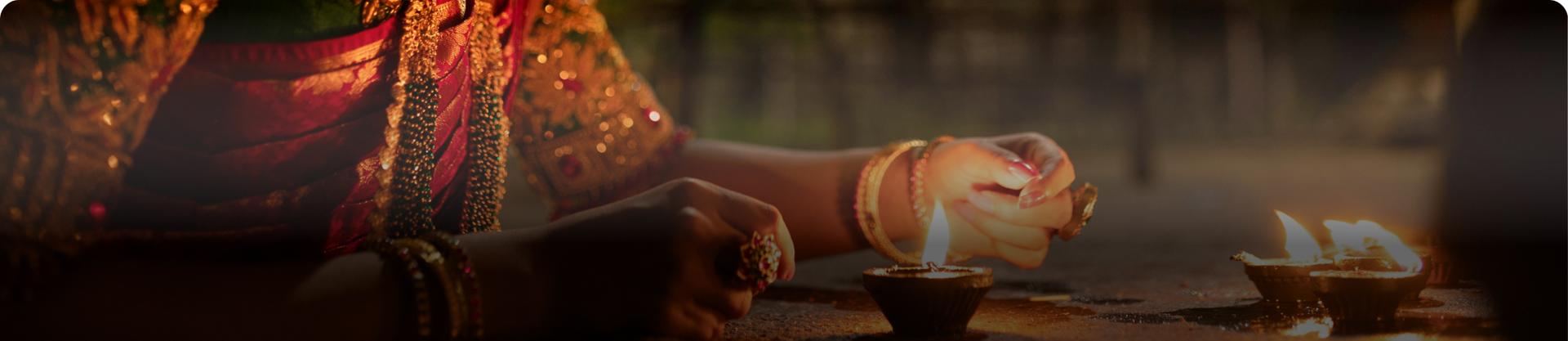
Goddess Chandraghanta is revered as the third powerful form of Navadurga, worshipped on the third day of Navaratri. Her name means 'She who has a half-moon shaped like a bell,' referring to the unique crescent moon that adorns her forehead. Chandraghanta is a form of Parvati, representing the qualities of bravery, grace, and compassion. She rides a fierce tiger, her golden complexion shining, and is always ready to protect her devotees from all evil. Yet her form is both beautiful and terrifying—her shining face calms her devotees, while her bell and weapons terrify demons. Devotees worship her to gain courage, overcome fear, and remove all suffering. In homes every Navaratri, lamps are lit and jasmine flowers are offered, with earnest prayers that Chandraghanta will remove pain, purify the heart, and restore peace.


Mantra of Goddess Chandraghanta
The most loved mantra for Chandraghanta is: 'पिण्डजप्रवरारूढ़ा चण्डकोपास्त्रकैर्युता। प्रसादं तनुते मह्यं चन्द्रघण्टेति विश्रुता॥' (Pindaja Pravararudha Chandakopastrakairyuta. Prasadam Tanute Mahyam Chandraghanteti Vishruta). Devotees also recite the simple prayer, 'ॐ देवी चन्द्रघण्टायै नमः॥' (Om Devi Chandraghantayai Namah). These mantras are repeated 11, 21, or 108 times each day, especially on the third day of Navaratri. The power of her name is believed to infuse the chanter with bravery, discipline, and the ability to overcome all trials. The mantras are often spoken while offering jasmine flowers and lighting incense, their gentle fragrance mixing with the sound of the bell. Parents teach their children these mantras before big life events, exams, or journeys, asking the goddess to protect and bless every step.
Chalisa of Goddess Chandraghanta

Aarti of Goddess Chandraghanta
Frequently Asked Questions
FAQ stands for frequently asked questions. It's a page on a website that provides quick answers to common questions from customers and other visitors.

