There’s something deeply comforting about the sound of the Dhanvantari Mantra. Maybe it’s the rhythm, maybe it’s the faith behind every word. People say that chanting it brings the blessings of Lord Dhanvantari, the divine healer — the one who gifted Ayurveda to the world.
You don’t just recite it; you call upon him for health, longevity, and freedom from illness. And, honestly, a bit of inner calm too.
The Sacred Chants
“Om Dhanvantarye Namah“-
Meaning : A simple prayer, really. It’s a bow — “Lord Dhanvantari, I offer you my salutations. Please bless me with health.” That’s it. Straightforward, sincere.
“Om Namo Bhagavate Mahasudarshanaya Vasudevaya Dhanvantarye Amritakalashahastaya Sarvabhayavinashaya Sarvaroganivaranaya Trilokapathaya Triloknathaya Shri Mahavishnuswaroopaya Shri Dhanvantariswaroopaya Shreeshrishri Aushadhachakray Narayanaya Namah.“
Meaning :Yes, it’s long. But every phrase matters. It’s like a cosmic roll call — calling upon the Lord who holds the pot of nectar, the destroyer of disease, the caretaker of all three worlds, the very embodiment of Vishnu himself.
“Om Namo Bhagavate Dhanvantarye Amritakalashahastaya Sarv Amaya Vinashanaya Triloknathaya Shri Mahavishnave Namah.”
Meaning :Another way to say: “You who hold the divine nectar, who removes all illness — I bow to you, Lord of all life.”
“Namani Dhanvantari Adi Devam, Sura-Asura Vanditham Pad Padmam, Loke Jara Rughbhaya Mrityu Nashakam, Dataram Isham Vividoushadhinam.”
Meaning :This one? It’s pure poetry. The gods and demons themselves honor him. He’s the one who lifts people from fear — of sickness, of aging, of death. The giver of herbs, healing, and wisdom.
“Om Namo Bhagavate Vasudevaya Dhanvantarya Amritakalasha Hastaya.”
Meaning :A softer, gentler invocation. Asking for his presence, for strength and serenity in body and spirit.
“Om Tat Purushaya Vidmahe Amrit Kalash Hastaya Dhimahi Tanno Dhanvantari Prachodayat.”
Meaning :The essence of devotion — “Let me meditate upon the Supreme Being, holding the pot of nectar. May that divine light of Dhanvantari inspire and guide me.”
The Legend Behind the Healer
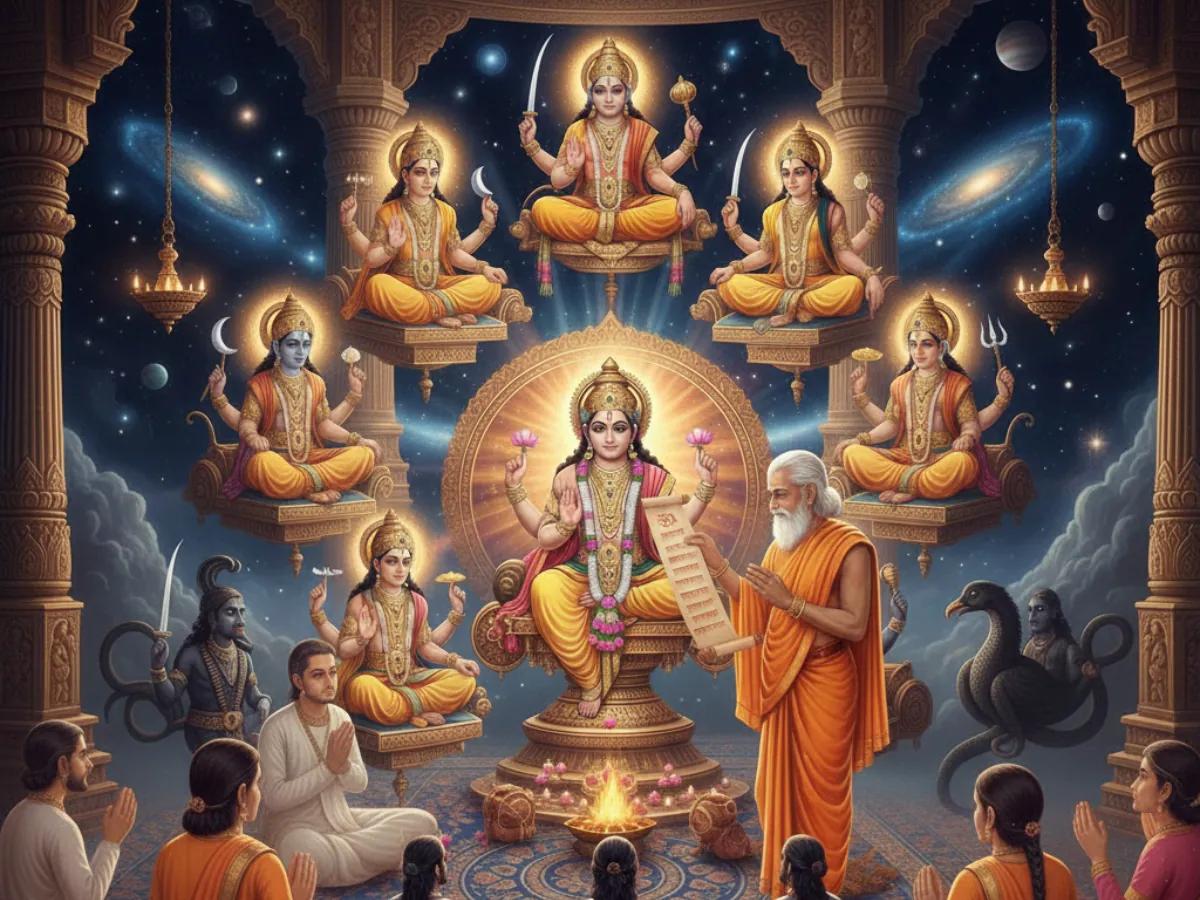
If you’ve grown up around stories from the Puranas, you’ve probably heard this one. During the Samudra Manthan — the great churning of the cosmic ocean — Dhanvantari emerged holding a pot filled with Amrit, the nectar of immortality. Of course, the gods and demons fought over it (because… of course they did), but what matters is that Dhanvantari brought with him the gift of healing — Ayurveda.
Some texts say he was born again later, in the royal family of Kashi, to King Dhanva — a divine rebirth, showing up once more in human form to share the science of life.
He’s said to have studied herbs, every plant and its power — what heals, what harms. His teachings formed the foundation of Ayurveda, and even the great sage Sushruta, the father of surgery, learned from him.
Why We Worship Him on Dhanteras
Dhanteras isn’t just about buying a few gold trinkets or utensils (though let’s be real — we all do that too). Spiritually, it’s the day Lord Dhanvantari appeared. The thirteenth day of the bright fortnight of Kartik month, said to be his birthday.
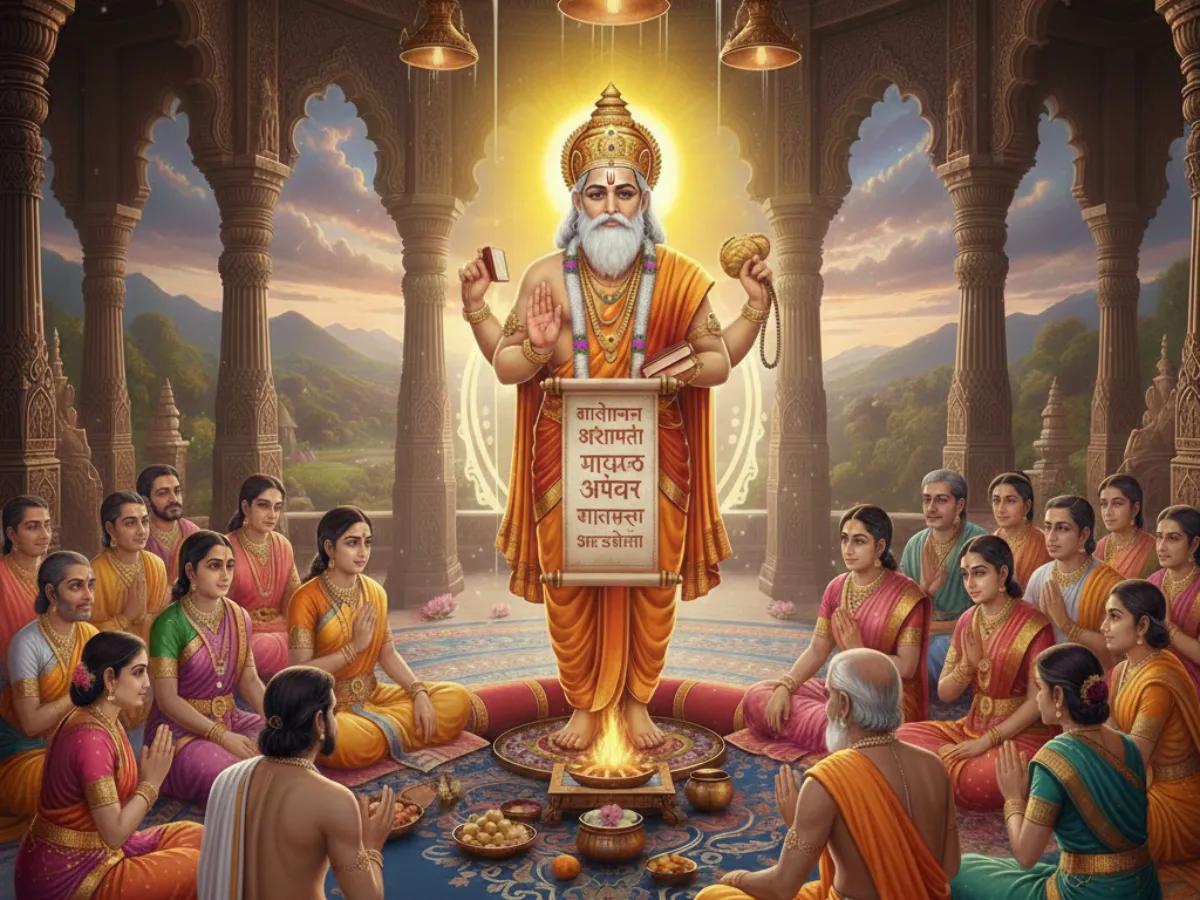
He’s depicted with four arms — one holding a pot of nectar, another an Ayurvedic scripture, another with healing herbs, and one with a conch shell. All symbols of health, knowledge, and purity.
So, on Dhanteras, we pray not just for wealth — but for a healthy life to enjoy it.
How to Chant the Dhanvantari Mantra
Tradition says early morning is best — around sunrise. Here’s how it typically goes:
- Take a bath, wear clean clothes.
- Place the idol or picture of Lord Dhanvantari in your prayer space.
- Sit on a mat made of kush (holy grass).
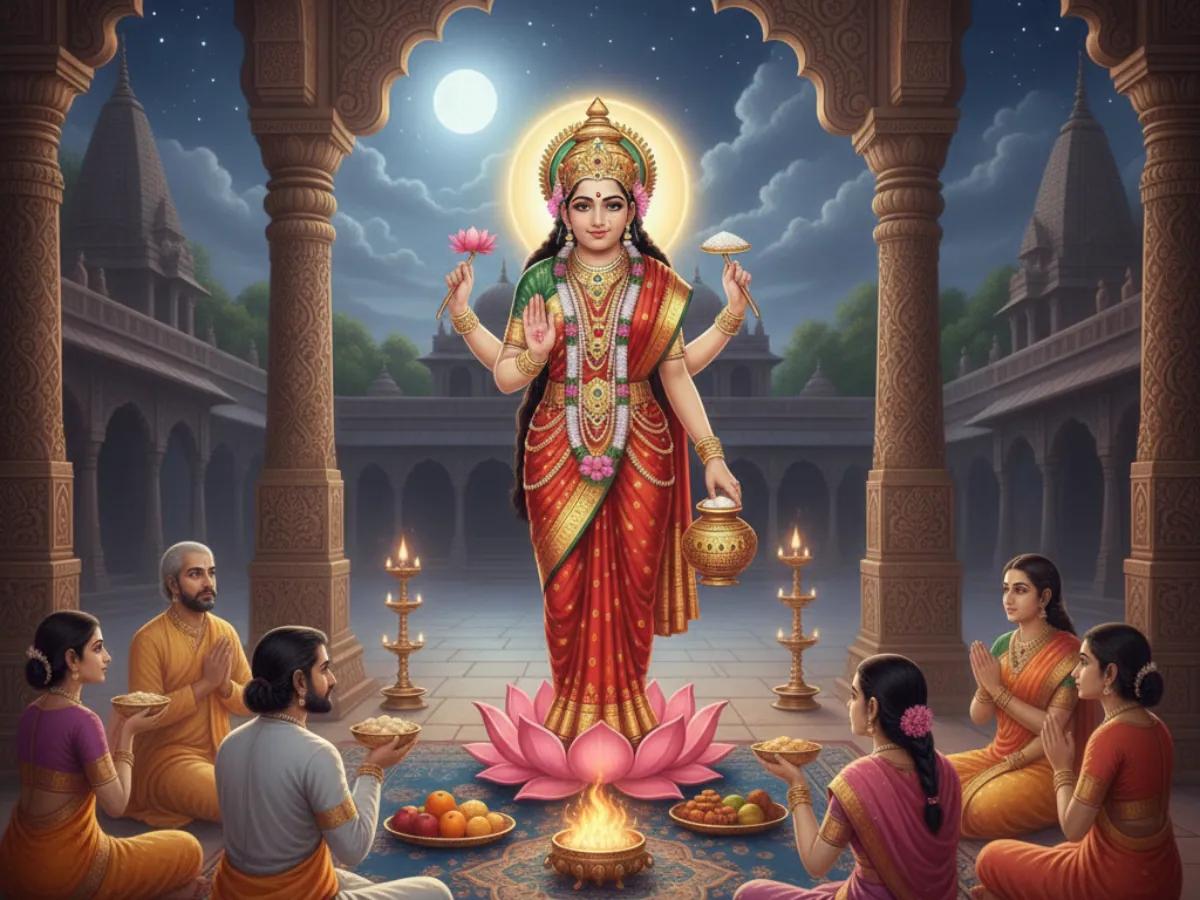
- Offer rice, flowers, betel nuts, a lit ghee lamp — all with calm, mindful intent.
- Do achaman (ritual cleansing with water).
- Offer roli, turmeric, perfume, sweets, fruits, and something from the heart — even a coin is fine, as long as it’s sincere.
And while doing all this, gently chant: “Om Namo Bhagavate Dhanvantary Vishnurupaya Namo Namah.”
Then move into your chosen mantra. Let the sound fill the room. Don’t rush it — it’s not a race; it’s rhythm and reverence.
The Real Benefits (Beyond the Obvious Ones)
- Strength and longevity — physical, yes, but mental too.
- A steady, clear energy that stays through the day.
- Relief from fear — not just of disease, but of the unknown.
- A sense that you’re not entirely alone in your healing journey.
- And for the devout — maybe even the light of liberation, moksha.
Some say even chronic, so-called incurable ailments soften their grip when one chants with real faith.
A Few Simple Rules While Chanting
- Start clean — body and mind.
- Keep thoughts kind; bitterness dulls divine sound.
- Skip tamasic food (heavy, processed, overly spiced stuff).
- Maintain celibacy during the chanting period.
- And most importantly, be honest. In word, deed, and heart. Because deceit and devotion don’t quite mix.
So yeah — chant the Dhanvantari Mantra with a clear mind and a hint of surrender. It’s less about perfect pronunciation and more about connection. You’re not just reciting — you’re remembering
You’re acknowledging that health isn’t something outside of you. It’s been built into the universe since the moment that divine healer rose from the sea.