If there’s any sound that feels like morning itself, it’s the Gayatri Mantra. Soft, luminous, ancient yet somehow still new every time you chant it. They call it the mother of all mantras, the heartbeat of the Vedas, a sacred whisper that bridges human thought and divine intelligence.
People say it carries more than words it carries light. Not just sunlight, but the kind that dissolves inner fog, that quiet brilliance that reminds you you’ve always been part of something vast and kind.
The Mantra
Om Bhur Bhuvah Swah Tat Savitur Varenyam Bhargo Devasya Dhimahi Dhiyo Yo Nah Prachodayat.
The Meaning
Roughly, it’s a prayer to the Divine Source the life of all life asking: “May that radiant presence, the destroyer of sorrow, the giver of light and wisdom, guide our minds to the path of truth.”
In simpler words? “May my thoughts become clear, my heart pure, and my life aligned with the divine rhythm.”
Each of its 24 syllables is said to hum with a subtle power strength, grace, purity, devotion, insight, compassion… all woven into vibration.
The Living Energy Behind It
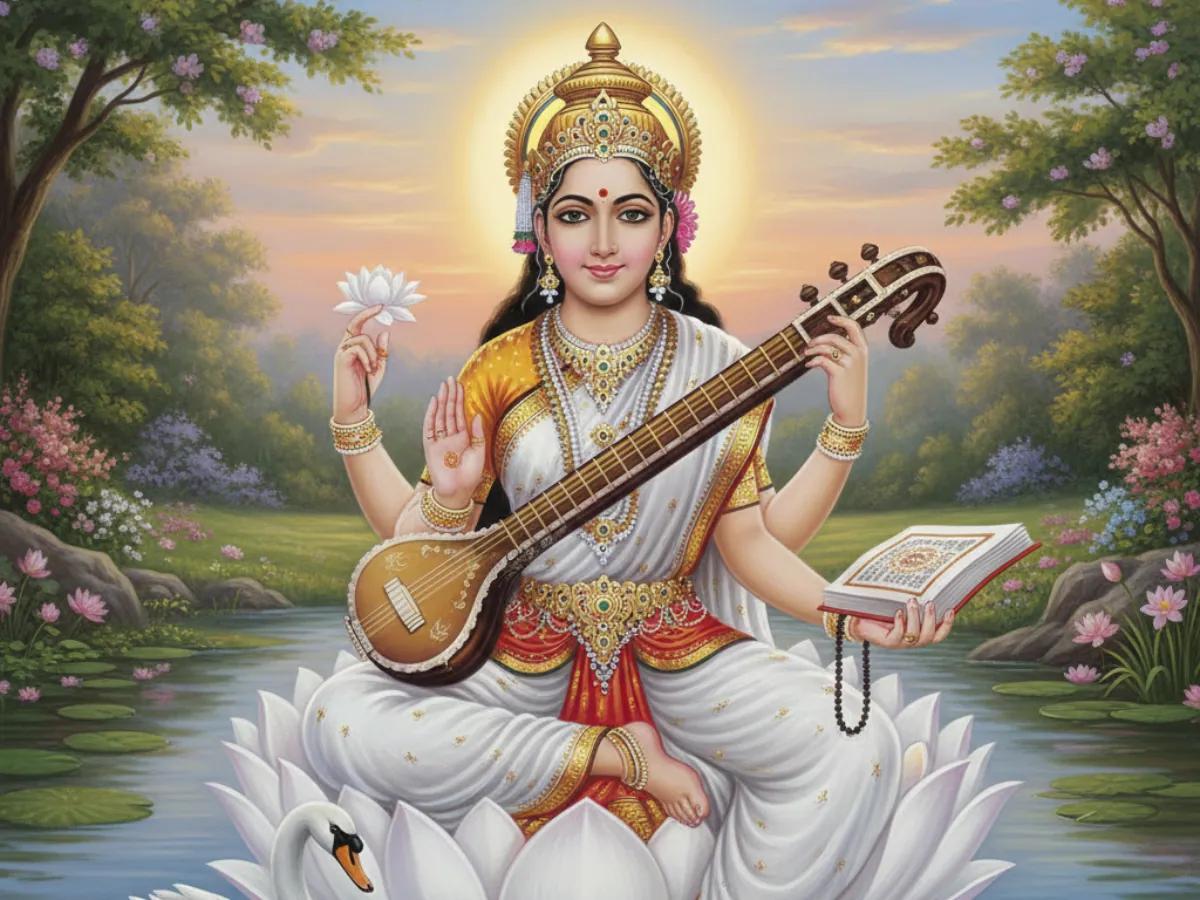
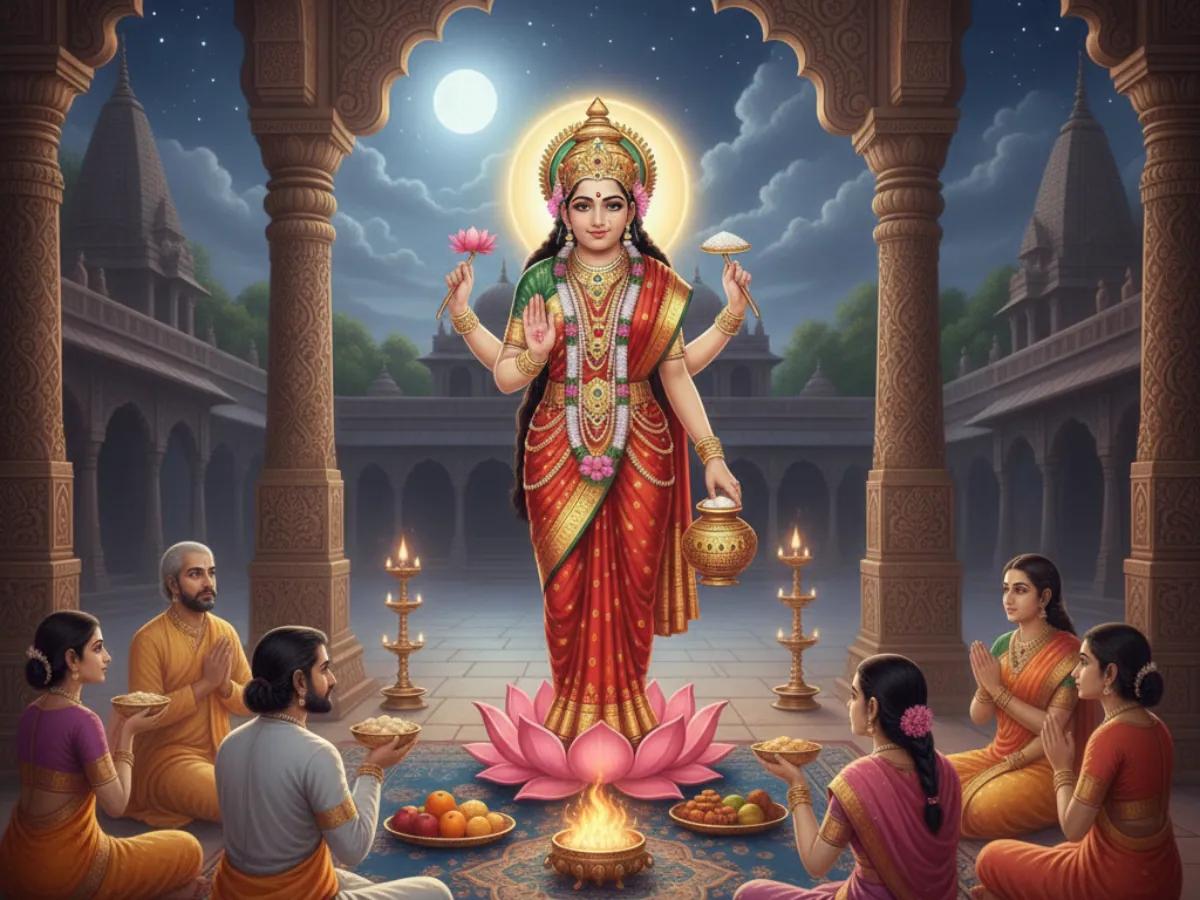
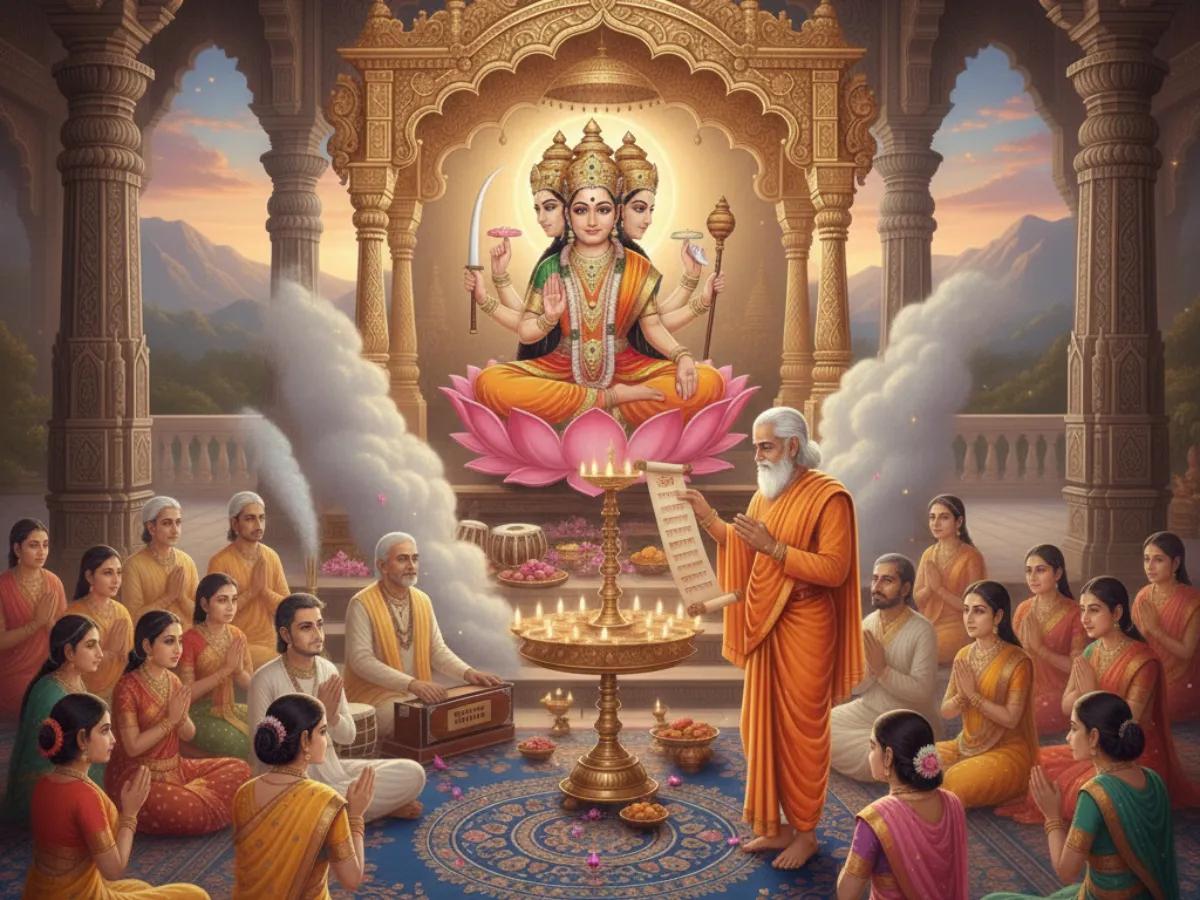
Gayatri isn’t just a sound pattern she’s a goddess. A mother form radiant, compassionate, and fiercely protective. When you chant her name or her mantra, you’re calling upon Maa Gayatri, often depicted with five faces symbolizing the five elements, and riding a swan through an endless sky of wisdom.
And as tradition goes, though the mantra is addressed to Savita, the Sun deity, it’s truly calling the Divine Consciousness that shines behind every source of light the awareness that wakes both the world and your inner self.
Why People Chant It
Most people begin their spiritual life here with this simple verse. There’s a reason for that. When chanted with mindfulness, the Gayatri Mantra clears heaviness and confusion from the mind, opens intuition, and deepens focus.
Some say that repeating it seven times keeps negativity away. Others swear they feel calm and clear after even a few rounds. Maybe it’s energy, maybe it’s memorybut something always shifts.
Ancient rishis considered this mantra alive so much so that they described each syllable as a goddess in herself, each one a frequency of the heavens. Chanting it isn’t about perfection it’s about surrender. About letting sound polish your silence.
How to Chant
- Early morning (around sunrise) is best when the air still carries that blank, golden stillness.
- Sit facing east if you can.
- Take a few deep breaths, soften the eyes, and quietly begin. The rhythm isn’t forced it follows the breath, like waves.
- You can chant aloud, whisper, or simply repeat it inwardly. It all works the mantra listens.
Many use a Tulsi or Rudraksha mala, 108 beads. But truthfully? Even one intentional repetition can shift a day.
The Real Benefits Beyond the Obvious
Sure, it’s said to improve intelligence and memory maybe even strengthen energy or “aura.” But more beautifully, it clears the clutter between you and your higher self. You start seeing right choices more easily. You start speaking kinder words. Over time, it doesn’t just brighten your mind it shapes your life into prayer.
No wonder saints said chanting Gayatri is like watering the roots of all virtues.
A Deeper Truth
When you think about it, the mantra is a circle. The sound begins in Om the seed of everything expands through the three worlds (Bhur, Bhuvah, Swah), opens into invocation and light, then settles back into awareness. You’re not asking for anything. You’re simply remembering who you truly are.
Why It Matters So Much
Because in a world that moves too fast, full of noise and half truths, Gayatri returns you to the basics the breath, the light, the origin. Every culture has some version of prayer for clarity. For Hindus, this one is the spine.
Chant it when you wake, before you eat, or when you can’t seem to find your footing even softly under your breath on the way to work. It’s not ceremony; it’s connection.
They say if you chant the Gayatri sincerely, the goddess herself becomes your inner guide turning confusion into wisdom, worldly experience into understanding, and the ordinary moments of your day into steps toward the divine.
Because when you let her syllables echo in your heart long enough, you don’t just speak the mantra anymore. You live it.
Recommended Mantras:
Brihaspati Grah Mantra , Rudra Mantra , Krishna Mantras
Explore the sacred Gayatri Mantra at Tirth.com and uplift your spiritual vibration.