Makar Sankranti Festival: Importance, Customs, Dates & Importance
Makar Sankranti is one of the oldest Hindu festivals with great importance. It is celebrated on the sun’s transition to Makara Rashi, or Capricorn. Most Hindu festivals celebrate based on the lunar calendar, creating further importance. The festival symbolizes new beginnings, gratitude, inner awakening, and moving from darkness to light.
Similarly to all of the major Hindu festivals, such as Diwali, Holi, and Maha Shivaratri, Makar Sankranti has great importance, as well as cultural and seasonal significance. The festival has a lot to do with charity, a simple living, and tirth snan, or holy bathing.
This post aims to give a full and complete analysis of Makar Sankranti’s date, customs, rituals, importance, and devotional practices.
Makar Sankranti Overview
Type of Festival: Based on the Moon
Date: As per the Gregorian Calendar- January 14
Deity: Surya Dev
Main Activities: Charity, Surya Puja, and Holy Bath
Message: Gratitude, Renewal, and Light
Makar Sankranti: Dates and Importance
Makar Sankranti is celebrated on January 14, (sometimes on January 15). The date marks the beginning of the sun’s northward journey, or Uttarayan. This is very auspicious in the Hindu tradition.
On a spiritual level, Uttarayan signifies:
- The spiritual journey towards higher awareness
- The rise in warmth, growth, and positivity
- The start of increasing light and warmth
The festival’s significance relating to sunlight makes it very important for practicing Surya Upasana (Sun worship) and seasonal change.
Makar Sankranti’s Spiritual Significance
Makar Sankranti signifies change in both the natural world and in human consciousness. Spiritually the festival signifies:
- The journey from darkness to light and from ignorance to knowledge
- The shift from disorder to control and the embrace of order and discipline
- The gratitude for life, the harvest and nature
Makar Sankranti, in the same way Ekadashi invites the control of the senses and Maha Shivaratri inspires inner quiet, invites the devotees to get their lives to a condition of balance, order, and gratitude.
Makar Sankranti’s Rituals & Sacred Practices
1. Tirth Snan (Holy Bath)
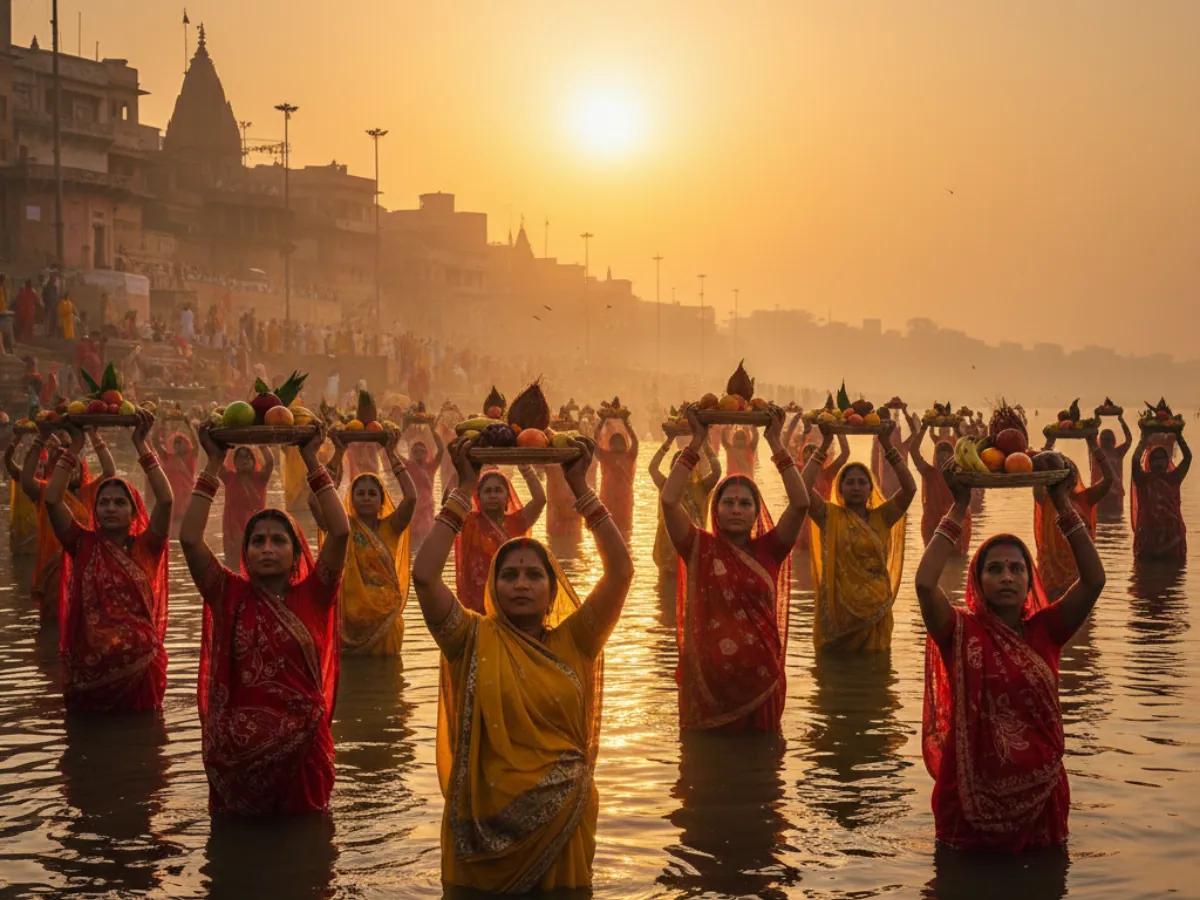
A very important observance is the ritual bathing in the rivers, seas, or other holy bodies of water. It is believed that the Holy Bath purifies the body and mind and makes the person free of unwanted impurities. Many thousands of devotees gather in the pilgrimage places to perform snan at dawn.
2. Surya Puja (Worship of the Sun)
On this day, devotees perform Arghya offering (a water ritual) to the rising Sun and chant mantras. Worshipping Surya Dev is believed to bestow health, clarity, and vitality.
3. Charity & Daan
It is highly virtuous to donate food, grains, clothing, til (sesame seeds), and gur (jaggery). On this day, acts of charity are believed to provide multiples of the spiritual value of the donations, as do donations ascribed to the spirituality of the days of fasting and the donating of the foods during the Diwali festival.
Traditional Foods & Symbolism
Food consumed during Makar Sankranti is highly symbolic.
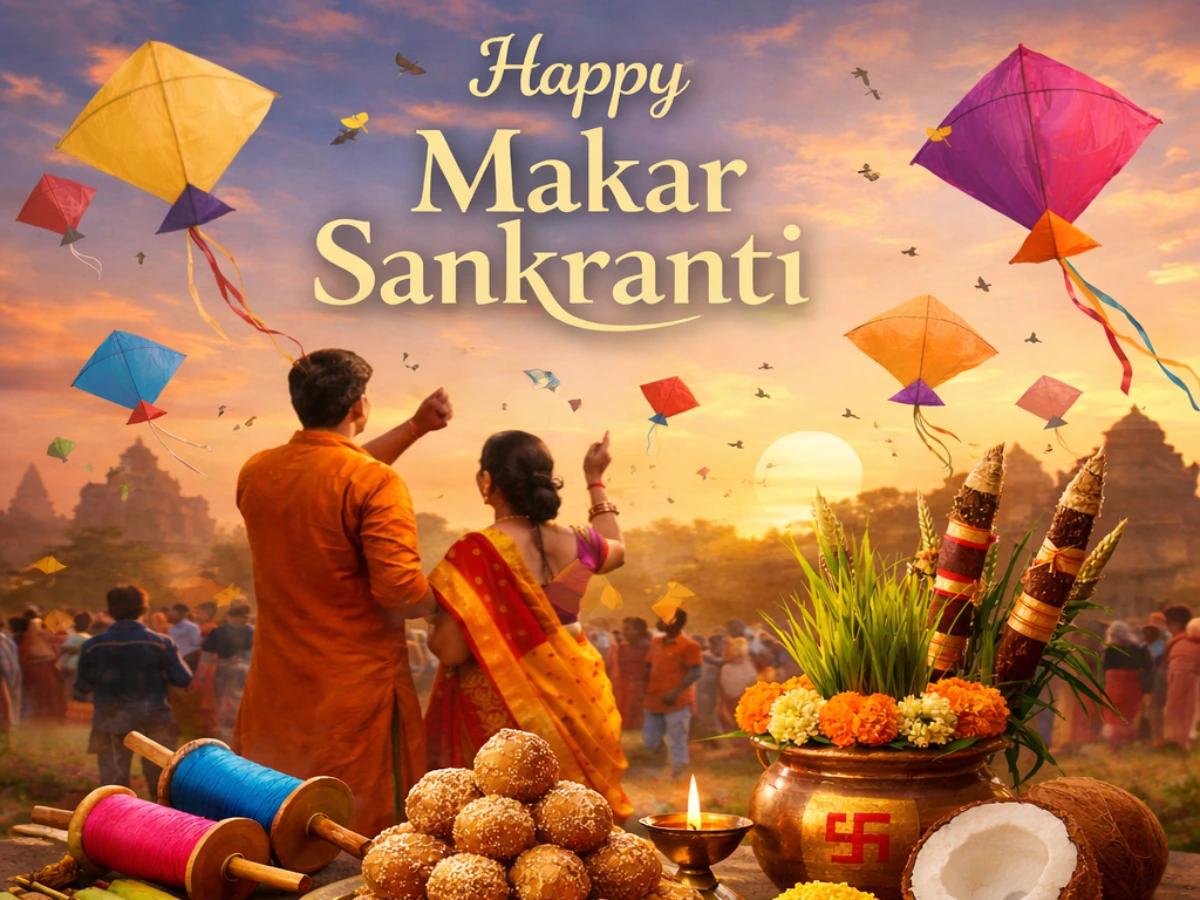
- Til and jaggery are symbolic of warmth, togetherness, and sweet relations.
- The seasonal grains are symbolic of the gratitude for the harvest.
- The food shared is symbolic of the unity of the community, which is the same as the value of togetherness found in the food shared during the festival of Holi.
Regional Celebrations Across India
Numerous forms are found Makar Sankranti’s celebration, including:
- Uttarayan in Gujarat, where kite flying is the central focus.
- Lohri in Punjab, which celebrates with a bonfire and some traditional folk singing.
- In Tamil Nadu, Pongal is a harvest celebration.
- In Assam, the Magh Bihu festival celebrates the harvest.
Despite the vast differences, all these celebrations are centered around renewal, grace and upliftment.
Makar Sankranti & Devotional Reflection
The celebration of Makar Sankranti promotes:
- Living a more simple and organized life.
- Living with a greater respect for the earth.
- Living with a greater and more conscious focus on starting new goals.
Similar to busy periods of other celebrations, this festival is considered to be an important time to start new goals.
Observing Makar Sankranti
As each Sankranti comes and goes, we are reminded of the importance of moving on in life, and encouraged to do so with positive thinking, and an attitude of grace and appreciation. To capture the true spirit of the day you can start with a a spiritual dip, an offering to the Sun, and then be on your way to the local temple, or a sacred site.
Welcome Uttarayan with Gratitude and Devotion
Makar Sankranti is more than a seasonal transition; it is an inner shift toward light, awareness, and gratitude. When the day is observed with simplicity, charity, and reverence for nature, the festival becomes a meaningful spiritual pause.
At Tirth, the intention is to help devotees stay connected to Sanatan traditions in a grounded and peaceful way. From understanding auspicious dates to approaching rituals with clarity and devotion, Tirth supports your journey toward mindful celebration and inner renewal.
May this Makar Sankranti bring warmth to your heart, balance to your life, and clarity to your path.
May Surya Dev guide your journey toward light.