On this page9 sections
- Why does Bhagwan Vishnu go to Kailasa?
- How does the vow of a thousand lotuses begin?
- What happens when one lotus goes missing?
- What does Bhagwan Shiva give him in return?
- Is the story tied to Vaikuntha Chaturdashi in the Purana itself?
- What are tulsi and bel doing together on this night?
- Night or dawn: when is the day kept?
- Frequently asked questions
- Continue on Tirth
- Sources and review
At Kailasa, Bhagwan Vishnu, Deity page on Tirth is offering lotuses to Bhagwan Shiva, one for each of the thousand names, and near the end he finds that one is missing and that he has no other to put in its place.
His answer is his own eye. That is the whole Vaikuntha Chaturdashi story, if a minute is all you have.
The Shiva Purana is where it comes from. How it came to be tied to this night is a separate matter, and the Purana does not settle it.
Vaikuntha Chaturdashi in 2026: Monday, 23 November. Chaturdashi tithi: 2:36 AM to 11:41 PM. Kartika Purnima follows on Tuesday, 24 November.
Chaturdashi ends at 11:41 PM, so observance differs. Devotees of Bhagwan Vishnu keep the night puja, called Nishita. Devotees of Bhagwan Shiva prefer the dawn, called Arunodaya.
Checked on 13 Nov 2026. Timings for your city in the Tirth Spiritual Calendar
In short
His answer is his own eye. That is the whole Vaikuntha Chaturdashi story, if a minute is all you have. The Shiva Purana is where it comes from. How it came to be tied to this night is a separate matter, and the Purana does not settle it.
Why does Bhagwan Vishnu go to Kailasa?
Start with the text itself. The Shiva Purana tells it in the Kotirudra Samhita, chapter 34, the chapter about Bhagwan Vishnu acquiring the Sudarshana.
The Kotirudra Samhita is the fourth section of the Shiva Purana. In the English translation this chapter is titled “Acquisition of Sudarsana by Vishnu,” and the chapter after it is the Shiva-sahasranama, the thousand names of Bhagwan Shiva.
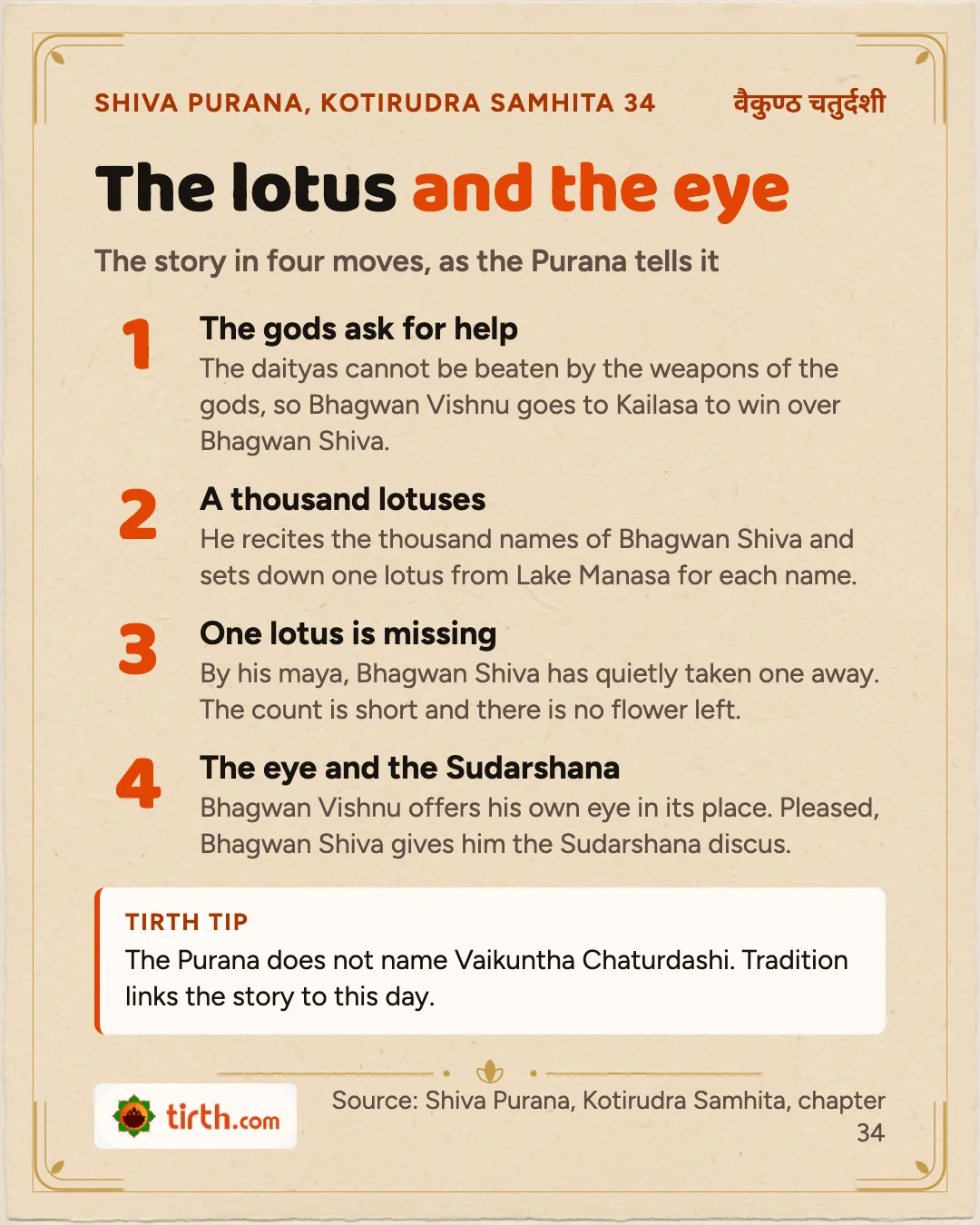
The daityas have become powerful and are troubling the worlds and the rites. The weapons of the gods cannot defeat them, so the gods turn to Bhagwan Vishnu.
Fighting is not his first move. Before anything else, he says, he will win over Bhagwan Shiva, and then he will act. With the weapons of the gods already failing against the daityas, the plan is to ask Shiva first.
How does the vow of a thousand lotuses begin?
The chapter takes him to Kailasa. There he digs a pit, lights a fire, and worships Bhagwan Shiva, Deity page on Tirth with the mantras and hymns for an earthen image of the god. Bhagwan Shiva gives no answer at first. So the scene begins with a pit, a fire, mantras for an earthen image, and no reply yet.
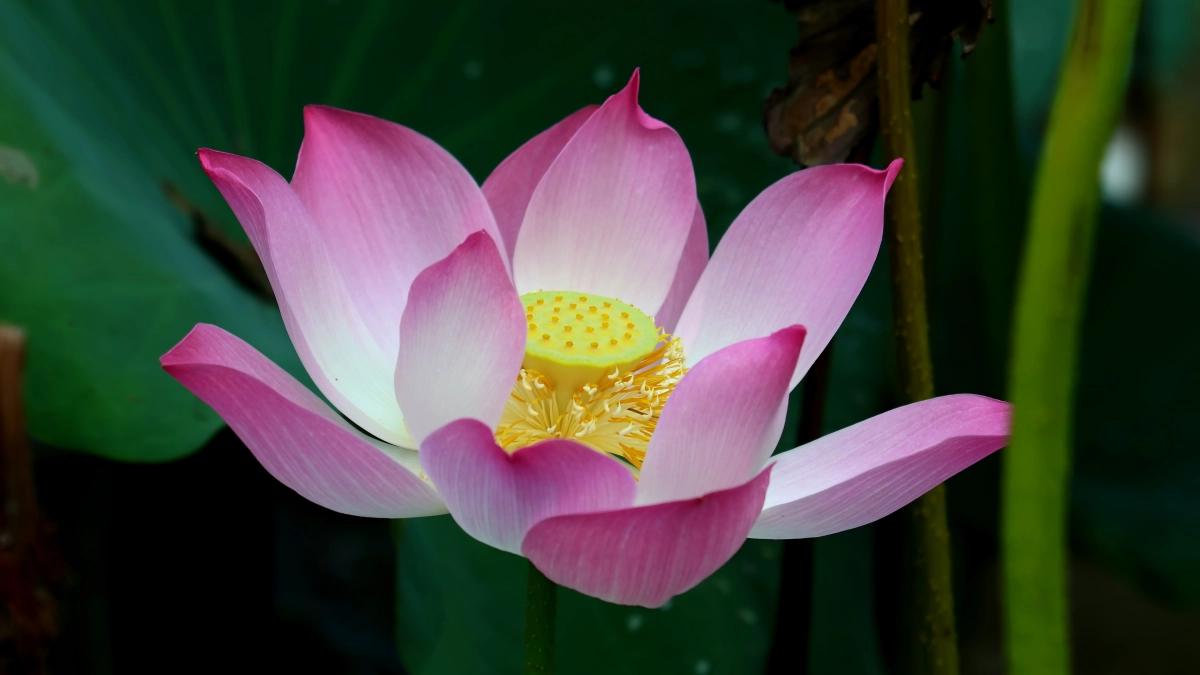
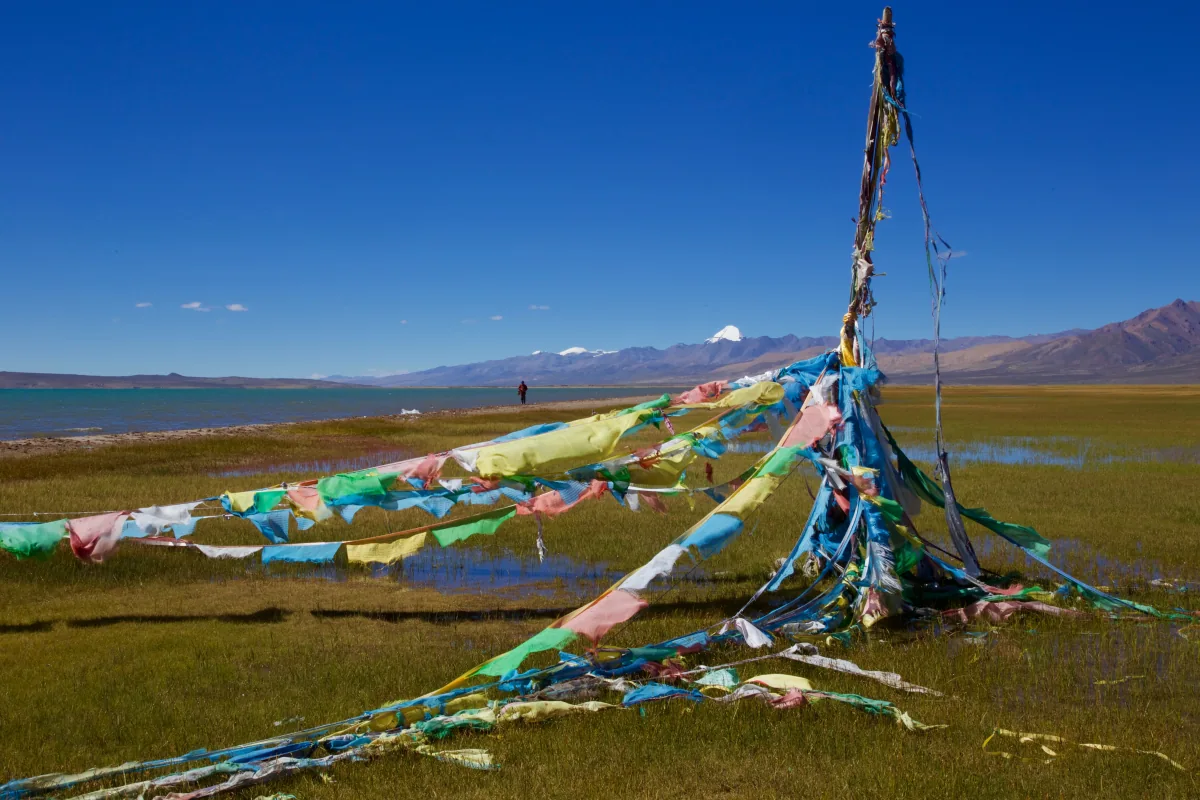
The fire burns on, and Bhagwan Vishnu does too. He recites the thousand names of Bhagwan Shiva, each and every one, and for every name he sets down a lotus brought from Lake Manasa.
Other tellings count differently, and one gives 1008 lotuses, but this chapter says a thousand.
What happens when one lotus goes missing?
Then comes the turn. By his maya, Bhagwan Shiva has secretly taken away one lotus, as a test.
Bhagwan Vishnu finds one lotus missing, and he cannot find another to put in its place.
In the chapter he offers one of his own eyes in its place, and a popular retelling compares that eye to a lotus.
What does Bhagwan Shiva give him in return?
Bhagwan Shiva is pleased by this, and he appears and offers a boon. Bhagwan Vishnu asks for help against the daityas. The reply is the discus Sudarshana, and with it Bhagwan Vishnu destroys them while the gods rejoice. The weapons of the gods could not defeat the daityas, and this gift is what he carries into the fight. With the discus in his hand the daityas fall, and the gods rejoice.
The thousand names themselves, the Shiva-sahasranama, are the chapter that follows.
Is the story tied to Vaikuntha Chaturdashi in the Purana itself?
The Purana does not say it. Chapter 34 is set at Kailasa, and none of the words Kashi, Vaikuntha, Kartika or Chaturdashi appear in it. The only place it names is Kailasa, and the story begins and ends there, with the gods rejoicing once the daityas are destroyed.
Tradition makes the link. It calls Kartika Shukla Chaturdashi the day of the union of Hari and Hara (Bhagwan Vishnu and Bhagwan Shiva). In the Kashi retelling the scene is Varanasi.
Popular accounts repeat the link without naming a chapter, so this post treats it as tradition. The Purana holds the story. Tradition holds the day.
What are tulsi and bel doing together on this night?
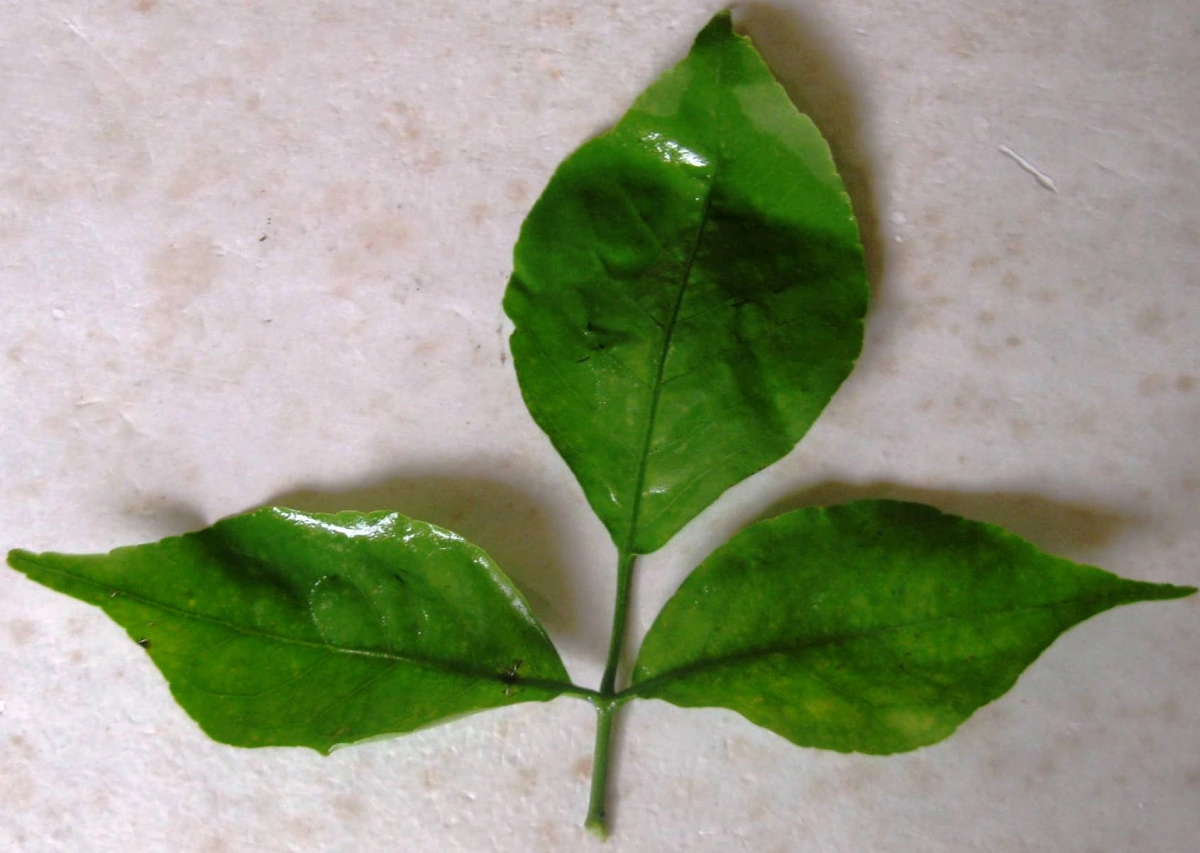
Tulsi and bel leaves are normally not offered to each other’s god. People say that on this day the two are exchanged, and take it as Hari and Hara coming together in one small act. Accounts of this exchange differ on who offers what to whom, so this post does not give a direction.
In Varanasi, Destination on Tirth, it is said, Bhagwan Vishnu receives special honour on this day at the Kashi Vishwanath temple, and the history of the temple is worth reading for the place behind the story. Ujjain has its own version: people there say a procession goes to the Mahakaleshwar temple, Temple page on Tirth. Read both as what devotees say. Neither is told in chapter 34, so if you plan a visit to Varanasi or Ujjain around either one, check with the temple first, because these are things devotees say and not a fixed schedule.
Night or dawn: when is the day kept?
Vaikuntha Chaturdashi is Kartika Shukla Chaturdashi, the Chaturdashi of the bright fortnight of Kartika. It runs from 2:36 AM to 11:41 PM on 23 November, and Purnima begins at 11:41 PM. Kartika Purnima, on Tuesday 24 November, follows straight after. The Tirth Spiritual Calendar gives Monday, 23 November for Chaturdashi in 2026.
Observance splits two ways. Devotees of Bhagwan Vishnu keep the Nishita puja at night, and devotees of Bhagwan Shiva prefer Arunodaya, the dawn. Chaturdashi ends at 11:41 PM, so observance differs. Check the Tirth Spiritual Calendar for your city.
Frequently asked questions
In the Shiva Purana, Bhagwan Vishnu worships Bhagwan Shiva with lotuses, one for each of the thousand names. When the count falls one short he gives his own eye in its place, and Bhagwan Shiva, pleased, gives him the Sudarshana discus.
By his maya, Bhagwan Shiva secretly takes away one lotus, as a test in the Shiva Purana. Bhagwan Vishnu finds the count short and has no other flower to hand, so one of his own eyes goes in its place.
It came from Bhagwan Shiva, according to the Kotirudra Samhita, chapter 34. The daityas were beyond the weapons of the gods, and Bhagwan Vishnu had asked for help against them.
Yes, in chapter 34 of the Kotirudra Samhita. Kashi, Kartika and Chaturdashi never come up there, so the tie to this day is one people make. The chapter itself does not state it.
Tradition calls it the day of the union of Hari and Hara (Bhagwan Vishnu and Bhagwan Shiva). People also say tulsi and bel leaves are exchanged on this day.
Continue on Tirth
- The Tirth Spiritual Calendar, Spiritual Calendar on Tirth for the date of Chaturdashi in your city.
- Stories of the month of Kartika.
- The twelve Jyotirlingas, across India.
- Temples on Tirth, Temple page on Tirth, to plan a visit to Varanasi or Ujjain.
- Book a puja, Pujas on Tirth for Bhagwan Shiva or Bhagwan Vishnu.