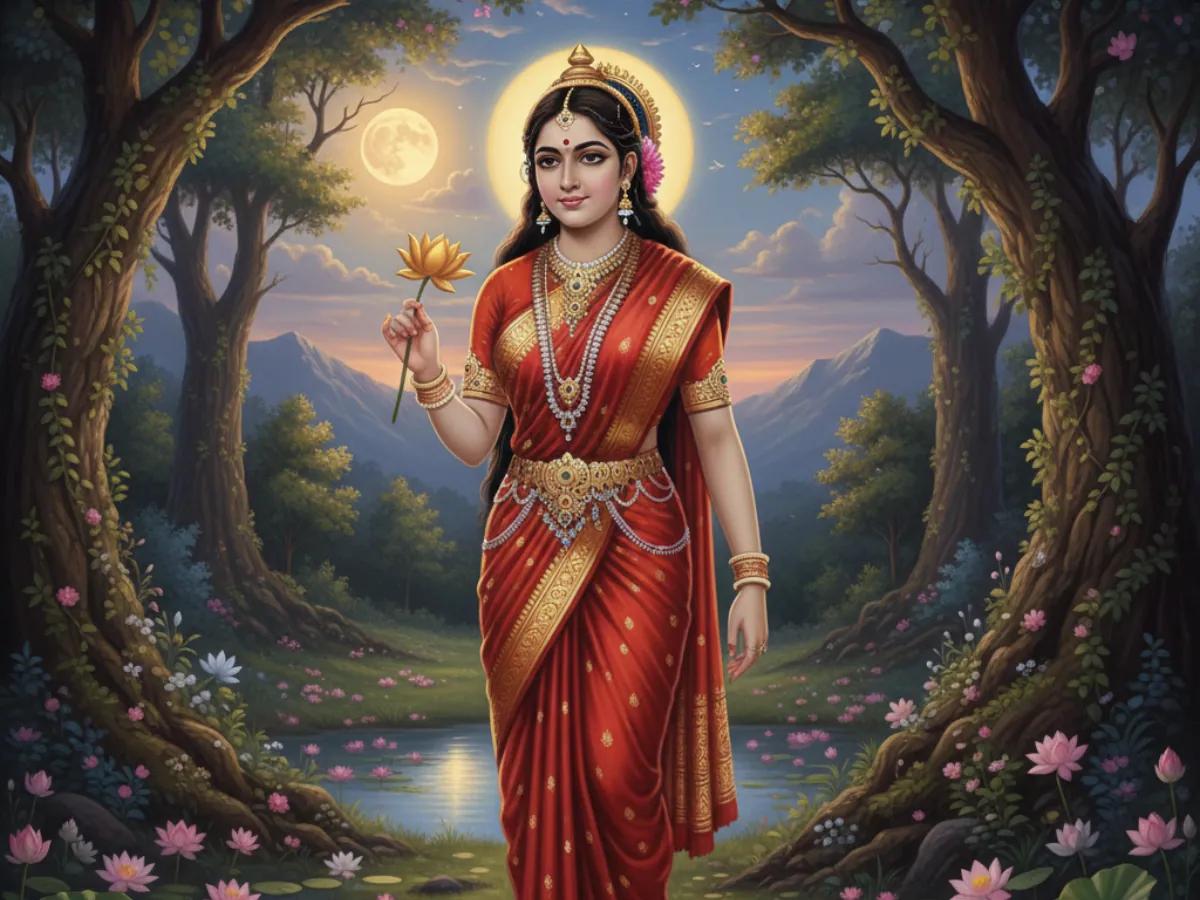
There’s a certain calm when you say her name Sita. It’s not just sound; it’s warmth, something like a gentle reminder that love and courage can live in the same heart.
The Sita Mantras are ancient vibrations of that same grace prayers to Mata Sita, who embodies devotion, balance, and quiet strength. Chanting them isn’t really a ritual; it’s more like remembering a truth you already carry the one about harmony, compassion, and resilience in the middle of all life’s noise.
For Healing -The Asadhya Rog Nashak Mantra
Shree Ram Sanidhyavasham Jagadanandadayini. Utpatti Sthiti Sanharkarini Sarvadehinam.
They say this mantra guards against stubborn, incurable diseases both of body and of spirit. Because some illnesses come from deep inside, you know? From worry, from grief, from forgetting your center. This one helps you remember.
For Ending Sorrows- The Dukh Nashak Mantra
Udbhav Sthiti Sanharkarini Harinim. Sarvashreyaskarin Sitaam Nato’ham Ramaballabham.
Every time you say it, it’s like surrendering your pain gently into her hands. It’s believed to dissolve sorrow, little by little. Maybe that’s what healing really means not instant magic, but slow, steady light through cracks.
The Sita Gayatri Mantra
Om Janakaya Vidmahe Ram Priyaya Dhimahi, Tanno Sita Prachodayat.
In simple words “I meditate upon Sita, daughter of King Janak, beloved of Lord Ram. May that divine energy guide and inspire me.”
It’s short, elegant, and powerful. A prayer for clarity, courage, and gentleness all at once.
For Peace and Joy-Sukh Shanti Ke Liye
Shree Janaki Ramabhyaam Namah, Jai Shree Sita Ram, Shree Sitaay Namah.
This one’s for when the house feels heavy or hearts feel tired. You chant it for peace not just outer peace, but that quiet inner steadiness that makes you breathe easier again.
For Protection from Negative Energies
Naam Paharu Divas Nisi Dhyan Tumhar Kapaat. Lochan Nij Pad Jantrit Jahi Pran Kehin Baat.
It’s said that reflecting on Sita’s name creates a kind of invisible shield courage wrapped in calm. It’s not superstition, more like a spiritual muscle. You feel stronger, steady, less afraid of things you can’t quite name.
The Story Behind the Grace
Mata Sita most of us grew up hearing her name alongside Lord Ram’s. But she’s more than his companion; she’s a force of her own. An incarnation of Goddess Lakshmi, she’s the essence of purity, power, and compassion.
Born to King Janak of Mithila, she’s often called Janaki, sometimes Maithili, sometimes simply mother. And yet, her story isn’t of comfort it’s one of endurance, of faith in love and righteousness through exile, trials, and silence.
Even today, when people pray to Lord Ram, they almost always whisper Sita Ram, not just Ram. Because she’s the heart that makes him whole.
Chanting her mantra, people say, brings peace to homes and hearts alike softening anger, easing hardship, and inviting harmony where chaos once lived.
The Deeper Meaning
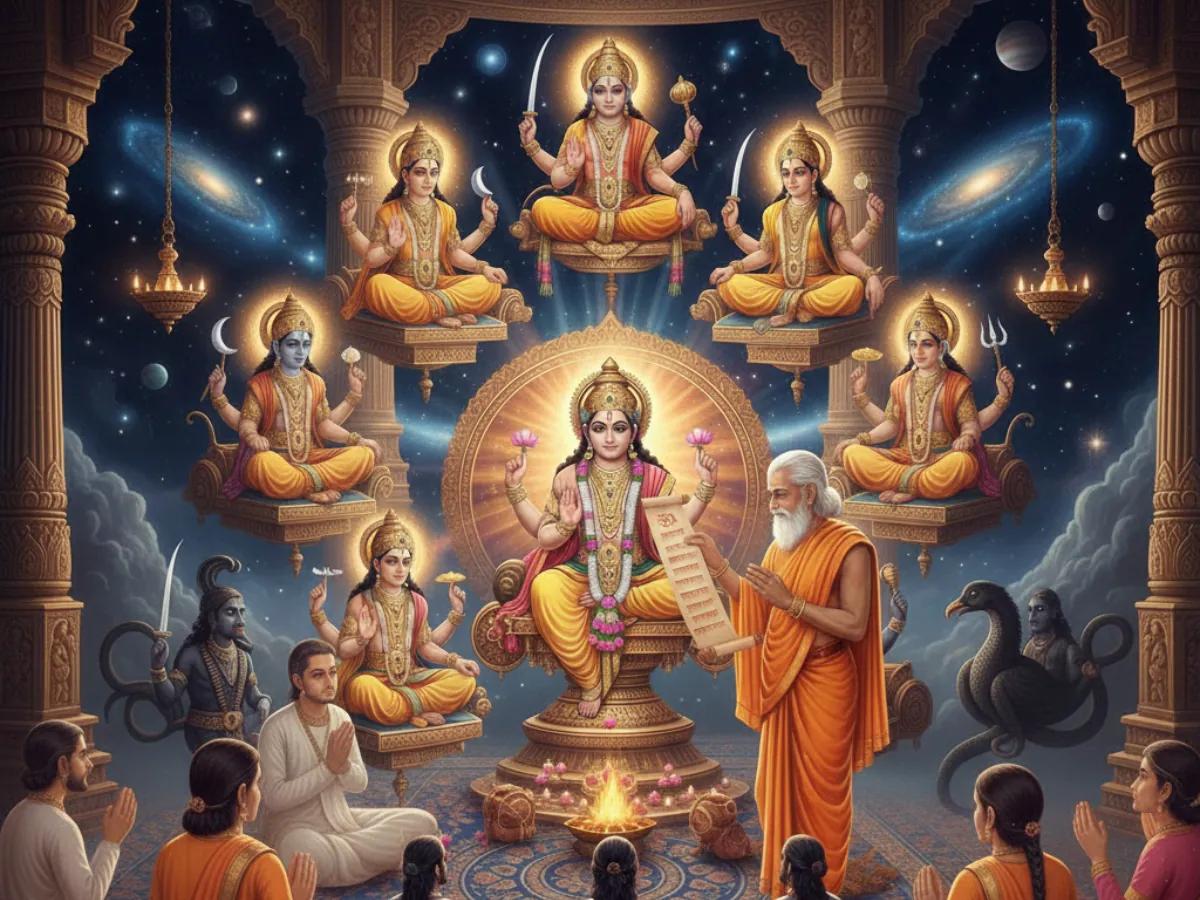
In the Ramayana, Ram represents the soul, the eternal light of truth. Sita is the Shakti, the divine energy that moves and sustains life. She dwells, they say, in the Muladhara chakra, the root the base of all human strength and stability.
When you chant her name Sita Ram, Sita Ram something subtle stirs. The life force (prana) begins to flow smoothly, the mind quiets, and even your nervous system finds a strange rhythm again.
It’s not just a mantra it’s medicine. Sound therapy from the ancient world.
How to Chant the Sita Mantra
There’s no rush. Start slow, with sincerity. But here’s the traditional way:
- Take a bath, wear something clean it helps clear the mind too.
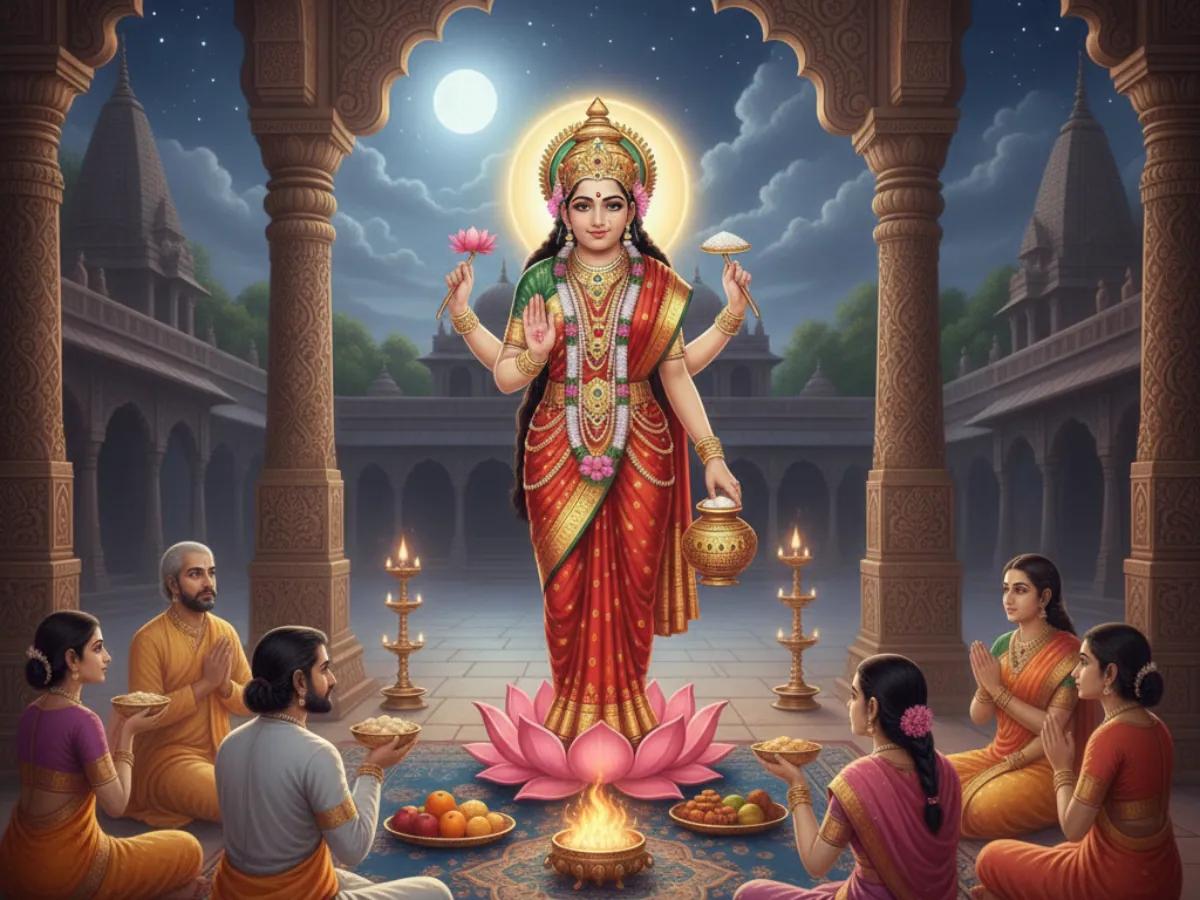
- Place a picture or idol of Mata Sita where you usually pray.
- Sit on a kusha grass mat, facing east or north.
- Offer flowers, rice, sweets simple things, offered with love.
- Close your eyes. Breathe a few times. Feel stillness settle.
- Chant slowly: “Sita Ram, Sita Ram, Sita Ram” let it roll naturally, like the sea’s soft rhythm.
You don’t need to count. Just stop when your heart says enough.
What Changes When You Chant
- Love feels easier first for yourself, then for others.
- Relationships soften.
- Obstacles untangle a little faster.
- A sense of abundance shows up in health, peace, maybe even finances.
- Confidence grows quietly.
And through it all, you start noticing something subtle: your thoughts gentler, your tongue kinder, your patience slightly longer than before.
A Few Simple Things to Remember
- Pronunciation matters not perfection, but clarity.
- Always start with cleanliness of body and mind.
- Skip heavy, tamasic food when you’re in your practice phase.
- Maintain Brahmacharya mental and physical restraint, to preserve your energy.
Because this isn’t just repetition it’s connection.
At its core, the Sita Mantra isn’t about devotion from a distance. It’s about alignment remembering what divine balance really looks like: strength that’s soft, faith that’s flexible, love that stays steady even when the world shakes.
And maybe that’s why her name still lingers in every temple, every small-town chant, every quiet moment of faith always before Ram, always with grace.
Walk the path of grace and resilience with Maa Sita’s blessings. Explore authentic Sita Mantra and Ram Sita puja on Tirth.com.