Every August brings back the same memories, yet each one feels different. The smell of sweets warming in the kitchen. Ceiling fans battling the heat. Someone yelling from another room, asking where last year’s Rakhis were kept.
Raksha Bandhan always carries memories. But it also brings quiet questions. Not loud, disruptive ones gentle questions that live in the silence of a new day. What does this day really mean? Why do we observe it? Are we doing it right?
The Meaning of Raksha Bandhan
The Promise Behind the Thread
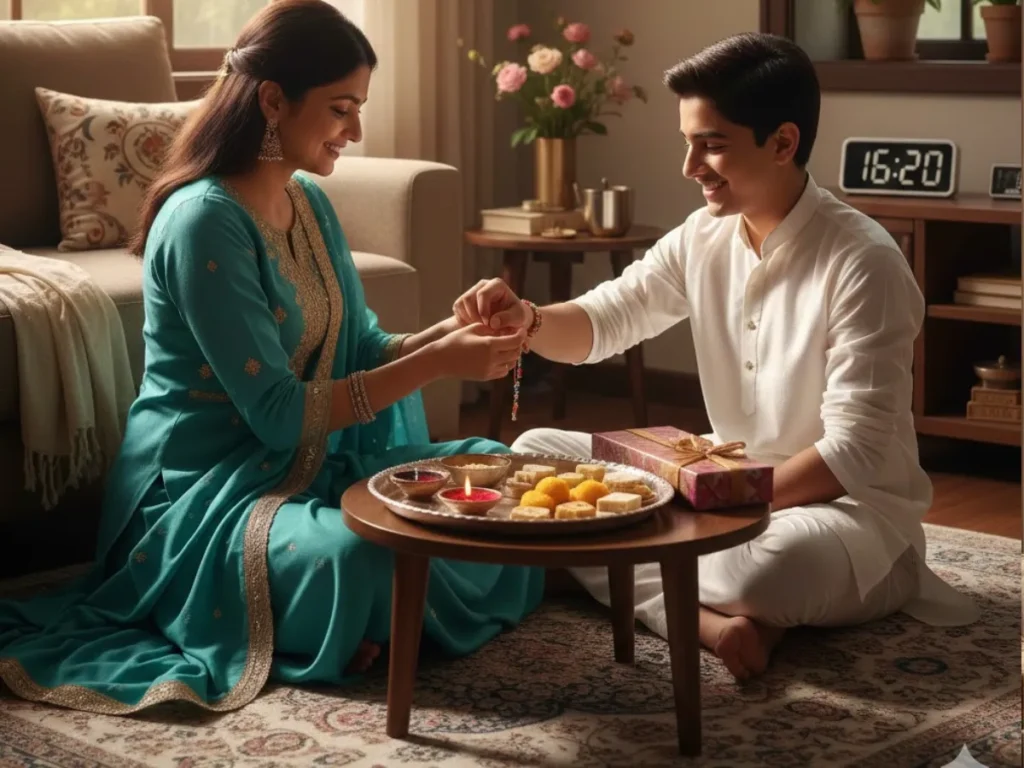
The thread itself has never been the most important part. Watching a sister struggle to tie the Rakhi while a brother pretends to hold back tears that’s a comedy all its own.
But the thread represents something softer and heavier. It carries all the different meanings a sister or brother can hold: caring, responsibility, promise. Not every promise gets written down, but every promise gets remembered.
Why do we still celebrate this promise of protection today? Because protecting someone means more than physical strength. It’s a commitment to show up emotionally and actively in their lives. Especially when things feel distant, uncomfortable, or awkward.
The promise is symbolic. The meaning is real.
Family Connections and Peace of Mind
Rituals and repetition bring comfort. The prayer thali set just so. The familiar stories. The old anecdotes everyone pretends not to care about. These comfortingly irritating repetitions are what center a family emotionally and mentally.
The day reminds everyone that relationships remain intact and are worth investing in. Jobs change. Cities change. People change. But the Rakhi reminds us that someone is always taking a moment to look out for us.
The Stories That Shaped Rakhi
Tales of Protection and Promise
Many stories of protection and promise shaped Rakhi before it reached our dining tables. These tales traveled through battlefields, royal courts, and sacred spaces.
- A King would honor a protective vow
- A Queen would symbolically tie a threaded bond
- A Saint would live by duty without declaring it
It’s impressive how stories create values for both communities and individuals. Loyalty. Trust. Commitment. These values began in royal palaces and made their way to common homes.
Living Cultural Memory
Ask an elder why a ritual is done a certain way, and the answer is often: “This is how we saw it growing up.”
That’s living cultural memory.
Raksha Bandhan lives on through generations not in books, but through how food is made, how people communicate, and what they do over and over every year.
Children may not fully appreciate what their parents do at first. But that appreciation comes later, especially when looking back at the simple times of childhood. That’s how traditions survive.
Rakhi as a Social Bond
Expanding Family
Rakhi creates a larger idea of family and siblinghood. Cousins become siblings. Friends become family. Community members become protectors in small, supportive ways.
This is the festival’s underlying strength. Rakhi doesn’t require you to fit a certain mold. It gives relationships room to develop naturally characterized by mutual trust, respect, and warmth.
Tradition Meets Modern Life
Life today is busy. Construction delays the metro. Business meetings overlap with family time. Flights get oversold.
But Raksha Bandhan has a way of working around all the problems. Rakhis bridge distances through delivery services. Video calls span time zones. Promises of eventual face to face visits keep hope alive.
The focus of the tradition remains unchanged. Families know that perfection is overrated. Intent matters more.
Celebrating Today
The Core Rituals
The customs remain mostly the same, though perhaps a bit repetitive:
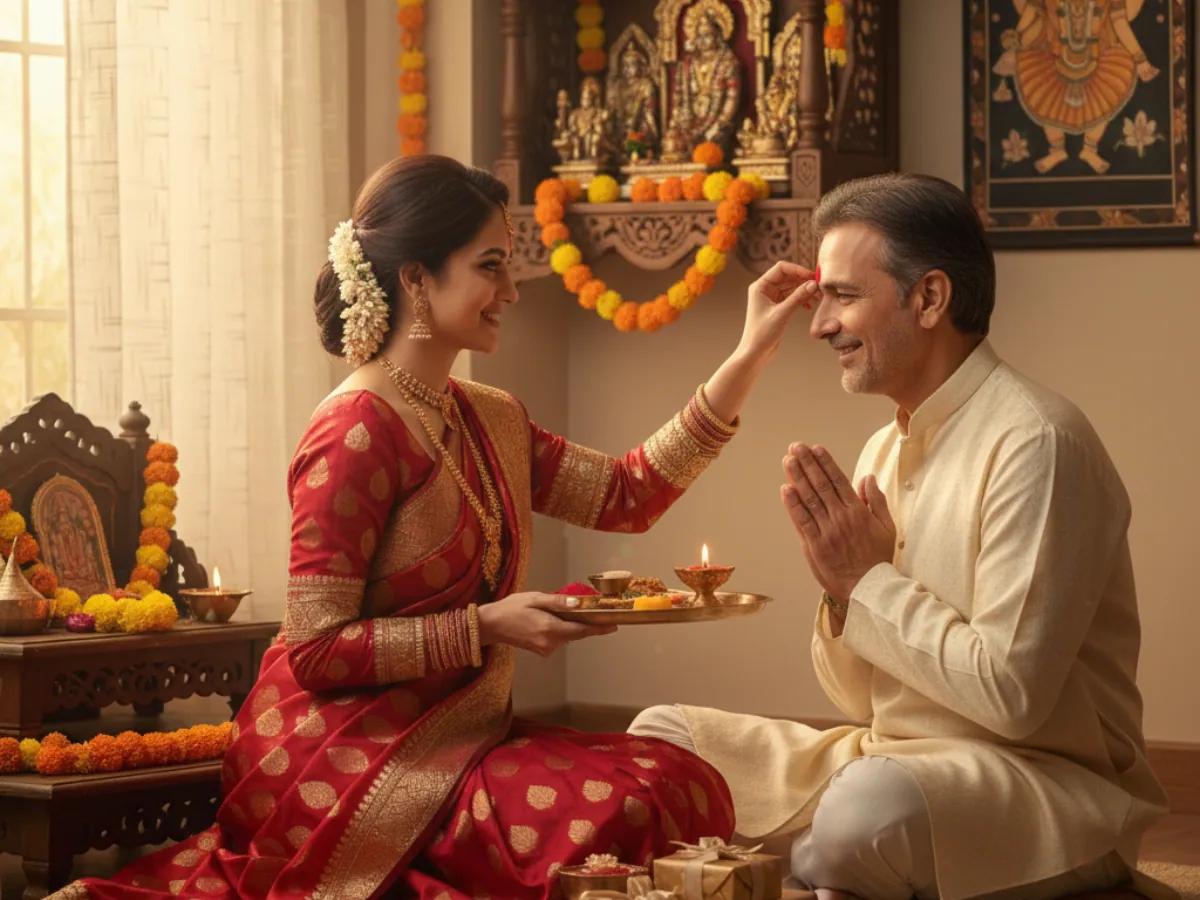
- Tying the Rakhi
- Applying the tilak
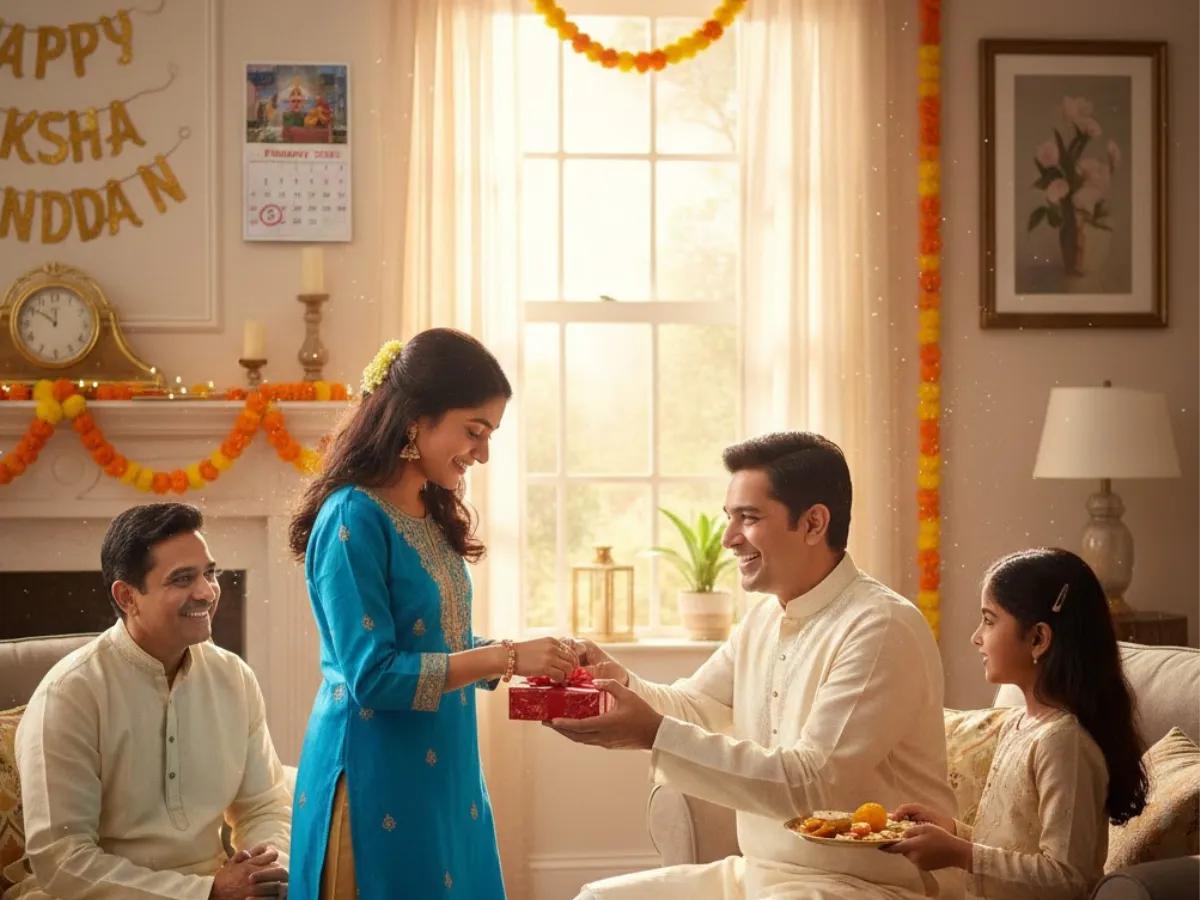
- Sharing sweets
- Exchanging blessings
These acts gain their value from the history they carry.
The act of tying the Rakhi forces everyone to pause for a moment. And that pause that moment is a gift.
Community Celebrations
Many communities and schools organize Raksha Bandhan events. Members of the community, even servicemen and women, receive Rakhis.
These celebrations build bonds beyond immediate family.
How Families Celebrate Now
It’s challenging to define how Raksha Bandhan is done these days. Some families keep old customs. Others blend new practices with traditional ones. In all cases, what makes celebrations meaningful is the intent.
Phone calls are made even when tired. Messages are sent despite inconvenient time zones. Gifts are chosen for meaning rather than cost.
Keeping Balance, Avoiding Pressure
Not trying to keep up with others brings peace. Nothing about Raksha Bandhan needs to be extravagant. What’s needed is trust and sincerity. This makes the day enjoyable rather than performative.
Celebrations are more meaningful when kept simple.
Common Worries
When Siblings Live Far Apart
Festivals feel different with physical distance. The absence of siblings can hit hard during celebrations and bring emotional stress.
But families find new ways to stay close: video calls, text messages, plans to visit.
Uncertainty About Traditions
People care about keeping traditions. Sometimes they care so much they worry about doing things wrong. This creates stress.
When you understand the purpose behind an action, anxiety disappears. Confidence replaces it.
Precision doesn’t matter. Meaning does.
Different Generations, Different Views
Different age groups see traditions differently. One side carries memories. The other carries change.
Dialogue closes the distance.
Listening does most of the work.
Practical Tips for Deeper Connection
These simple actions can deepen emotional bonds:
When selecting a Rakhi: Focus on meaning rather than decoration. Remember the past.
During the ritual: Make the moment quiet, even if just briefly. Distraction lessens the value.
Express gratitude: Thank the person to their face. Spoken words carry more weight than unspoken ones.
Building Lasting Relationships
Before the festival: Participate in the preparation. Trust builds through frequent contact.
Include children: Even young ones should take part. It’s how they learn respect.
Honor differences: Accepting and celebrating differences in a family strengthens bonds.
The Wisdom of Shared Experience
After countless years observing pilgrimages, festivals, and family journeys, one truth stands out:
Traditions endure when they’re allowed to be human.
Guidance should combine emotional and ritualistic elements. The greatest cultural clarity comes from lived experiences, not rigid guidelines.
Raksha Bandhan as an Emotional Anchor
During uncertain times, Raksha Bandhan serves as an emotional anchor for families. This ritual reminds siblings of their common origins and their interdependence. That reminder more than people consciously realize stabilizes hearts and minds.
An anchor doesn’t stop movement. It provides direction.
Why Rakhi Endures
The Unchanging Essence
Care, respect, and protection are timeless needs. Rakhi continues to meet these needs through simple threads and a moment of time.
The form is flexible. The function is permanent.
Building Bridges
When a community celebrates Raksha Bandhan together, a quiet, trusting bond grows. Individual acts of celebration weave together to create social harmony.
Celebrations teach in unconventional ways.
A Gentle Closing
Rakhi remains meaningful not through obligation, but through connection.
In recognizing the spirit of Rakhi, trust and warmth are revived. For those who wish to explore further the sacredness of traditions, the journey continues beyond the festival day itself.
The thread may be simple, but what it represents is profound: we show up for each other, year after year, through distance and change, because the bond matters more than the celebration.
And that’s worth pausing for.
For background information on the significance of Raksha Bandhan, refer to Tirth.com