Navratri 2026 : Meaning, Customs, Celebrations, Dates, and Muhurat
Navratri is one of the largest and most significant festivals in the Hindu calendar. It is dedicated to the worship of Goddess Durga and her nine divine forms. The nine nights signify the victory of good over evil, and the awakening of the divine mother’s energy (Shakti). Devotees across India observe fasts, perform daily puja, and engage in various activities.
Like most major Hindu festivals in India such as Durga Puja, Dussehra, and Diwali, Navratri is also a time of devotion and worship. The festival combines ritual worship and expression of culture. It demonstrates the close relationship and oneness of faith, customs, and community which is the essence of an Indian festival.
If you want to learn about Indian festivals and the intricate details of the spirituality involved,
Tirth-Indian Festivals & Traditions is a thoughtful guide to the sacred celebrations spanning the length and breadth of the country.
Navratri Date, Ghatasthapana Muhurat & Timings (This Year – 2026)
Below are the key details for Sharad Navratri 2026:
| Event | Details |
|---|---|
| Festival Name | Sharad Navratri |
| Year | 2026 |
| Start Date | Sunday, 11 October 2026 |
| End Date | Monday, 19 October 2026 |
| Vijayadashami (Dussehra) | Tuesday, 20 October 2026 |
| Hindu Month | Ashwin |
| Ghatasthapana Date | 11 October 2026 |
| Ghatasthapana Muhurat | Morning hours after sunrise |
| Navratri Duration | 9 Nights / 10 Days |
For accurate planning of rituals and auspicious timings, many devotees refer to
Tirth’s Hindu Calendar for festival updates.
What is the meaning of Navratri?
The Navratri festival has its origins in the Sanskrit language. The word ‘Nava’ means 9 in Sanskrit and ‘Ratri’ means ‘nights’.
Each of the nine nights is dedicated to a different form of Goddess Durga. The Navadurga represents different values such as the manifestation of Goddess Durga’s values of strength and wisdom, as well as, compassion, purity, and courage. The tenth day is considered Vijayadashami or Dussehra and it is a celebration of the victory of good over evil.
There are four Navratri festivals each year, but the most important and most celebrated of the four is Sharad Navratri and it is celebrated in the month of Ashwin, according to the Hindu calendar.
What is the Cultural and Spiritual Importance of Navratri?
The festival of Navratri is a time for celebration, but it is also time for self-growth. Navratri offers guests the opportunity to:
- Fast to practice self-restraint
- Take the time to reflect and focus on inner values and strength
- Extend a prayer, or take to meditation, to seek divine protection and guidance
Each of the nine days is meant to symbolize the spiritual journey we take to find and realize our inner strength and overcome the mental obstacles that block our higher consciousness. Many families observe Navratri alongside Tirth’s Puja & Ritual Guides as helpful resources to guide their rituals.
Navadurga
The nine forms of the Goddess Durga correlate to the nine days of the Navratri festival:
- Shailaputri – Goddess of strength and purity
- Brahmacharini – Represents devotion and penance
- Chandraghanta – Goddess of courage
- Kushmanda – Goddess of the universe
- Skandamata – Goddess of maternal love
- Katyayani – Warrior Goddess
- Kalaratri – Goddess of ignorance
- Mahagauri – Goddess of peace and purity
- Siddhidatri – Goddess of knowledge and completion
For each day of the festival, devotees wear the associated color, do the recitation, and perform their own rituals to harness the appropriate energy for the day.
Navratri Practices and their Significance
Ghatasthapana
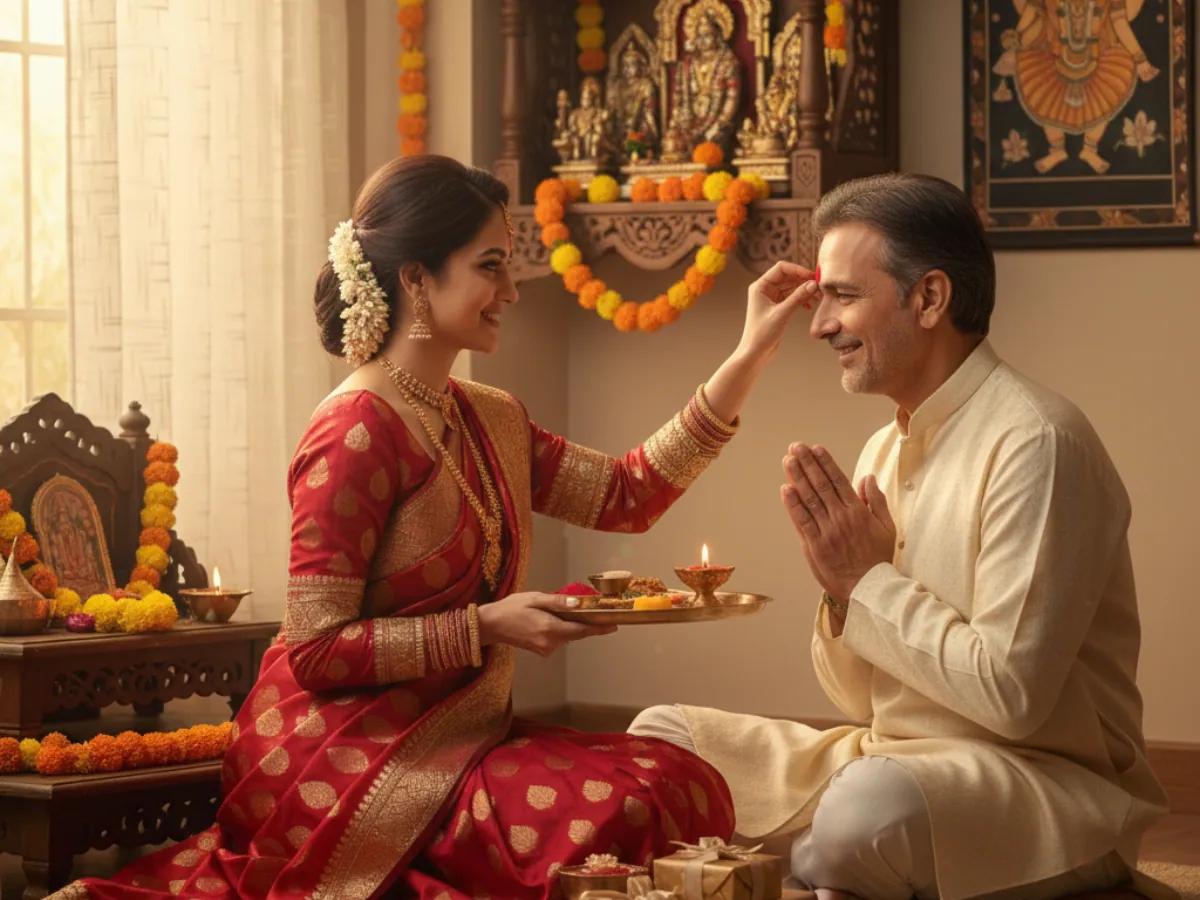
The first day of the festival involves this practice, which involves announcing the presence of Goddess Durga. A special pot symbolizing the divine energy of the Goddess is made by filling it with water, putting some mango leaves and a coconut on top, and then placing it in the home shrine.
Puja and Fasting
Typically, devotees do a fast and eat only satvic food, which may include fruits, milk and some special fasting preparation. The purpose of the fast is to purify focus and devotion.
Daily Bhajan and Aarti
Every day of the festival starts and ends with Aarti (the turning of God’s divine energy into the material) and devotional music at home, which greatly contributes to the spiritual heights of the family. The socio-spiritual importance of this practice is documented in the Tirth’s Festival Culture & Beliefs publication.
The Celebration of Navratri in Different Parts of India
The festival of Navratri is celebrated in various manners all over the country:
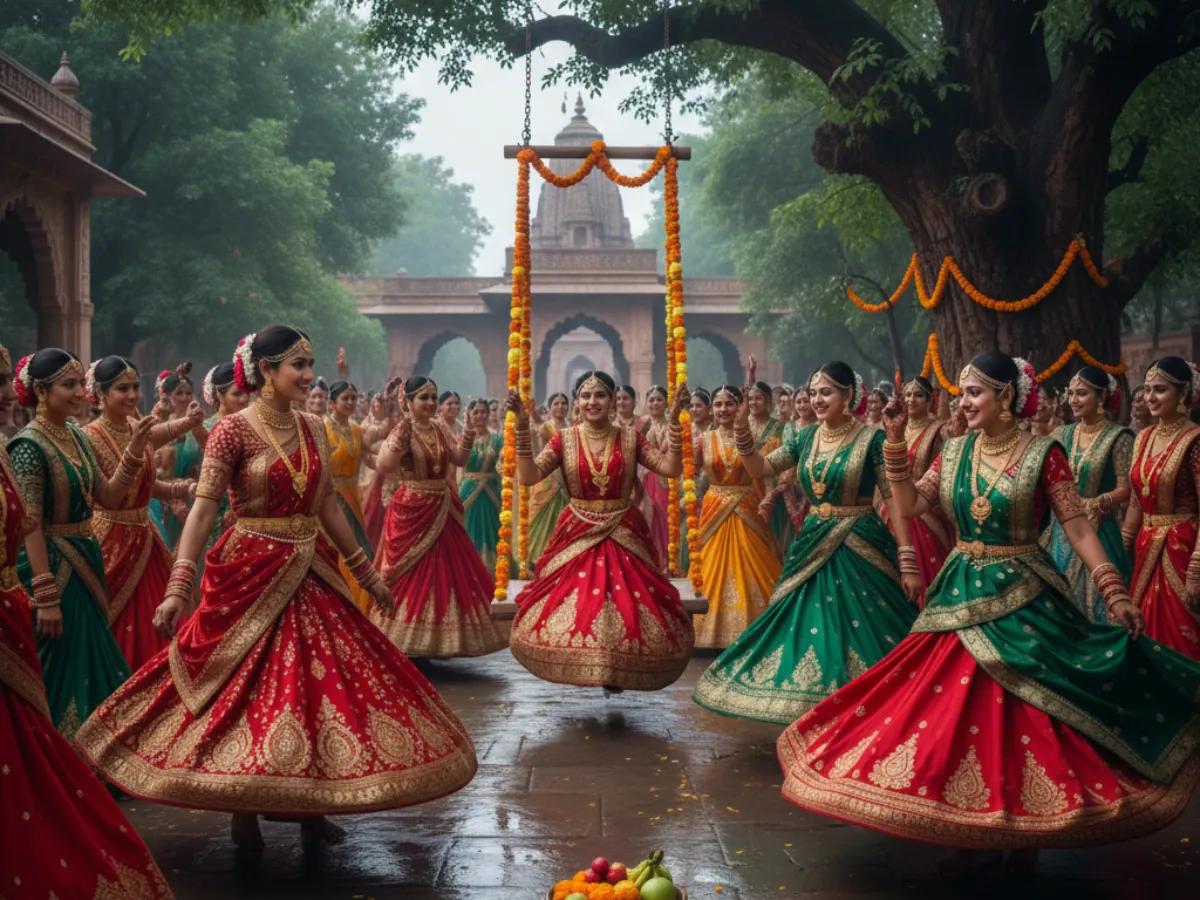
- Western India (Maharashtra & Gujarat): Celebration of Dandiya Raas & Garba
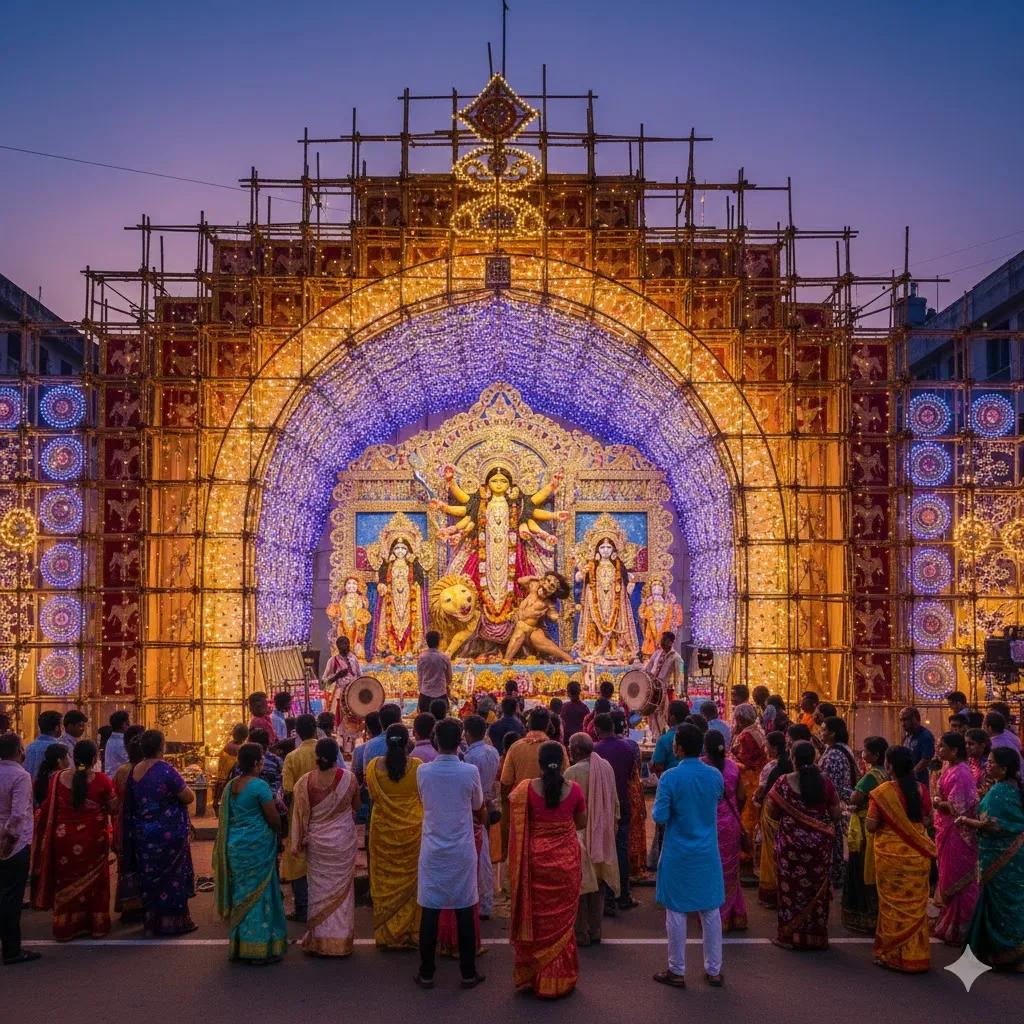
- Eastern India (West Bengal): Celebration of large pandal Durga Puja along with other cultural shows
- Northern India: Folk drama Ram Leela which ends with Dussehra
- Southern India: Golu, Saraswati Puja & Ayudha Puja
All these forms of celebration show the diversity in Indian culture, but all have the same religious spirit.
Navratri Celebration Rituals & Food
The way of fasting differs from person to person as many come from different social/cultural backgrounds & regions while remaining more or less similar in their religious belief &practice. Some fasting foods are:
- Sabudana khichdi
- Dishes made from flour of kuttu and singhare
- Some fruits and dairy
All these foods are made without onion, garlic, and any kind of grains as the focus is always centered around purity.
Relevance of Navratri Today
Celebrations today can follow traditions, or can leave the traditions behind completely. When a festival keeps its spirit, not just its traditions, the way it shifts its celebrations can be a delight to witness. What makes the Navratri spirit most alive today is how the festival keeps both the community and the individual celebrations alive. Examples are:
Community: Garba night, celebrations of the festival.
Individual: Online aarts and individual virtual satsangs, decorations of Navratri, and individual virtual decorations of the festival.
With the modern touches added to our Navratri celebrations, the essence of the festival can be kept untouched.
Celebrating Faith and Strength with Navratri
Navratri is the celebration of devotion, discipline, strength, and of course, the cosmic feminine. It brings out the spiritually in everyone through prayers, and for many, through fasts and dance. Combine that with a community gathering and it brings out the spirit of the festival and will draw closer to society and to inner self. Faith has a power that, if used in an honest way, brings the person renewed strength.
If you would like to learn more about the spiritual heritage of India, Tirth provides a peaceful and informative space to explore them at your own pace. If you enjoy reading about festivals, sacred calendars, and cultural traditions of India, then Tirth is perfect for you.
Navratri Frequently Asked Questions
1. Why is Navratri celebrated Why is Navratri celebrated
Navratri is celebrated to honor and pay tribute to Goddess Durga, and in doing so, it celebrates the triumph of good over evil.
2. How many Navratris are there in a year?
There are four Navratris in a year, and among the four, Sharad Navratri is the most popular.
3. Is fasting a must during Navratris?
Fasting is completely based on a person’s individual beliefs, so it is not an obligation.
4. What is Ghatasthapana?
Ghatasthapana is the first ritual of Navratri in which Goddess Durga is invoked and welcomed.
5. When is Navratri in the year 2026?
Navratri in 2026 will begin on 11th October and will end on 19th October, followed by Dussehra on 20th October.
6. What comes after Navratri?
The festival of Navratri ends with the celebration of Vijayadashami (Dussehra).