Maha Shivaratri Festival 2026: Date, Importance, Customs, & Fasting
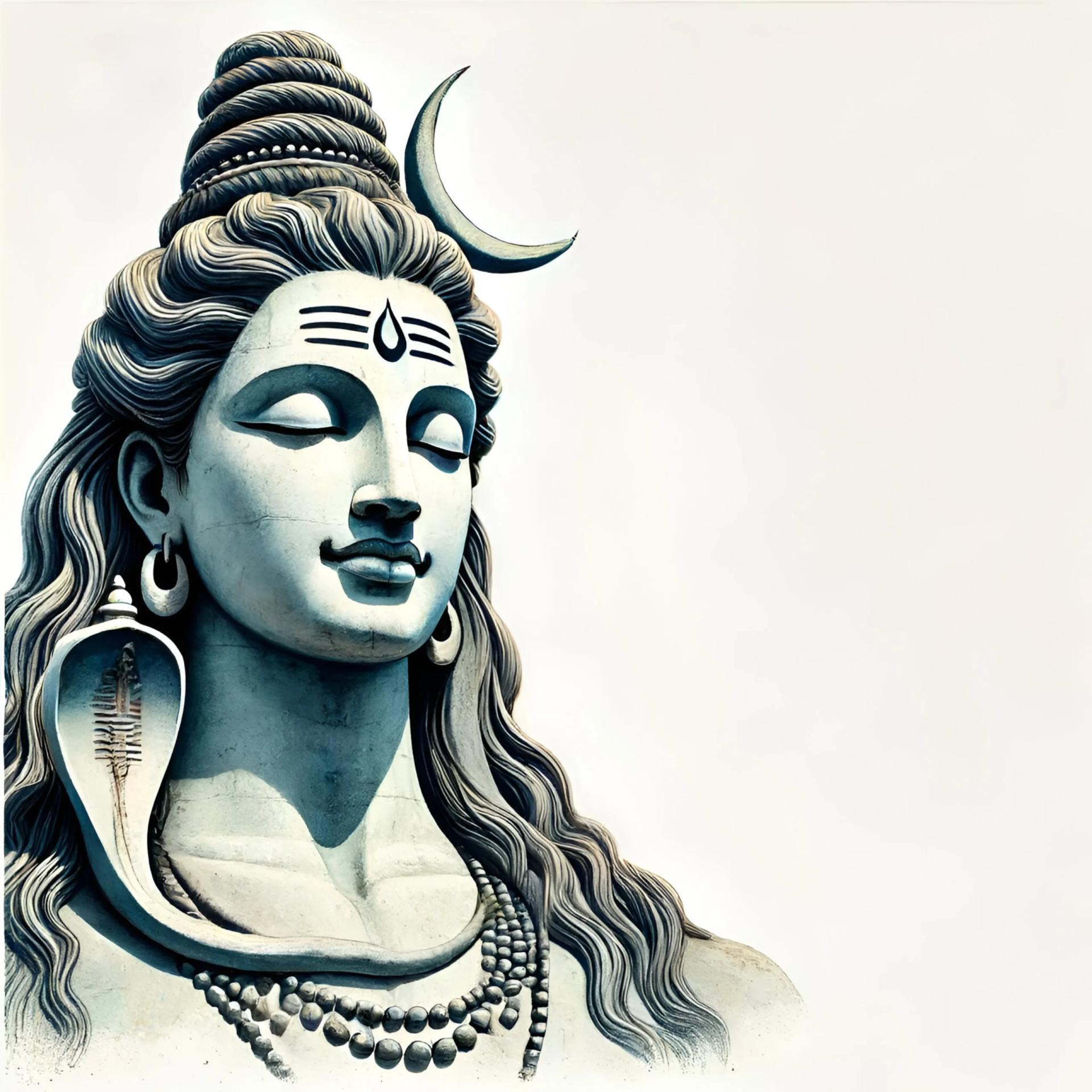
Maha Shivaratri is very spiritually important and is dedicated to one of the supreme deities of the Hindu tradition, Lord Shiva. The Shivaratri festival involves the practice of nocturnal meditation and fasting. This is believed to help facilitate one’s inward journey, resulting in spiritual awakening.
Similar to several other significant Hindu observances, such as the Shravan month, Ganesh Chaturthi, and Ekadashi, Maha Shivaratri is of great significance to one’s devotional practice. Shivaratri is more than just a celebration; it is a night for devotional spiritual practices, and a time for deep spiritual awareness and surrender.
The details of Maha Shivaratri 2026, in its entirety. This includes the date and time, spiritual significance, customs, and how to observe the night in a devotional way.
Maha Shivaratri 2026: Date & Auspicious Time
- Date of the Festival: Wednesday, February 18, 2026
- Chaturdashi Tithi Begins: February 17, 2026 (Evening)
- Chaturdashi Tithi Ends: February 18, 2026 (Evening)
- Nishita Kaal (Most Auspicious Time): February 17-18 (Midnight)
- Ratri Prahar Puja: (To be performed in 4 parts throughout the night)
Maha Shivaratri is celebrated on the 14th Night of the Krishna Paksha of the month of Phalguna, which adds great astrological and spiritual significance.
Spiritual Meaning of Maha Shivaratri
Maha Shivaratri celebrates the fusion of Shiva and Shakti, of consciousness and energy. Spiritually, the night signifies:
- Overcoming ignorance and the ego.
- The power of transformation that comes with discipline and awareness.
- Stillness, meditation and the awakening of the inner self.
As per custom, the night signifies the moment in time that Lord Shiva did the cosmic dance (Tandava) and the moment when, devotees believe, Shiva went into complete meditation. Much like the spiritual restraint that is practiced on an Ekadashi, Maha Shivratri is about self-control, purity, and devotion.
Maha Shivaratri 2026 Overview
Festival Name: Maha Shivaratri
Date: 18 February 2026 (Wednesday)
Deity Worshipped: Lord Shiva
Key Rituals: Abhishek, Fasting, Jagran
Core Message: Awakening, Transformation
Maha Shivaratri Customs and Sacred Practices
1. Fasting (Vrat)
All devotees practice full or partial fasting, and they may consume fruits, or milk, and may drink water. The fasting is a way of letting go of all material desires. The fasting represents a way of cleansing the spirit and of the body, just like the spiritual discipline of the mind practiced on the Shravan Mondays.
2. Night Long Vigil (Jagran)
Staying awake all night is a crucial practice. Devotees chant “Om Namah Shivaya.” They also focus their mind on Shiva, and listen to the scriptures about Shiva. This is practice is intended to represent awakening of ignorance and of the darkness.
3. Shiva Lingam Abhishek
Abhishek is offered with sacred items of water,milk,honey,curd,ghee, and sacred offerings like bilva leaves. The offerings symbolize surrender and devotion. Each of the offered items has special significance.
Bilva Leaves and Sacred Offerings
Bilva (Bel) leaves are incredibly precious to Lord Shiva. Offering these leaves during Maha Shivaratri is said to:
- Eliminate negative karmas
- Attain peace and mental clarity
- Please Lord Shiva more than extravagant offerings.
This philosophy of devotion is similar to that of the festivals, such as Rama Navami, where the focus is on the inner state of the devotee and the outer show of decorations and offerings is of little importance.
Shivaratri and Pilgrimage
Maha Shivaratri is an important time for pilgrimage as:
- Devotees make the journey to the Jyotirlingas and ancient Shiva temples
- Sacred places are the location of all-night prayer and abhisheks.
It is said that during this night, spiritual energy reaches a peak. Just as the Kumbh-related bathing days attract pilgrims for the purpose of purification, so too, during these nights of Maha Shivaratri, are seekers drawn for the purpose of inner transformation.
Significance and Yogic Meaning
Maha Shivaratri is the night that is considered the most appropriate time for:
- Meditative practices and breath control
- Spiritual practices involving Self-restraint
- Alignment of the body, mind and spirit.
This night is considered to make spiritual practices more enduring. Thus, for the serious yogi, this night is a prime time to engage in all of the practices that are most beneficial.
A Meaningful Observation of Maha Shivaratri
The Maha Shivaratri festival allows us to draw back from the chaos of life, to enact devotion, and to reflect within. It encourages us to practice stillness, and encourages the discipline and clarity that is brought forth from the stillness of the Shiva temple and the meditation during the fast, and of course, that is a stillness that is lasting.
Observe Maha Shivaratri with Stillness and Devotion
Maha Shivaratri is not merely a night of ritual, but a sacred pause for inner silence, surrender, and spiritual awakening. When fasting, meditation, and night-long vigil are practiced with awareness, the night becomes a doorway to clarity and transformation.
At Tirth, the intention is to help devotees stay connected to Sanatan traditions in a calm, meaningful, and authentic way. Whether it is understanding the sacred timings of Maha Shivaratri, approaching rituals with clarity, or remaining rooted in devotion during spiritually intense nights, Tirth supports your inward journey with simplicity and faith.
May this Maha Shivaratri bring stillness to the mind, strength to the spirit, and grace of Lord Shiva into your life.
Om Namah Shivaya.