Janmashtami Festival 2026: Date, Significance, Rituals and Celebrations
Janmashtami marks the birth of Lord Krishna, the eighth addition of Lord Vishnu, who is considered to be the preserver of the universe in the Hindu religion. Celebrated with religious enthusiasm, Janmashtami involves the devotees’ practice of fasting and night surving, and in the excitement of celebration and joy, the festival pays tribute to the magnificent love of God and the triumph of the virtuous over the evil.
Janmashtami, like many other festivals that are observed in the Hindu culture, like the festival of Ram Navami, The Festival of Holi, and The Festival of Diwali, are of no less importance in spiritual or cultural significance and are harmoniously intertwined with the practice of devotion and the fasting that accompanies the spiritual practice of Detachment. Ekadashi fasting is an example of a practice that is used to help in the celebration and enjoyment of the festival.
Janmashtami 2026: Date and Most Important Times
- Date of Festival: August 4, 2026 – Day After Krishna Janmashtami
- The Night of Krishna Janmashtami 2026 – Eve of 3, 4 August 2026
- Janmashtami Ashtami Tith is in the Night of 6, 7 August, 2026
- Krishna Janmashtami 2026 pooja time is at 00:00:2026 and after that every one is a
Lord Krishna is said to have reincarnated at the time of midnight. That is the reason why all devotees performing midnight worship. They must also remain vigilant for the occasion, which, of course, is why the occasion is also very important.
Meaning of Janmashtami
Janmashtami marks the occasion of the birth of Lord Krishna, whose purpose was to bring equilibrium to the world. From the spiritual perspective, the festival symbolizes:
- The triumph of dharma and truth
- The manifestation of divine love, compassion, and wisdom
- The path of devotion and action
As Rama’s teachings are celebrated during Rama Navami, Janmashtami celebrates the teachings of Krishna. They inspire duty, devotion, and complete surrender to the divine, as described in the Bhagavad Gita.
Janmashtami Customs and Practices
1. Janmashtami Vrat (Fasting)
Most devotees fast until the midnight puja and only then break the fast. Their way of fasting resembles an Ekadashi fast, and is done in complete devotion and purity, while staying in control of the mind.
2. Nishita Kaal Puja (Midnight Puja)
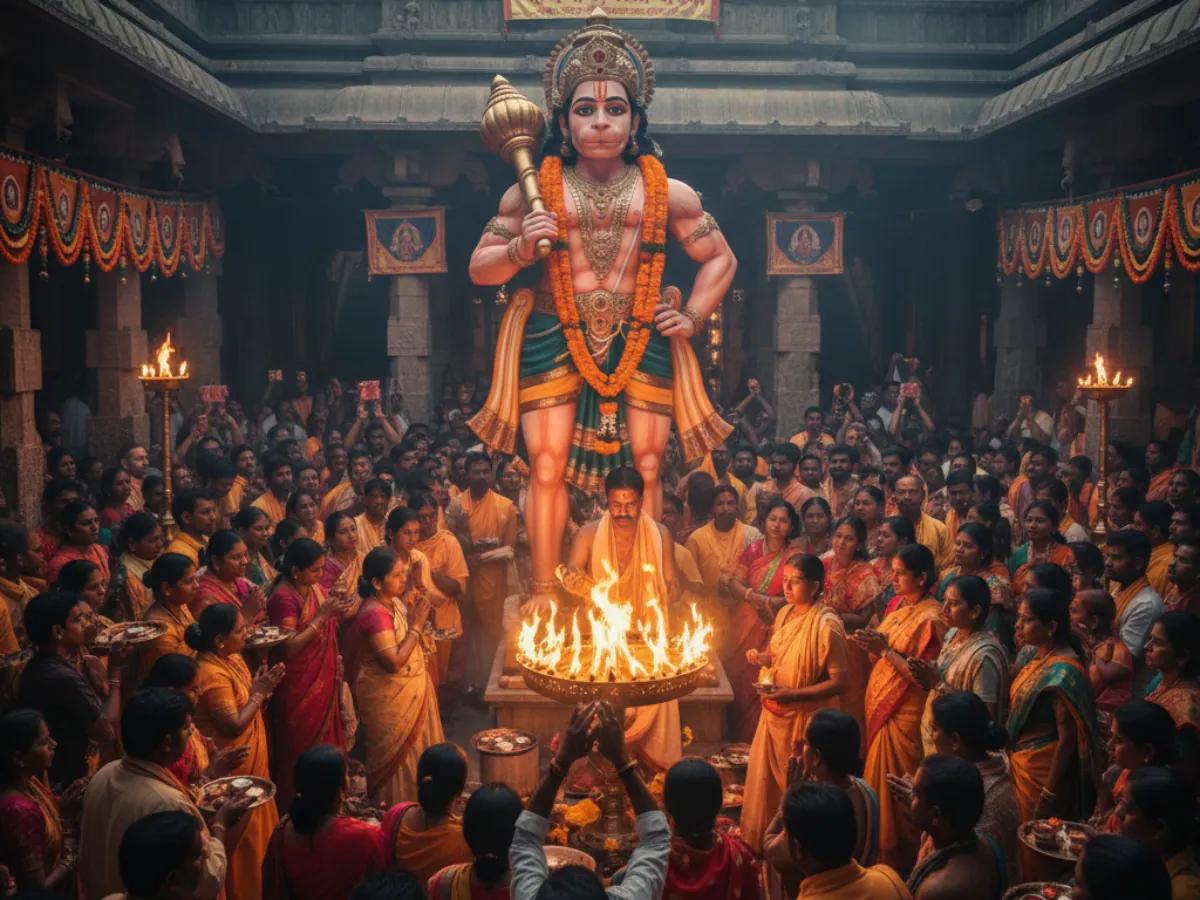
As soon as the clock strikes midnight, the devotees begin their elaborate puja, consisting of
- Bathing and dressing the Krishna idols
- Offering butter, milk, sweets and tulsi
- Chanting Krishna mantras and bhajan
This is the defining moment of Krishna’s birth, and is the most important part of Janmashtami.
3. Reading & Listening to Krishna Leela
Devotional readings of the Bhagavata Purana and the Bhagavad Gita are very common, as are many of the narrations that are similar to the recitations that take place during the Rama Navami celebrations. These narrations are used to help the devotees to reflect upon the divine and the moral codes of the divine.
Regional & Cultural Celebrations of Janmashtami
Across the numerous regions in India, Janmashtami is celebrated in a variety of ways:
- Mathura & Vrindavan: Large celebrations in the temples, performances of the Ras Leela, and singing the bhajans.
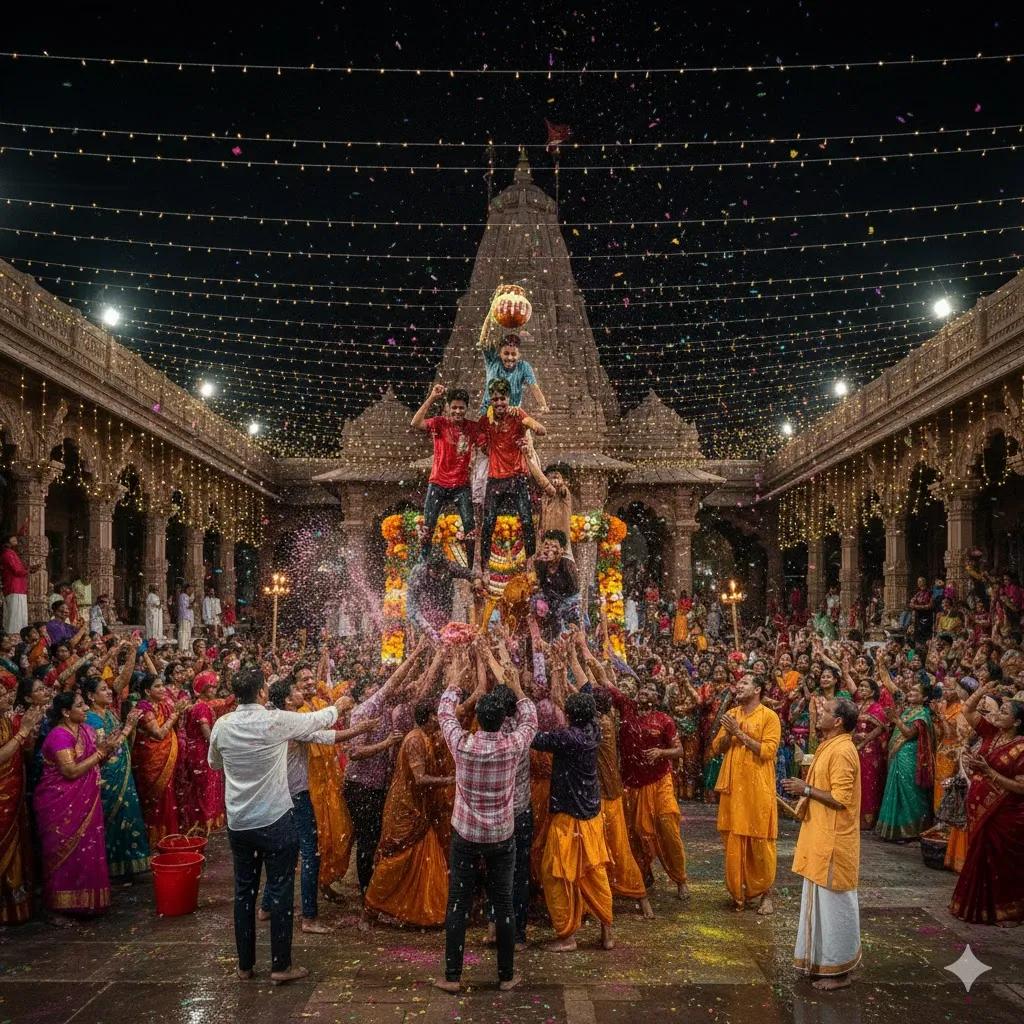
- Maharashtra: Celebrations of Dahi Handi that is representation of the childhood of Krishna.
- South India: The temples perform rituals, create kolams, and engage in devotional singing.
- Eastern India: Processions and community bhajans.
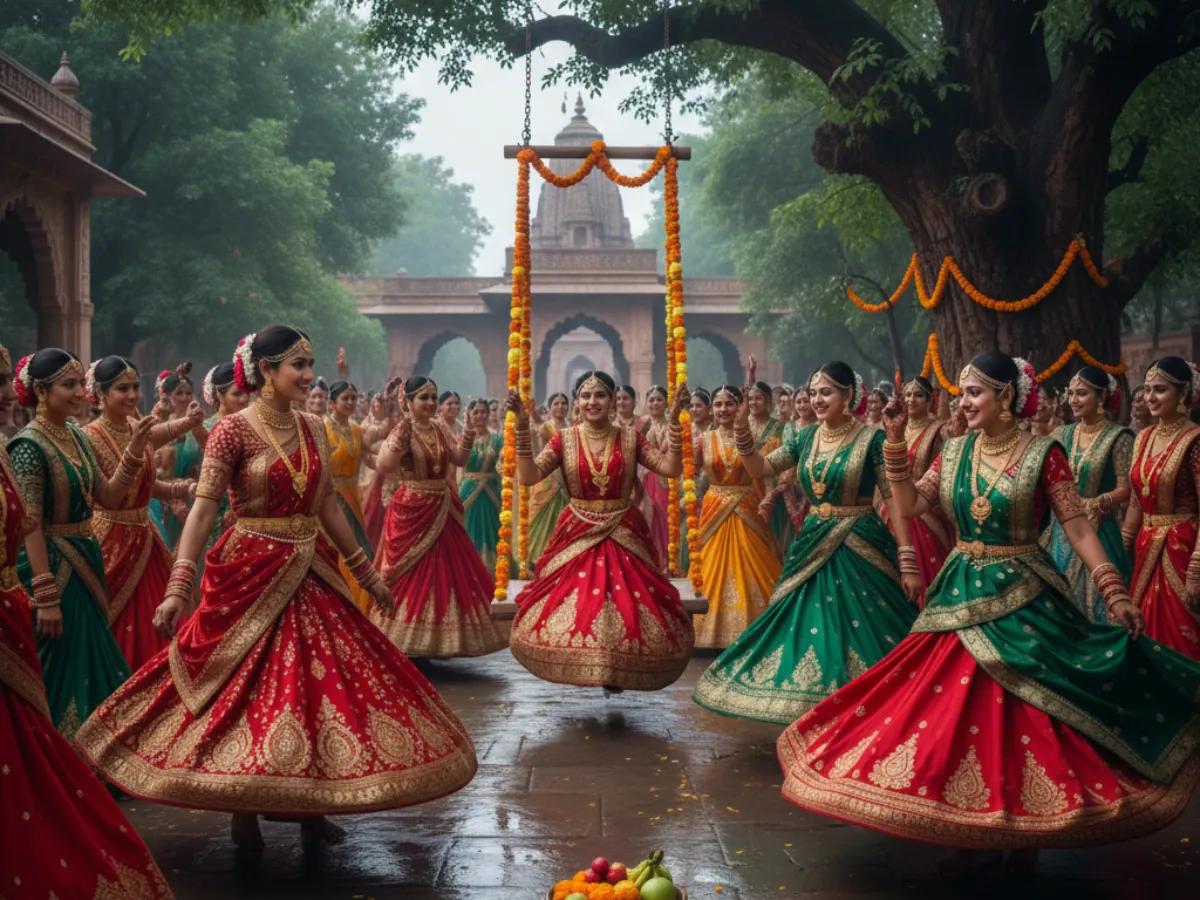
Like Holi, Janmashtami is a festival of pure devotion and fun and encourages the community to celebrate devotion, making the spiritual accessible, and fun.
Janmashtami & Pilgrimage Traditions
For the devotees, Janmashtami is the ideal time to:
- Visit temples and sacred tirthas
- Engage in night long bhajan and kirtan
- Contemplate and reflect on the teachings of Krishna regarding non-attachment and devotion
During Janmashtami, the pilgrimage towns, like the time of Diwali, go through many other major Vaishnav festivals, where the spiritual energy is very high.
Devotional Discipline & Inner Reflection
Beyond the rituals, Janmashtami encourages:
- Control of desires
- Compassion to all
- Living a life of dharma
By observing the rituals of this festival the devotees are able to bring to life the teachings of Krishna and acquire and reinforce inner peace and spiritual awareness.
Janmashtami 2026 at a Glance
Festival Name: Janmashtami
Date: Friday, 4 September 2026
Deity Worshipped: Lord Krishna
Key Rituals: Fasting, midnight puja, bhajans
Core Message: Devotion, righteousness, divine love
A Meaningful Way to Observe Janmashtami
With the arrival of Janmashtami 2026, we have an opportunity to pause, reflect and reconnect with the teachings of Lord Krishna. Taking part in the fast, the midnight puja, or simply visiting the temple, helps increase one’s devotion, while also spreading Krishna’s message of balance, duty and love.
Celebrate Janmashtami with Bhakti and Inner Awareness
Janmashtami is not only a celebration of Lord Krishna’s birth, but a gentle reminder to live with balance, devotion, and surrender to dharma. When fasting, prayer, and reflection are done with understanding and calm faith, the festival becomes a deeply personal spiritual experience.
At Tirth, the intention is to help devotees stay connected to Sanatan traditions in a simple, peaceful, and meaningful way. Whether it is understanding festival dates, approaching rituals with clarity, or staying rooted in devotion during sacred nights like Janmashtami, Tirth supports your spiritual journey with ease and reverence.
May this Janmashtami bring wisdom to your thoughts, compassion to your actions, and devotion to your heart.
Jai Shri Krishna.