Some festivals arrive loudly firecrackers, crowds, noise. Raksha Bandhan is not that kind of festival.
It usually slips in quietly, carried by memory more than spectacle. A calendar reminder pops up. Someone checks courier timelines. An old song plays on the radio. Suddenly the heart feels a little heavier and a little warmer at the same time.
Over the years, watching families celebrate this day across towns, trains, temple courtyards, and cramped city flats, one thing becomes clear: Raksha Bandhan keeps changing, yet it refuses to lose its pulse.
People worry if they’re doing it right, if distance has diluted it, if modern habits have weakened it. The truth feels gentler. The festival survives because it bends.
The Deeper Meaning Behind Raksha Bandhan

Strip the ceremony down and the meaning is quietly simple. Someone says, “I care.” Someone else replies, “I am here.”
That’s it. Everything else grows from that.
The thread on the wrist is small sometimes flashy, sometimes plain cotton picked up from a local stall. Still, it carries the idea of protection. Not in a heroic sense, but in everyday ways:
- Checking in
- Standing up when needed
- Staying connected even when life pulls siblings in opposite directions
Values That Shape the Festival
Trust Built slowly over shared years, arguments, forgiveness, and laughter
Responsibility Maturing from childhood promises into adult presence
Family continuity Elders watching younger ones repeat familiar gestures
Cultural memory Carried forward without needing grand explanations
These ideas sit close to each other, like people on a long train journey leaning, adjusting, staying together even when the road shakes.
Where Raksha Bandhan Began
Ask someone where Raksha Bandhan began and stories tumble out. Different versions, different regions, all circling the same emotion. The story is less about historical accuracy and more about moral memory.
These tales get told at dining tables, during rakhi shopping, or when a child asks why the thread matters. Over time, the details blur, yet the lesson stays intact.
Stories That Continue to Inspire
Draupadi and Krishna She tore her sari to bind his wound, an impulsive act followed by lifelong protection
Rani Karnavati She sent a rakhi across kingdoms, trusting a bond stronger than politics
Community bonds People tying rakhis to neighbors during unrest, choosing care over fear
Protection, honor, and loyalty travel together in these tales. They sound old, yet they echo modern choices more than people admit.
Traditional Rituals Explained
Rituals anchor emotion. Without them, feelings float around without form. Raksha Bandhan rituals are modest, repetitive, and familiar which is probably why they work.
Preparing the Sacred Space
Preparation begins quietly. A corner of the house gets swept. A thali appears. Someone realizes the diya needs oil. Someone else runs out to buy sweets at the last minute.
What’s really happening:
- Cleaning becomes less about dust and more about intention
- Puja items remind everyone this moment deserves attention
- Family members drifting in and out create shared anticipation
Nothing dramatic. Just enough pause to mark the day as different.
The Rakhi Tying Ceremony
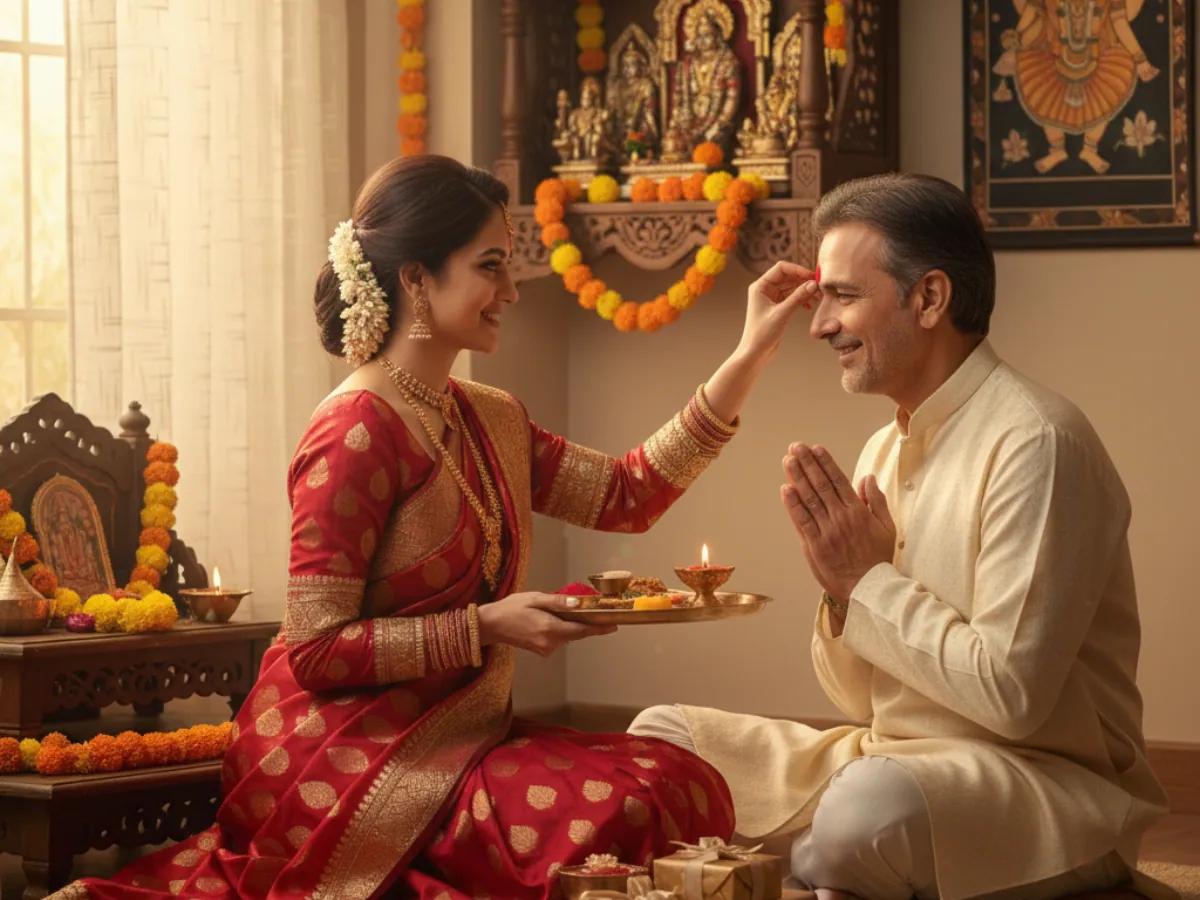
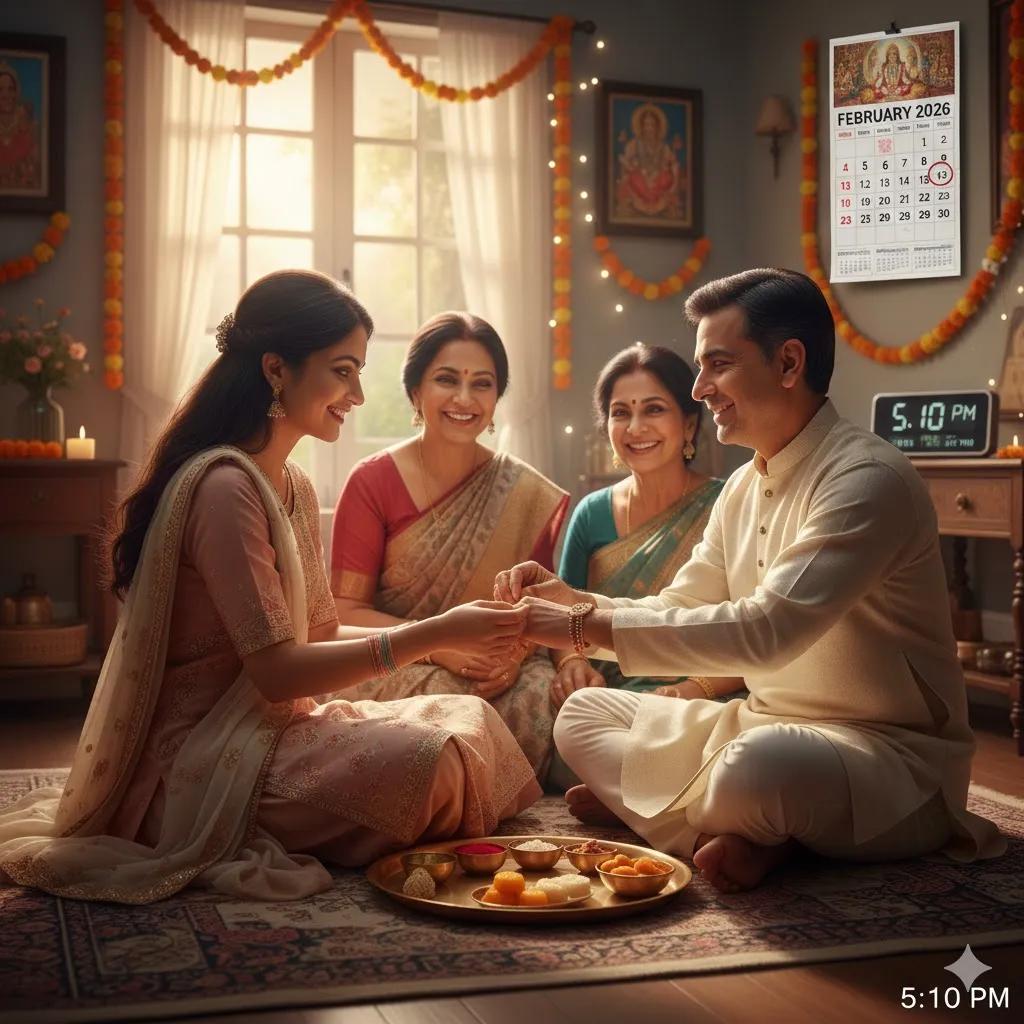
This moment is brief, yet heavy with meaning. The sister ties the rakhi. The brother sits still, pretending not to be moved. Blessings are spoken sometimes awkwardly, sometimes with folded hands and closed eyes.
What each element means:
- The rakhi thread holds trust and expectation
- Tilak carries warmth, not obligation
- Aarti feels like acknowledgment, plain and honest
Promises exchanged here are rarely spoken aloud later, yet they linger.
Sweets and Gift Exchange
Sweets appear. Hands get sticky. Jokes follow. Gifts are given some thoughtful, some hurried, some symbolic.
Why this matters:
- Familiar sweets trigger childhood memories
- Gifts reflect care rather than price
- Shared meals soften unspoken feelings
Food, as always in Indian homes, does half the emotional work.
Raksha Bandhan in Modern Family Life
Life looks different now. Jobs scatter families across cities and continents. Schedules clash. Still, Raksha Bandhan adapts, quietly.
Celebrating Across Distance
Distance hurts more on festivals. That part doesn’t disappear. Screens help, imperfectly.
How families stay connected:
- Video calls recreate rituals with pauses and laughter
- Couriers carry rakhis across time zones
- Shared timings create a sense of presence
It may not feel the same. It feels close enough.
Inclusive Expressions of the Festival
Raksha Bandhan has loosened its definitions. Friends, cousins, colleagues, mentors bonds choose their own names now.
What’s changing:
- Emotional loyalty earns recognition
- Mutual care replaces rigid labels
- Respect expands beyond tradition
The festival grows wider, not weaker.
Celebration Ideas for Today’s Families
Tradition survives when people make it their own. Thoughtful celebration ideas don’t chase novelty. They reflect sincerity.
Personal Touches
Some families slow down here. They write notes. They choose rakhis that say something.
Small gestures that matter:
- Personal choices carry emotional weight
- Handwritten words outlast store bought tags
- Simple efforts speak loudly
Experience Based Celebrations
Objects fade. Time stays.
Create moments instead:
- Sit together without phones
- Cook one meal side by side
- Revisit old photographs
These moments linger longer than gifts.
Mindful and Responsible Choices
Awareness has entered celebration spaces too.
Consider:
- Simple materials feel honest
- Fewer purchases reduce excess
- Thoughtful choices reflect values
Celebration doesn’t need noise to feel full.
Common Challenges and How to Handle Them
Festivals expose fault lines. Raksha Bandhan is no exception.
Emotional Distance Between Siblings
Silence stretches over years. Pride intervenes. Raksha Bandhan gently interrupts.
What can happen:
- The rakhi opens conversation
- Small gestures lower defenses
- Ritual presence softens hearts
Not everything heals. Some things begin.
Time Pressure and Busy Schedules
Life moves fast. The festival asks for a pause.
Remember:
- Short rituals still hold meaning
- Presence matters more than perfection
- Consistency builds reassurance
Even five mindful minutes count.
Generational Gaps in Understanding
Children question rituals. That’s healthy.
How to bridge the gap:
- Stories offer context
- Participation builds curiosity
- Shared action teaches quietly
Understanding grows sideways, not straight.
Practical Guidance for Meaningful Celebration
Experience shows that simplicity works.
Focus on:
- Intention over display
- Comfort guiding tradition
- Keeping gestures sincere
- Talking, listening, sitting together
Meaning arrives when effort feels honest.
Cultural and Spiritual Context
Festivals live best when placed within their larger cultural landscape. Raksha Bandhan reflects duty balanced with affection.
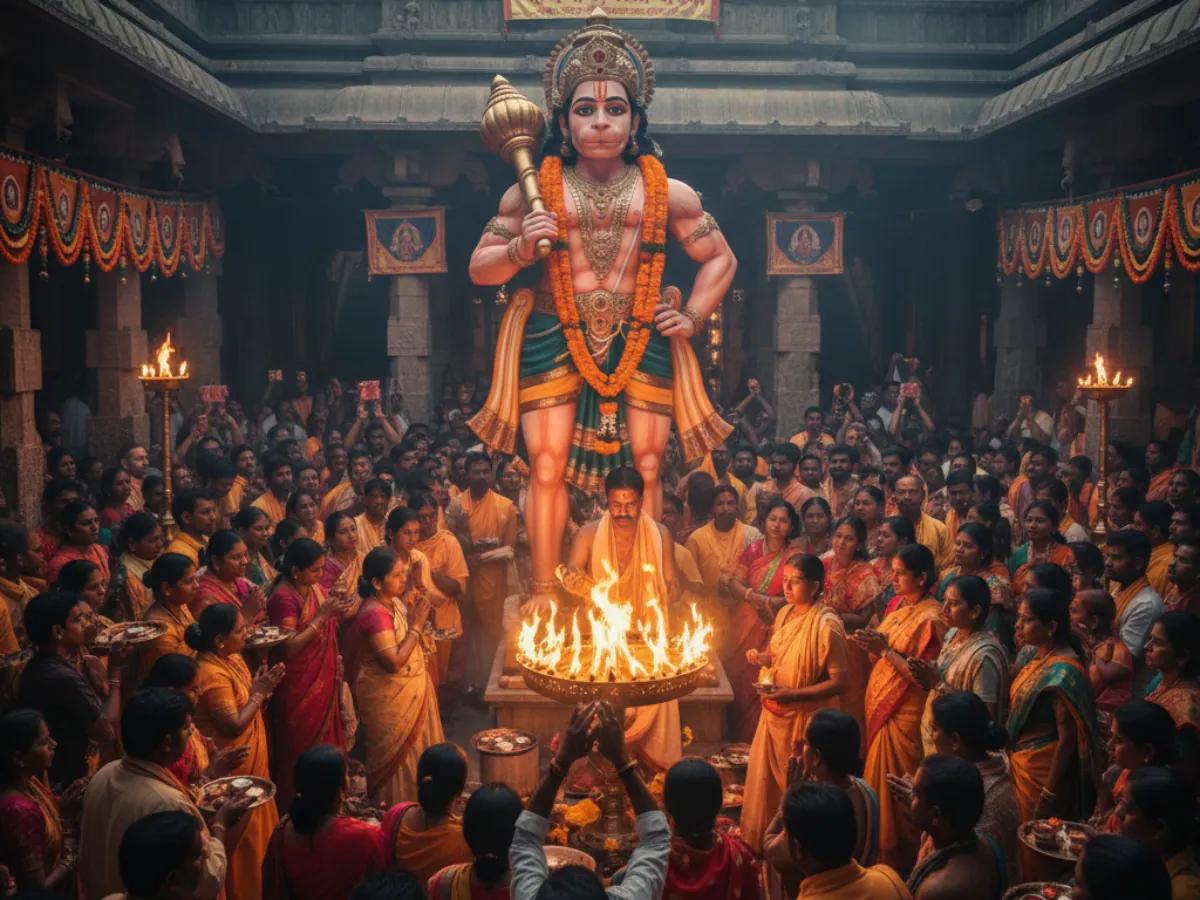
Spiritual journeys and sacred spaces help people reconnect with that balance. Understanding why we do something makes faith steadier.
When tradition feels lived rather than performed, it resonates more deeply.
Sustaining the Spirit Beyond the Festival
The rakhi thread loosens. Life resumes. Still, the promise remains.
The real celebration happens in:
- Checking in during ordinary days
- Standing up when needed
- Showing care without occasion
That’s where the festival truly lives.
A Gentle Reminder
Raksha Bandhan doesn’t demand perfection. It asks for presence.
The rituals shift. The stories evolve. The emotion stays recognizable. Each family carries the freedom to shape the celebration in ways that feel real and respectful.
Additional reading on Raksha Bandhan customs, timings, and vrat practices can be found on Tirth.com