Diwali is a respectful emotional inquiry for the families, proper romance for the travelers, and ritualistic romance for the youngsters. It is pleasant to witness a historian or a symbolist feel a bit discomforted or pensive about the festival and the festival traditions and the reasons for the origin and the meaning. Such a festival is the most sought. This guide will try to make a historian or a symbolist feel comfortable and connected to the festival by explaining the festival’s traditions and meaning.
The pieces below present the celebration, wonder, and reflection of the reader in a structured, humane manner.
Understanding the Meaning and Definition of Diwali
What Does Diwali Represent?
The festival of light is celebrated all over the world. It is a festival of light, so it is celebrated by the victory of light over the darkness and the victory of the truth over the false. The fabric of this festival is then woven with the values of righteousness, purity of the spirit, and the integration of the individual self with the universal self.
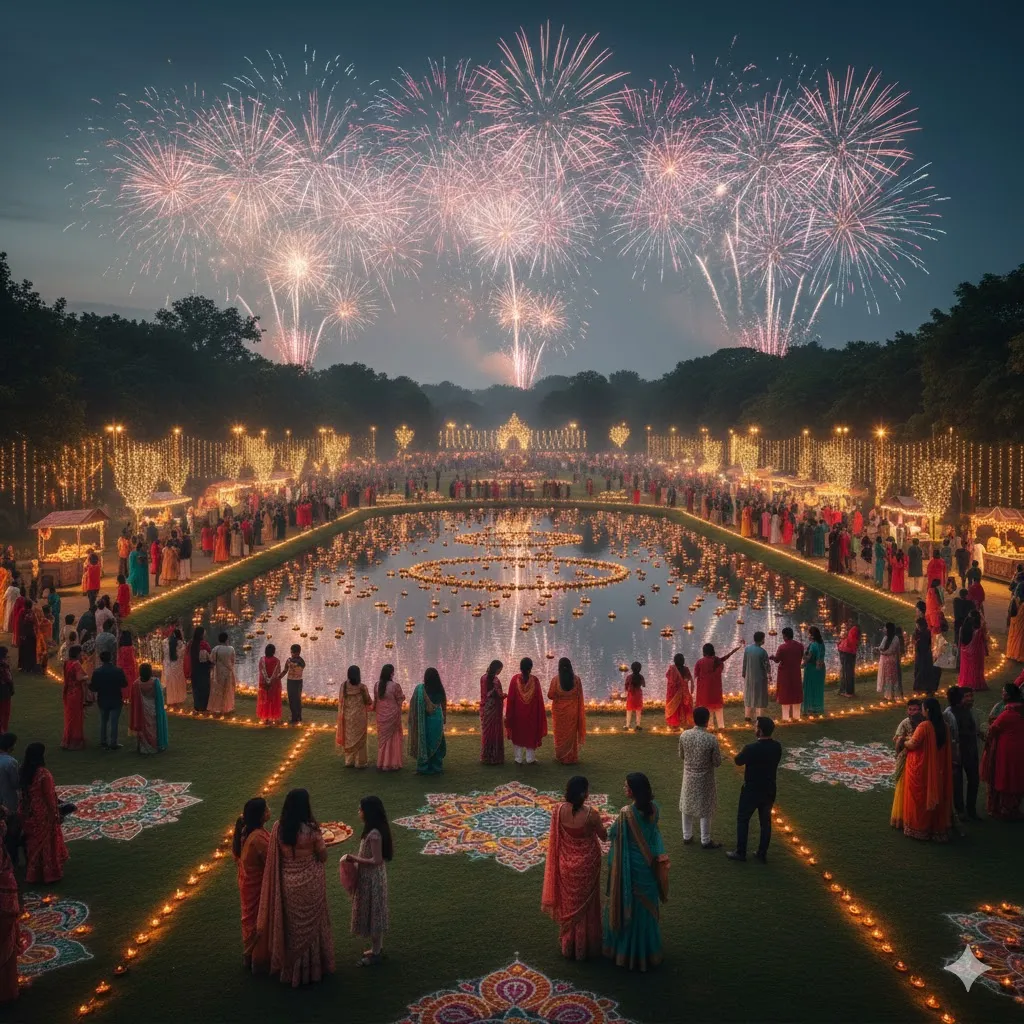
The lamps that are lit in homes and on the streets show the understanding, optimism, and the renewal of the soul.
The word Deepawali, which is associated with the celebration, comes from Sanskrit, an ancient Indian language. Deepa means light and Avali means a line or row of something. It is in context with the celebration of the festival when the readers take solace in the meaning of the legs of the festival and celebrate the festival in the right spirit.
What Does the Name “Deepavali” Mean?
As a festival of reflective awareness of self, of one’s actions, every person of every family who hosts the festival of Deepavali, wishes to reflect and celebrate the thought and value of every meaningful observance of the festival. The festival of Deepavali is also a reminder to people of the positive impact every person can have. Being festival of lights, lights remind people of the light of knowledge, moral and awareness of positive things. The opposite is a reminder of ignorance, fear, emotional turmoil. Festival of Deepavali also celebrates the positive moral responsibility awareness and light of knowledge.
Diwali as an Ethnic and Religious Holiday
How Different Cultures Celebrate Diwali
Diwali is the celebration of the unity and harmony of people and the country of India. It is a holiday of celebration for the people and of the country of India as one and the same. Social and Religious custom might also differ and be practiced. However, the four principal constituent of the festival of Diwali remains to be the same and they are, devotion, gratitude, renewal and togetherness. The four principal of Diwali therefore places its focus on a distinct social and/or religious custom of the festival.
The Four Core Principles of Diwali:
- Devotional respect and practice of the Dharmic principals
- Celebration of family and community
- Gratitude for Harvest of the Land, Economic prosperity, and Wealth
- Renewal of the Individual and the Divine
- Celebration of a community of persons among people who honor and celebrate a diversity of customs and traditions
Diwali Celebrations Around the World
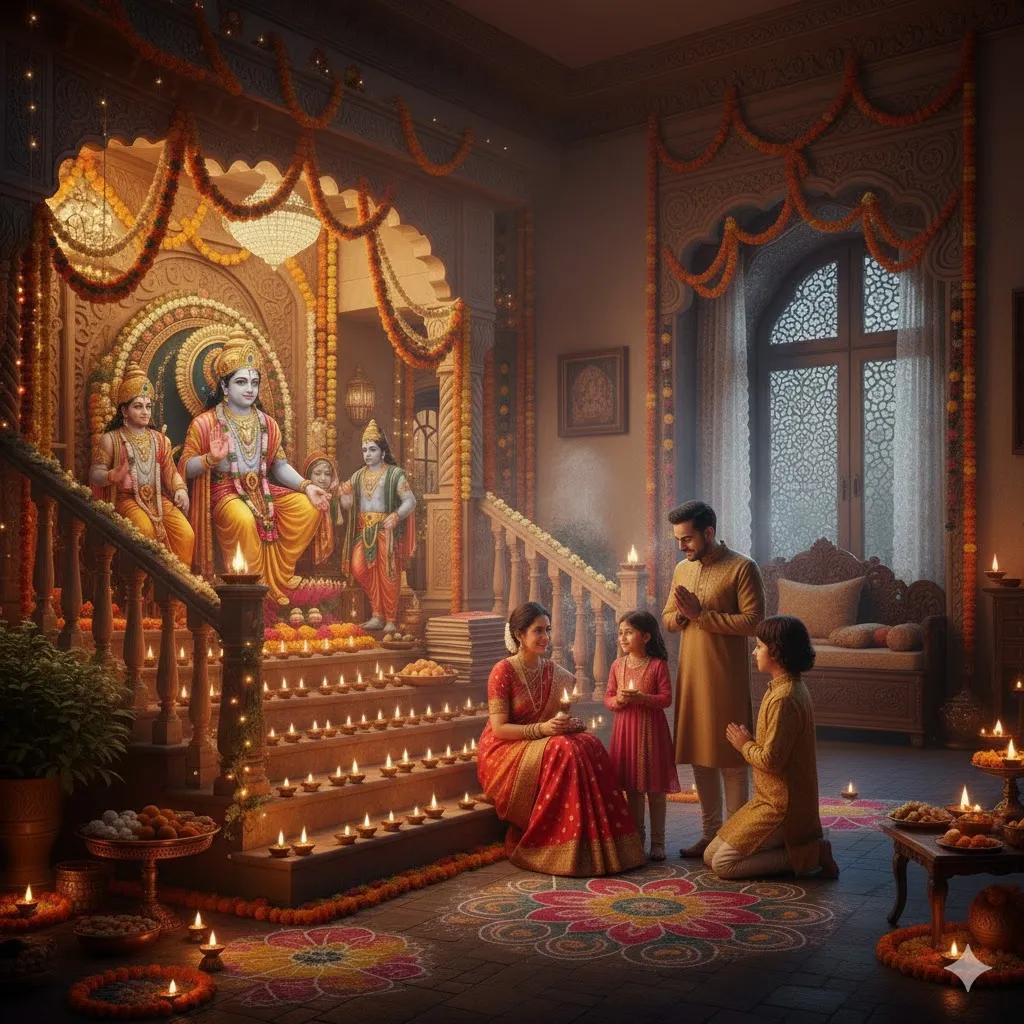
Diwali is celebrated in different parts of the world due to devotion and ancient history and mythology. In India, Lord Ram came back to the city of Ayodhya after a long period of exile. This was a momentous occasion for the people of India and they decorated their homes to symbolize light of the spirit and a positive attitude.
Diwali Traditions in North India
In North India, Lord Ram is celebrated for the killing of the demon named Narakasura. This story is celebrated for the virtue and bravery.
Diwali Traditions in South India
In South India, the champion of virtue and self discipline, is a deity for prosperity named Lakshmi, and is honored as secular. Kali is the Goddess of Death and the Destroyer of Evil Spirits, and Devotion of Kali is for Protection and Strength.
Integration of the strong ethical lessons of the devotion to the Goddess harkens to the ethical lessons, helping readers disparate traditions reinforce the same core values and feel culturally strengthened, not diluted.
The Ancient History of Deepavali: Festival of Lights
The texts from history which speak of the origin of the crafts are the texts of antiquity, the scriptures, the ancient books of the Indian diaspora, the oral traditions, the traditions of the libraries of the ancient world, and the knowledge of the world of crafts and the festivals of the ancient world. The first texts which speak of the Dīpāvalī festival speak of a harvest festival, a season festival, and cosmology. The texts of the ancient era speak of Light as an order and a balanced world. Later texts, especially the epics and the Puranas, built more robustly the narrative structure which Dīpāvalī has as the festival of the divinity of God, the kingship, the sacrifice, and the dharma of justice. The epics’ continuity of references is an affirmation for the readers who are in search of the ancient and authentic texts that speak of the Dīpāvalī festival.
Why Diwali Traditions Have Remained Unchanged
The celebration of the Dīpāvalī festival over the centuries is the celebration of Kings, Pandits, Mahatmas, and sages. It is an ancient festival. Little has changed over the centuries. The festival has been the subject of social, cultural, and civilizational encirclements. The drama of the festival has undergone great and profound transformations, but the core of the festival has remained unchanged.
This is of great psychological value to readers who have been subjected to the cultural erosion of the festival and are left with nothing more than to celebrate the festival in a sterile, token manner.
Historical Documentation of Diwali Rituals
Historical archives have well documented the Diwali ritual.
Historical records show the importance of Diwali customs.
Exchanging sweets shows mutual understanding and harmonious togetherness.
This kind of clarity helps the reader who wants to appreciate the thought instead of wishing to avoid the busy work of the ritual.
The Emotional and Social Significance of Diwali Customs
The rituals provide the participants with emotional equilibrium. Family reunions strengthen fractured bonds. Trust is heightened with shared meals. Children learn behaviors by merely observing and through the act itself.
Emotional anchoring is the opposite of distress, distance, and cultural disconnection.
Common Concerns About Celebrating Diwali
Fear of Doing It Wrong
There may be, and should be, a right and wrong way to do this.
The reader is likely to think they may be wrong when it comes to omitting a necessary ritual or performing a non existent one. The unofficial channels, and more so the informal ones, add to the ambiguity.
Correct and adequate information builds confidence. For new families and those who have only recently been introduced to the ritual, the need to have information reduces the stress of the situation.
Concern About Losing Cultural Meaning
The greatest concern of families is the lack of passing on the customs to future generations. In addition, when the act of doing the festival becomes a show, it is empty of any real meaning. We designed a celebration to be a Festival which helped to retain the original Festival. The design kept core values of a Festival and allowed for a meaningfully intentioned celebration.
How to Celebrate Diwali: Practical Tips
Mindful Diwali Celebration for Families
The celebration also needs the right intention.
- Keep the order of the house an example of the self restraint you seek to cultivate.
- Focus on self improvement and virtue as you light the lamps.
- Enhance your bonds by connecting with the grandparents and the grandchildren.
- Foster a sense of compassion and community by participating in acts of charity.
These actions help in achieving emotional and mental peace.
Diwali Travel and Pilgrimage Guide
It is useful to plan on visiting pilgrimage sites during the Diwali festival.
- Advance planning simplifies the bookings for travel and accommodation.
- When a new place is to be visited, it is necessary to know the traditions.
- When it is busy, it is helpful to have an exact schedule.
- It is easier to travel when pilgrimage sites are open.
Such tips give the impression that the traveler is responsible and will improve the travel experience.
Diwali as a Time for Personal Renewal
Self Assessment and Moral Growth During Diwali
Diwali is a time for Self Self Assessment and Moral Growth.
The light during Diwali should inspire good deeds and the giving up of negativity.
Taking time to reflect leads to strong connections and good choices.
Building Stronger Family and Community Bonds
Community celebrations foster a sense of togetherness and trust.
This is the emotional connection many describe during the Diwali festival.
The Importance of Trustworthy Cultural Guidance
Tirth aids in the respectful celebration and preparation for a pilgrimage. The readers guide along the festival path with confidence and clarity.
Trust is established with consideration for the traveler’s needs, beliefs, and emotional state.
Celebrate Diwali With Meaning and Understanding
The festival of Diwali is a reminder that the starting point of all light is within ourselves, and that light transforms our actions, relationships, and choices. Knowing the meaning, traditions, and history of a celebration enables you to appreciate the celebration at a higher and deeper level and to contribute to keeping the celebration alive.
Given the need for clarity, a desire for understanding the culture and a guide for the spiritual journey, we welcome the request for guidance and support. The essence of exploration is trust, confidence, and connectedness. A lamp lit in awareness is a treasure.
For insights into Lakshmi Puja, rituals, and observance timings during Diwali, see Tirth.com